
Postwar Origins of Kabukicho and the Site
Kabukicho’s transformation began after World War II, when the area was earmarked for a cultural revival, initially with plans for a kabuki theater that was never built. Instead, the district evolved through private initiatives into a bustling entertainment and nightlife center, famous for its theaters, cinemas, restaurants, and unique after-dark energy (Architecture Lab; Japan Guide).
Transformation: From Theaters to Tower
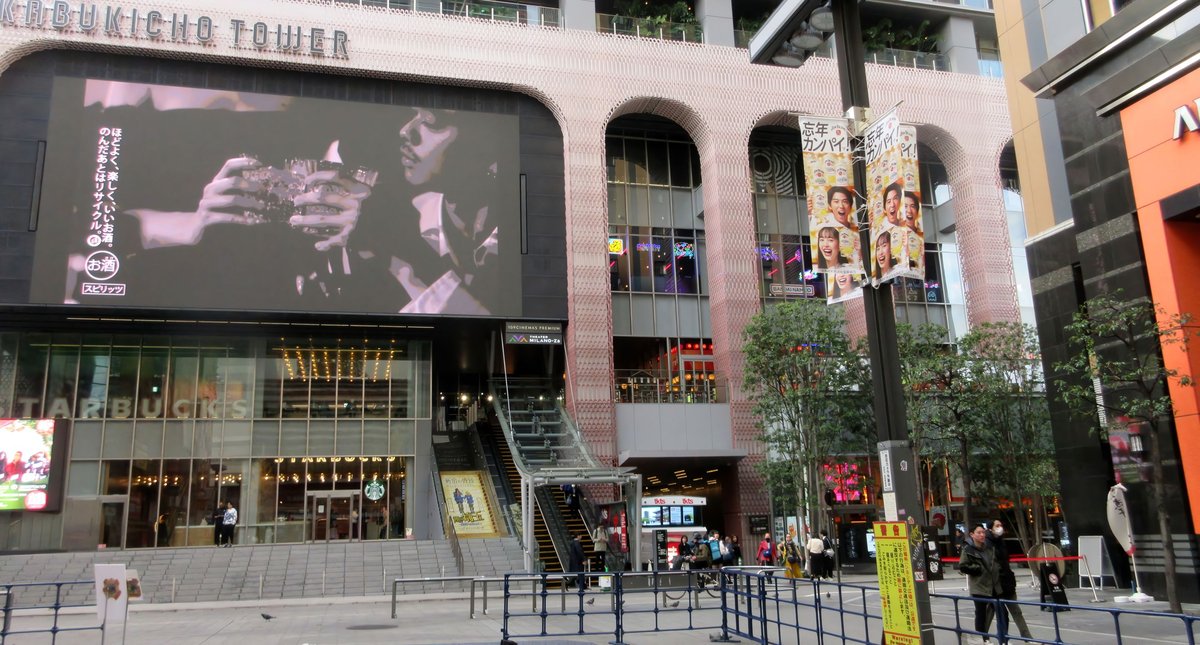
The Tokyu Kabukicho Tower stands on a site once occupied by the Shinjuku Koma Theater and the Milano-za cinema complex—landmarks that defined Kabukicho’s entertainment landscape throughout the mid-to-late 20th century. Their closure made way for a new vision: a vertical entertainment hub that would reimagine the district’s cultural significance for a new era (Wikipedia).
Concept and Design
The Shinjuku Tokyu Milano Plan, launched by Tokyu Corporation in the late 2010s, aimed to revitalize Kabukicho by building a tower that would honor the area’s entertainment legacy while attracting a cosmopolitan audience. Officially named Tokyu Kabukicho Tower in 2021, the project sought to blend tradition and innovation, making the tower a new symbol of urban renewal (Kanpai Japan).
Architectural Features and Symbolism
- Designers Yuko Nagayama & Associates (Japan’s first woman-led skyscraper design), with KUME SEKKEI Co. and Tokyu Architects & Engineers.
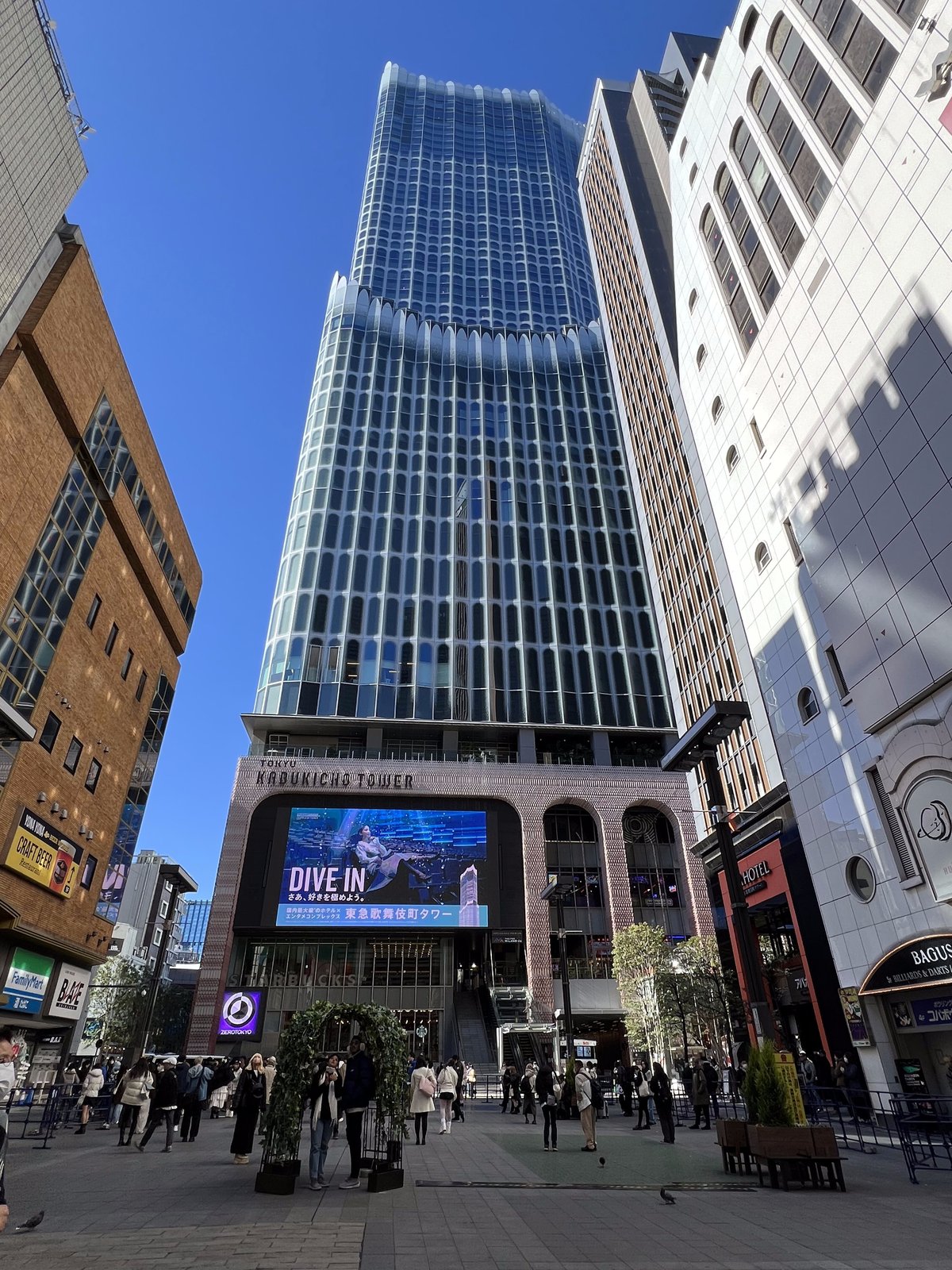
- Structure 225 meters (738 feet) tall, 48 floors above ground, 5 below (JW Web Magazine).
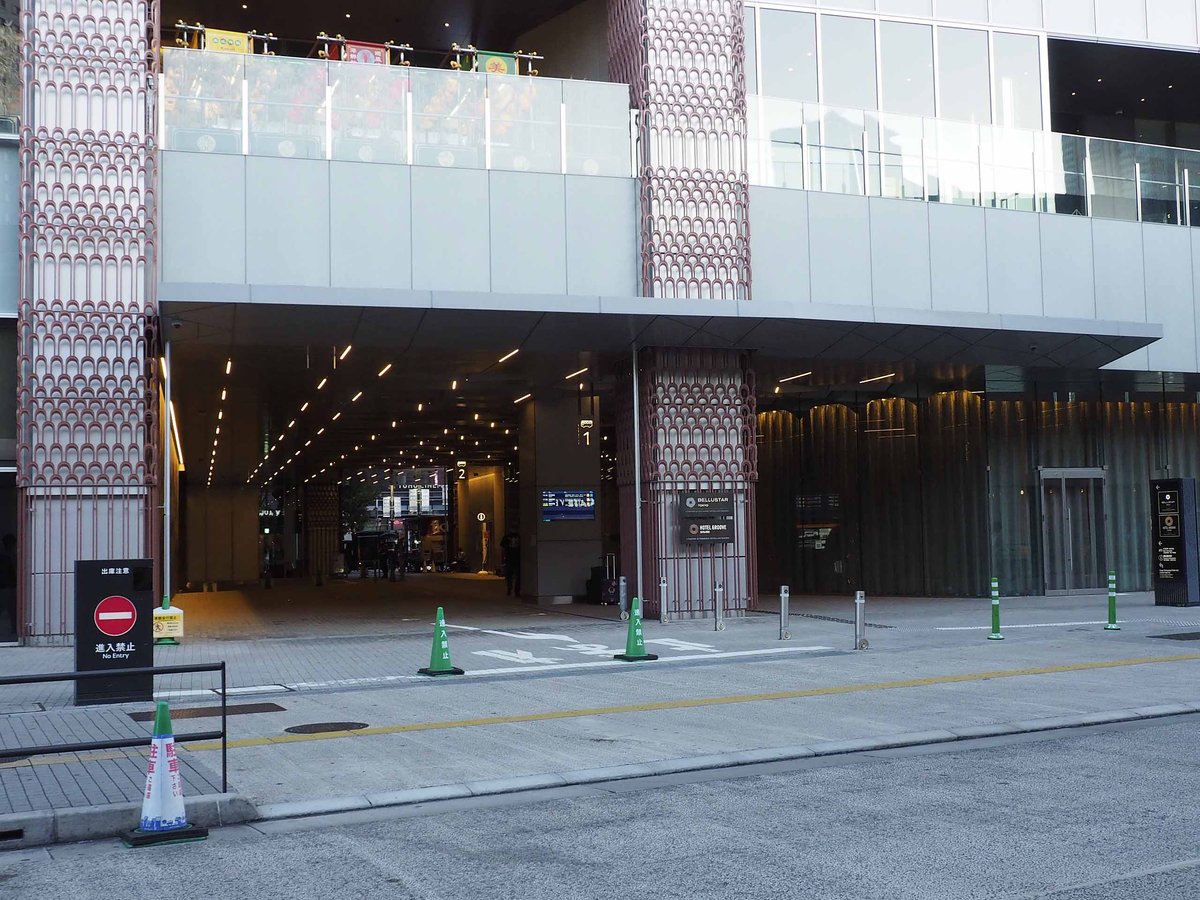
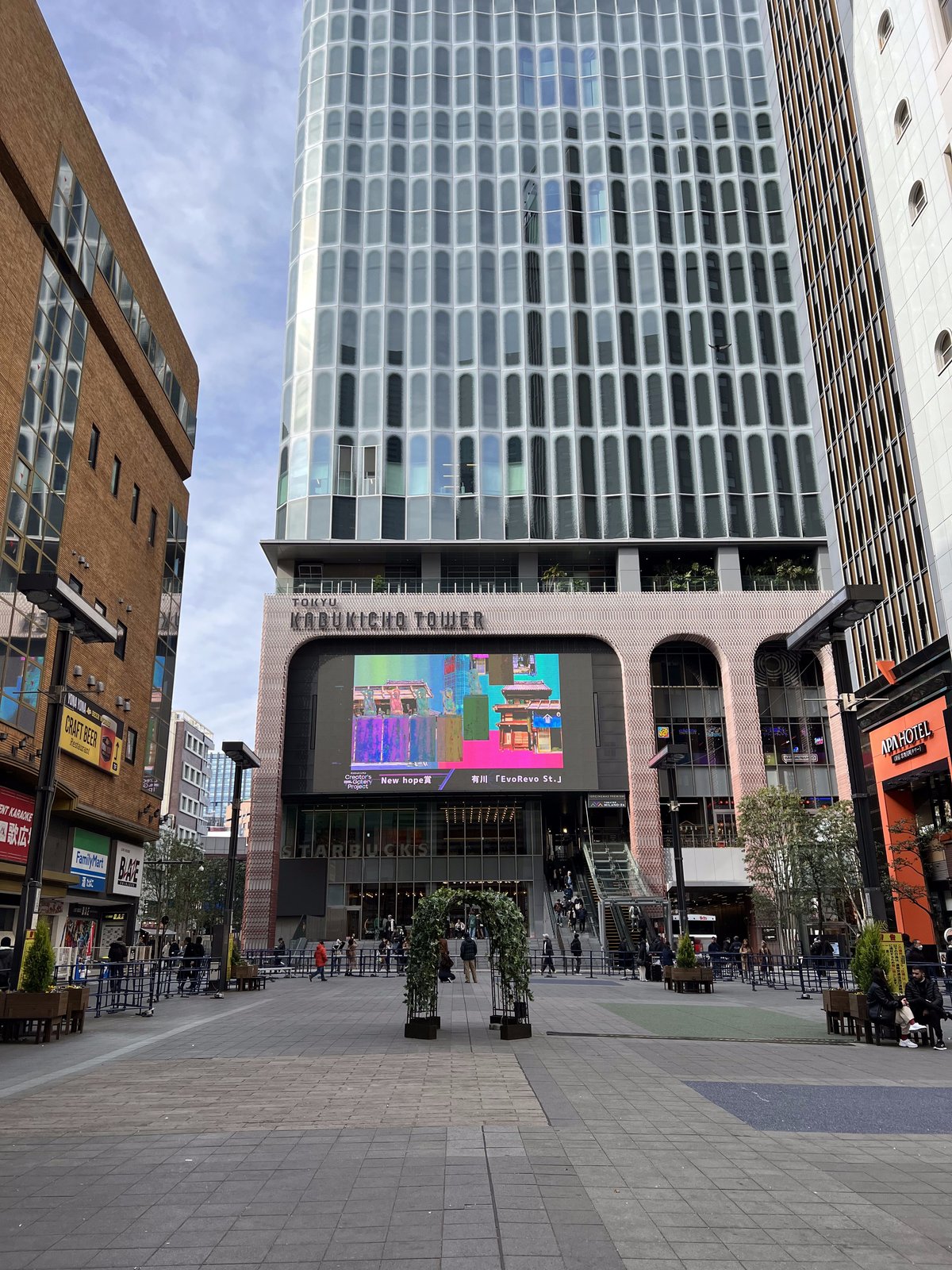
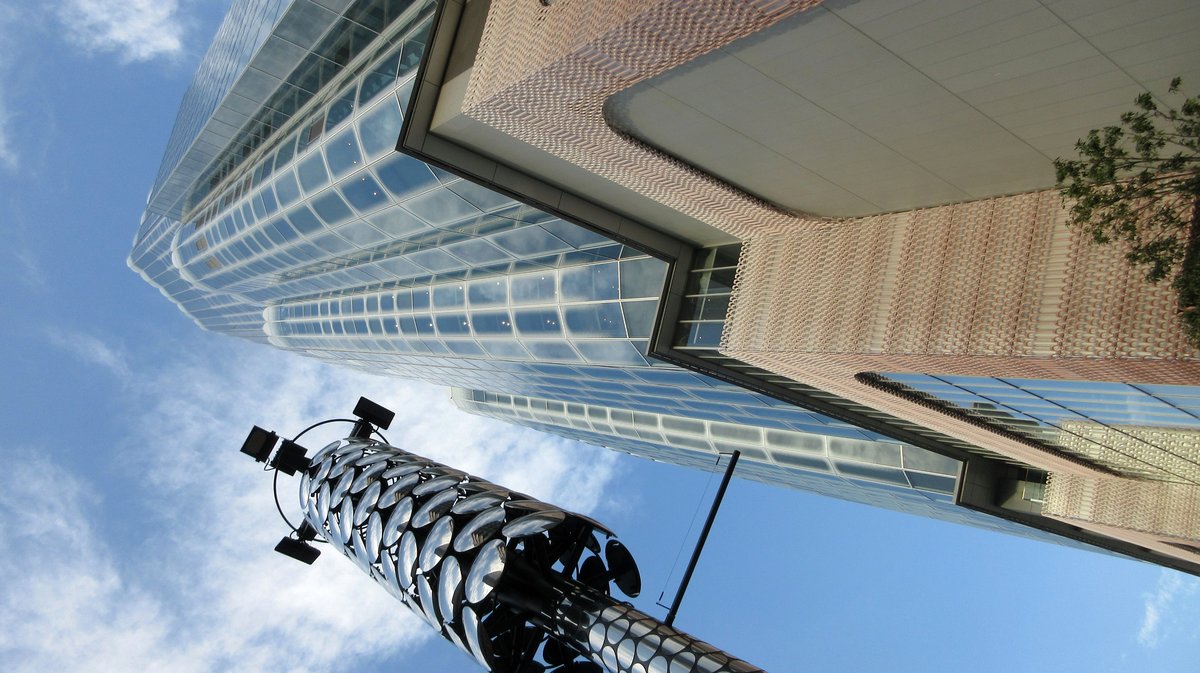
- Façade Over 4,000 glass panels with ceramic-dot and wave patterns, inspired by the Kanigawa River and historic water fountains. These motifs echo Kabukicho’s aquatic past and symbolize the district’s energy and transformation (Parametric Architecture; Japan News).
- Interiors Wave-inspired ceilings, shimmering aluminum features, and art installations by 26 Japanese artists. Notable works include Yusuke Asai’s mural made from local soil and Shinji Ohmaki’s light sculptures, fostering a sense of place and connection to the district (Metropolis Japan).
Construction Timeline
- Demolition of Milano-za Complex Began August 1, 2019
- Construction Completion January 11, 2023
- Opening to Public April 14, 2023
- Site Area 4,603 m²; Total Floor Area: ~87,400 m² (Wikipedia; JW Web Magazine)
Visitor Information
Visiting Hours
- General Tower Access Daily, 10:00 or 11:00 AM to 10:00 or 11:00 PM (varies by venue)
- Observation Deck & Retail 10:00 AM–10:00 PM
- Special Venues Cinemas, theaters, clubs, and some restaurants have independent schedules—always check ahead (Bring You Info; Magical Trip)
Tickets and Reservations
- Free Areas Public spaces, observation deck, and retail
- Ticketed Venues Cinemas, Theater Milano-Za, Zepp Shinjuku (live music hall), ZEROTOKYO (nightlife), and some specialty restaurants
- Purchase At venue box offices or online via the official website. Prices vary by event and attraction.
Getting There
- From Shinjuku Station 5–7-minute walk (JR, Metro, and private lines)
- From Seibu-Shinjuku Station 1 minute
- From Shinjuku-Nishiguchi Station 6 minutes
Multiple train, subway, and bus routes connect directly to Kabukicho (Live Japan).
Accessibility
- Barrier-Free Elevators, ramps, accessible restrooms
- Multilingual Support Signage and staff assistance for international visitors
- Family-Friendly Most areas are accessible to families; some nightlife venues have age restrictions
Nearby Attractions
- Shinjuku Gyoen National Garden Classic Japanese garden, 15-minute walk
- Golden Gai Famous nightlife alleys, short walk
- Samurai Museum Japanese history and armor, nearby
- Omoide Yokocho Retro alleyway with small bars and eateries
Special Events and Tours
- Seasonal Festivals Pop culture collaborations, film festivals, dance battles in Kabukicho Cinecity Plaza
- Guided Tours Available periodically; check official schedule
- Art Exhibitions Rotating displays and immersive experiences in public spaces
Photography Spots
- Observation Deck (17F) Panoramic city views, best at sunset/night
- Façade Lighting Night illumination offers stunning photo opportunities
- Art Installations Document unique artworks throughout public spaces
Entertainment, Dining, and Accommodation
Entertainment Venues
- 109 Cinemas Premium Shinjuku State-of-the-art multiplex (Live Japan)
- Theater Milano-Za Live performances, musicals, and concerts
- Zepp Shinjuku (TOKYO) 1,500-capacity music hall
- ZEROTOKYO Next-generation nightlife and immersive entertainment (Tokyu Kabukicho Tower Official)
- Namco Tokyo Arcade and amusement center (The Tourist Checklist)
Dining and Food Experiences
- Shinjuku Kabuki Hall (2F) Regional Japanese and Asian cuisines (Magical Trip)
- JAM17 Dining & Bar (17F) Dining with city views and outdoor terrace
- Specialty Restaurants Kobe beef, Japanese and international cuisine (advance reservations recommended)
Hotels
- Bellustar Tokyo (39–47F) Luxury hotel with panoramic views, spa, and sky restaurants (Tokyu Kabukicho Tower Official)
- Hotel Groove Shinjuku Stylish lifestyle hotel with direct access to entertainment venues
Art, Culture, and Urban Renewal
Tokyu Kabukicho Tower’s design and programming symbolize Kabukicho’s transformation from a red-light district to a safe, inclusive, and culturally rich destination. Art is integrated throughout the building (curated by ANOMALY and art director Masahiko Haito), with installations that connect the tower to its local context and broader Japanese traditions (Metropolis Japan). Culinary diversity, innovative entertainment, and accessible public spaces highlight the district’s openness to both tradition and new cultural expressions (Parametric Architecture).
Frequently Asked Questions (FAQ)
Q: What are the Tokyu Kabukicho Tower visiting hours?
A: Most public areas are open from 10:00 or 11:00 AM to 10:00 or 11:00 PM; check individual venue hours.
Q: Are there entrance fees?
A: General entry is free; tickets are needed for cinemas, live shows, and select restaurants.
Q: How do I get to Tokyu Kabukicho Tower?
A: Short walk from Shinjuku Station (JR/Metro), Seibu-Shinjuku, or Shinjuku-Nishiguchi Stations.
Q: Is the tower accessible for people with disabilities?
A: Yes, with elevators, ramps, accessible restrooms, and multilingual signage.
Q: Are guided tours available?
A: Offered periodically, especially during special exhibitions or events.
Q: Can I take photos inside?
A: Photography is allowed in most public areas; some venues may restrict photography.
Key Facts and Figures
| Feature | Details |
|---|---|
| Height | 225 meters (738 feet) |
| Floors | 48 above ground, 5 below |
| Total Floor Area | ~87,400 m² |
| Site Area | 4,603 m² |
| Architect | Yuko Nagayama & Associates |
| Developer | Tokyu Corporation, Shimizu Corporation |
| Opening Date | April 14, 2023 |
| Location | 1 Chome-29-1 Kabukicho, Shinjuku City, Tokyo 160-0021 |
Visitor Tips
- Visit on weekdays or early hours to avoid crowds.
- Reserve tickets for specialty dining and shows in advance.
- Download the official Tokyu Kabukicho Tower app for real-time event info, navigation, and promotions.
- Bring a portable Wi-Fi device to access interactive digital maps and guides.
- Check the event calendar for seasonal festivals, pop culture tie-ins, and special exhibitions.
Summary Table of Facilities
| Facility | Floor(s) | Main Features |
|---|---|---|
| Bellustar Tokyo Hotel | 39–47 | Luxury rooms, sky restaurants, spa |
| Hotel Groove Shinjuku | Various | Lifestyle hotel, entertainment access |
| 109 Cinemas Premium Shinjuku | Mid-level | Multiplex cinema, premium seating |
| Theater Milano-Za | 6–8 | Live performances, concerts |
| Zepp Shinjuku (TOKYO) | Basement | Live music hall, 1,500 capacity |
| ZEROTOKYO | Various | Nightlife, immersive events |
| Shinjuku Kabuki Hall | 2 | Food hall, Japanese/Asian cuisines |
| JAM17 Dining & Bar | 17 | Dining, bar, outdoor terrace |
| Namco Tokyo | Various | Arcade games, amusement center |
| Observation Deck | 17 | Panoramic views, outdoor terrace |
| Retail Shops | 1–5 | Souvenirs, crafts, pop culture merchandise |
Discover More
Tokyu Kabukicho Tower is a vibrant symbol of Tokyo’s fusion of heritage and innovation. With its mix of free and ticketed attractions, cutting-edge entertainment, diverse dining, curated art, and accessible design, the tower offers a comprehensive, world-class experience for every traveler. Whether you’re exploring Shinjuku’s history, seeking panoramic city views, or immersing yourself in Japanese pop culture, this landmark is not to be missed.
Plan your visit by checking the latest hours and ticket information on the official Tokyu Kabukicho Tower website. For enhanced experiences, download the Audiala app for guided tours, interactive maps, and real-time event updates. Share your journey on social media and explore our related articles for the best of Shinjuku and Tokyo’s cultural hotspots.