


History of Seisen University
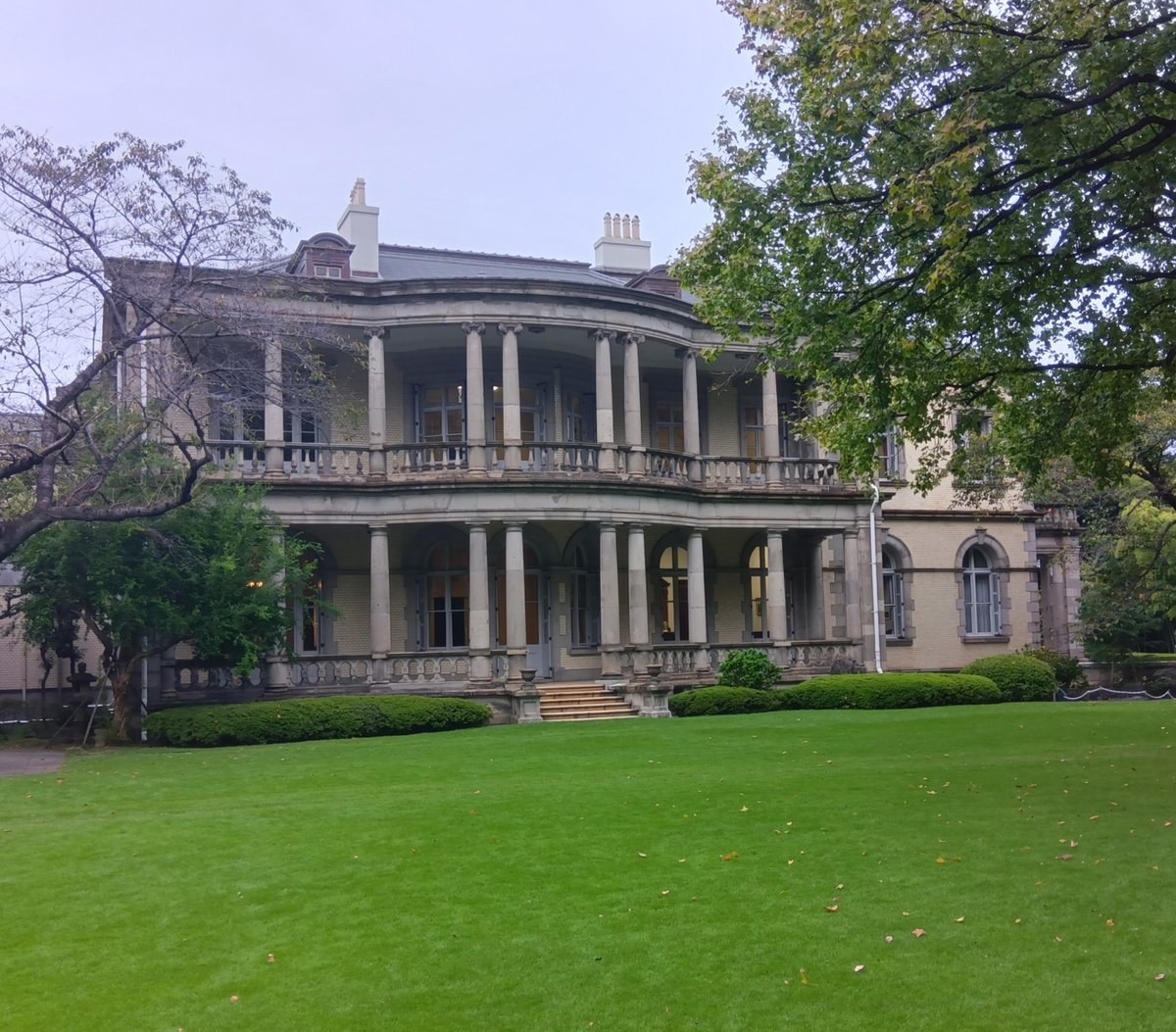
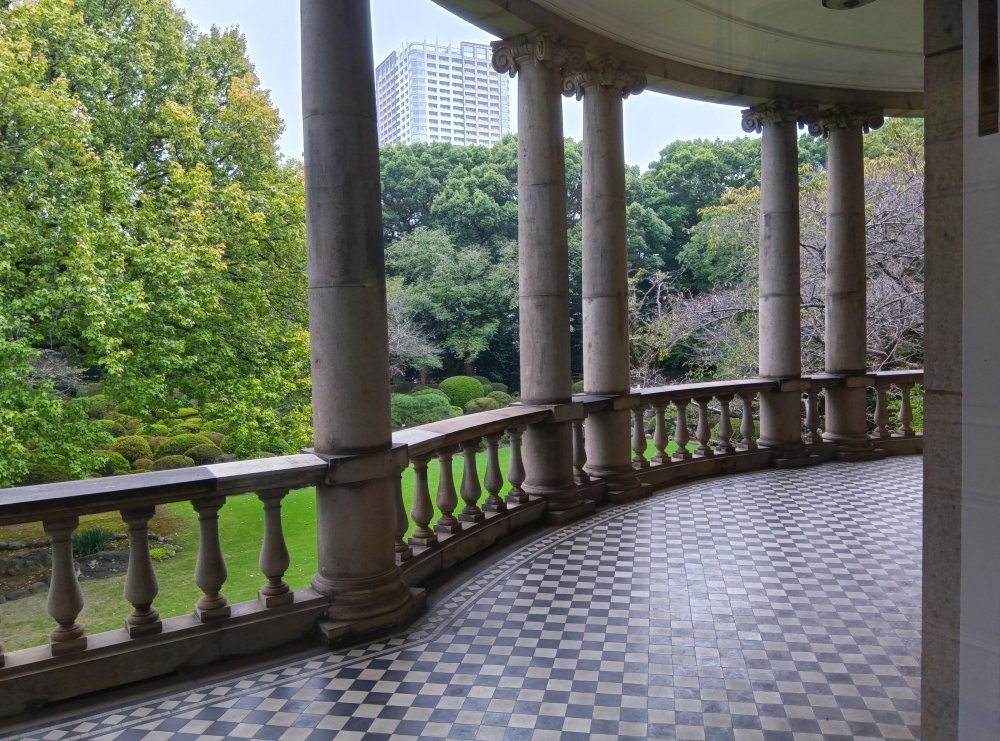
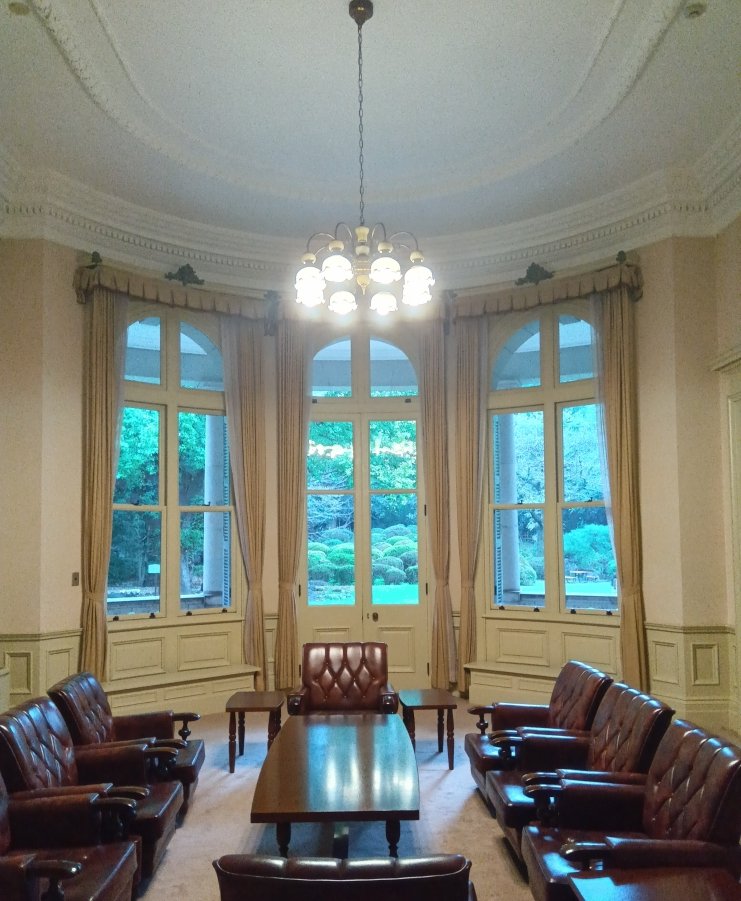
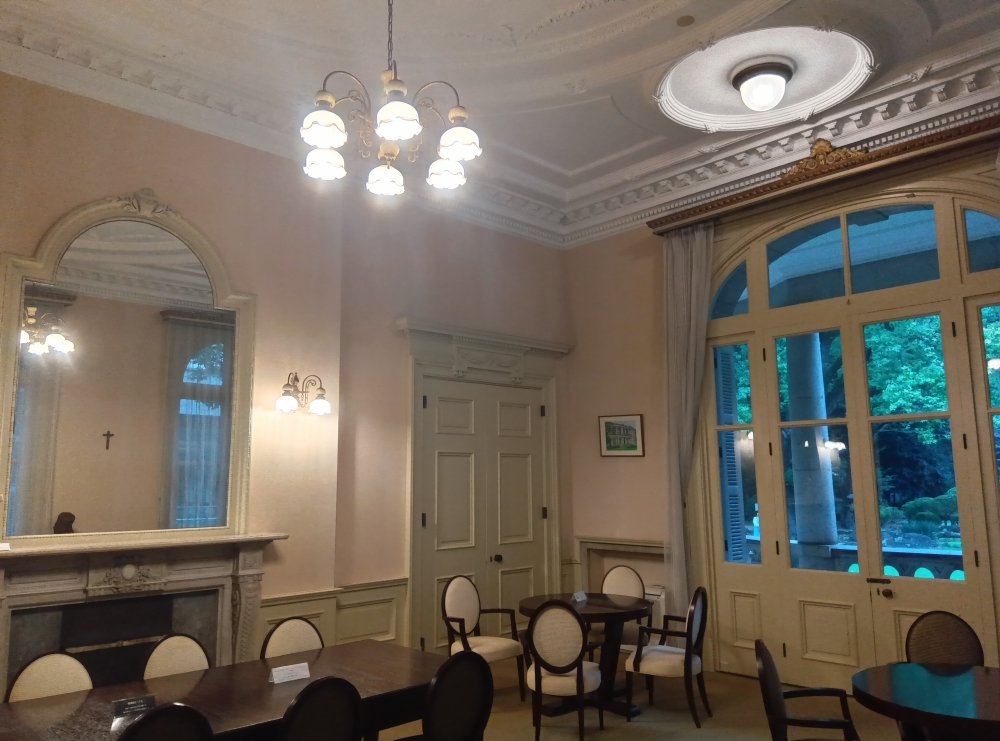
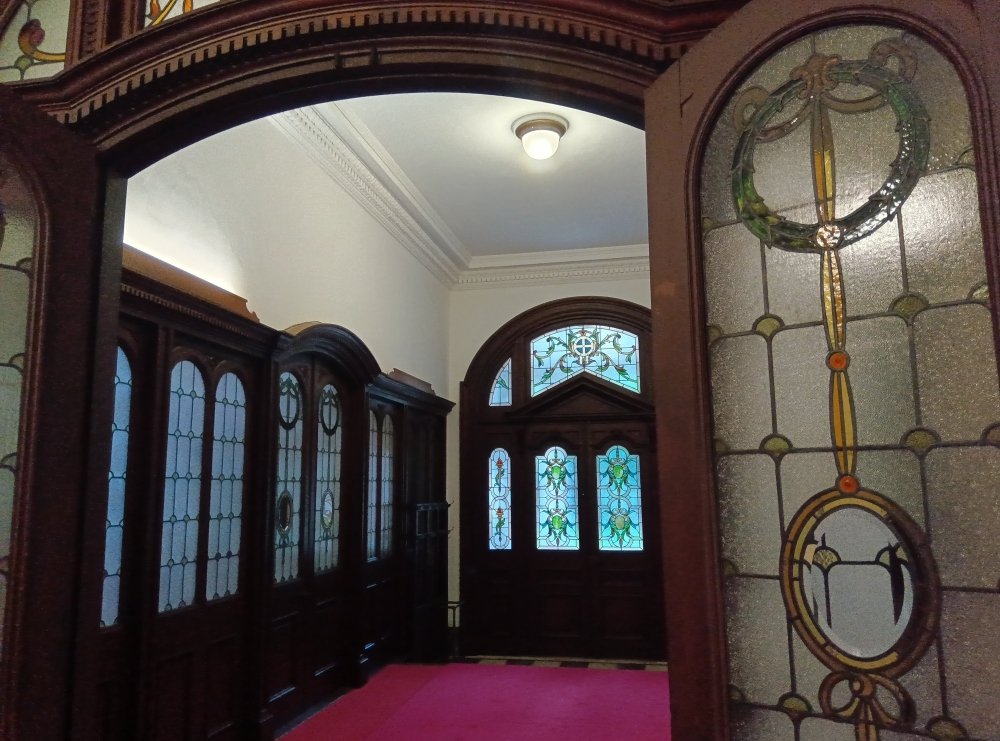
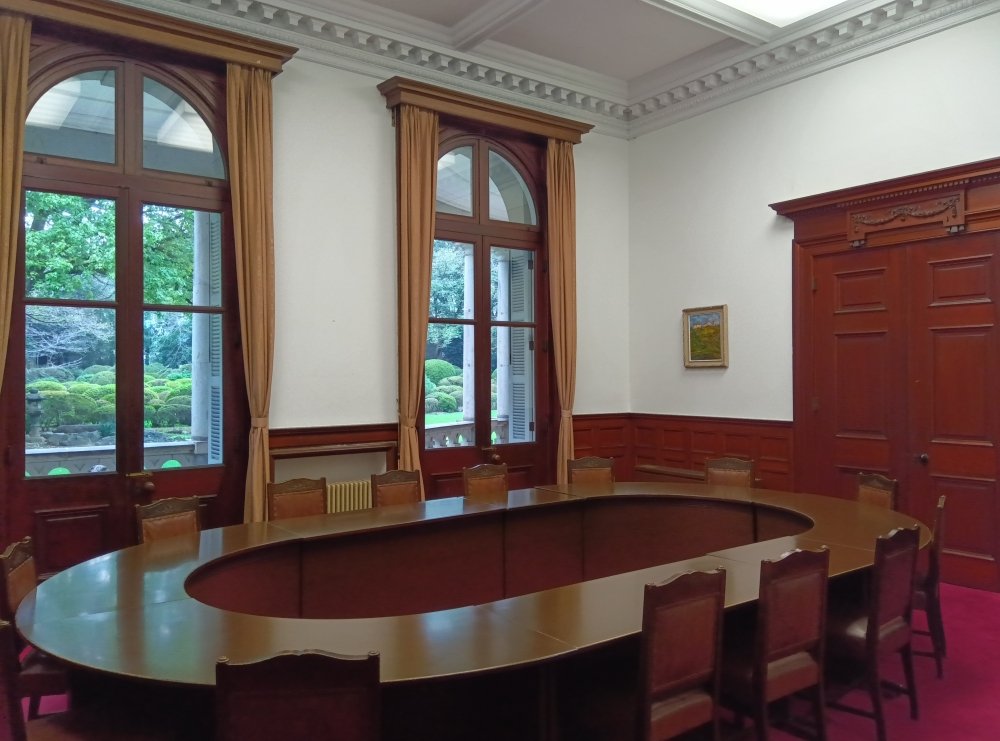
Founded in 1935 by the Handmaids of the Sacred Heart of Jesus, Seisen University began as a pioneering institution for women’s higher education in Japan. The heart of the campus is the former mansion of Prince Shimazu Tadashige, an architectural masterpiece designed by Josiah Conder—renowned as the father of modern Japanese architecture. This Renaissance-style building, with interiors influenced by painter Seiki Kuroda, epitomizes the blend of Western and Japanese design that defines the campus.
Over the decades, Seisen University has maintained its mission of empowering women through education, guided by the motto Veritas et Caritas (Truth and Love). Its historical structures and gardens are now designated as Cultural Properties by the Tokyo Metropolitan Government, underscoring their significance in the city’s heritage.
Practical Visitor Information
Visiting Hours
- Open Monday to Friday, 9:00 AM – 5:00 PM
- Closed Weekends and national holidays (hours may vary during university holidays or special events; always check the official website before visiting).
Admission & Tickets
- Entry Free admission to campus grounds, gardens, and public areas.
- Guided Tours Offered by appointment or during special open campus events. Some tours may require advance reservation; check for details on the university website.
Accessibility
- The campus is wheelchair accessible, with ramps and elevators in the main buildings. Some historical areas may have limited access due to preservation, but staff are available to assist—contact the university in advance for specific needs.
Directions & Getting There
- Address 3-16-21 Higashi Gotanda, Shinagawa-ku, Tokyo, 141-8642
- Nearest Station Gotanda Station (JR Yamanote Line, Toei Asakusa Line), approximately a 10-minute walk
- Additional Access Osaki and Shinagawa stations are also nearby, offering excellent transit connections.
- Parking Limited; public transportation is strongly recommended.
Campus Highlights
Shimazu Mansion & Main Building
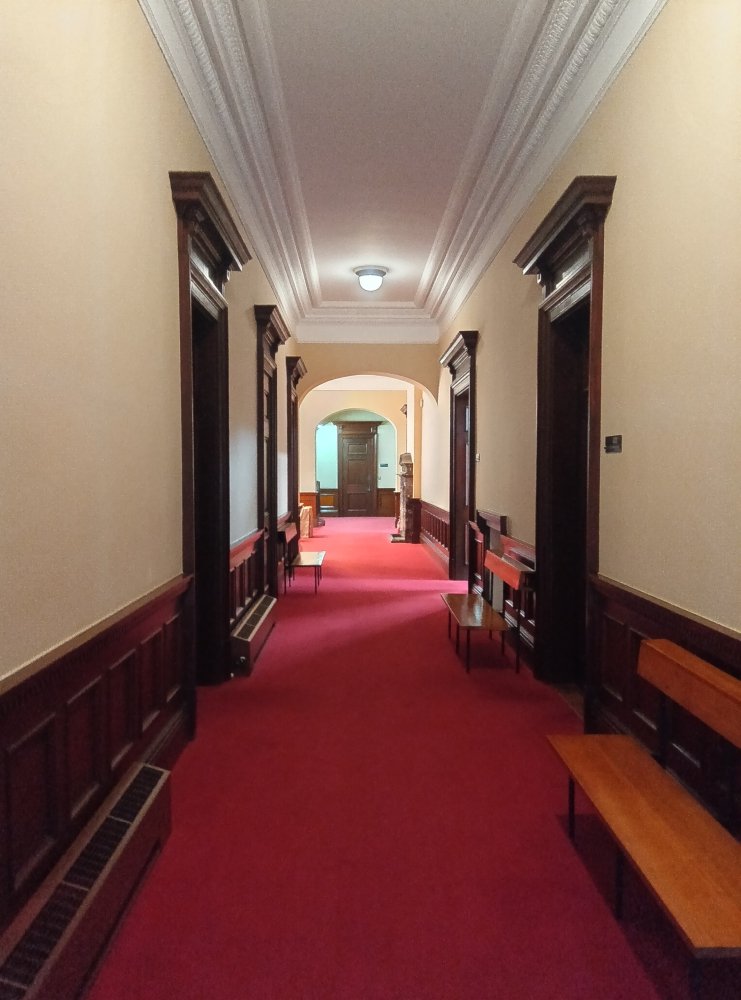
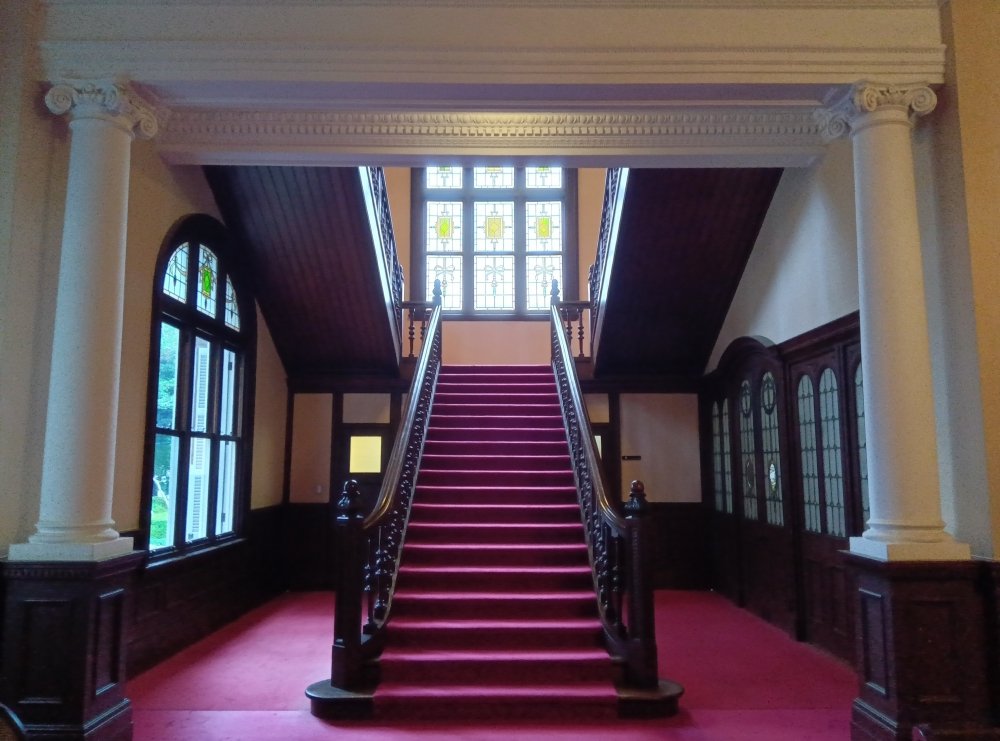
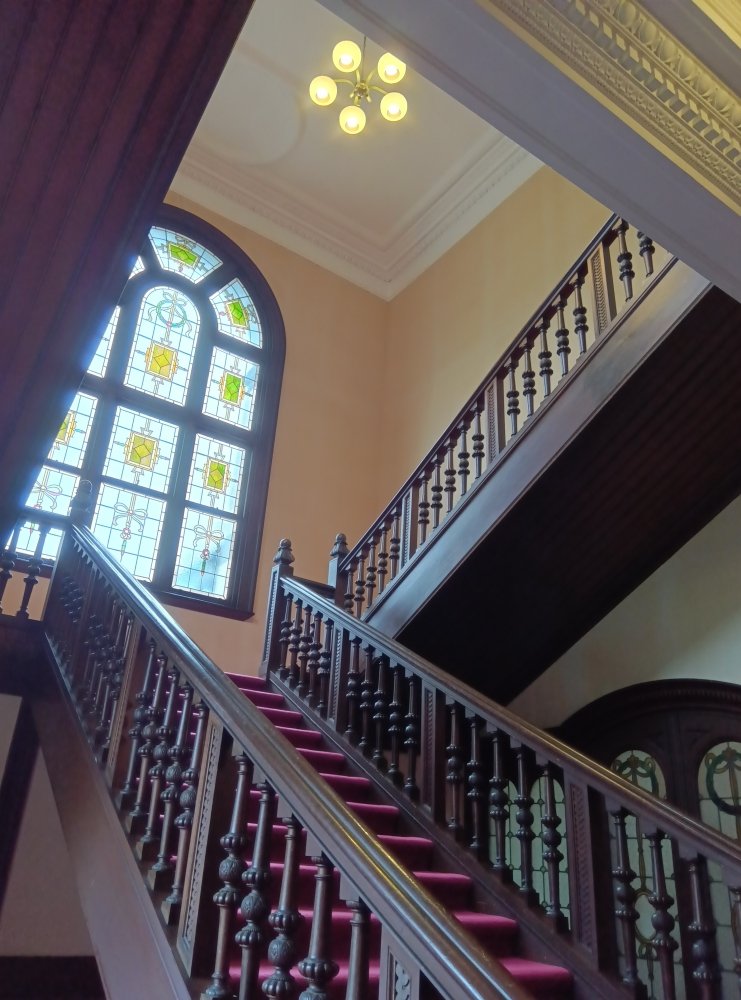
- Architectural Heritage The Renaissance-style main building, designed by Josiah Conder and acquired by Seisen University in 1962, features sculpted fireplaces, ornate stairways, and stained glass windows.
- Cultural Status Designated as a tangible cultural property in 2012, reflecting its architectural and historical importance.
- Public Access The main building is open to visitors during official open days, campus festivals (usually between April and November), and by special arrangement.
Japanese Garden & Seasonal Beauty
- Traditional Garden The meticulously maintained Japanese garden, once part of the Shimazu family estate, features ponds, stone lanterns, and seasonal plantings. Cherry blossoms in spring and colorful foliage in autumn are particular highlights.
- Green Spaces Tree-lined walkways, open lawns, and a renowned 200-year-old Chinese sycamore tree create a peaceful atmosphere throughout the campus.
Notable Trees & Flora
- The campus boasts a variety of mature trees and flowering plants, including azaleas that bloom in late April to early May, inviting visitors to enjoy nature’s changing palette across the seasons.
Campus Life & Events
- Cultural Events Seisen University holds open campus days, festivals, art exhibitions, and lectures that are often open to the public. The alumni association and student clubs also organize events with occasional opportunities for visitor participation.
- Facilities Public restrooms and a campus café are available. Free Wi-Fi is accessible in some areas; inquire at the information desk.
Nearby Attractions & Travel Tips
Nearby Attractions
- Hara Museum of Contemporary Art Modern art exhibitions in a historic setting, a short distance from campus.
- Shinagawa Shrine A traditional shrine ideal for combining local history with your visit.
- Gotanda District Offers a vibrant array of shopping, dining, and entertainment options.
Travel Tips
- Arrive Early Especially on open days or during events to avoid crowds.
- Footwear Wear comfortable shoes for walking on garden paths and uneven terrain.
- Cash & IC Cards Some facilities may only accept cash; Suica or Pasmo cards are convenient for travel and nearby shops.
- Weather Tokyo’s climate can change quickly—carry an umbrella during rainy seasons.
Frequently Asked Questions (FAQ)
Q: What are Seisen University’s visiting hours?
A: Weekdays from 9:00 AM to 5:00 PM, except holidays and exam periods. Check the official website for current hours.
Q: Is there an entrance fee?
A: No, entry to the campus grounds and gardens is free.
Q: Are guided tours available?
A: Yes, by appointment or during special events.
Q: Is the campus accessible for visitors with disabilities?
A: Yes, main areas are accessible; contact the university for specific arrangements.
Q: Can I take photographs on campus?
A: Photography is permitted in outdoor areas. Please ask before photographing people or interior spaces.
Q: How do I reach Seisen University from central Tokyo?
A: Take the JR Yamanote Line or Toei Asakusa Line to Gotanda Station and walk about 10 minutes.
Summary & Visitor Recommendations
Seisen University is an exceptional destination for anyone interested in Tokyo’s architectural history, gardens, and cultural heritage. With its harmonious blend of Renaissance-style buildings, tranquil Japanese gardens, and dedication to women’s education, the campus invites exploration and reflection. Free weekday access, proximity to major transit hubs, and a calendar of cultural events make it easily accessible for both locals and international travelers.
To optimize your visit:
- Always check the official website for up-to-date hours and event details.
- Plan ahead for guided tours or special events if you want deeper insights.
- Download the Audiala app for additional guides, maps, and tips.