

Founding and Development
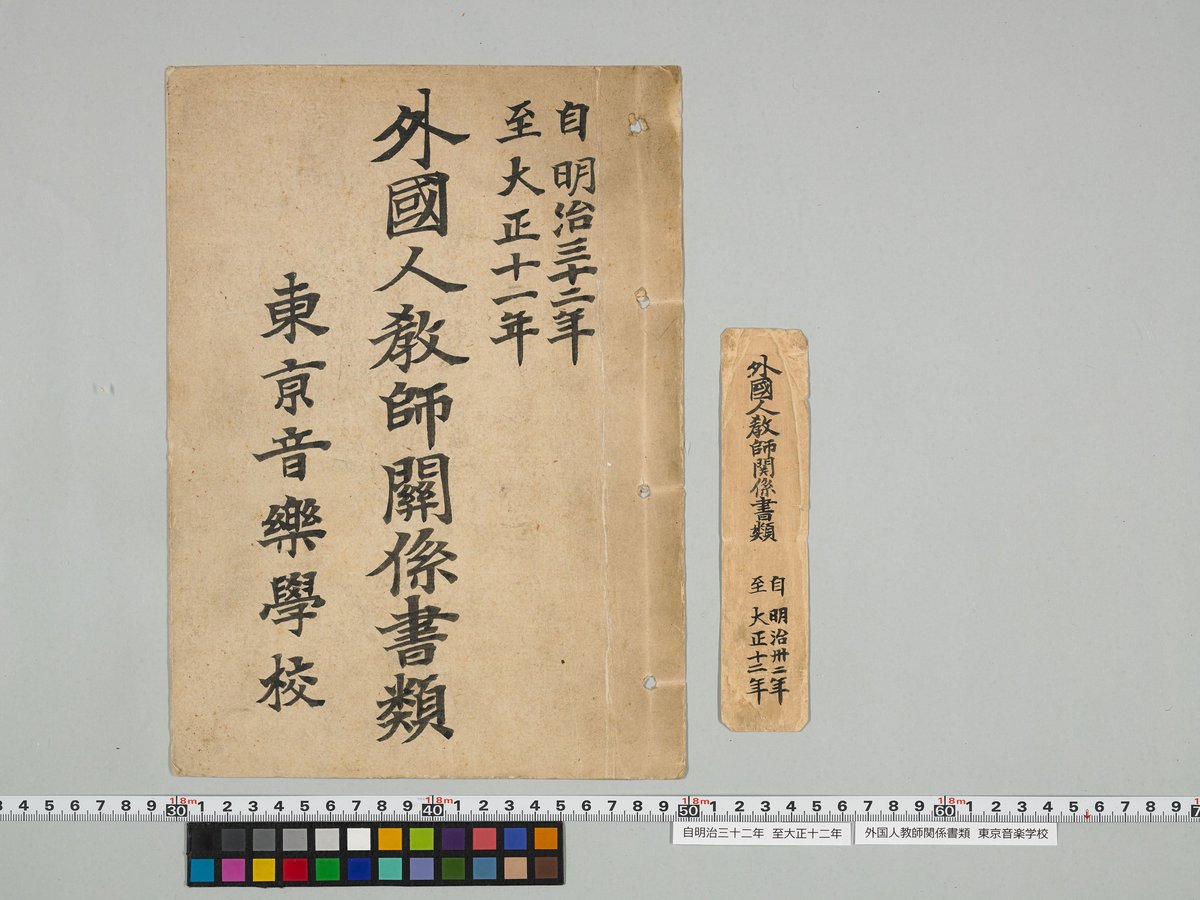
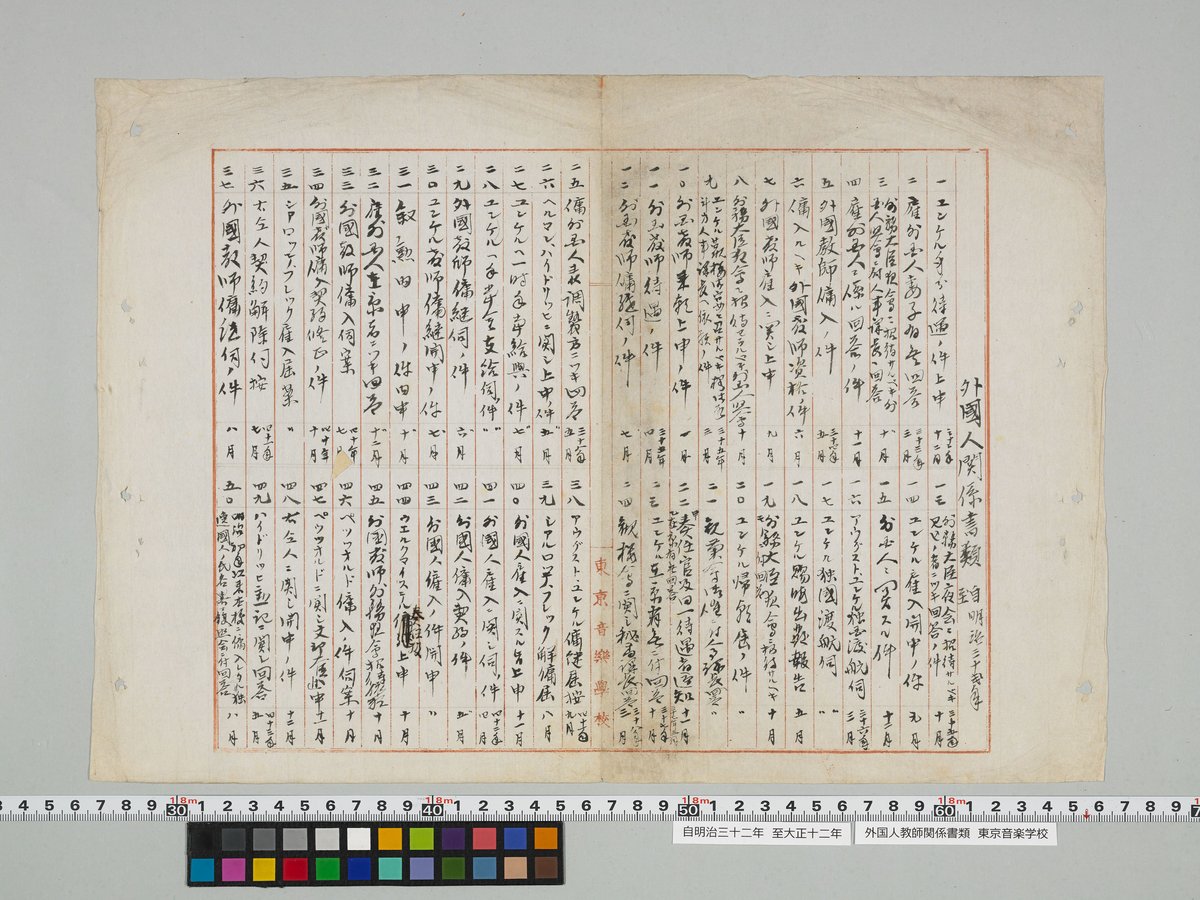
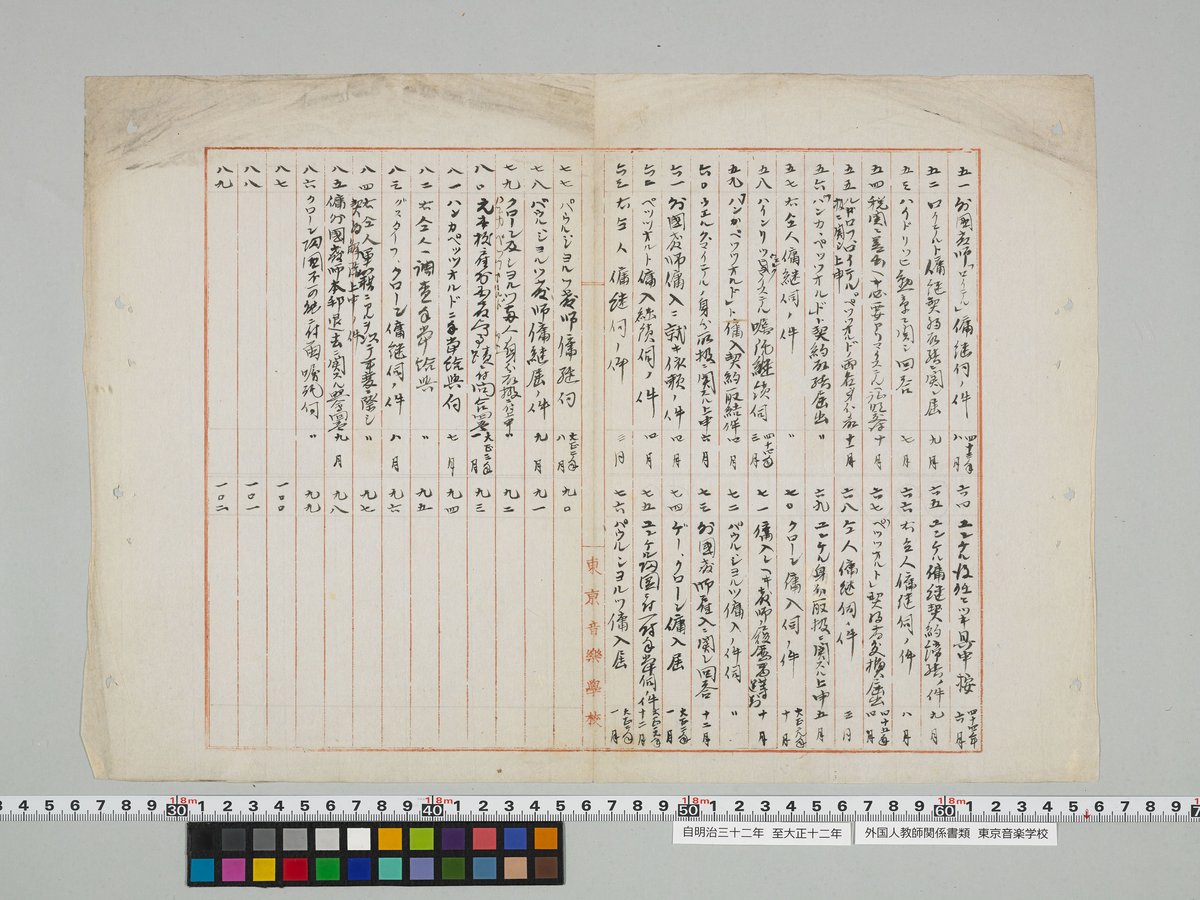
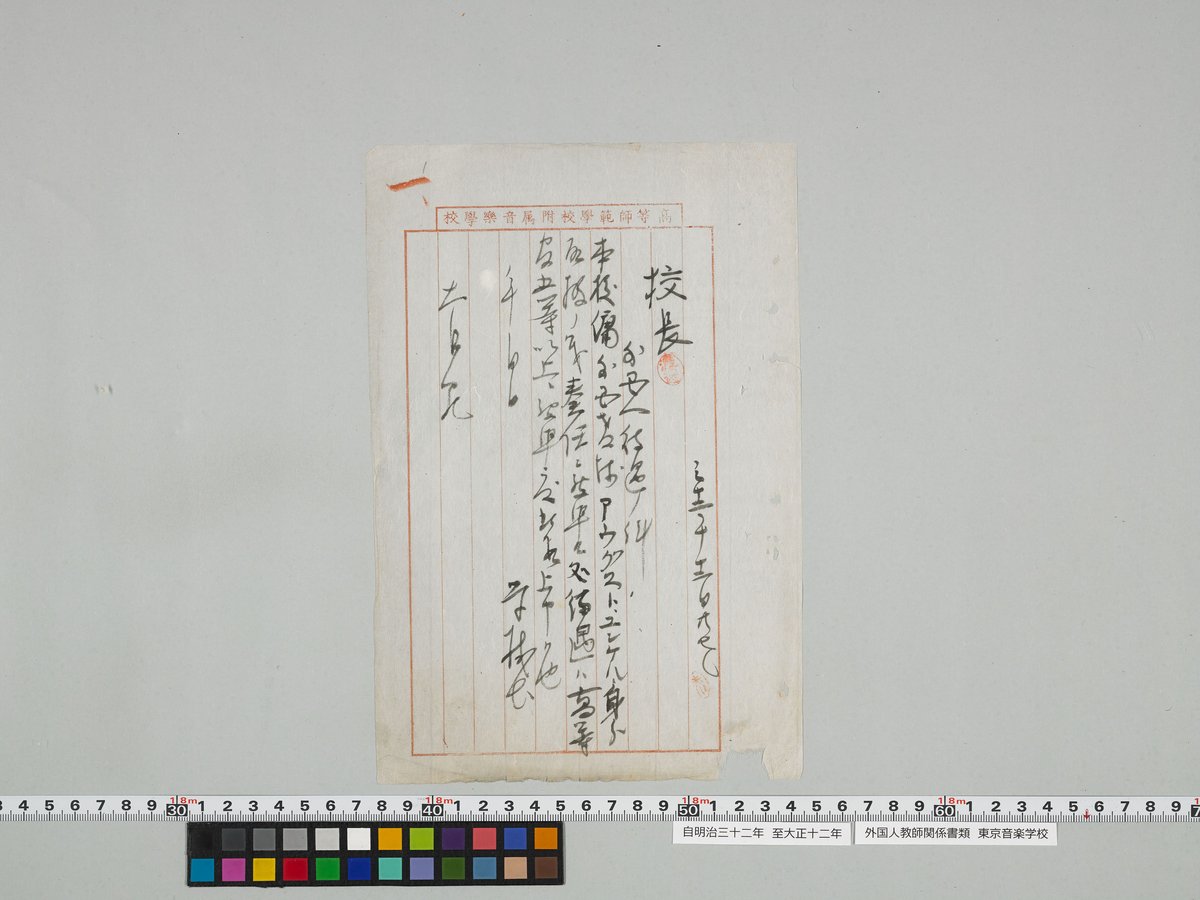
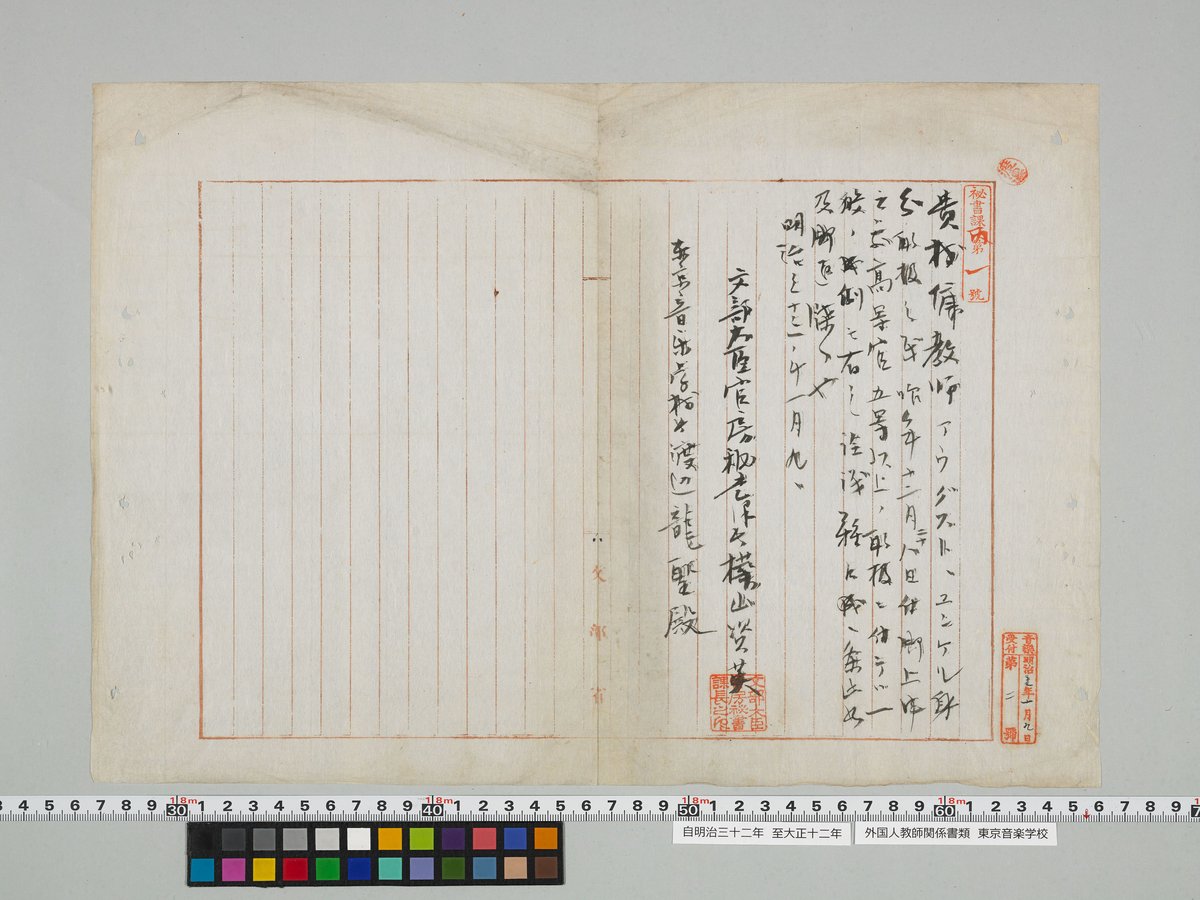
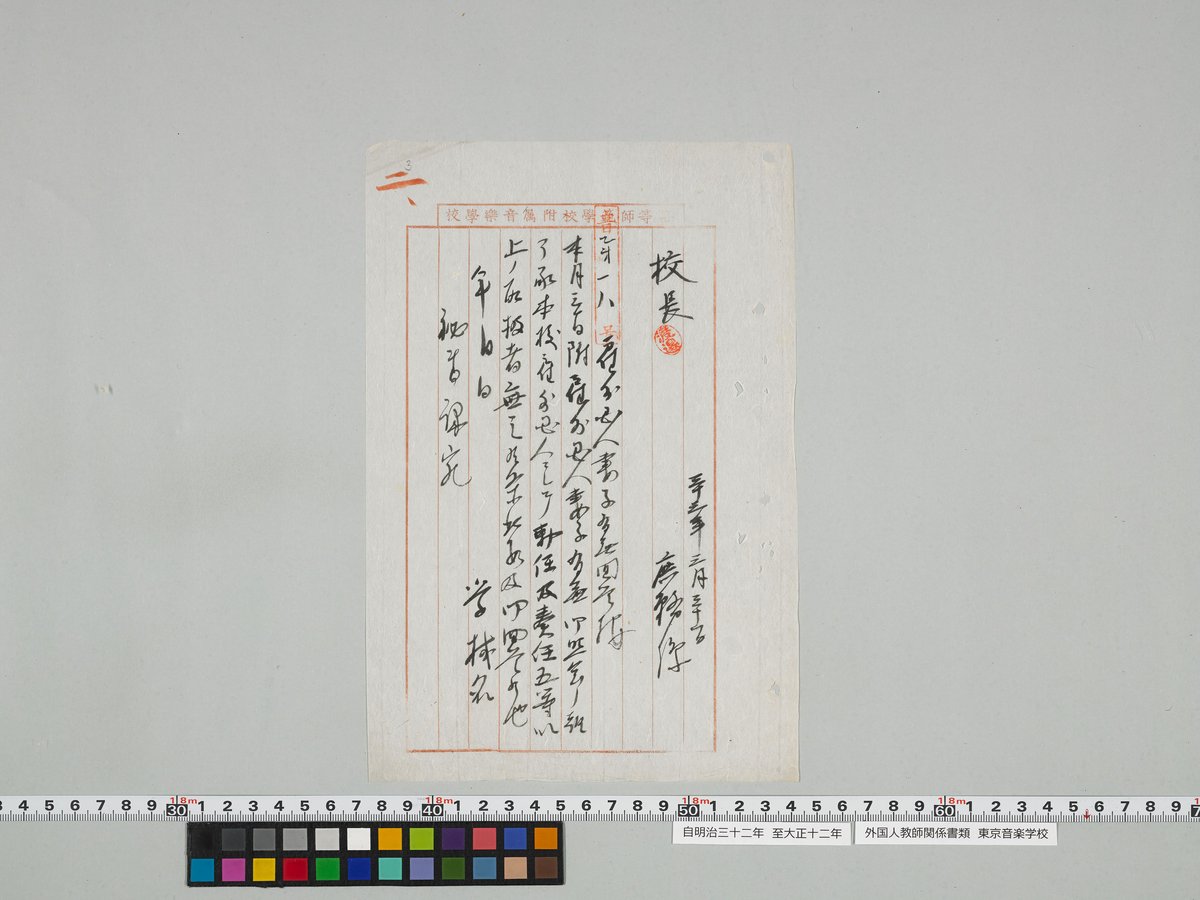
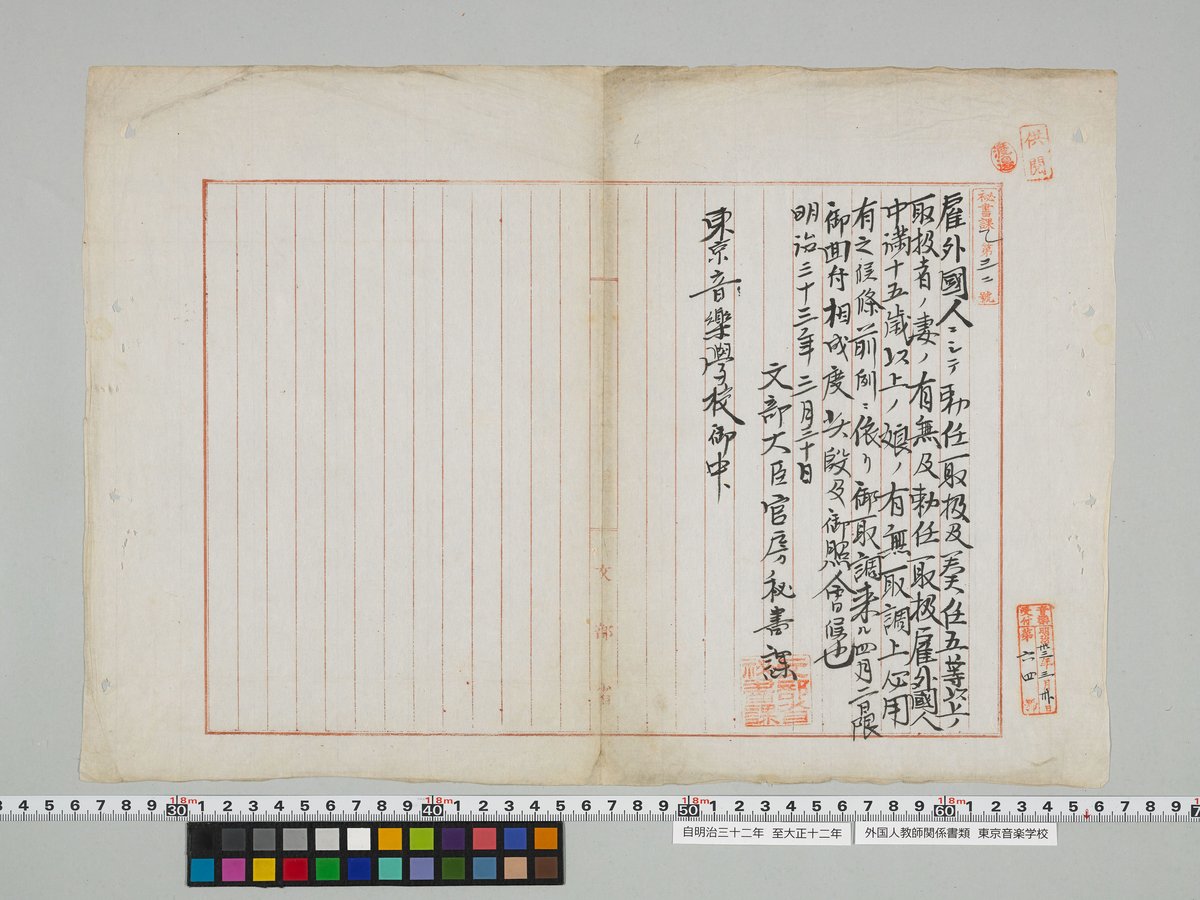
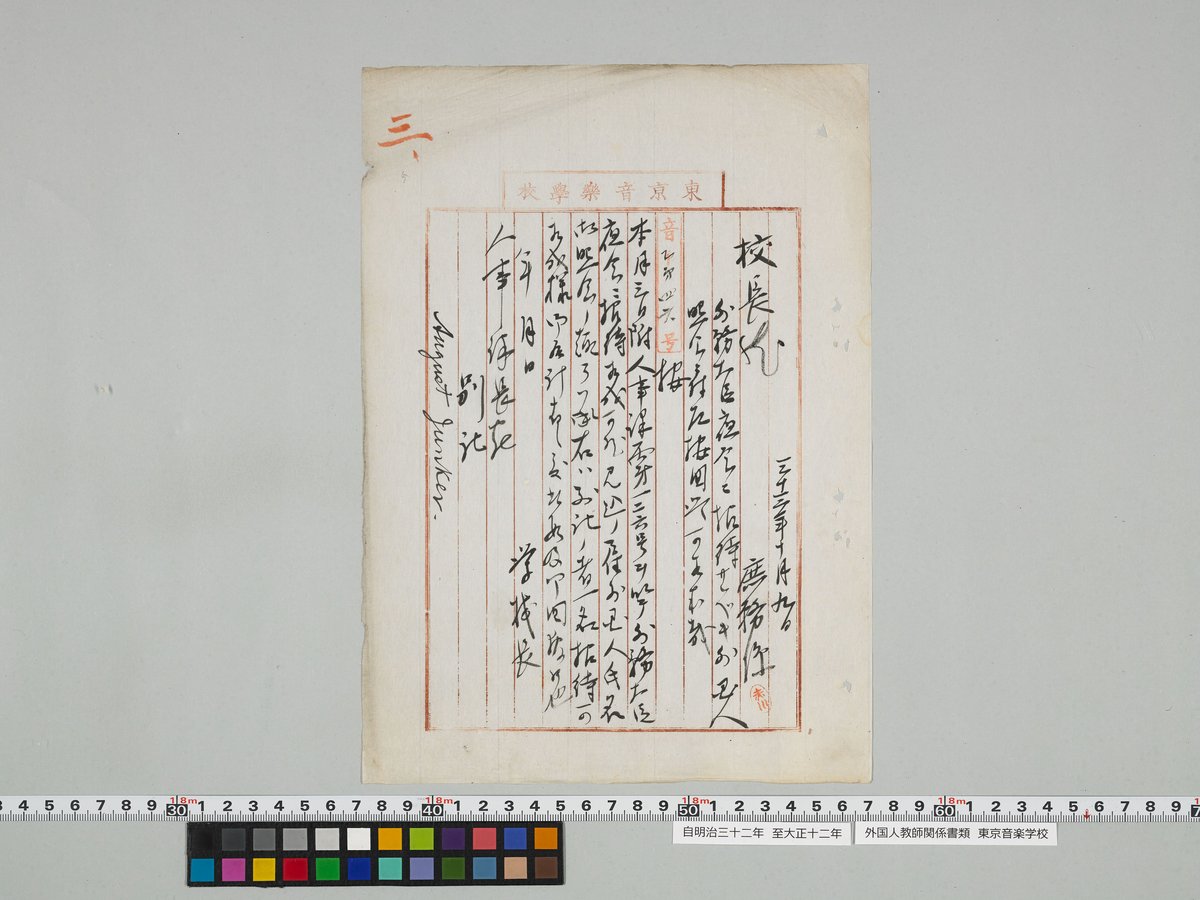
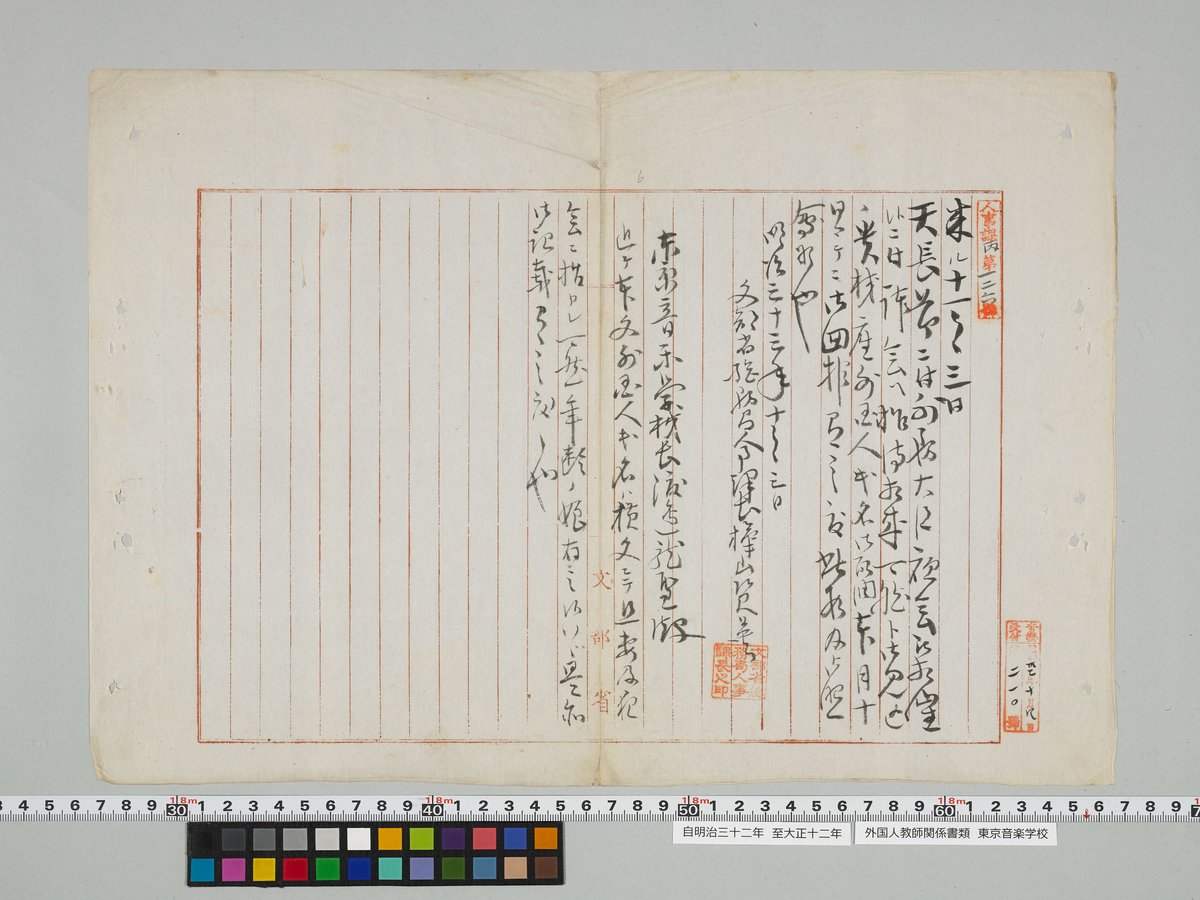
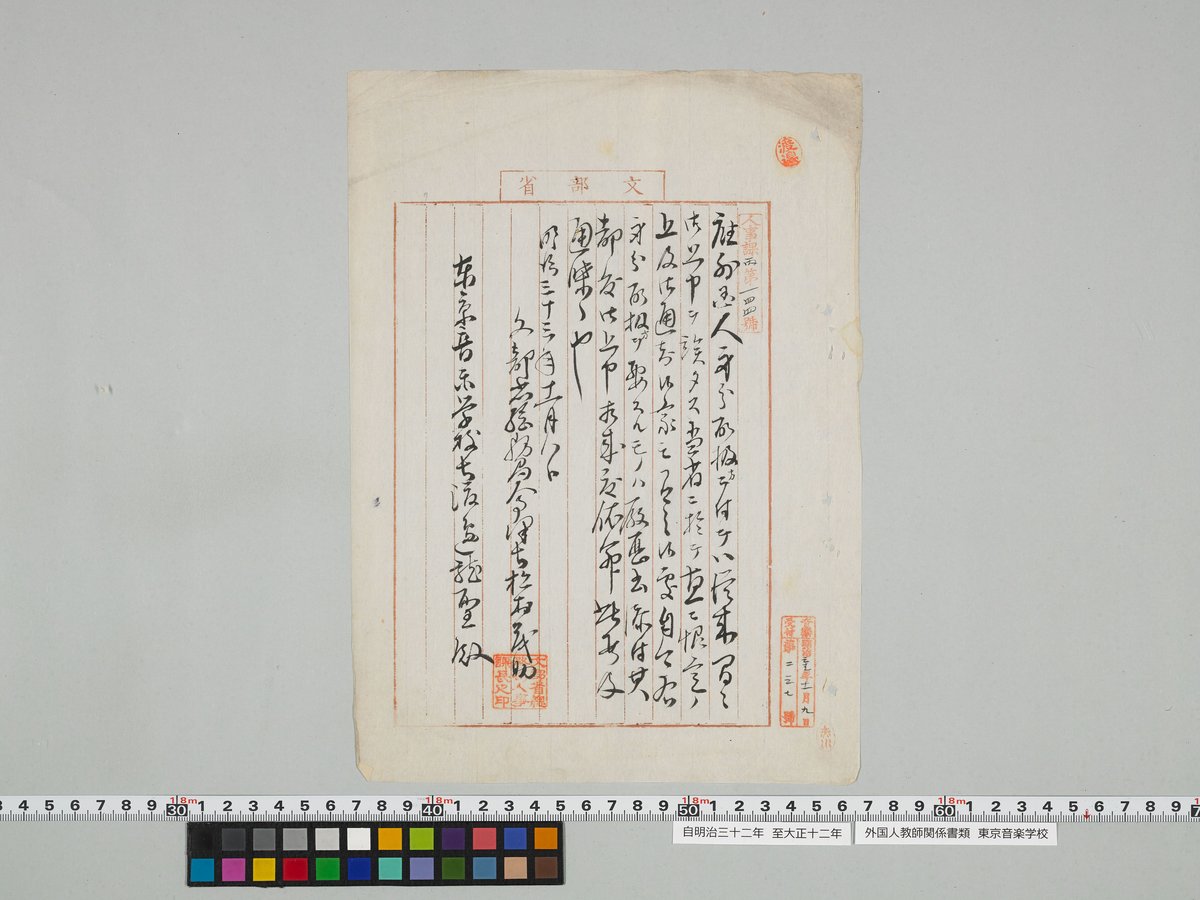
Tokyo University of the Arts was established during the Meiji era as the Tokyo Fine Arts School in 1887, reflecting Japan’s commitment to cultivating artistic talent and safeguarding traditional arts amid Westernization (Japanese College and University Portraits). The postwar merger with the Tokyo Music School in 1949 formed the current university, uniting visual and performing arts under one institution (EduRank).
Academic Structure and Growth
Geidai currently enrolls around 3,289 students across undergraduate and graduate programs. The main Ueno campus is complemented by additional sites in Toride, Bashamichi, Bankokubashi, Motomachi-Chukagai, and Senju. The curriculum spans traditional Japanese painting (nihonga), Western art, sculpture, crafts, design, architecture, music, and performing arts, reflecting both heritage and modern trends (Japanese College and University Portraits).
Cultural and National Importance
As Japan’s leading arts institution, Geidai plays a vital role in nurturing artists and preserving cultural heritage. The University Art Museum houses nearly 30,000 works, including National Treasures and Important Cultural Properties such as the Nara period Illustrated Sutra of Cause and Effect. Alumni include many of Japan’s most influential artists (Wikipedia; Go Tokyo).
Research and Reputation
Tokyo University of the Arts stands out for its interdisciplinary research in fields like neuroscience, cognitive science, and AI, alongside traditional arts studies. It ranks 85th in Japan and 1,371st globally, with a strong record of publications and citations (EduRank; University of Tokyo Focus).
University Art Museum: Hours, Tickets, and Exhibitions
Location: Ueno Park, Tokyo
- Opening Hours 10:00–17:00 (last admission 30 minutes before closing)
- Closed Mondays (or following day if Monday is a national holiday), and during exhibition changeovers
- Tickets Prices vary by exhibition; advance booking recommended for popular events. Check the official museum website for details.
Facilities and Accessibility
- Café and Geidai Art Plaza Purchase works by students and faculty
- Restrooms Accessible facilities throughout campus
- Wheelchair Access Elevators and ramps available
Tours and Special Events
The museum hosts guided tours, artist talks, and workshops. Check the event calendar for the latest offerings (Go Tokyo).
International Collaboration
Geidai fosters global connections through student exchanges, joint research, and international exhibitions. Its alumni are recognized worldwide, and the university acts as a cultural bridge between Japan and the international arts scene (Japanese College and University Portraits).
Visitor Information: Access, Tips, and Attractions
Location and Access
- Address 12-8 Ueno Koen, Taito City, Tokyo
- Transport
- JR Ueno Station 10-minute walk
- Nezu Station (Chiyoda Line) ~10 minutes
- Uguisudani Station (JR) ~10 minutes
- No on-site parking; public transport recommended (Go Tokyo)
Travel Tips
- Best Seasons Spring (cherry blossom) and autumn (foliage) offer mild weather and beautiful scenery (Travellers Worldwide).
- Crowds Visit on weekdays or outside peak tourist seasons for a quieter experience (Rather Be Wandering).
- Photography The campus’s architecture and outdoor artworks provide excellent photo opportunities.
- Nearby Attractions Tokyo National Museum, National Museum of Western Art, Ueno Zoo, and Ameya-Yokocho market.
Frequently Asked Questions
Q: What are the visiting hours for the University Art Museum?
A: 10:00–17:00, closed Mondays (or following day if Monday is a holiday) and during exhibition changeovers.
Q: How much are tickets?
A: Prices vary by exhibition. Check the official website for current information.
Q: Is the museum wheelchair accessible?
A: Yes, elevators and ramps are available.
Q: Are guided tours available?
A: Yes, check the event calendar for schedules.
Q: Can I buy art on campus?
A: The Geidai Art Plaza sells works by students and faculty.
Q: Is there parking?
A: No on-site parking; use public transportation.
Discover More
A visit to Tokyo University of the Arts is a journey through Japan’s artistic heritage, offering access to world-class exhibitions, historic settings, and a vibrant creative atmosphere. Plan your visit by checking current exhibitions and ticket information, and consider exploring the surrounding cultural sites in Ueno Park.
Stay updated:
- Download the Audiala app for cultural recommendations and ticket alerts.
- Follow Geidai and Audiala on social media for latest news and events.
Summary
Tokyo University of the Arts, located in Ueno Park, is a must-visit destination for anyone interested in Japanese art, music, and history. As Japan’s oldest and most prestigious arts university, it offers diverse exhibitions at the University Art Museum, seasonal beauty, and proximity to other significant Tokyo historical sites. The campus is accessible, visitor-friendly, and provides frequent opportunities for cultural engagement. Always consult official resources for up-to-date details on visiting hours and tickets, and enhance your experience with the Audiala app (University Art Museum, Go Tokyo, EduRank).