


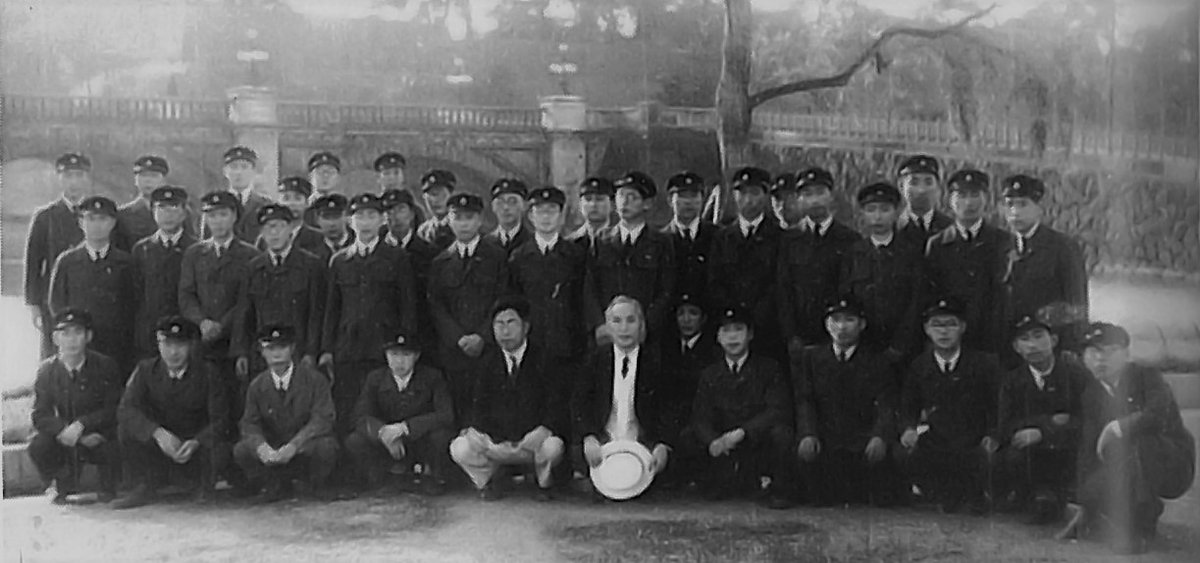
Tamagawa University at a Glance
Established as Tamagawa Academy in 1929, the institution evolved into a comprehensive university by 1947, encompassing all levels from kindergarten through graduate school. Its integrated campus is rare in Japan and now hosts faculties including Education, Humanities, Arts, Business Administration, Tourism, Liberal Arts, Agriculture, and Engineering.
Zenjin (“Whole Person”) Education Philosophy
Central to Tamagawa’s mission is Zenjin education, nurturing not just academic excellence but also the moral, artistic, and physical growth of students. This holistic approach is evident in both the curriculum and the campus environment, fostering graduates who contribute positively to society.
Visiting Tamagawa University
Hours & Access
- Standard Visiting Hours 9:00 AM – 5:00 PM, Monday to Friday (some events extend to weekends)
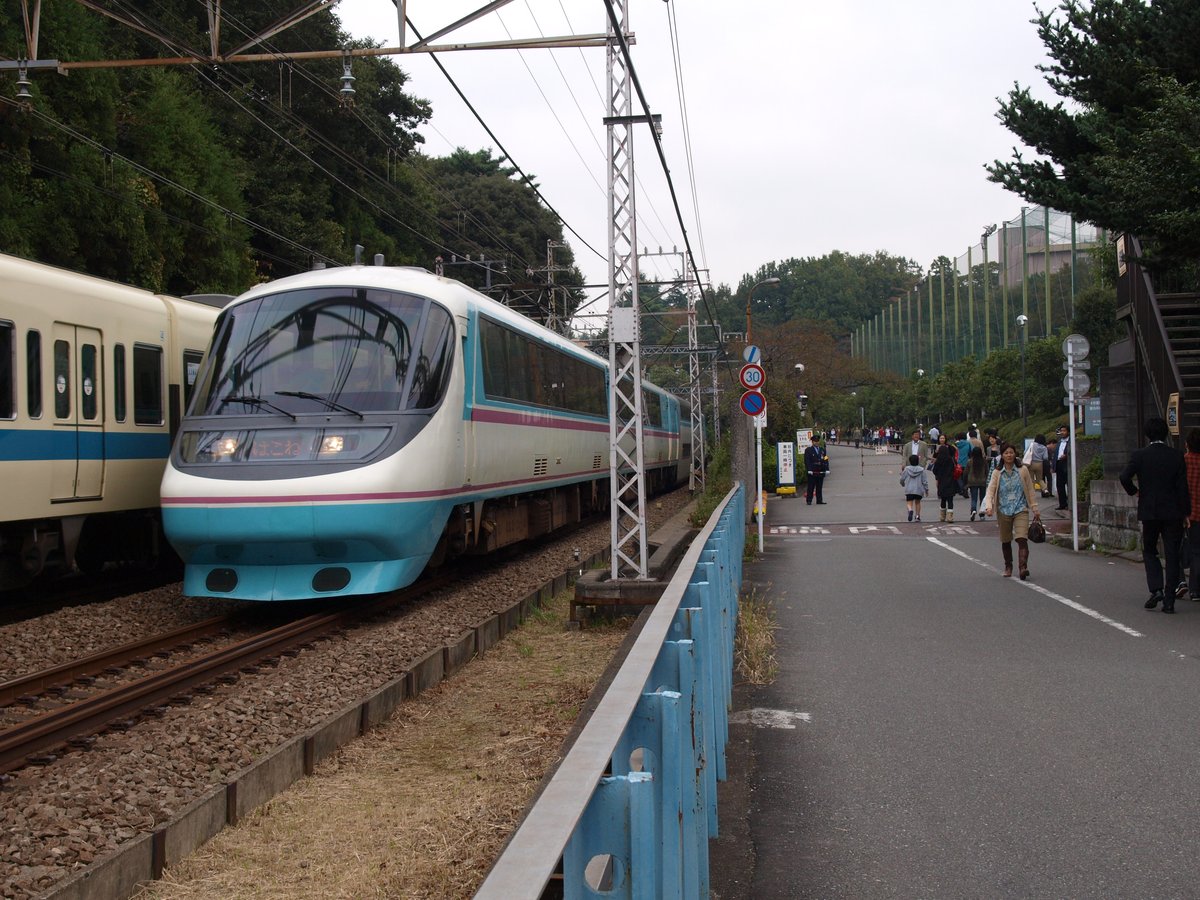
- Location Short walk (approx. 3 min) from Tamagawagakuen-mae Station on the Odakyu Line, directly accessible from Shinjuku Station (JapanRAR)
- Parking Available on campus, but public transit is recommended
Tickets & Tours
- Entry Free general admission to campus grounds
- Guided Tours Available by advance request via the university’s visitor services; group and educational tours offer in-depth insights into history, architecture, and student life
- Events & Performances Some require advance ticket purchase (¥1,500–¥3,000), especially for cultural performances like the Taiko and Dance Troupe (Tamagawa University Official Website)
Campus Accessibility
- Wheelchair-accessible paths, ramps, and restrooms
- Multilingual signage during large events
- Campus maps provided at entrances and online (Tamagawa University Official Site)
Campus Highlights & Attractions
Layout and Atmosphere
Tamagawa’s campus is renowned for its expansive lawns, tree-lined avenues, and carefully maintained gardens. The landscape offers a peaceful retreat, especially during cherry blossom (hanami) and autumn foliage seasons (Tamagawa Nanaimo).
Architectural and Artistic Features
- Modern Academic Buildings Recently built facilities with advanced technology and design
- Traditional Japanese Structures Spaces for ceremonies and cultural activities
- Art Installations Campus-wide displays by students and guest artists
Student and Cultural Venues
- Universe Festival Annual autumn event featuring performances, exhibitions, food stalls, and interactive club activities (JapanRAR)
- Taiko and Dance Troupe Internationally acclaimed group blending traditional drumming and dance with contemporary choreography
- Libraries Architecturally striking and home to extensive collections
- Workshops Hands-on opportunities in calligraphy, tea ceremony, ikebana, and more
Cultural Programs & Events
- Universe Festival (October) Open to the public, with vibrant displays of student creativity and Japanese traditions
- Workshops & Performances Schedule varies; check the official website for current events and registration
- Collaborative Events Joint programs with local schools and Machida cultural institutions
Practical Visitor Information
Getting There
- By Train Odakyu Line to Tamagawagakuen-mae Station (approx. 30 min from Shinjuku)
- By Bus From Aobadai Station, Tokyu Denentoshi Line, take bus to Narakita Danchi stop (17 min) and walk 5 min
- From Airports
- Narita: Narita Express to Shinjuku, then Odakyu Line
- Haneda: Keikyu Line to Shinagawa, JR Yamanote Line to Shinjuku, then Odakyu Line
Visitor Amenities
- Dining Cafeterias and food outlets serving Japanese and international fare
- Souvenir Shops University merchandise and local products
- Restrooms & Wi-Fi Public restrooms and free Wi-Fi at main facilities
Photography
- Outdoor photography is encouraged, especially in spring and autumn
- Please avoid photographing individuals without consent; some indoor areas restrict photography
Seasonal Highlights
- Spring (March–April) Cherry blossoms
- Autumn (October–November) Brilliant foliage
Nearby Attractions in Machida City
- Machida City Museum of Graphic Arts Contemporary and traditional exhibitions
- Machida Squirrel Garden Family-friendly wildlife park
- Serigaya Park Tranquil green space ideal for relaxation
- Shopping & Dining Bustling streets with restaurants and local shops
Tamagawa Monument: History, Access, and Visitor Guide
History & Significance
The Tamagawa Monument honors the region’s river basin, crucial to Tokyo’s historical development and environmental stewardship. It commemorates engineering milestones and community contributions to water management.
Visiting Information
- Hours 9:00 AM – 5:00 PM (closed Mondays and Dec 29–Jan 3)
- Admission Free to the grounds; special exhibitions may require a nominal fee
- Guided Tours Weekends and holidays, advance booking recommended
- Accessibility Paved paths and ramps throughout
- Travel 5-min walk from Tamagawagakuen-mae Station
Amenities
- Restrooms, on-site café, and free Wi-Fi
- Contact: 042-739-8111
Photography & Best Season
- Most photogenic during cherry blossom and autumn foliage
Frequently Asked Questions (FAQ)
Q: Is Tamagawa University open to public visitors?
A: Yes, during regular hours. Some buildings may require advance permission.
Q: Are guided tours available?
A: Yes, by prior arrangement or during major festivals.
Q: Are there entrance fees?
A: General entry is free; some performances and special events require tickets.
Q: Is the campus accessible for wheelchair users?
A: Yes, with ramps, elevators, and accessible restrooms.
Q: What are the best times to visit?
A: Spring for cherry blossoms and autumn for foliage; also during major festivals.
Q: How do I get tickets for performances?
A: Online via the official website or at event venues.
Summary
Tamagawa University is much more than an academic institution—it is a vibrant cultural hub and serene retreat, harmoniously blending tradition, innovation, and natural beauty. With free campus access, engaging cultural events, and proximity to Machida’s historic sites, it is an enriching destination for visitors of all backgrounds. For the latest visitor information, events, and travel tips, consult the official university and city tourism websites and consider using the Audiala app for enhanced navigation and personalized recommendations.