
What Tokyo Woman’s Christian University Is
Tokyo Woman’s Christian University (TWCU), at 2-6-1 Zenpukuji, Suginami-ku, Tokyo 167-8585, Japan, is an institution of women’s higher education and a site of cultural and architectural heritage. Founded in 1918, it is associated with women’s empowerment, Christian values, ethical leadership, social responsibility, cultural exchange, and gender equality. Its garden-filled campus combines historical buildings and modern facilities.
History
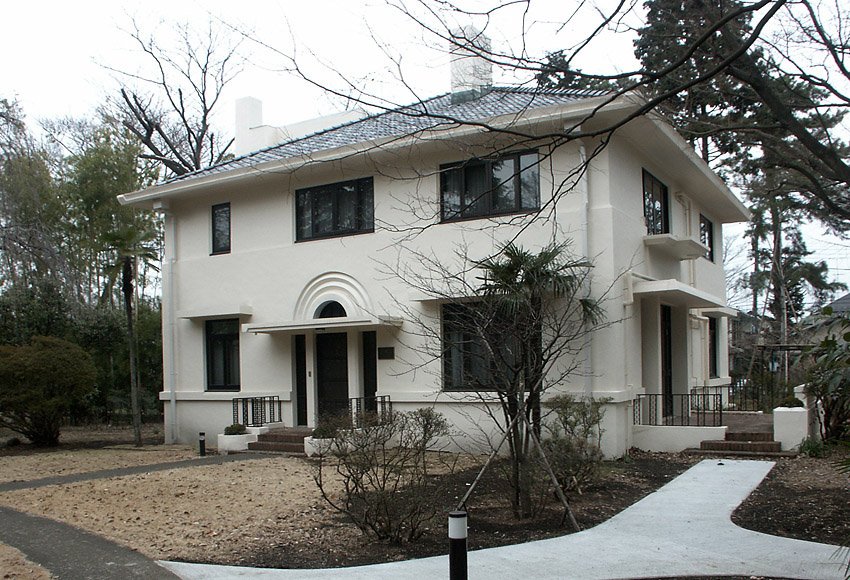
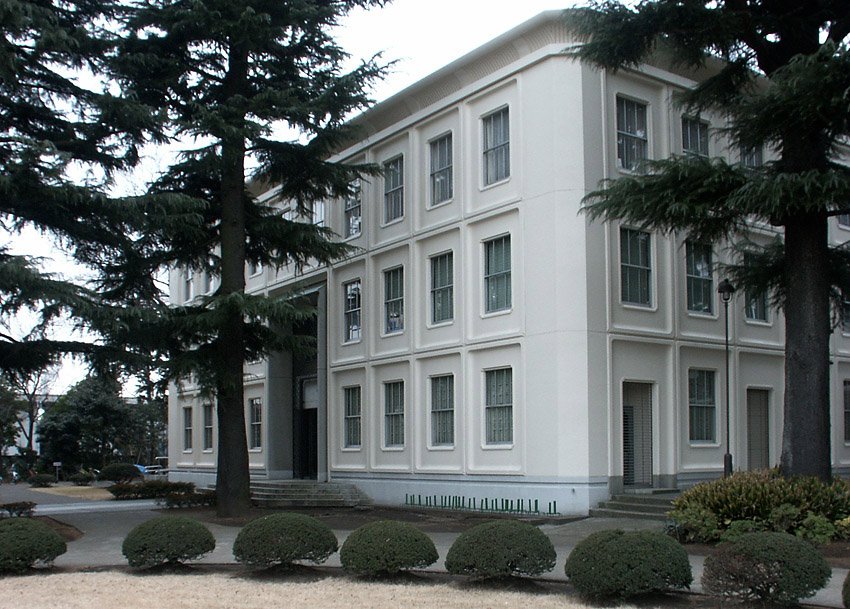
TWCU’s history reflects the development of women’s education in Japan. Seven campus buildings are registered as Tangible Cultural Properties. The university’s Nitobe Historical Center presents exhibits about its foundation and legacy; a University Museum also chronicles TWCU’s heritage.
What to See
Main Building and Architecture
Designed by Antonin Raymond, the Main Building dates to 1928. Its red-brick facade and clock tower combine Western modernism with Japanese sensibilities, making it an architectural and symbolic heart of the university.
Campus, Chapel, and Grounds
The campus has gardens with seasonal cherry, plum, and dogwood blooms, as well as pine and woodland areas where visitors may spot raccoon dogs or native birds. Cherry blossom season offers hanami opportunities around the Main Building. Art installations and historical architecture add to the campus’s visual appeal.
The chapel has stained-glass windows and festive events at Christmas. The grounds also provide places for walking, reflection, and photography.
Practical Visiting Information
Hours, Admission, and Tours
TWCU welcomes visitors on weekdays, 9:00 AM–5:00 PM. Weekend access is limited and generally available for special events; access may vary during events throughout the year.
General campus entry is free. Special exhibitions may require an admission fee, and some events, tours, or exhibitions may require tickets, registration, or advance booking. Guided tours of historic buildings and gardens are available by reservation, by appointment, or during special events. Check the TWCU Official Visitor Information, TWCU Campus Tours and Events, or official TWCU website for current hours, holidays, event schedules, and arrangements.
The university hosts the annual VERA Festival, public festivals, open campus days, lectures, exhibitions, concerts, art and music events, and international theatrical performances. Some events require registration or tickets.
Getting There
The university is near Kugayama and Nishi-Ogikubo stations on the JR Chuo Line, each about a 10–12 minute walk from campus. Another access description gives Nishi-Ogikubo Station on the JR Chuo Line as a 12-minute walk and identifies it as the closest station. Buses from Kichijoji and Ogikubo also provide access. An IC card such as Suica or Pasmo is recommended for travel (Go Tokyo).
An additional location description lists Musashi-Koganei and Higashi-Koganei stations as access points. On-campus parking is limited, so public transportation is recommended.
Accessibility and Facilities
Ramps and elevators provide access in principal areas and newer buildings, and assistance is available at the visitor information desk. Some historical structures may not be fully accessible. Visitors needing assistance or detailed accessibility information are advised to contact the university in advance.
Restrooms and cafés are available during university hours.
Language, Safety, and Campus Guidelines
English signage is available in main areas, and key information is provided in English. Most staff speak Japanese, though staff can assist international visitors. Translation apps may help with communication; Tokyo Tourist Information Centers offer multilingual assistance (Go Tokyo).
Emergency numbers are 110 for police and 119 for fire or ambulance. Emergency procedures are posted in public buildings (Meet the Cities).
Respect restricted areas, particularly during classes or exams, and maintain a quiet demeanor. Outdoor photography is permitted; photography in public areas is also permitted. Follow signage, avoid disrupting university activities, and seek permission before photographing people, interiors, events, or classrooms. Smoking is permitted only in designated areas. The university encourages recycling and waste reduction; use the provided bins.
Tips and Seasonal Considerations
Visiting early can help avoid crowds. Check hours, event schedules, and photography restrictions before visiting, and dress modestly.
- Spring Cherry blossoms and hanami around the Main Building.
- Summer Hot and humid.
- Autumn Pleasant weather and colorful foliage.
- Winter Mild cold and occasional snow; the chapel has festive events.
Monthly weather information is available on Wanderlog.
Nearby Places
Zenpuku-ji Temple and Zenpukuji Park are in Suginami. The surrounding area also has traditional shopping streets, botanical gardens, and meditation spaces.
Kichijoji offers shopping, dining, cafés, art experiences, and Inokashira Park. Nishi-Ogikubo also has cafés, shopping, dining, and art experiences. Mitaka offers the Ghibli Museum and scenic walks (Wanderlog).
Other listed nearby destinations are International Christian University, Tsuda University, Koganei Park, and the Edo-Tokyo Open Air Architectural Museum. See Suginami Ward Tourism for area information.
FAQ
Are guided tours available?
Yes. Tours of historic buildings and gardens are available by reservation or appointment, and tours may also be offered during special events. Check the university website for details.
Do I need a ticket to visit TWCU?
General campus access is free. Some special exhibitions, tours, or events may require a fee, ticket, registration, or advance booking.
Can I visit on weekends or year-round?
Weekend access is limited and generally tied to special events. The campus is generally open year-round, but access may vary during events.
Is the campus wheelchair accessible?
Ramps and elevators serve principal areas and newer buildings, but some historical structures may not be fully accessible. Contact the university about specific needs.
Can I take photographs?
Outdoor photography and photography in public areas are permitted. Follow signage and seek permission for people, interiors, events, and classrooms.
Is information available in English?
Key information and signage in main areas are available in English. Most staff speak Japanese, though staff can assist international visitors.
How do I get there by public transport?
Access descriptions list Kugayama and Nishi-Ogikubo stations, with Nishi-Ogikubo also described as a 12-minute walk away. Musashi-Koganei and Higashi-Koganei are also listed. Buses run from Kichijoji and Ogikubo.
Is parking available?
On-campus parking is limited; public transportation is recommended.
Are restrooms and cafés available?
Yes, during university hours.
When is a good time to visit?
Spring and autumn are especially noted for cherry blossoms and colorful foliage.
Useful Links
- TWCU Official Visitor Information
- TWCU Campus Tours and Events
- Go Tokyo
- Tokyo Woman’s Christian University Official Site
- TWCU Visitor Information
- Suginami Ward Tourism
- Meet the Cities
- Wanderlog
- TWCU Official International Page
- official website
- Audiala App
- Top Historical Sites in Tokyo
- How to Use Tokyo’s IC Cards
References: