
Historical Background
Road Development and Urban Growth
Japan’s prefectural and metropolitan roads, such as Route 55, were strategically developed during the mid-20th century, responding to population shifts and economic expansion in the Tokyo metropolitan area (Wikipedia: Prefectural roads in Japan). The creation of Route 55 was instrumental in accommodating suburbanization, allowing Tokyo’s workforce to settle in Saitama while maintaining efficient transit connections (Namu Wiki).
General Description
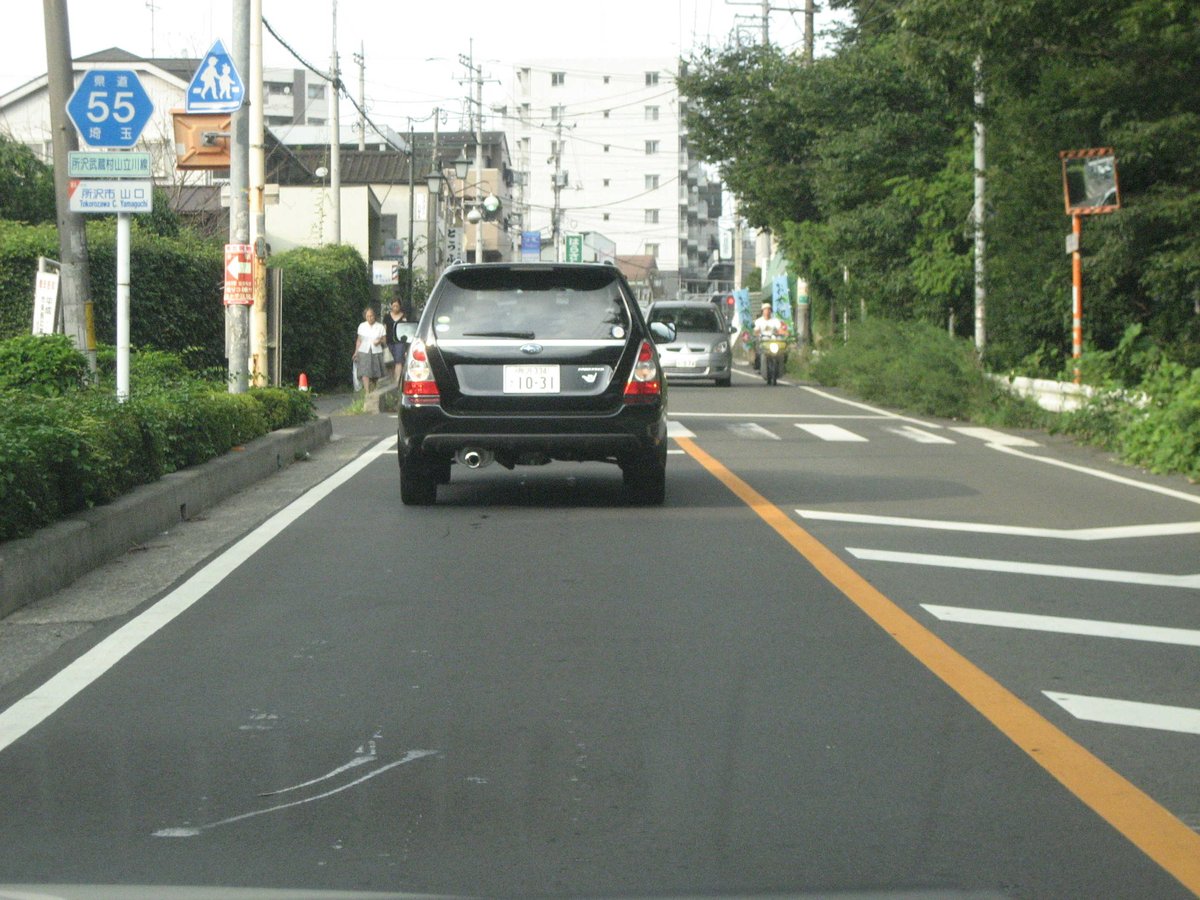
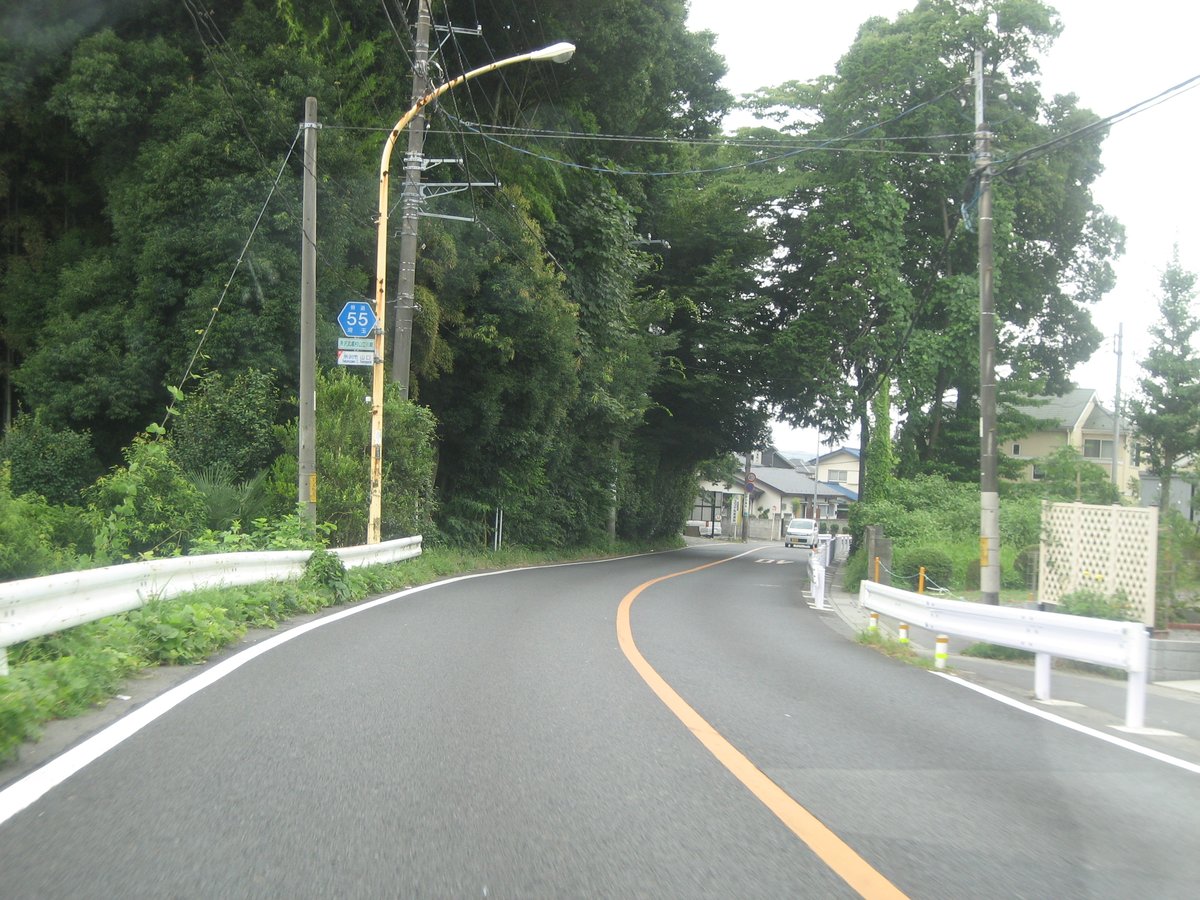
Route 55 traverses Tokyo’s Kita and Itabashi wards and Saitama’s Toda, Warabi, and Kawaguchi cities. The road typically features two to four lanes, with infrastructure adapting to urban density and integrating with expressways, local streets, and public transportation (Namu Wiki).
Connectivity
- Rail Access JR Saikyo Line, Tobu Tojo Line, and Shinkansen connect Tokyo and Saitama efficiently (Japan Guide).
- Expressways Connections to Tokyo Gaikan Expressway and other major routes (Japan Travel Navitime).
- Bus Networks Local and intercity buses supplement rail services.
Road Features
- Consistent, multilingual signage
- Pedestrian sidewalks and crossings
- Cycling lanes in key areas
- Accessibility features for travelers with disabilities
Major Destinations & Attractions
Kawagoe (“Little Edo”)
- Overview Preserved Edo-period streets, clay-walled warehouses, and the iconic Toki no Kane bell tower.
- Visiting Hours Most shops/museums, 9:00 AM–5:00 PM.
- Tickets Entry to museums 300–500 yen (Matcha-JP), main outdoor sites are free.
- Highlight Kawagoe Festival in October, Wind Chime Festival (July–September) at Hikawa Shrine (Japan Guide).
Omiya
- Omiya Bonsai Village Famous nurseries and Bonsai Art Museum (9:30 AM–5:00 PM, closed Mondays; admission 300 yen).
- Railway Museum Interactive exhibits, simulators, and historic trains (10:00 AM–6:00 PM, closed Tuesdays; tickets 1,100 yen adults, 550 yen children).
Sayama Hills (Totoro Forest)
- Overview Lush hiking trails and “My Neighbor Totoro” inspiration (Japan Wonder Travel).
- Kurosuke’s House Open select days; check online before visiting.
Tokorozawa
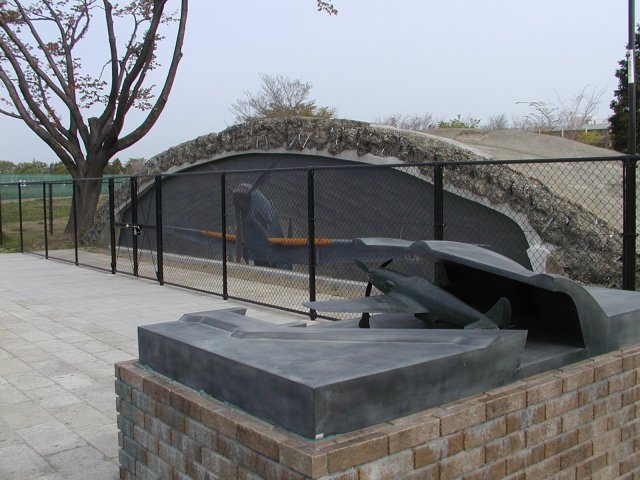
- Aviation Museum 9:30 AM–5:00 PM, closed Mondays; tickets 520 yen adults, 210 yen children.
- Kadokawa Culture Museum Art exhibitions and events.
Nagatoro
- Nature Activities River cruises (April–November, ~1,500 yen), whitewater rafting, hiking.
Moominvalley Park & metsä Village (Hanno)
- Theme Park 10:00 AM–6:00 PM; tickets 1,800 yen adults (Matcha-JP).
Metropolitan Area Outer Underground Discharge Channel (Kasukabe)
- Guided Tours By reservation only, free of charge.
Heirinji Temple (Niiza)
- Visiting Hours 8:00 AM–5:00 PM; donations appreciated.
AEON LakeTown (Koshigaya)
- Shopping Complex 10:00 AM–9:00 PM.
Practical Information for Visitors
- Transportation Accessible by major train lines (Omiya, Kawagoe, Tokorozawa stations) and local buses.
- Best Seasons Spring and autumn for cherry blossoms and foliage.
- Accessibility Most major attractions are wheelchair accessible.
- Cuisine Try Kawagoe’s sweet potato desserts, Nagatoro’s shaved ice, and Saitama’s eel dishes.
- Cultural Etiquette Respect shrine and temple norms, remove shoes where required.
- Events Kawagoe Festival (October), Omiya Bonsai Festival (May), and others.
- Travel Time Varies by traffic; 30 minutes to over an hour depending on congestion (Japan Travel Navitime).
Safety & Infrastructure Updates
- Recent Incident A significant sinkhole in Yashio City (Jan 2025) led to road closures (Japan Forward). Check local updates before travel.
- Pedestrian/Cyclist Safety Urban areas are well-equipped; exercise caution in suburban stretches.
Frequently Asked Questions (FAQ)
Q: What are peak hours for Route 55?
A: Morning (7–9 AM) and evening (5–7 PM) rush hours are busiest. Travel outside these windows for smoother transit.
Q: How do I get tickets for local attractions?
A: Museum and event tickets are usually available onsite or online. Some facilities require advance booking for guided tours.
Q: Is Route 55 accessible for travelers with disabilities?
A: Major sites and transit stations offer accessibility features, though some older or rural sites may have limitations.
Q: What’s the best way to navigate Route 55?
A: Use GPS or Japan Travel Navitime for real-time route planning.
Q: Are there guided tours along Route 55?
A: Yes, various operators offer day tours and themed experiences (GoWithGuide).
Internal and External Links
Discover More
Route 55 is more than a roadway—it’s a gateway to the region’s cultural, historical, and natural gems. Plan your journey with this guide, check official websites for the latest updates, and consider downloading the Audiala app for real-time navigation and exclusive travel tips. Follow us on social media for insider recommendations and seasonal event alerts.