

History of Sōka University
Founded in 1971 by Daisaku Ikeda, Sōka University is rooted in the Soka Gakkai movement, emphasizing independent thought, peace, and social contribution. The university’s educational philosophy is built on fostering global citizens and promoting dialogue, reflection, and cultural exchange. Its campus design and monuments reflect this mission, offering visitors a chance to experience Japan’s approach to humanistic education and international cooperation.
Key Landmarks and Monuments
Gorbachev Cherry Tree Memorial
Planted in honor of Mikhail Gorbachev’s 1993 visit, this cherry tree symbolizes international friendship and peace. During sakura season, the surrounding pathways become a prime spot for hanami (flower viewing), drawing both locals and tourists.
Tributes to Rosa Parks and Nelson Mandela
The university commemorates global leaders such as Rosa Parks and Nelson Mandela, each of whom received honorary doctorates from Sōka University. Their plaques and monuments represent the institution’s commitment to justice and human rights.
Other Notable Sites
- Peace Monument Emblematic of the university’s dedication to peace.
- Ikeda Memorial Hall A primary venue for ceremonies and lectures.
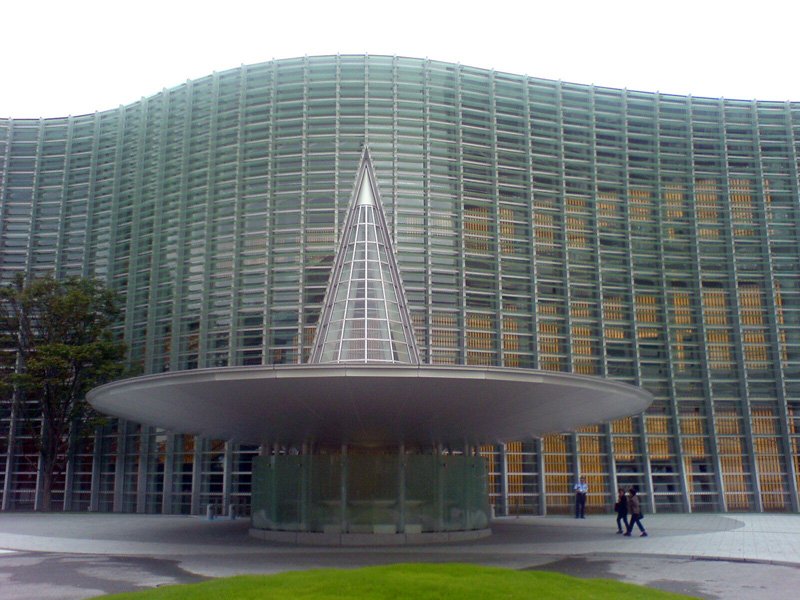
- Tokyo Fuji Art Museum Renowned for its diverse art exhibitions, open to the public (Tokyo Fuji Art Museum).
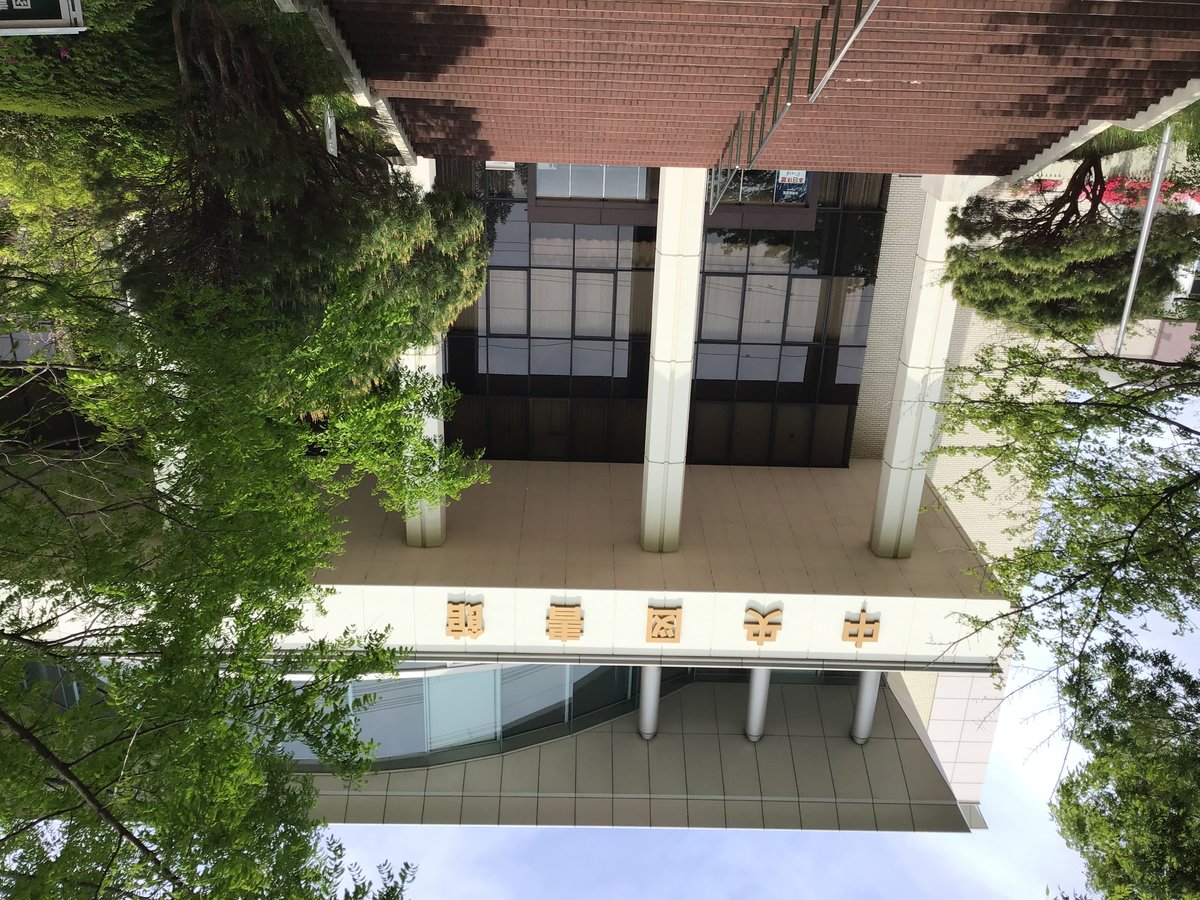
- Central Library Home to over 1.1 million volumes and open reading rooms.
Visiting Hours & Ticket Information
Campus Visiting Hours
- Campus Grounds and Gardens Open daily from 8:00 AM to 6:00 PM. Hours may vary during university events or examination periods.
- Restricted Areas Access to academic buildings, lecture halls, and student facilities is generally limited to enrolled students and staff for security and privacy reasons (Reddit JapanTravel).
Tokyo Fuji Art Museum Hours
- Open Tuesday to Sunday, 10:00 AM to 5:00 PM (last admission at 4:30 PM).
- Closed Mondays and national holidays.
Ticketing
- Campus No admission fee for outdoor areas and gardens.
- Tokyo Fuji Art Museum General admission is ¥1,200 for adults, ¥800 for university students, and free for children under 18. Special exhibitions may have separate pricing. Purchase tickets onsite or online via the Tokyo Fuji Art Museum website.
Guided Tours
- Campus Tours Available by appointment and often led by student ambassadors. Advanced booking is strongly recommended (Sōka University Campus Guide 2025).
Campus Tours & Events
- Guided Tours Explore the university’s philosophy, history, and main landmarks. Tours are available in Japanese and English and must be booked ahead.
- Cultural Events The university regularly hosts festivals, exhibitions, and lectures. Notable events include the annual Sōka Festival and seasonal hanami gatherings.
Getting There and Transportation
- By Train Take the JR Chuo Line to Hachioji Station (~40 minutes from Shinjuku). From there, local buses or taxis reach the campus in about 15–20 minutes.
- By Car Access via the Chuo Expressway; limited visitor parking available.
- From Airports Limousine buses and trains connect Haneda and Narita Airports to Hachioji Station (90–120 minutes).
- Directions and Updates Refer to the Sōka University official access page for current transit details.
Visitor Facilities and Amenities
- Dining Multiple cafeterias and cafés offer affordable Japanese and international menus, including vegetarian options.
- Rest Areas Benches, open gardens, and shaded walkways provide spaces for relaxation.
- Wi-Fi & Restrooms Free Wi-Fi in public areas and accessible, well-maintained restrooms.
- Shops University bookstores and souvenir shops on campus.
- ATMs Available for both domestic and international cards.
Accessibility and International Support
- Wheelchair Access Ramps, elevators, and accessible restrooms in major buildings.
- Multilingual Support English signage, multilingual staff, and international student services.
- Assistance Visitors with special needs or requiring extra help should contact the university in advance (Soka University Admissions).
Events and Cultural Experiences
- Sōka Festival An annual spring event featuring performances, food stalls, and student exhibitions.
- Hanami Cherry blossom viewing in late March to early April is especially popular.
- Public Lectures and Workshops Open to visitors and often focusing on peace, education, and cultural exchange (Soka University Campus Life).
- Tokyo Fuji Art Museum Hosts rotating exhibitions and art workshops (Tokyo Fuji Art Museum).
Practical Tips for Visitors
- Best Seasons Spring (cherry blossoms) and autumn (fall foliage) offer the most scenic campus landscapes.
- Photography Permitted outdoors; restrictions may apply indoors.
- Etiquette Maintain quiet in study areas, respect signage, and follow campus rules.
- Dress Code Modest attire recommended, especially during ceremonies.
- Language Staff speak English, but learning a few Japanese phrases is appreciated.
Nearby Attractions and Hachioji Highlights
- Mount Takao Famous for hiking and panoramic views.
- Tama Zoological Park Family-friendly animal exhibits.
- Hachiōji Castle Ruins Historical site with scenic hiking trails.
- Local Cafés and Bookstores Experience authentic Japanese suburban culture.
- Easy Access to Central Tokyo Combine your visit with other city landmarks (Girleatworld Tokyo Guide).
Visuals and Media Recommendations
Enhance your planning with resources such as:
- Campus maps
- Virtual tours
- Photo galleries of cherry blossoms and campus landmarks
Official visuals are available on the Sōka University website.
Frequently Asked Questions (FAQ)
Q: What are the visiting hours for Sōka University campus?
A: Campus grounds are typically open from 8:00 AM to 6:00 PM.
Q: How do I purchase tickets for the Tokyo Fuji Art Museum?
A: Tickets are available onsite or online via the Tokyo Fuji Art Museum website.
Q: Is the campus accessible for visitors with disabilities?
A: Yes, the campus provides ramps, elevators, and accessible restrooms.
Q: Can visitors enter academic buildings?
A: Access is generally restricted; guided tours may include select areas.
Q: Are guided tours available for international groups?
A: Yes, arrange tours in advance by contacting the university’s administrative offices.