
Tokyo Kasei University: Visiting Hours, Tickets, and Historical Sites
What the university is
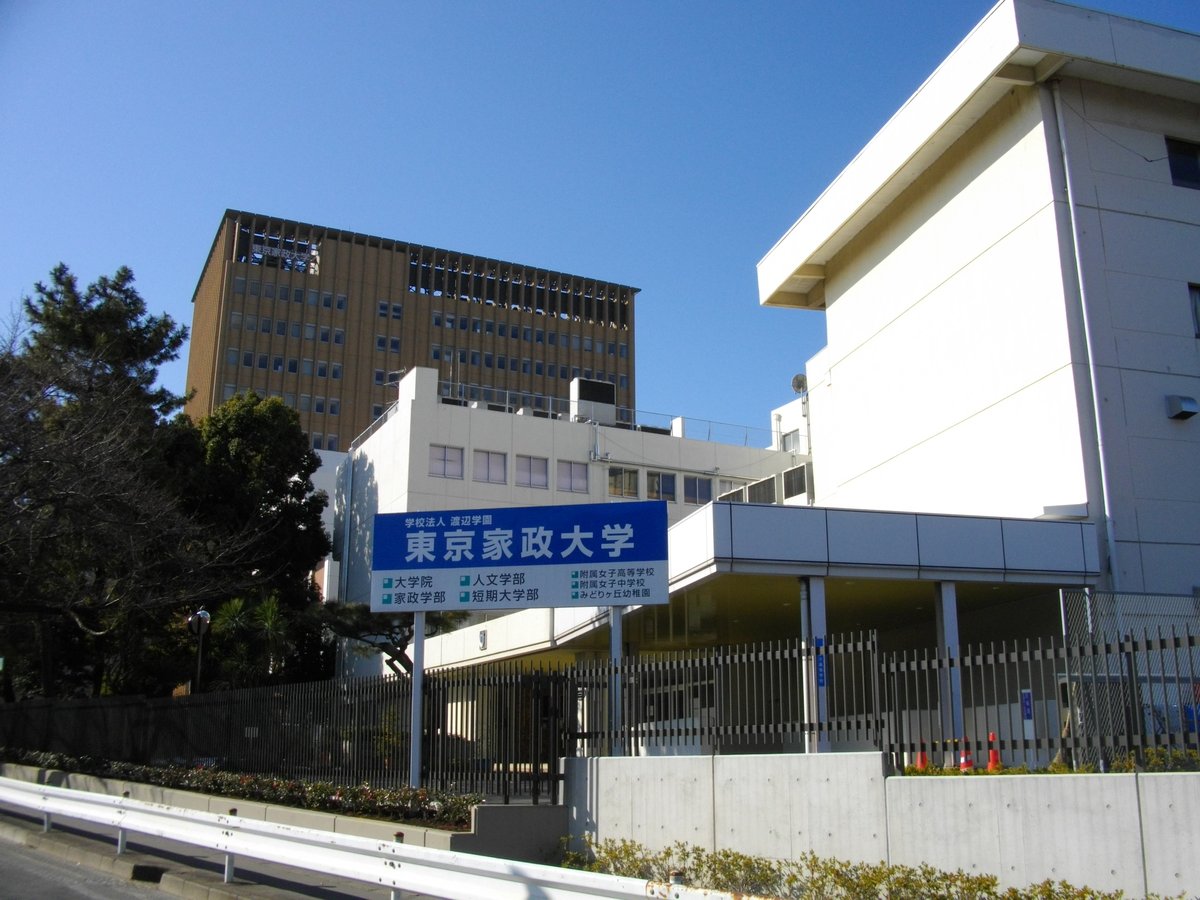
Tokyo Kasei University, in Tokyo, Japan, is known for its contributions to women’s education since its founding in 1881. Its campuses, museum, and cultural events offer visitors a look at Japanese educational culture and the history of women’s education.
The Tokyo Kasei University Museum, on the Itabashi campus, holds traditional Japanese costumes, folk artifacts, historical documents, and items representing international cultural exchanges. For visitor information, see the official Tokyo Kasei University website and the Tokyo tourism board.
History
Founded during the Meiji era by Tatsugoro Watanabe, the university was established to empower women through practical education. Its initial programs focused on sewing and domestic skills, and it drew inspiration from thinkers such as Yukichi Fukuzawa. Over time, its academic offerings expanded to include subjects intended to foster autonomy, diligence, and wisdom.
Tokyo Kasei University celebrated its 135th anniversary in 2016. Its historical architecture and commemorative monuments reflect its legacy in women’s education and social progress.
What to see
Tokyo Kasei University Museum
The museum preserves traditional Japanese costumes, folk art and artifacts, university archives, and international folk artifacts. Some items are designated significant tangible folk cultural assets. Its permanent collections are complemented by rotating exhibitions on cultural and historical themes.
The museum also holds educational programs, including workshops and lectures on crafts and cultural studies. Visitors can find cultural souvenirs and educational materials in the museum shop.
Campus architecture, exhibitions, and activities
The campuses bring together Meiji-era and contemporary architecture, along with commemorative monuments. Exhibition spaces feature student work in fashion, culinary arts, and design.
Workshops in ikebana (flower arranging), tea ceremony, calligraphy, and other traditional arts may be available to participate in or observe during special events. The university also hosts annual cultural festivals, open campus days, public lectures, academic symposia, and exhibitions showcasing student achievements and Japanese culture.
Guided tours cover campus sites such as historical buildings and art exhibitions. They are available by appointment and can be arranged in Japanese or English.
Practical visiting information
Hours
- Campus Monday through Friday, 9:00 AM–5:00 PM. Hours may vary during special events or university holidays.
- Museum Tuesday through Saturday, 9:00 AM–5:00 PM. Closed Sundays, Mondays, national holidays, and university holidays.
Admission and booking
- Campus Free general admission.
- Museum Free admission. Group visits and guided tours require advance booking. Some special exhibitions or group tours may require advance booking or a nominal fee.
Locations and access
- Machida Campus Accessible via the Odakyu Line to Machida Station, followed by a short bus or taxi ride.
- Itabashi Campus and Museum 3-23-1 Itabashi, Itabashi-ku, Tokyo 173-8602. It is about a 10-minute walk from Itabashi Station on the JR Saikyo Line. Additional bus routes serve the area.
Further public transport information is available on the museum website.
Accessibility, facilities, and language support
Both campuses are wheelchair accessible, with ramps, elevators, and barrier-free pathways. The museum is fully wheelchair accessible. Assistance for visitors with mobility or other special needs can be arranged in advance.
Facilities include cafés, rest areas, information desks with multilingual staff, free Wi-Fi in public areas, and a gift shop for souvenirs and university memorabilia. Bilingual signage and informational materials are available. The International Office supports non-Japanese speakers, and language exchange and English-language events are offered for visitors.
Directions and parking
Public transportation is recommended; parking is limited. Directions are available on the university visitor information page.
Tips
Photography is allowed outdoors and in designated exhibition areas; at the museum, photography is permitted only in designated areas. Follow signage and respect privacy, particularly in academic spaces. Seek permission for portraits.
Guided tours should be arranged in advance. Check the university’s events calendar for upcoming tours, lectures, and festivals. The university’s virtual tours and photo galleries are available on its official website and Facebook page. The original visitor information also recommends staying updated through official channels and the Audiala app.
Nearby places
- Machida Squirrel Garden Interactive animal experiences for families.
- Machida City Museum of Graphic Arts Local art and historical exhibits.
- Tama Zoological Park A zoo with diverse wildlife.
- Itabashi Historical Museum Exhibits on the history of the Itabashi area.
- Shimo-Itabashi Shopping Street Local shopping and dining.
Frequently Asked Questions (FAQ)
What are the main visiting hours for the university and museum?
The campus is open Monday–Friday, 9:00 AM–5:00 PM. The museum is open Tuesday–Saturday, 9:00 AM–5:00 PM. Campus hours may vary during special events or university holidays; the museum is closed on Sundays, Mondays, national holidays, and university holidays.
Is there an admission fee?
General campus admission and museum admission are free. Some special exhibitions or tours may require a fee or advance booking.
Are guided tours available?
Yes. Tours are available by appointment and should be booked in advance through the university or museum website. They can be arranged in Japanese and English.
Is the campus accessible for people with mobility challenges?
Yes. Both campuses and the museum are accessible, with ramps, elevators, and barrier-free pathways. Additional visitor support can be arranged in advance.
Can I take photographs?
Photography is permitted outdoors and in designated areas. Follow signs and seek permission for portraits.
Is parking available?
Limited parking is available; public transportation is recommended.
Are English-language tours and materials available?
Yes. English tours can be arranged in advance, and bilingual materials are provided.
Useful links
- Tokyo Kasei University Official Website
- Tokyo Kasei University Museum Official Page
- Tokyo Kasei University Visitor Information
- University Facebook Page
- Tokyo Public Transportation Guide
- Itabashi Tourism Website
- Tokyo Tourism Board
- Tokyo Kasei University official website
- Tokyo Kasei University Museum page
- https://www.tokyo-kasei.ac.jp/
- https://www.tokyo-kasei.ac.jp/en/
- https://www.kasei.ac.jp/english/visitor