
Cultural Significance and Artistic Heritage
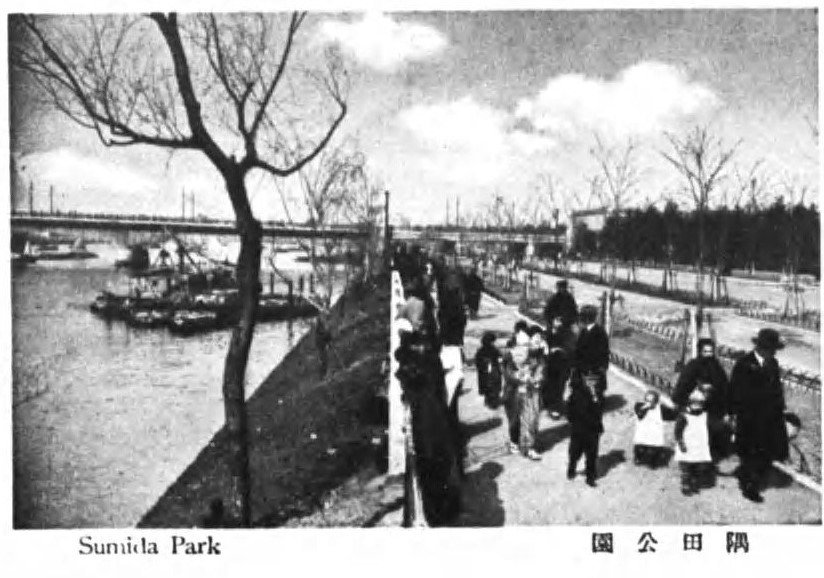
Sumida Park remains a cultural crossroads in modern Tokyo, hosting major events such as the Sumida River Fireworks Festival, one of Japan’s oldest and most anticipated summer celebrations dating back to 1733 (MATCHA). The park is immortalized in art and literature, with its cherry blossoms, river views, and nearby shrines serving as inspiration for generations of artists and poets.
The park’s community role is equally strong: it is a venue for seasonal festivals, local gatherings, and ongoing recreation, sustaining a living connection to Tokyo’s heritage.
Main Events and Festivals
Cherry Blossom Festival (Sakura)
- Timing Late March to early April
- Features Over 600 cherry trees create a pink tunnel along the river, with nighttime illuminations and lively hanami picnics (livingnomads.com).
- Activities Food stalls, cultural performances, and yakatabune boat cruises for blossom viewing (klook.com).
Sumida River Fireworks Festival
- When Last Saturday of July
- Highlights Spectacular fireworks displays viewed from both banks of the river, drawing over a million visitors. The festival atmosphere includes food vendors and traditional performances (festival2025.com).
Other Seasonal Events
- Hydrangea Road Blooming mid to late June, with thousands of hydrangeas creating a colorful path (jw-webmagazine.com).
- Autumn Foliage Late November to early December, featuring vibrant maple and ginkgo leaves (klook.com).
Visiting Hours, Ticket Information, and Access
- Park Hours Open 24 hours daily (note: restrooms and playgrounds generally open 9:00–16:30).
- Admission Free entry; no tickets required.
- Best Times to Visit Spring for cherry blossoms, summer for fireworks, autumn for foliage.
Getting There
- Train Asakusa Station (Tokyo Metro Ginza Line, Toei Asakusa Line, Tobu Skytree Line) is a 3–5 minute walk to the Taito side. Honjo-azumabashi Station and Tokyo Skytree Station serve the Sumida side.
- Bus Sumida Loop Bus (Nambu Route) stops nearby (Tokyo Metropolitan Government).
- Water Bus Tokyo Water Bus docks at the park, connecting to destinations like Hamarikyu Gardens and Odaiba (Japan Travel).
Park Layout and Key Attractions
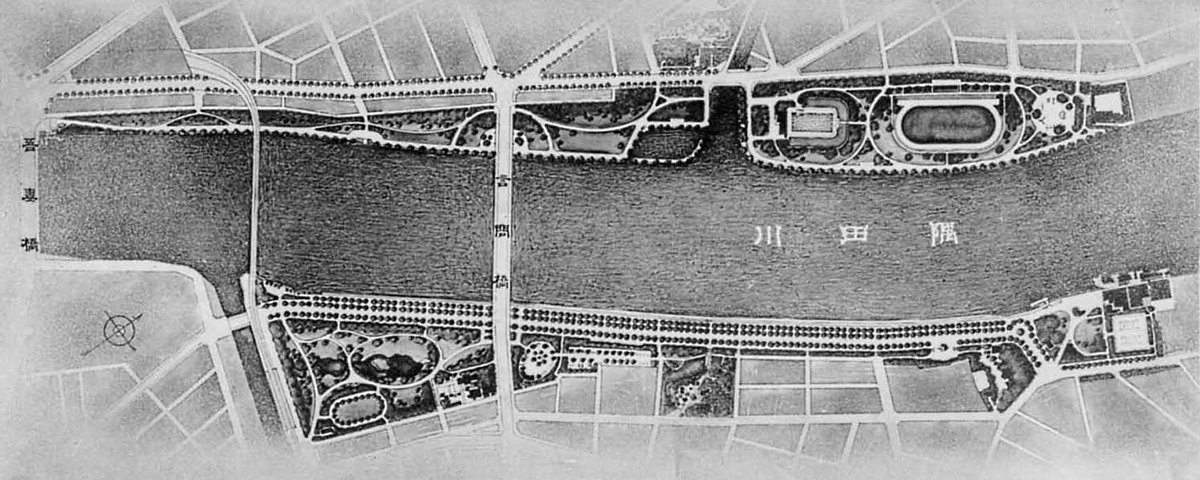
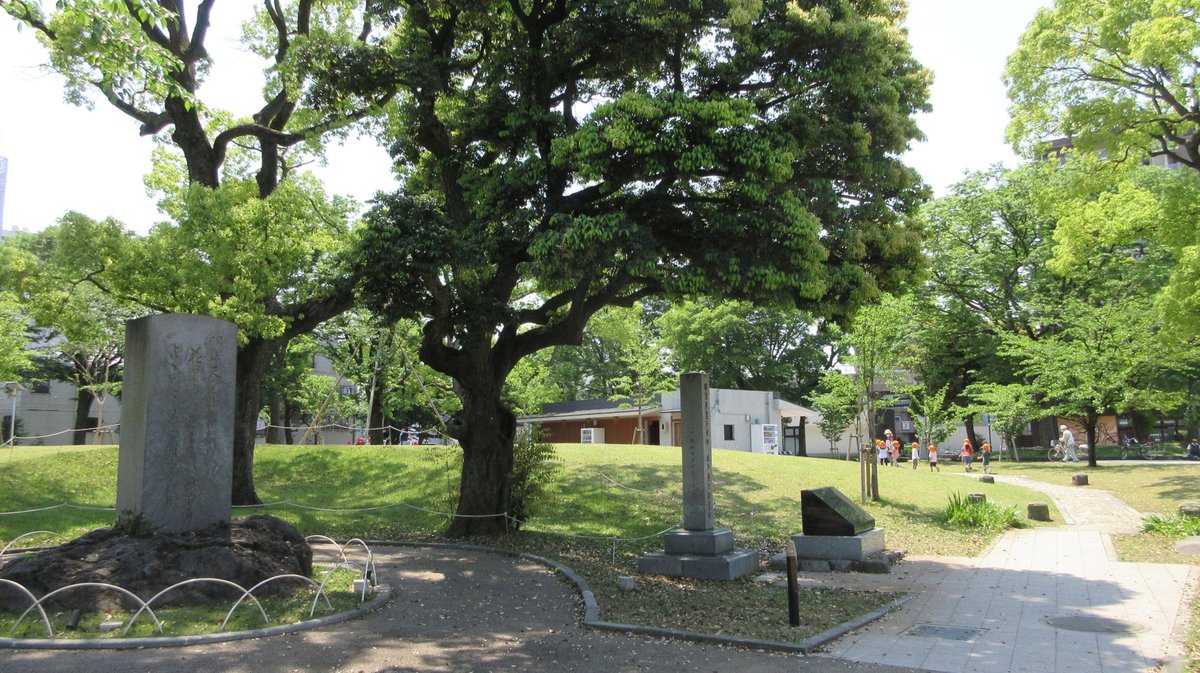
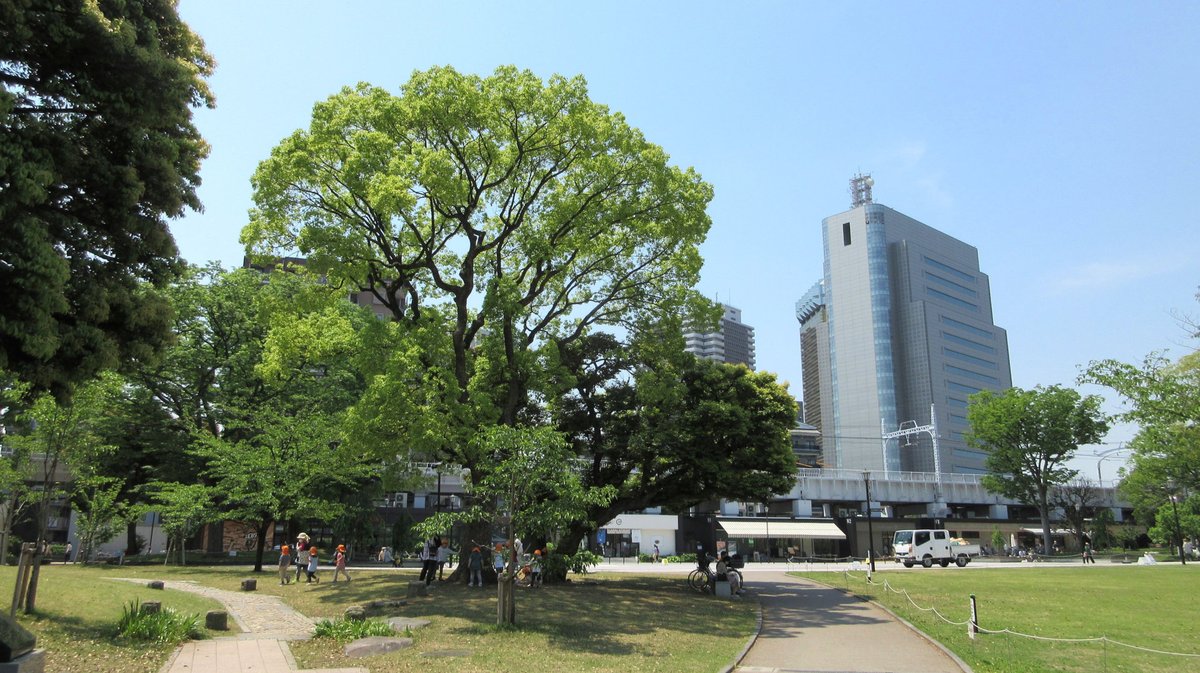
Sumida Park stretches about 1 kilometer along both banks of the Sumida River, connected by Azumabashi and Sakurabashi bridges. The park covers approximately 80,000 square meters (Nightscape Tokyo).
Major Features
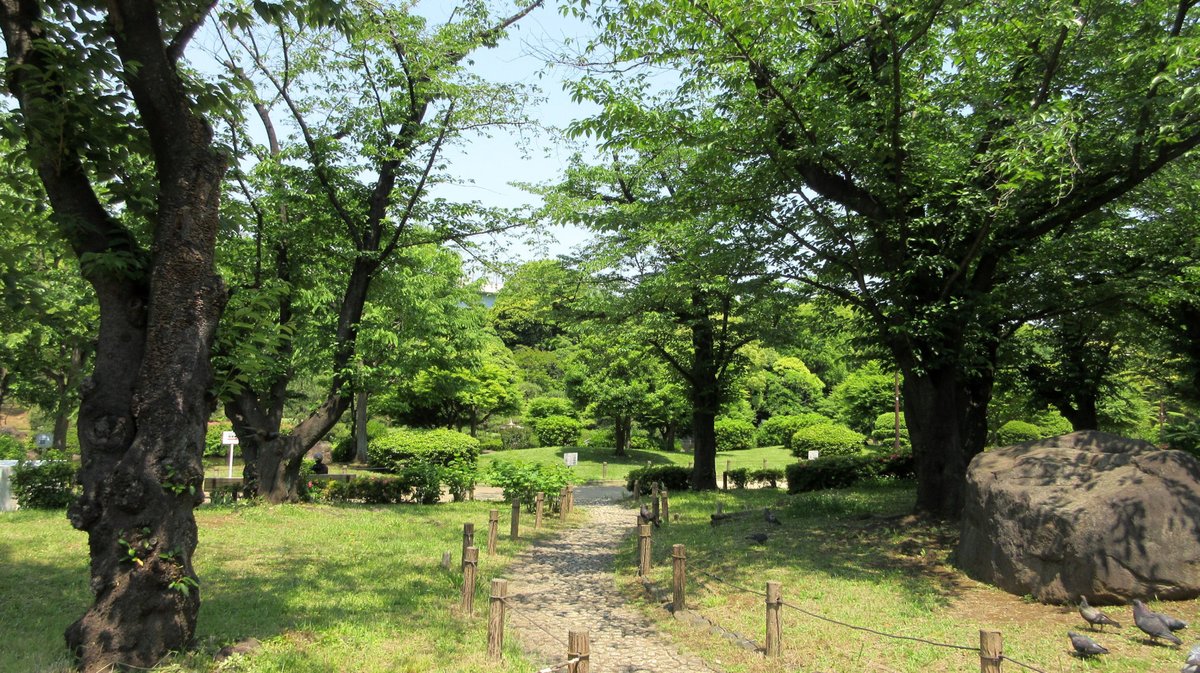
- Cherry Tree Promenade Spectacular in spring; also popular for picnics and riverside walks (Guidable).
- Hydrangea Road 6,000+ hydrangeas bloom in June (jw-webmagazine.com).
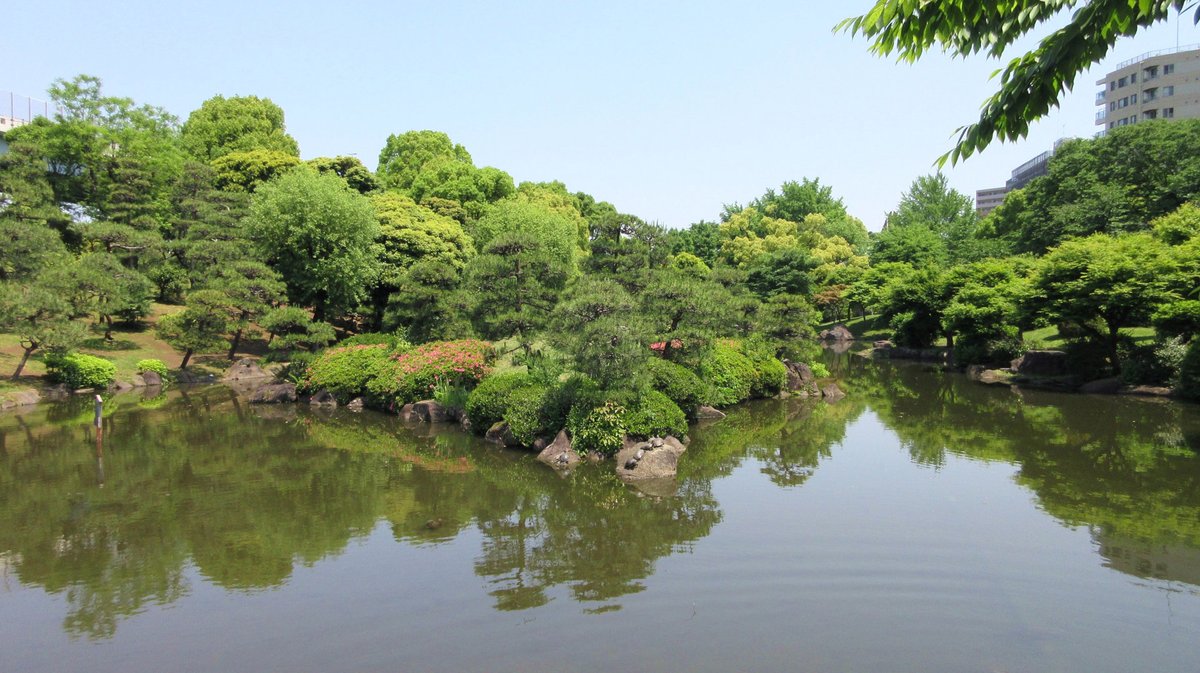
- Traditional Japanese Garden Tranquil stroll garden with pond and shrine on the eastern (Sumida) side.
- Art Installations Notable sculptures and viewing points, including “Green Planet” framing Skytree views (asakusastation.com).
- Playgrounds & Sports Facilities Playgrounds, tennis courts, and a swimming pool on the western (Taito) side.
- Cafés and Rest Areas Tully’s café and numerous benches and picnic areas throughout the park (asakusastation.com).
- Tokyo Mizumachi Adjacent riverside complex with restaurants and shops.
Accessibility and Facilities
- Wheelchair & Stroller Friendly Most main paths are flat and paved. Some riverside areas may be uneven or muddy in rain (Tokyo Metropolitan Government).
- Restrooms Wheelchair-accessible with ostomate facilities and diaper-changing stations; open 9:00–16:30.
- Rental Wheelchairs Available at select nearby museums and attractions.
- Family Facilities Playgrounds, stroller access, and diaper-changing amenities.
- Parking Limited; public transportation is recommended.
Seasonal Highlights and Recommended Routes
- Spring Hanami picnics beneath cherry blossoms (late March–early April).
- Early Summer Hydrangeas along Ajisai Road (June).
- Summer Fireworks Festival (late July).
- Autumn Tranquil foliage and fewer crowds.
- Recommended Walking Route Start at Asakusa Station, stroll the cherry tree promenade, cross Sakurabashi pedestrian bridge, and return along the opposite riverbank for Skytree views (kanpai-japan.com).
Visitor Tips and Etiquette
- Hanami Arrive early for a spot; bring a tarp and take your trash with you.
- Fireworks Festival Secure your place early; bring food, drinks, and be prepared for crowds.
- Photography Tripods allowed, but don’t block pathways (Nightscape Tokyo).
- Pets Leashed dogs allowed; owners must clean up.
- Cycling Permitted only on designated paths.
- Smoking Only in designated areas.
FAQ
Q: Do I need tickets to enter Sumida Park?
A: No, admission is free.
Q: What are the official opening hours?
A: The park is open 24 hours year-round; facilities typically operate 9:00–16:30.
Q: Is the park wheelchair accessible?
A: Yes, most paths and restrooms are accessible.
Q: When is the best time to visit for cherry blossoms?
A: Late March to early April.
Q: Can I bring my dog?
A: Yes, if leashed.
Visuals and Media Suggestions
- Photos of cherry blossoms with Tokyo Skytree background
- Nighttime images of the Sumida River Fireworks Festival
- Pictures of the Ushijima-jinja Shrine and Hyotan Pond
- Interactive park maps and virtual tours (see official tourism sites)
Internal Links
- Tokyo Historical Sites Guide
- Best Cherry Blossom Spots in Tokyo
- Visiting Tokyo Skytree
- Asakusa Historical District Guide
Discover More
Sumida Park stands as a testament to Tokyo’s enduring blend of nature, culture, and community. Its free admission, central location, and diverse attractions make it a top choice for anyone exploring Tokyo’s historical and scenic heart. Plan your visit during seasonal highlights—whether hanami or the fireworks festival—for an unforgettable experience. For up-to-date event information, accessibility details, and travel tips, download the Audiala app and follow our social media channels.
For the latest park updates and accessibility info, consult the official Sumida City tourism site and Japan National Tourism Organization.