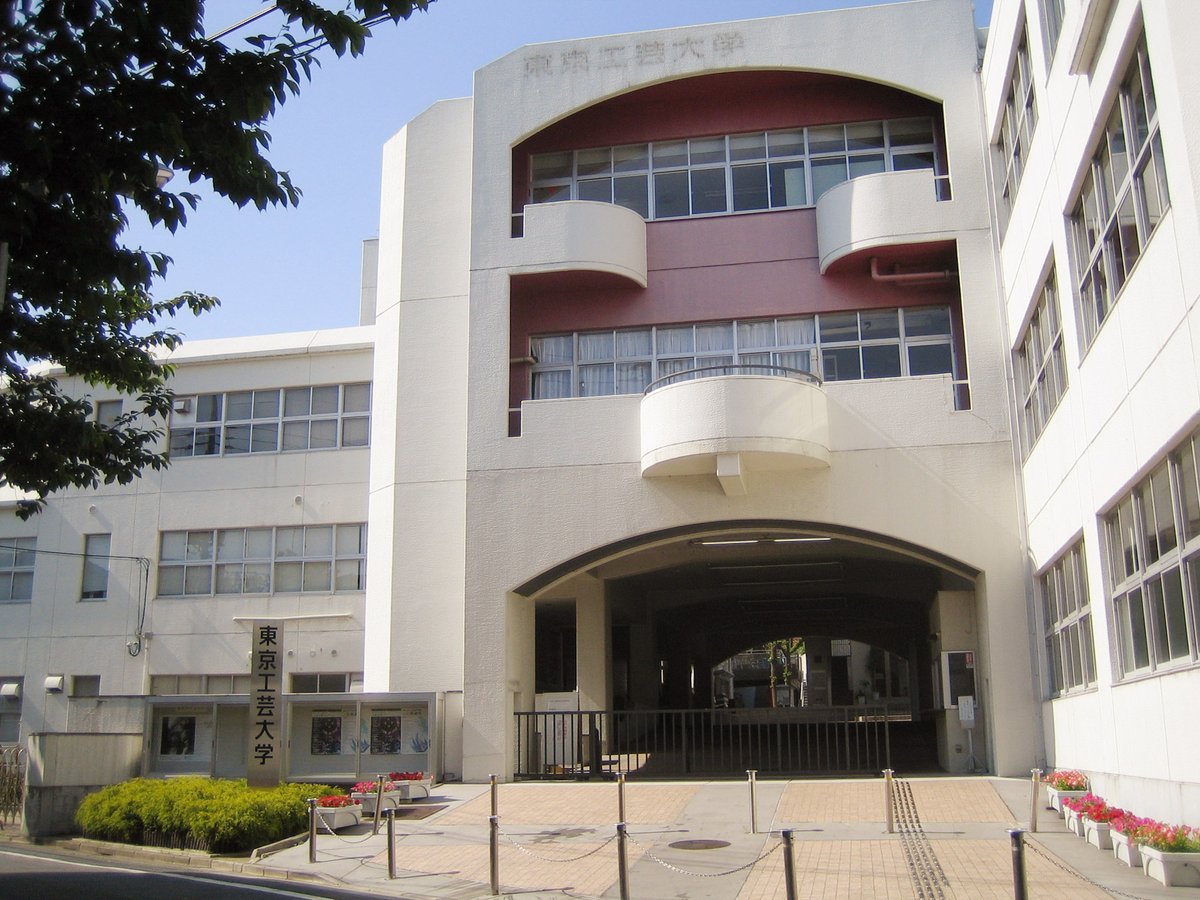

Founding and History
Originally established in 1923 as the Konishi Professional School of Photography, TPU was created to address the growing societal significance of visual media and engineering (alluniversity.info). Despite the devastation of the Great Kanto Earthquake the same year, the institution quickly rebuilt and broadened its academic offerings, laying the foundation for its evolution into a multidisciplinary university.
In 1966, the school attained university status as Tokyo Polytechnic University (mabumbe.com), and has since expanded its curriculum to include engineering, applied sciences, animation, manga, and game development (studyinjpn.com). Today, TPU is home to renowned faculties and a thriving student community, reflecting Tokyo’s transformation into a global metropolis.
Evolution and Academic Excellence
TPU’s reputation is built on academic rigor and innovation. Ranked 162nd in Japan and 2836th globally (EduRank), the university is acclaimed for its research output—over 3,200 scientific publications and more than 58,000 citations—spanning engineering, physics, computer science, environmental science, and creative arts. TPU fosters interdisciplinary collaboration, especially between its engineering and arts faculties.
Notable Academic Disciplines
- Engineering & Physical Sciences TPU is ranked among the top 100 Japanese universities for engineering, with expertise in materials science, electrical, optical, and mechanical engineering.
- Computer Science & Technology Focus areas include AI, computer vision, and telecommunications.
- Environmental & Life Sciences Research covers ecology, meteorology, and genetics.
- Arts & Design The university is a pioneer in photography, animation, game design, fashion, and computer graphics, supported by its proximity to Tokyo’s anime industry.
Alumni include influential figures such as photographer Takeyoshi Tanuma and film director Hisayasu Satō (edurank.org).
Cultural and Research Significance
TPU’s contribution to Japan’s creative sector is particularly notable in animation and manga—two of the country’s most important cultural exports. The university operates the Suginami Animation Museum, an immersive facility that documents the history and artistry of Japanese animation through interactive exhibits and workshops (gotokyo.org). The museum is a hub for both academic research and public education, spotlighting Suginami Ward’s legacy as an animation studio cluster.
Visitor Information
Campus Access
- Locations
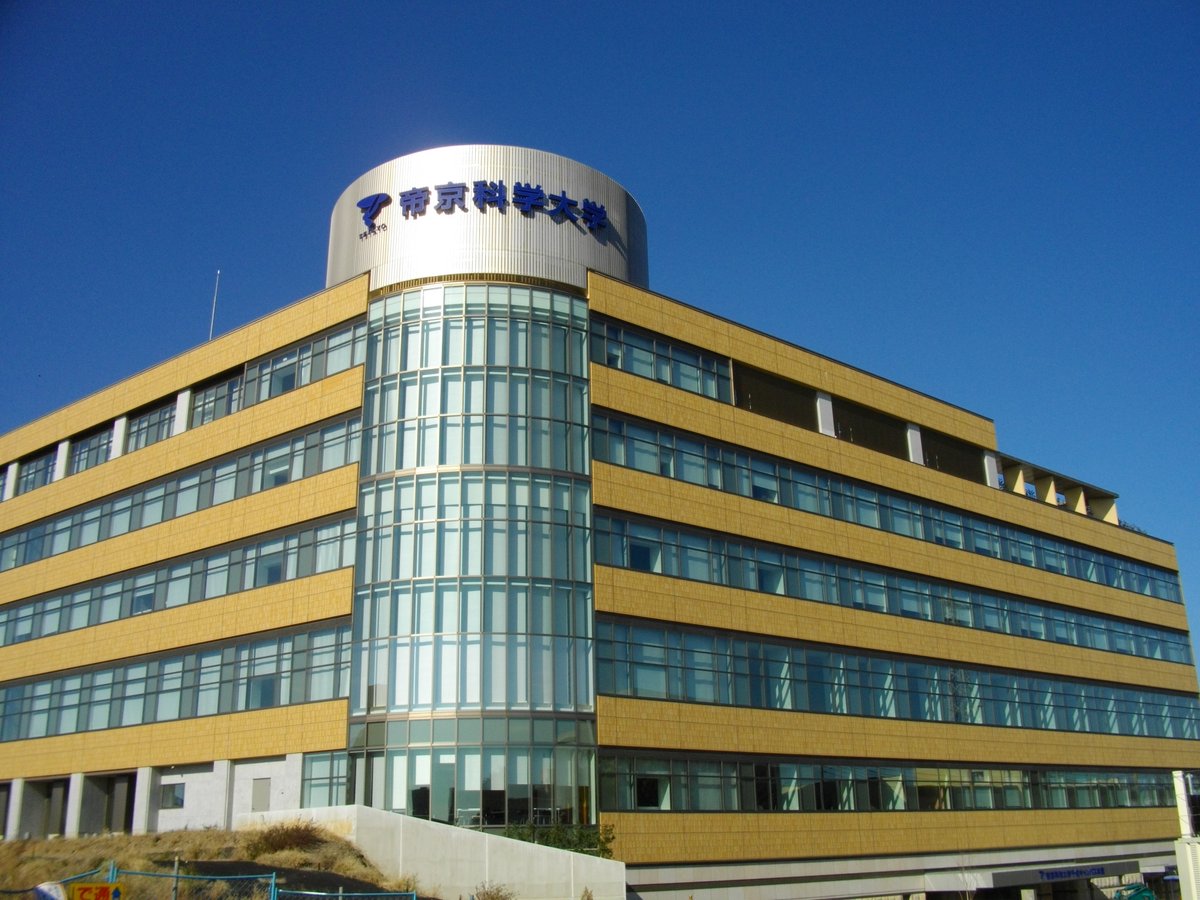
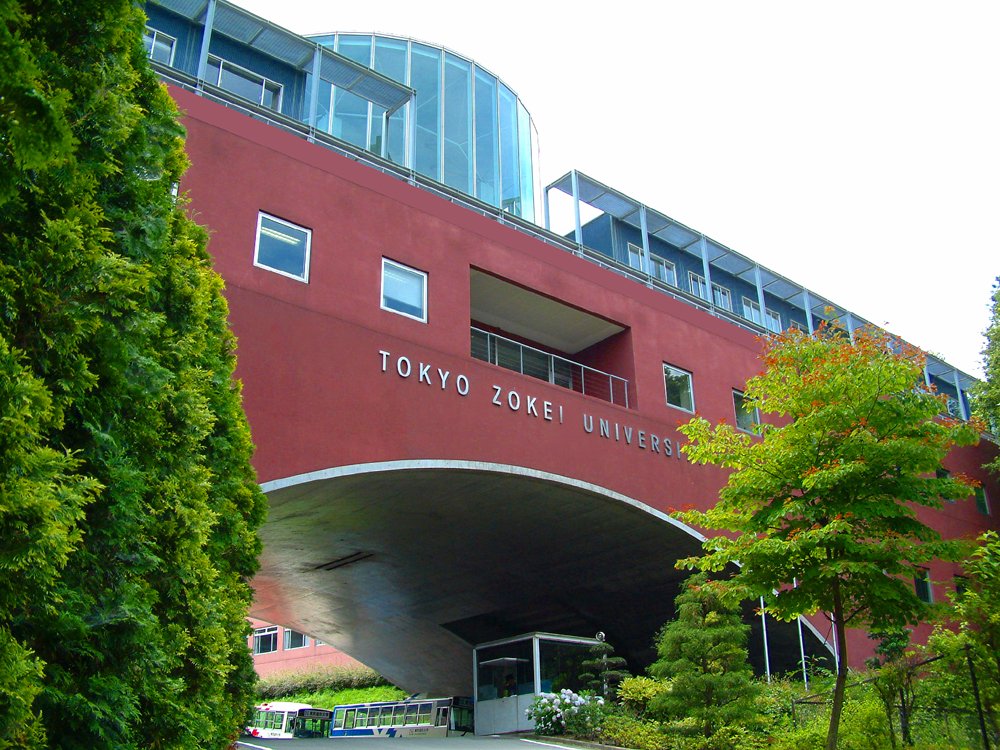
- Atsugi Campus Main campus for engineering and the first two years of arts programs. Address: 1583 Iiyama, Atsugi, Kanagawa 243-0297, Japan.
- Nakano Campus For upper-year arts students; near Tokyo’s anime and pop culture centers.
- Visiting Hours Monday–Friday, 9:00 AM–5:00 PM. Access may be limited on weekends and during holidays. Check the official website for updates.
- Admission Free. Some facilities or events may require prior registration.
- Accessibility Wheelchair accessible with elevators and ramps.
- Directions
- Atsugi Campus Accessible by local train and bus (60–90 minutes from central Tokyo).
- Nakano Campus 10-minute walk from Nakano Station (JR Chuo Line; Tokyo Metro Marunouchi Line).
Suginami Animation Museum
- Location 3rd floor, Suginami Kaikan, 3-29-5 Kamiogi, Suginami-ku, Tokyo.
- Opening Hours Tuesday–Sunday, 10:00 AM–6:00 PM (last admission 5:30 PM). Closed Mondays and New Year holidays.
- Admission Free; a nominal fee (100 yen) applies for the animation workshop CD (Suginami Animation Museum Official Site).
- Highlights
- Permanent displays on the history of Japanese animation
- Interactive workshops (create your own animation)
- Regularly rotating special exhibitions
- Screening room for classic and contemporary anime
- Accessibility Full access for visitors with disabilities, including barrier-free restrooms and elevators.
- Directions From Shinjuku Station, take the JR Chuo Line to Ogikubo Station (10 minutes), then walk (15 minutes) or take a local bus/taxi.
Nearby Attractions
- Suginami District A vibrant area known for its creative industries, anime-themed cafes, and festivals.
- Nakano Broadway Pop culture shopping complex near the Nakano Campus, famous for anime, manga, and collectibles.
- Edo-Tokyo Museum Explores the history of Tokyo; easily accessible by train.
- Meiji Shrine & Wadabori Park Tranquil spaces ideal for relaxing after your campus or museum visit.
Visitor Tips
- Check the university and museum websites for the latest event schedules and COVID-19 updates.
- Guided tours (campus and museum) are available by appointment—book in advance.
- Photography is permitted in most areas unless otherwise indicated.
- Wear comfortable shoes for exploring campus grounds and local attractions.
- Use public transportation, as campus parking is limited.
Frequently Asked Questions (FAQ)
Q: What are the visiting hours for Tokyo Polytechnic University?
A: Monday to Friday, 9:00 AM–5:00 PM. Check the official website for special schedules.
Q: Is admission free at the Suginami Animation Museum?
A: Yes, entry is free. A small fee applies if you participate in the animation workshop and wish to take home your CD.
Q: Are the campus and museum accessible for people with disabilities?
A: Yes, both facilities provide barrier-free access.
Q: How do I arrange a guided tour?
A: Contact the university’s public relations or admissions office, or book through the museum’s official website for tours.
Q: What are the best nearby attractions for visitors?
A: Suginami’s anime-themed cafes, Nakano Broadway, Edo-Tokyo Museum, and Meiji Shrine are top recommendations.