
Dentsu: From Early Beginnings to a Global Leader
Founded as Japan Advertising Ltd. in 1901, Dentsu quickly evolved to become a pioneering force in Japanese advertising and communications. The company’s strategic mergers and involvement in landmark events, such as the 1964 Tokyo Olympics and Expo ’70, cemented its position as an industry leader (Dentsu Group History). By the 1970s, Dentsu was recognized as the world’s largest advertising agency by billings. The late 20th and early 21st centuries saw further diversification and international expansion (Dentsu History Timeline).
Shiodome Redevelopment and Site Significance
The Dentsu Building’s site was once home to the original Shimbashi Station, Japan’s first railway terminus (1872-1909) (Wikiwand: Dentsu Building). The Shiodome district, formerly a rail yard and industrial area, underwent major redevelopment in the 1990s and 2000s, emerging as a symbol of Tokyo’s urban renewal and global outlook.
Architectural Vision and Sustainability
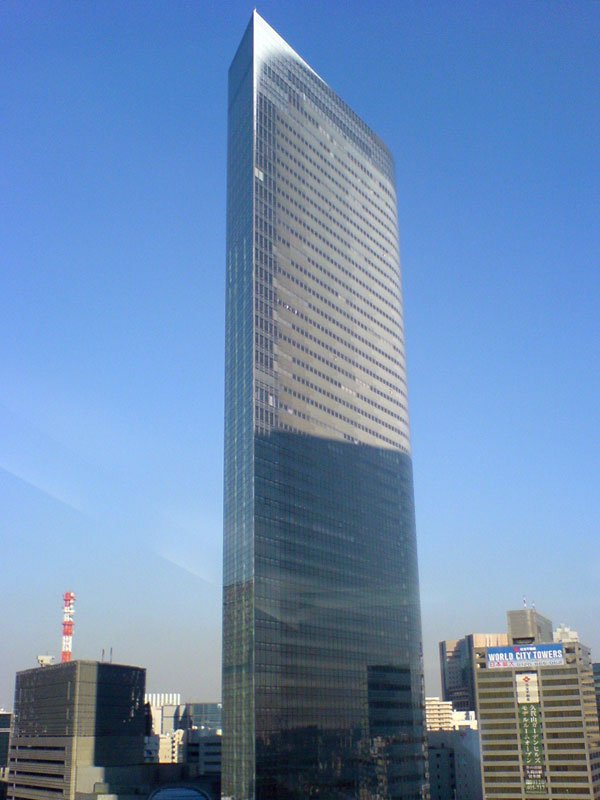
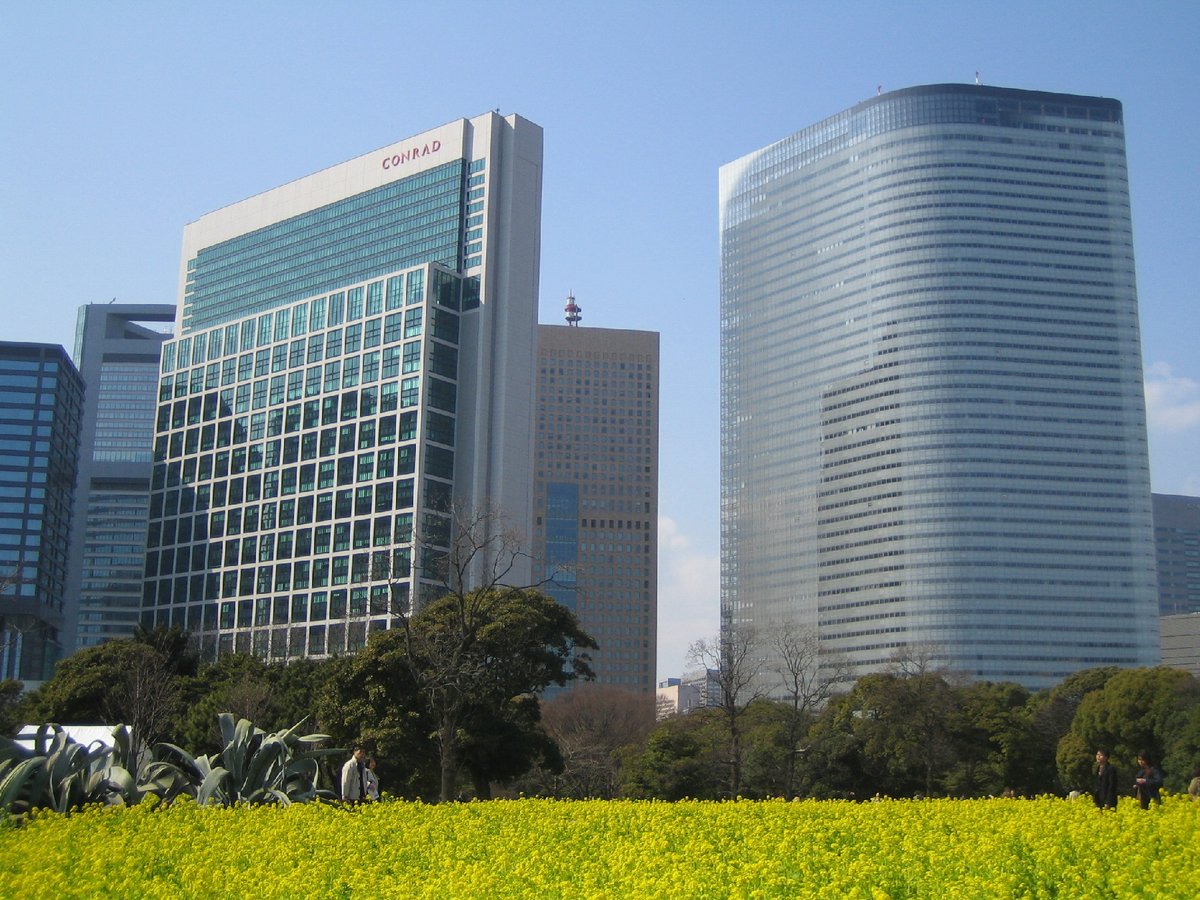
Jean Nouvel’s design for the Dentsu Building is a masterwork of modern architecture. Its curved, glass façade echoes the lines of nearby railway tracks and the arc of Tokyo Bay, while advanced seismic engineering and sustainable features—including rainwater collection and energy-efficient systems—make it a model of green architecture (Skyscraper Center: Dentsu Headquarters Building; Japan Sustainable Building Database). The building has garnered numerous awards, such as the Good Design Gold Prize in 2003.
Visiting the Dentsu Building: Essential Information
Location and Access
- Address 1-8-1 Higashi-Shimbashi, Minato City, Tokyo
- Access Direct connections to Shiodome Station (Toei Oedo Line, Yurikamome Line) and a short walk from Shimbashi Station (JR, Tokyo Metro, Toei Asakusa Line). Underground walkways provide weatherproof access (Voyapon).
Visiting Hours and Ticketing
- Public Spaces The lobby and commercial areas, including the Caretta Shiodome complex, are generally open from 11:00 to 21:00.
- Observation Deck (Caretta Shiodome Dentsu View Lobby) Open daily from 11:00 to 23:00; hours may vary for specific venues. Entry is free (Voyapon).
- Restaurants & Sky Dining Upper-floor restaurants (46th/47th floors) usually operate from 10:00 or 11:00 until 23:00. Advance reservation recommended for window seats.
- Ad Museum Tokyo Open most days, with a typical admission fee of 500 yen for adults.
- Theatre Tickets The Dentsu Shiki Theatre SEA offers performances year-round; tickets must be purchased separately.
Accessibility
The Dentsu Building is fully accessible, with barrier-free pathways, elevators, ramps, and direct underground access from major train stations (Japan Experience). Facilities include accessible restrooms and signage for visitors with disabilities.
What to See and Do
Observation Deck and Panoramic Views
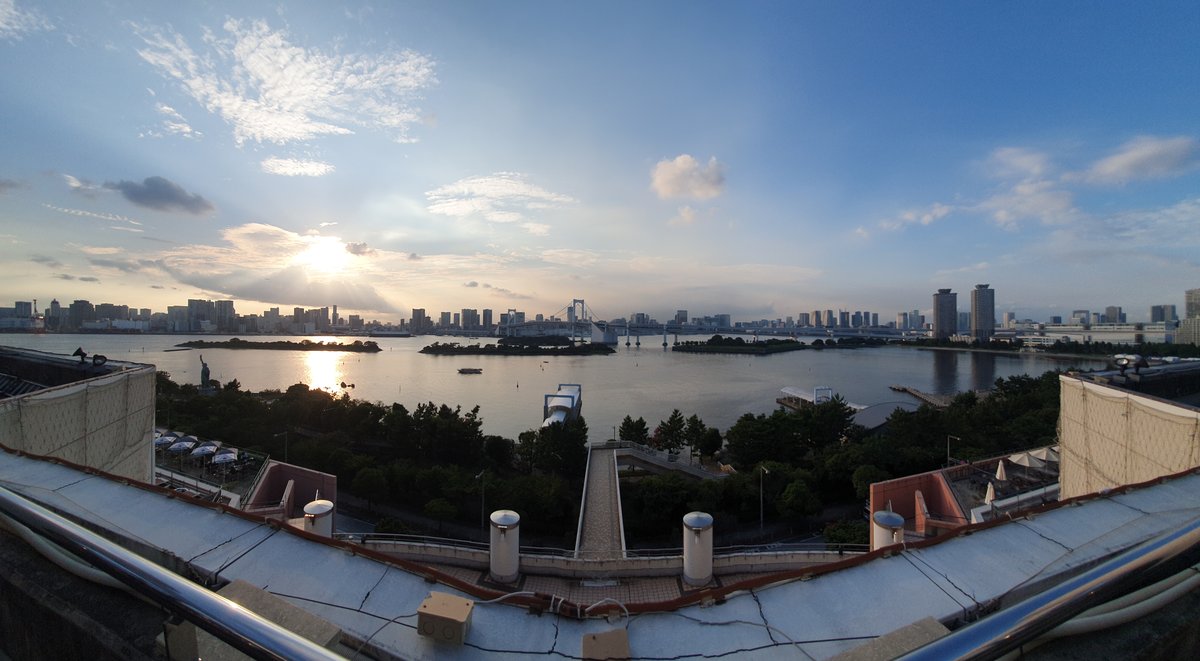
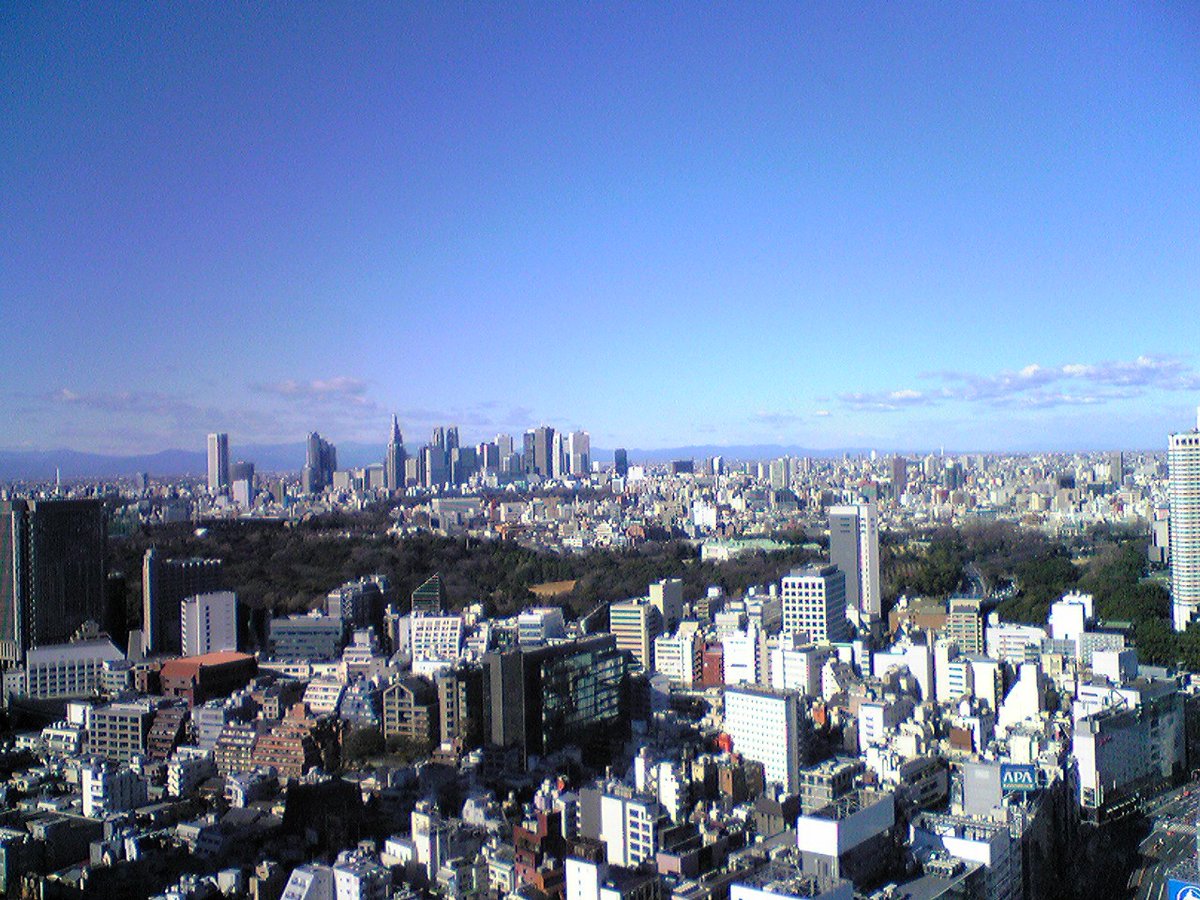
The 46th-floor observation area offers sweeping vistas of Tokyo Bay, Rainbow Bridge, Hamarikyu Gardens, Ginza, and, on clear days, Mount Fuji. Entry is free, and the space adjoins several restaurants and cafés perfect for dining with a view (Voyapon).
Caretta Shiodome: Shopping, Dining, and Culture
- Shopping and Dining Over 60 venues, from casual cafés to upscale restaurants, many with panoramic city views.
- Seasonal Events The winter illumination displays are among Tokyo’s most popular, transforming the plaza into a festive wonderland.
- Caretta Museum & Ad Museum Tokyo Delve into the history of advertising and digital media in interactive exhibitions (Dentsu History).
- Dentsu Shiki Theatre SEA Attend a musical or theatrical performance in a world-class venue.
Architectural Highlights
- Design Features The building’s boomerang-shaped façade, use of natural light, and integration with the historic site make it a favorite subject for photographers.
- Sustainability Rainwater harvesting, energy-efficient systems, and extensive use of recycled materials showcase cutting-edge environmental design (Japan Sustainable Building Database).
Nearby Attractions
- Hamarikyu Gardens Edo-period garden adjacent to the building, ideal for tranquil strolls and seasonal flower viewing.
- Ginza District Famous for luxury shopping and modern architecture, a short walk away (Girl Eat World).
- Tsukiji Outer Market Sample fresh seafood and traditional foods in this historic marketplace.
- Shimbashi Area Explore Tokyo’s railway history and local izakayas.
Tips for Visitors
- Best Time to Visit Weekdays in late afternoon for fewer crowds and spectacular sunset views.
- Reservations Book upper-floor restaurants in advance.
- Photography Tripods are not permitted in the observation area; check for any updated restrictions.
- Safety and Etiquette Security is present; maintain respectful noise levels and follow current health protocols.
Frequently Asked Questions (FAQ)
Q: What are the Dentsu Building’s visiting hours?
A: Public spaces and observation deck are typically open daily from 11:00 to 23:00. Hours may vary by venue.
Q: Is there an admission fee?
A: Entry to the observation deck and Caretta Shiodome is free. Museum and theatre events require tickets.
Q: Are guided tours available?
A: Not regularly, but architecture tours may include the Dentsu Building (Artchitectours).
Q: Is the building accessible?
A: Yes, with elevators, ramps, and barrier-free access for all visitors.
Q: How do I get there?
A: Via Shiodome Station (Toei Oedo/Yurikamome) or Shimbashi Station (JR/Metro).