

ICU’s Mission and Historical Background
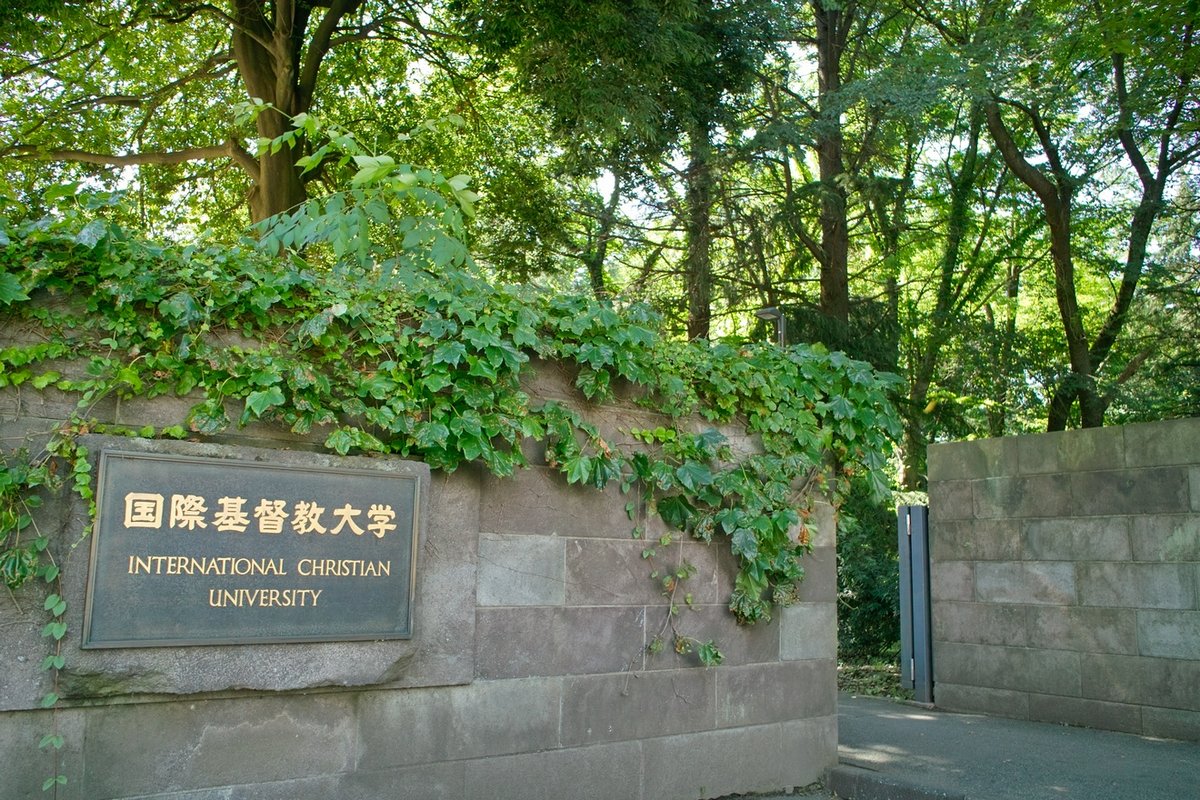
International Christian University was established in 1949 as a bold response to the devastation of World War II. Its vision was rooted in the urgent desire to promote peace, reconciliation, and intercultural understanding. ICU’s founding meeting took place at the YMCA Tozanso in Gotemba, Shizuoka Prefecture—a collaboration between Japanese and North American Christian leaders determined to build a university that would educate ethical leaders capable of shaping a peaceful future (ICU official history; JICUF history).
The university’s mission has always emphasized respect for liberty, human rights, and global citizenship. ICU’s bilingual approach—offering instruction in both Japanese and English—fosters critical thinking, diversity, and cross-cultural dialogue (ICU bilingual education).
Campus Development and International Support
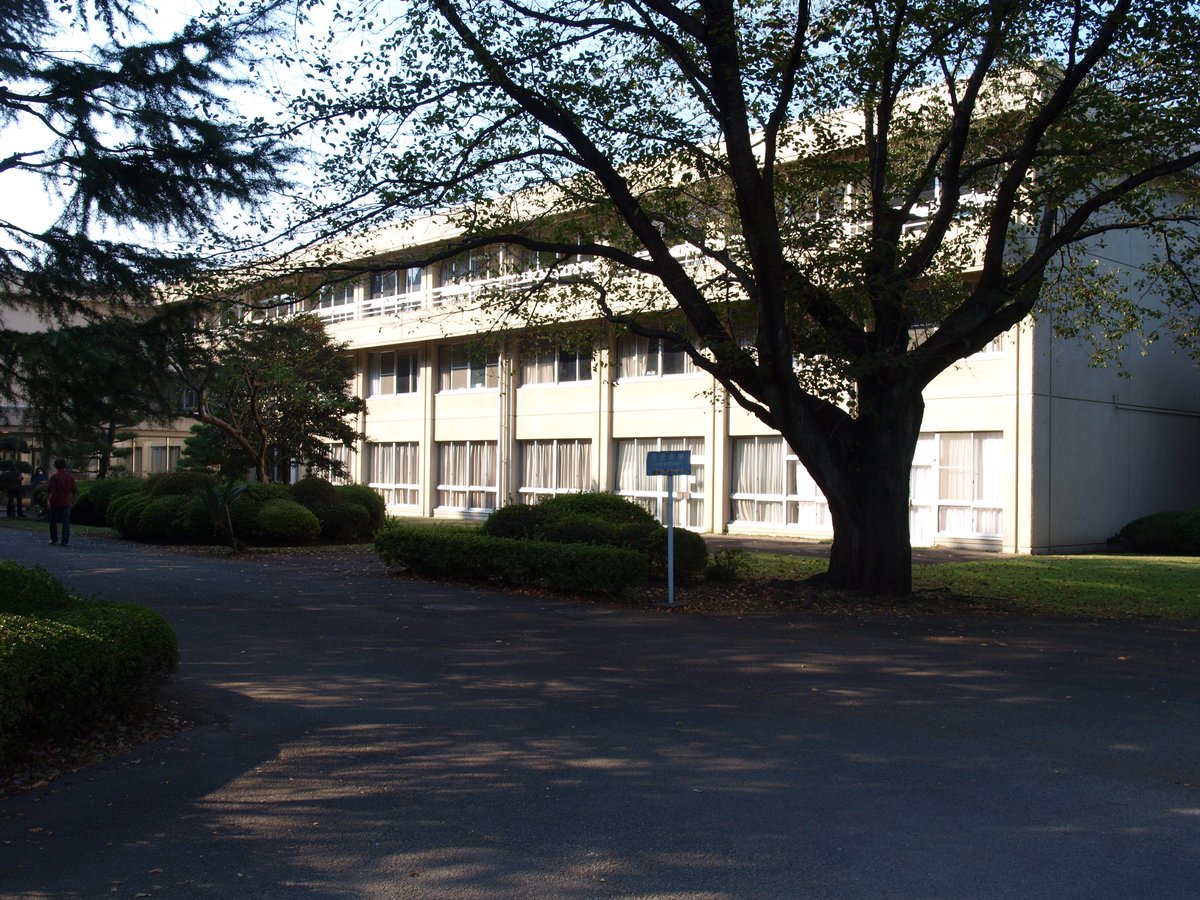
ICU’s Mitaka campus was made possible through generous donations totaling 160 million yen from both domestic and international supporters, including individuals, companies, and associations of various backgrounds (ICU campus history). The university’s international character is reflected in its faculty and student body, drawn from around the world, and in its official use of both Japanese and English on campus (ICU mission).
Academic Innovations and Liberal Arts Tradition
ICU stands apart as Japan’s first four-year liberal arts college, opening its College of Liberal Arts in 1953 and its Graduate School in 1957 (ICU academic history). ICU’s curriculum emphasizes interdisciplinary studies, critical thinking, and lifelong learning—departing from the traditional Japanese focus on narrow specialization. This prepares students to be agile, ethical, and globally minded citizens (ICU bilingual education).
ICU’s Role in Postwar Japanese Society
As a symbol of postwar renewal and international cooperation, ICU has played a significant role in Japan’s transformation. Its emphasis on ethical leadership, cross-cultural understanding, and dialogue has helped foster a more open, globally engaged society (JICUF mission). ICU’s Christian heritage inspires values of peace, justice, equality, and freedom.
Visitor Information: Hours, Tickets, and Access
ICU welcomes visitors year-round to explore its historic campus and tranquil surroundings.
Visiting Hours:
- Campus grounds: Open daily from 8:30 AM to 6:00 PM.
- Hachiro Yuasa Memorial Museum: Open Tuesday to Sunday, 10:00 AM to 4:30 PM; closed Mondays and national holidays (ICU Museum).
- Dining Hall: Open weekdays from 11:00 AM to 2:00 PM.
Admission/Tickets:
- Entry to campus and dining hall is free.
- Museum admission is free.
- Some special exhibitions may require a small fee.
- Guided tours are available on weekdays, 10:00 AM–3:00 PM, by prior booking.
Getting There:
- By Train: Take the JR Chuo Line to Mitaka or Musashi-Sakai Station. From there, a short bus, taxi, or 10–20-minute walk leads to campus (ICU Campus Access).
- By Bus: Direct buses run from Musashi-Sakai Station to the main gate.
- By Taxi: Convenient from major stations.
- Parking: Limited on campus; advance reservation recommended.
Campus Highlights and Facilities
University Hall:
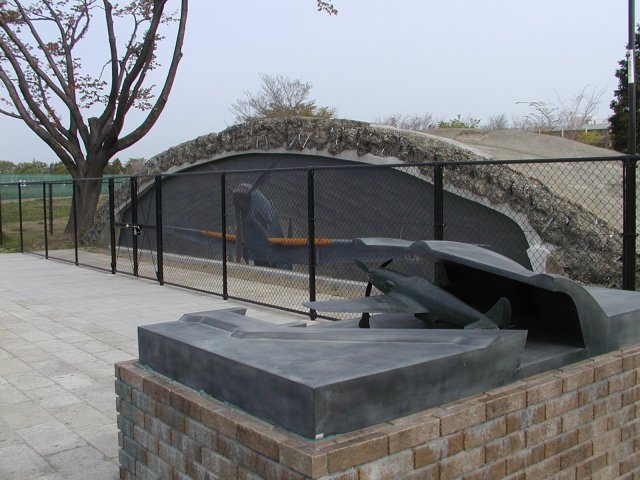
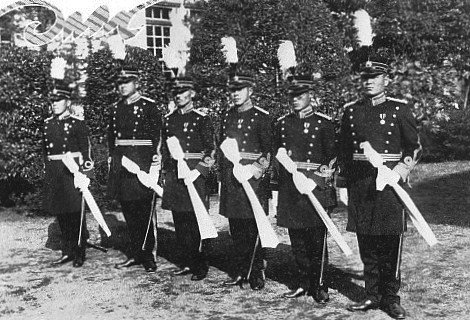
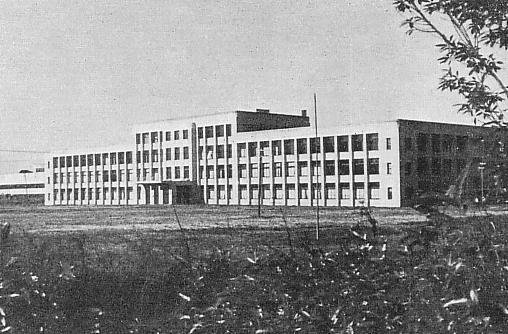
A landmark originally constructed as the Mitaka Research Institute of the Nakajima Aircraft Company, later renovated as ICU’s academic and cultural centerpiece (ICU Campus).
Hachiro Yuasa Memorial Museum:
Showcases Japanese folk art, archaeological artifacts, and special exhibitions. A contemplative space for learning about the region’s history (ICU Museum).
Taizansō Garden:
A traditional Japanese garden featuring historic structures, tea houses, and the One-Mat Room. Visits require prior permission due to conservation efforts.
Natural Environment:
The campus is a Nationally Certified Sustainably Managed Natural Site, offering walking paths, birdwatching, and seasonal beauty.
Student Dormitories:
Ten dormitories, including Momi House and Maple House, contribute to the campus’s multicultural environment.
Dining Hall (Gakki):
Modern and open to the public, with a variety of menu options.
Physical Education Center:
Facilities include two gymnasiums and modern athletic amenities, completed in 2018.
Accessibility and Visitor Services
- Wheelchair-accessible walkways, ramps, and elevators are available in major buildings.
- Accessible restrooms are distributed throughout campus.
- Free Wi-Fi is available in many areas; temporary access can be arranged at administration or the library.
- Some historic sites, such as Taizansō, have limited accessibility due to preservation.
Nearby Attractions and Special Events
- Inokashira Park Famous for cherry blossoms, boat rides, and scenic walks.
- Ghibli Museum A short distance from ICU, a must-visit for animation fans.
- Tokyo Metropolitan Nogawa Park Adjacent to campus, offering additional green space.
- International Summer Program in Japan (ISPJ) Annual summer event with language classes and cultural activities (ISPJ program details).
Practical Tips for Visitors
- Best Times Spring (cherry blossoms) and autumn (fall foliage) offer the most picturesque views (Tokyo Travel Tips).
- Etiquette Please respect the academic environment and students’ privacy.
- Photography Permitted outdoors; check for restrictions inside buildings.
- Food On-campus cafeterias and cafes accept IC cards; vending machines are widely available.
- Guided Tours Student-led tours available with prior booking.
- Language ICU is bilingual; most signage and communication are available in Japanese and English (ICU Mission).
Frequently Asked Questions (FAQ)
Q: What are ICU’s visiting hours?
A: Campus is open daily from 8:30 AM to 6:00 PM. Museum and guided tour hours may vary.
Q: Is there an admission fee?
A: General campus and dining hall access are free. Some exhibitions may require a small fee.
Q: Are guided tours available?
A: Yes, student-led tours are available on weekdays by prior reservation.
Q: Is the campus wheelchair accessible?
A: Most areas are accessible, with some historic sites having limitations.
Q: How do I get to ICU from central Tokyo?
A: Take the JR Chuo Line to Musashi-Sakai or Mitaka Station, then a bus or short walk.
Q: Are there parking facilities?
A: Limited parking; reservation recommended.