
Founding and Historical Context
Keisen University was established in 1929 by Ms. Kawai Michi as the Keisen School for young women, a bold initiative during a period of significant social and political change in Japan. Kawai envisioned a nurturing environment where women could pursue academic excellence, personal growth, and social responsibility. In 1988, the school evolved into Keisen University in Tama, Tokyo, expanding its commitment to holistic women’s education (Keisen University: Educational Spirit and Brief History, Unipage: Keisen University).
Educational Philosophy: The Three Pillars
Christianity
Christianity serves as the ethical and spiritual foundation of Keisen University. While not exclusively religious, the university incorporates Christian values such as compassion, service, and respect for human dignity. All first-year students take introductory courses in Christianity, focusing on moral development and global citizenship (Keisen University: Educational Spirit and Brief History).
Horticulture
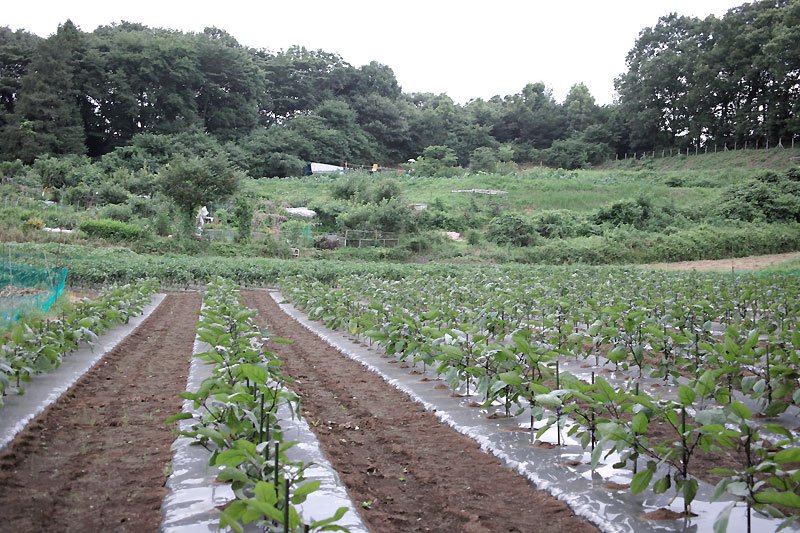
Horticulture is a distinctive aspect of Keisen’s curriculum, fostering a connection to nature and environmental stewardship. All students engage in practical gardening and cultivation activities as part of their compulsory first-year curriculum, nurturing patience and responsibility (Keisen University: Educational Spirit and Brief History).
International Understanding (Peace Studies)
The third pillar, International Understanding or Peace Studies, emphasizes global awareness and cross-cultural communication. Through required coursework, Keisen aims to prepare graduates who can contribute to peace and intercultural dialogue (Keisen University: Educational Spirit and Brief History).
Academic Structure and Offerings
Keisen University has two main faculties:
- Faculty of Humanities Featuring departments of Japanese Language and Culture and English Communication.
- Faculty of Human and Social Studies Hosting departments of International Social Studies and Social Gardening.
Programs combine theoretical knowledge with practical experience, including fieldwork, internships, and capstone projects. Some graduate programs are available in education, social studies, and cultural studies, with global engagement fostered through exchange and internship opportunities (Study Abroad Aide, Keisen University Campus Guide).
Campus Environment and Student Life
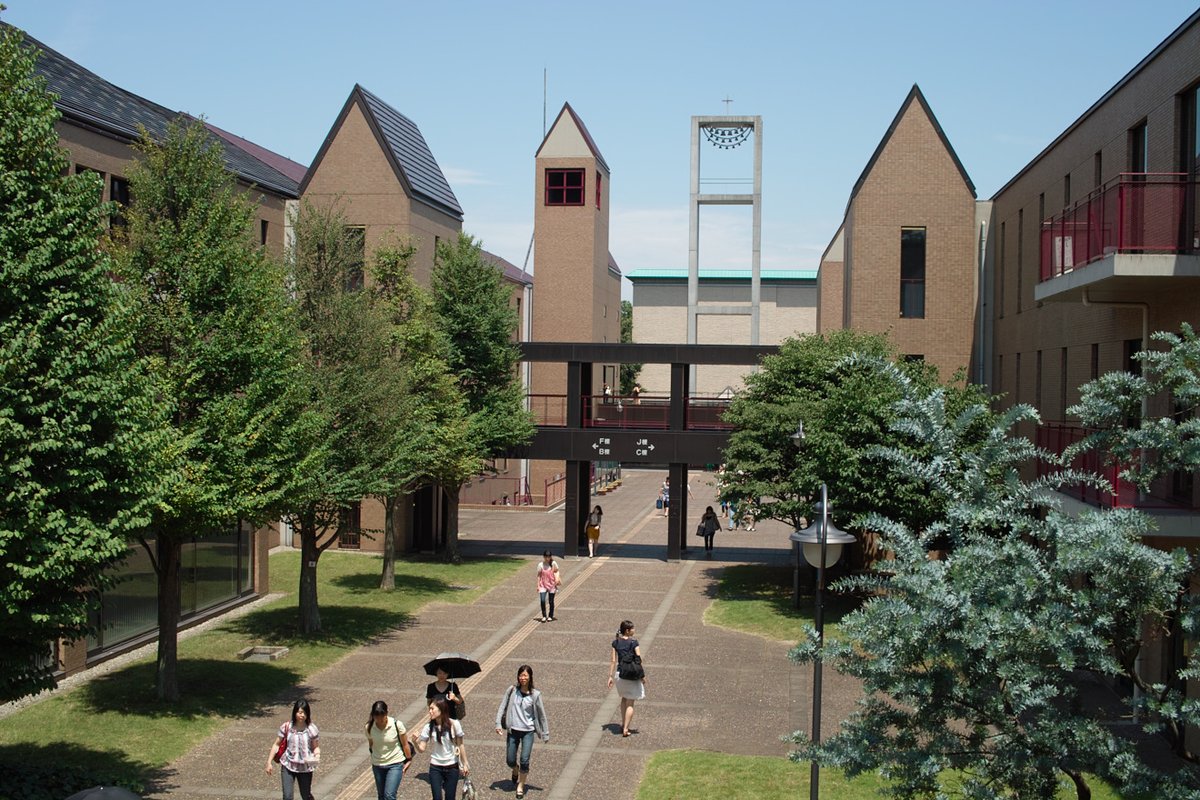
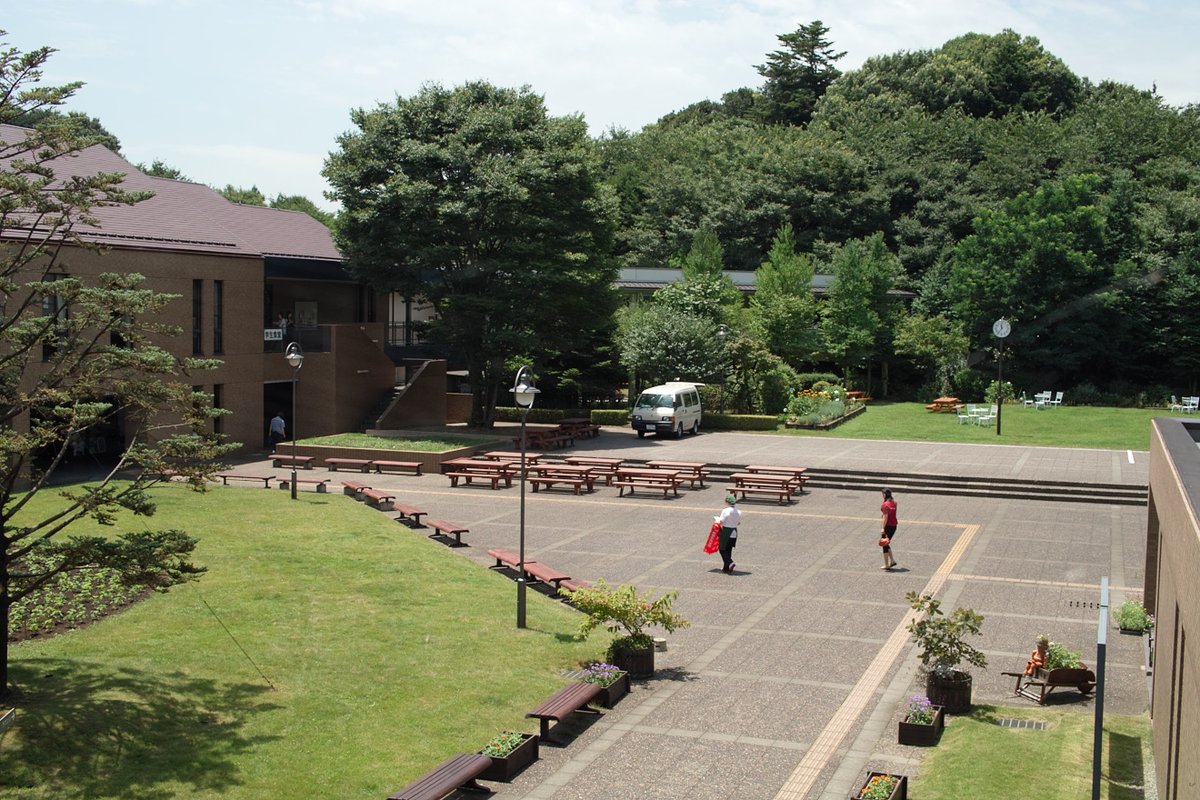
Keisen’s campus in Tama is known for its Southern European-style architecture, lush gardens, and tranquil setting. Facilities include a modern library, lecture halls, herb and flower gardens, student lounges, cafeterias, and handbell practice rooms. The campus is designed to promote community, environmental awareness, and intercultural exchange (Keisen University Campus Guide).
Compulsory First-Year Curriculum
All new students undertake core courses in Christianity, Horticulture, and Peace Studies, ensuring a shared foundation in the university’s values. This holistic curriculum is intellectually rigorous and practically oriented, preparing students for diverse roles in society (Keisen University: Educational Spirit and Brief History).
Visitor Information: Hours, Tickets, and Travel Tips
Visiting Hours and Campus Access
- Standard Visiting Hours 9:00 AM – 5:00 PM on weekdays.
- Note Access may be restricted during university holidays, exam periods, or due to the university’s closure plans. Always confirm in advance (Keisen University Campus Guide).
Admissions and Campus Tours
- Prospective Students Detailed admissions information is available on the university website.
- Campus Tours Often available by appointment, offering insights into academic life, campus features, and student support services.
Directions and Transportation
- By Train From central Tokyo, take the Keio or Odakyu Line to Tama Center Station, then an 8-minute school bus or short taxi ride to campus.
- By Bus/Taxi Local buses are available from Tama Center; public transport is recommended due to limited parking.
Accessibility and Nearby Attractions
- The campus is wheelchair accessible. Visitors with mobility needs should contact the university ahead of time.
- Nearby Tama Central Park, Tama Art University Museum, and shopping/cafes near Tama Center Station (Tokyo Tourism Official Site).
Special Campus Highlights
Keisen University Monument
A symbol of the university’s commitment to women’s education and empowerment, the monument is open daily from 9:00 AM to 5:00 PM (except holidays and exam periods). Admission is free, and guided tours can be arranged in advance. The site is wheelchair accessible, and group visits are welcome by prior booking. The monument’s setting offers excellent photo opportunities, especially in spring and autumn (Keisen University Campus Guide).
Chapel and Gardens
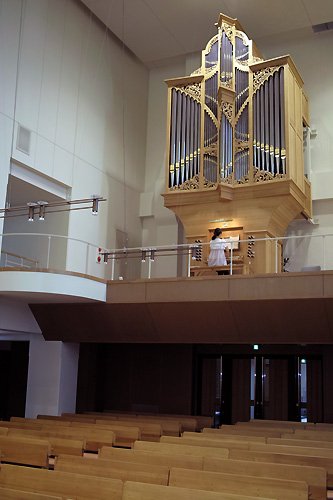
The campus chapel is both an architectural and spiritual centerpiece, hosting regular services and musical events. The herb garden and educational farm invite visitors to experience horticultural traditions firsthand. The gardens are open 9:00 AM to 5:00 PM on weekdays, with free general access. Some special events may require reservations or tickets (Keisen University Campus Guide).
Recent Developments and Closure Plans
Due to declining enrollment—from 88% in 2018 to 56% in 2022—Keisen University announced it would cease new admissions from 2024, with full closure planned after current students graduate. The university remains committed to supporting those enrolled until completion of their studies (Mainichi News).
Frequently Asked Questions (FAQ)
Q: What are the campus visiting hours?
A: 9:00 AM to 5:00 PM on weekdays, but always confirm before visiting due to possible restrictions.
Q: Do I need a ticket to visit?
A: General campus access is free; some tours or events may require advance booking.
Q: How do I reach Keisen University from central Tokyo?
A: Take the Keio or Odakyu Line to Tama Center Station, then a school bus or taxi to campus.
Q: Are guided tours available?
A: Yes, often by reservation through the university's visitor services.
Q: Is the campus accessible for those with disabilities?
A: Yes, accessible pathways and facilities are available; inquire in advance for specific needs.