
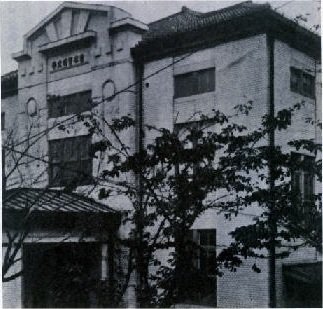
Nippon Medical School Monument
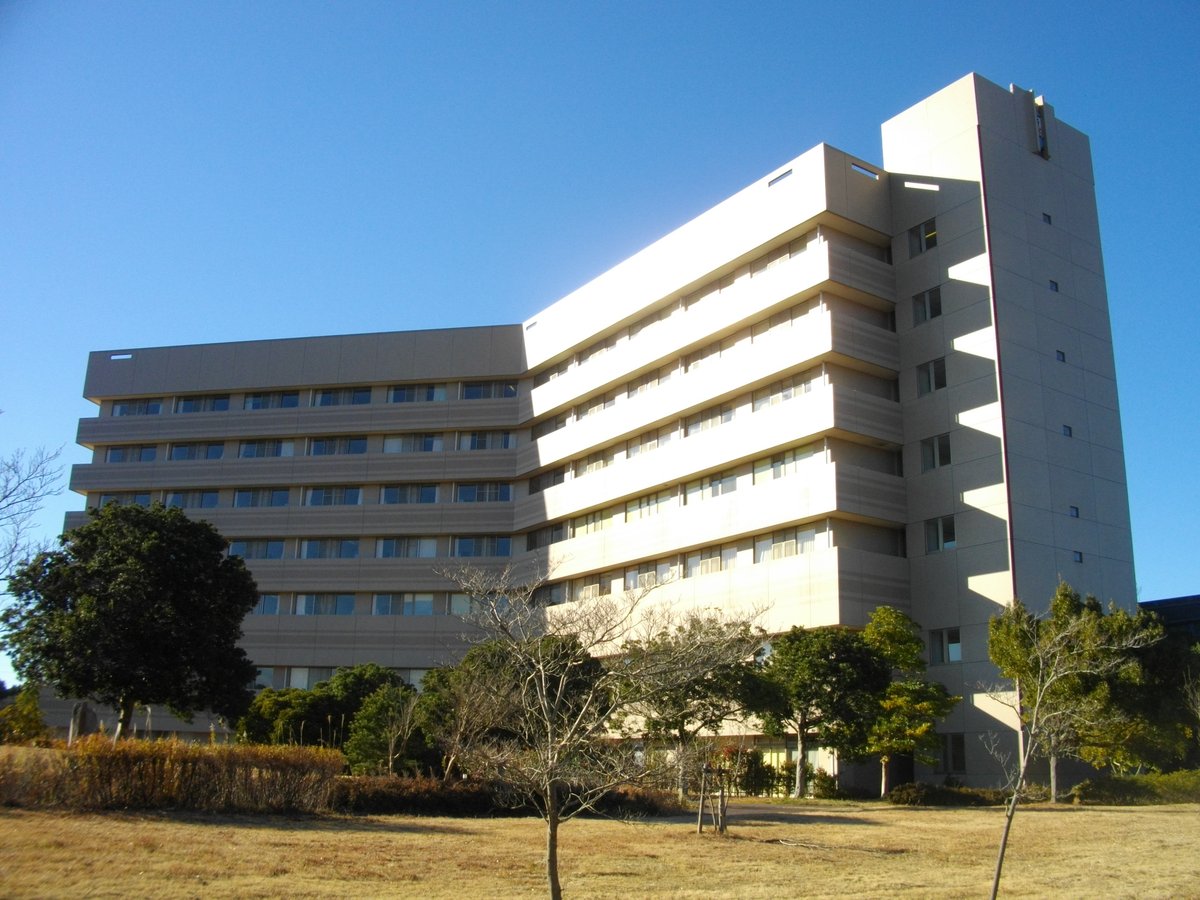
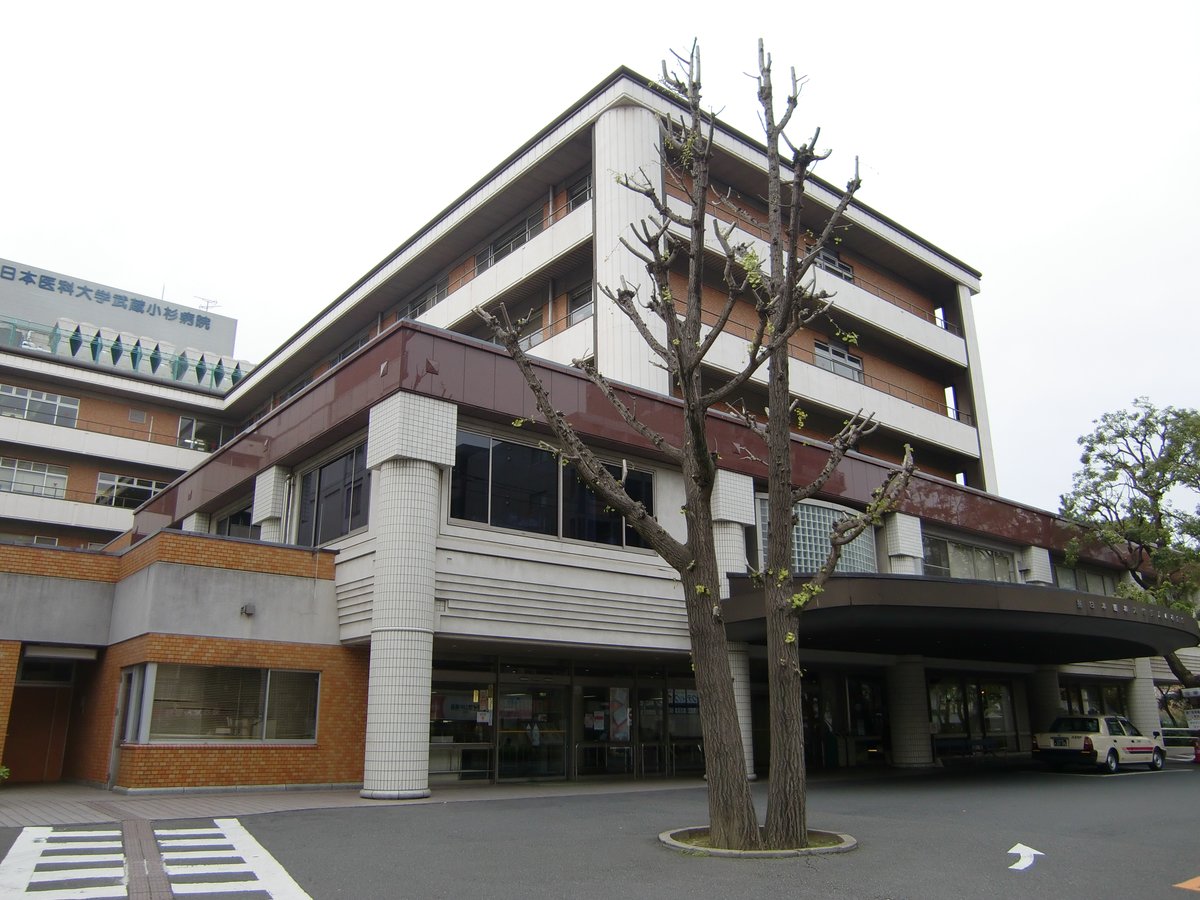
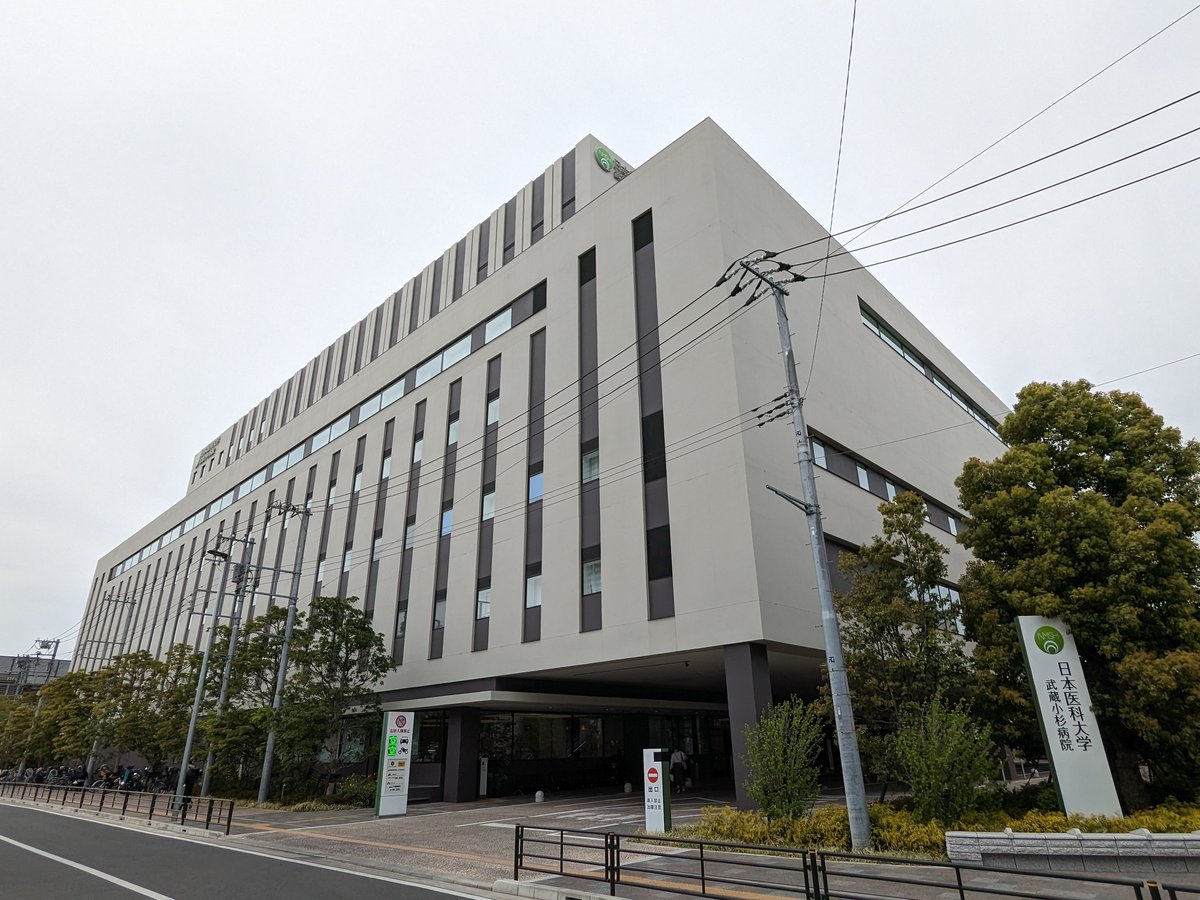
Located in Bunkyo Ward, the Nippon Medical School Monument commemorates the school’s role in Japan’s medical history and the development of healthcare education. The monument and campus are near Sendagi and Myogadani Stations and may interest visitors exploring medical history, Japanese culture, and educational heritage.
For current visitor information, see the Nippon Medical School Visitor Info and the Nippon Medical School Official Website.
History
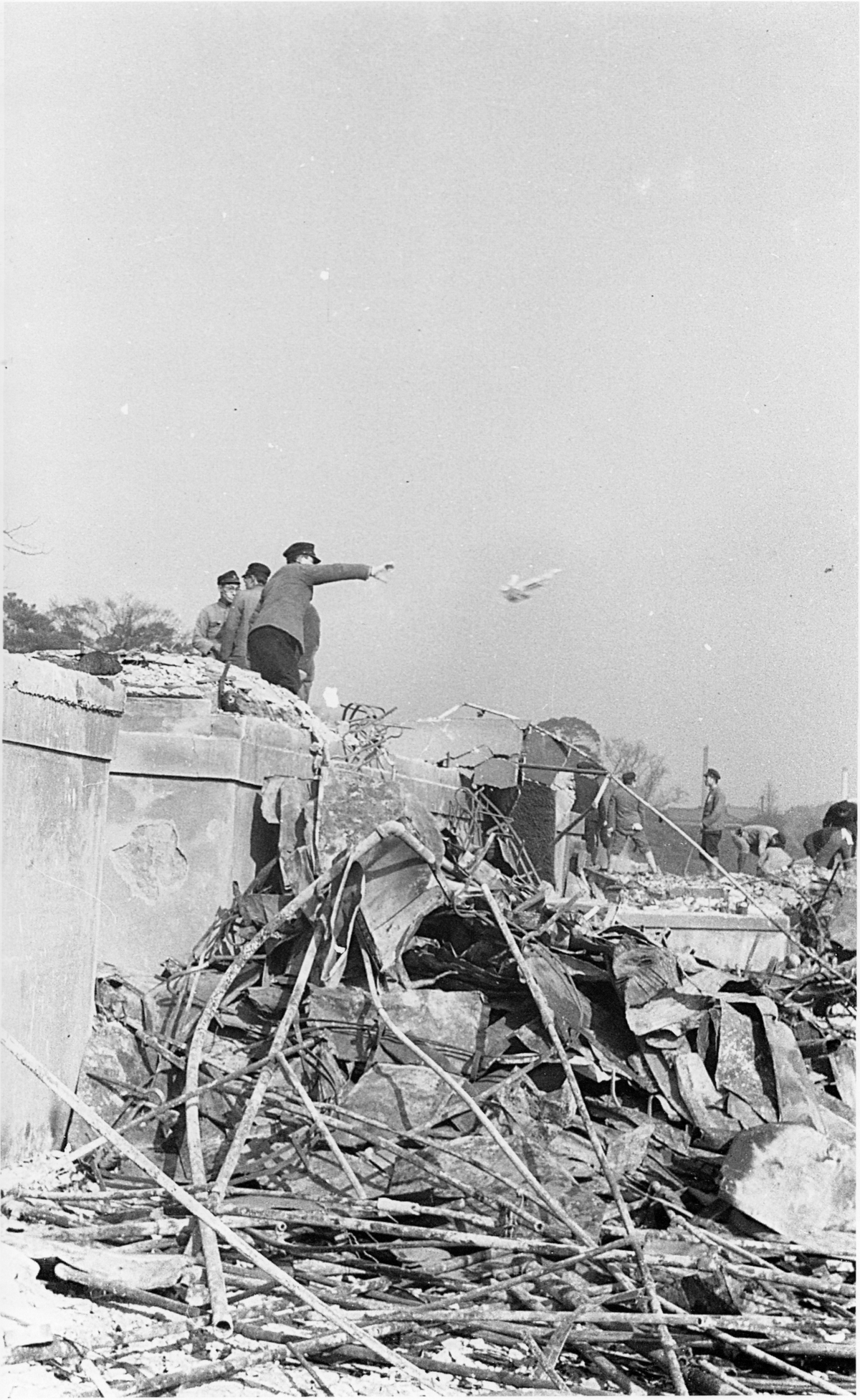
Nippon Medical School (NMS) was established in 1876 as Saisei Gakusha by Dr. Yasushi Hasegawa during the Meiji era. The monument marks the school’s founding and symbolizes Japan’s transition from traditional to Western medicine during the Meiji period.
NMS is among Japan’s oldest private medical institutions and one of the “Shiritsu Idai Gosanke”—the three prestigious private medical universities in Japan. It has played a role in advancing medical education and research and in introducing Western medical education to Japan. Distinguished alumni include bacteriologist Hideyo Noguchi and Yayoi Yoshioka, whose legacies have contributed to global medicine.
What to See
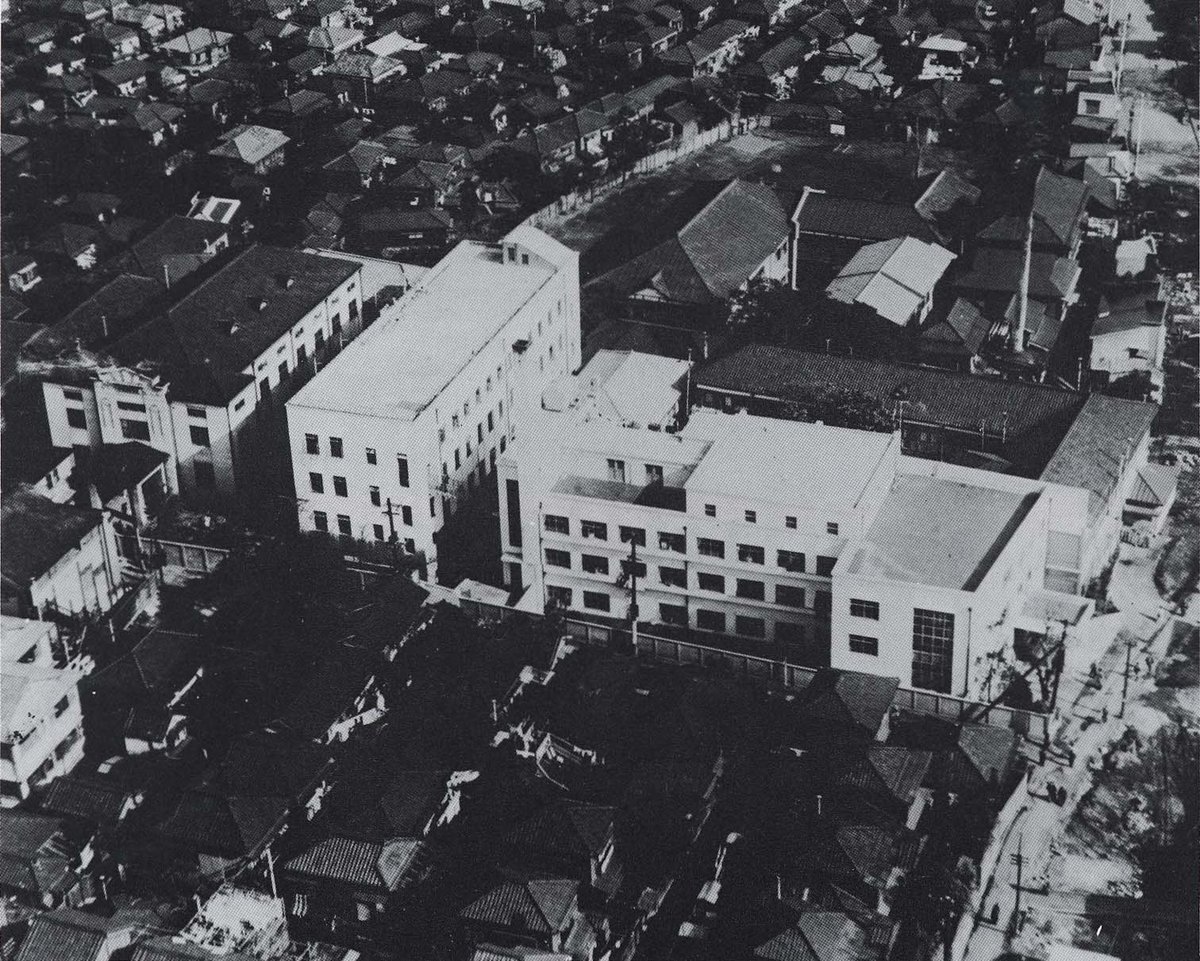
The monument and campus commemorate the school’s history. The Nippon Medical School Museum is also on campus and is open during regular university hours. Occasional medical history exhibitions are held at the university museum.
The campus also hosts an annual commemorative ceremony in November honoring the school’s founding, as well as public lectures and cultural exchange events. Event schedules are available through the official website.
Practical Visiting Information
Location and Access
Address: 1-1-5 Sendagi, Bunkyo-ku, Tokyo 113-8602
- By train 5-minute walk from Sendagi Station on the Tokyo Metro Chiyoda Line.
- By train 10-minute walk from Myogadani Station on the Tokyo Metro Marunouchi Line.
- By bus Several lines stop near the campus.
Visiting Hours and Admission
- Open daily from 9:00 AM to 5:00 PM.
- Closed on national and university holidays; confirm through official resources before your visit.
- Entry to the monument and campus grounds is free.
Accessibility
The monument and campus are wheelchair accessible, with paved paths, ramps, elevators, and accessible restrooms. Multilingual signage is available in Japanese and English.
Guided Tours and Contact
Guided campus and monument tours are available by appointment through the International Exchange Center. English tours are available upon request.
International Exchange Center, Nippon Medical School
1-4-10 Yayoi, Bunkyo-ku, Tokyo 113-0032, Japan
Email: [email protected]
Website: https://www.nms.ac.jp/iec/
For current visiting hours, tour reservations, and event information, consult the Nippon Medical School Visitor Info.
Travel Tips
- Spring and autumn are suggested visiting seasons for pleasant weather and campus scenery.
- Photography is permitted in public and outdoor areas but prohibited in clinical zones and laboratories.
- Modest attire is recommended, especially in hospital areas.
- Suica and PASMO IC cards can be used for subway and bus travel.
- The original guide recommends the Audiala app for interactive guides, maps, real-time updates, and travel tips on Tokyo’s historical sites.
Nearby Places
Bunkyo Ward Attractions
- Koishikawa Korakuen Garden A nearby Japanese landscape garden.
- Nezu Shrine A historic Shinto shrine famous for its azalea gardens.
- Yanaka Cemetery Known for historical figures and cherry blossoms.
- University of Tokyo A prestigious academic campus with architectural and botanical highlights.
- Tokyo Dome City An entertainment complex with shopping and dining.
Imperial Palace
The Imperial Palace is one of Tokyo’s prominent historical sites, serving as the Emperor’s residence and a symbol of Japan’s heritage. The inner palace grounds are generally closed to the public, but the East Gardens are open to visitors.
- East Gardens hours 9:00 AM to 4:30 PM; last entry at 4:00 PM.
- Closures Mondays, Fridays, and December 28–January 3.
- Admission Free.
- Guided tours Advance reservation is required through the Imperial Household Agency official website. Tours are available in Japanese and English.
- Accessibility The grounds and facilities are wheelchair accessible.
- Travel tips Cherry blossom season in spring and autumn foliage are noted for views. Expect security checks at entry.
- Nearby attractions Nijubashi Bridge, Kitanomaru Park, National Museum of Modern Art, Tokyo Station, and Marunouchi District.
Frequently Asked Questions (FAQ)
Q: Is there an admission fee?
A: No. Entry to the monument and campus grounds is free.
Q: Are guided tours available?
A: Yes. Tours are available by appointment through the International Exchange Center.
Q: Is the site accessible for individuals with disabilities?
A: Yes. The monument and campus are wheelchair accessible, with paved paths, ramps, elevators, and accessible restrooms.
Q: What are the nearest public transport options?
A: Sendagi Station on the Tokyo Metro Chiyoda Line and Myogadani Station on the Tokyo Metro Marunouchi Line.
Q: Can I visit the Nippon Medical School Museum on the same day?
A: Yes. The museum is on campus and open during regular university hours.
Q: Is English language support available?
A: Yes. The International Exchange Center offers assistance and English tours.