History and Development
Shiraume Gakuen College’s roots extend to 1942, emerging from an era marked by educational reform and societal rebuilding in post-war Japan. The college’s name, “Shiraume” (White Plum Blossom), symbolizes purity and resilience—qualities mirrored in its enduring mission. Initially serving as an educational foundation, Shiraume Gakuen expanded over the decades, culminating in its establishment as a college in 2005. Today, it specializes in child care, education, and community service, with a legacy of promoting women’s education and leadership (Study Abroad Aide).
Educational Philosophy and Women’s Empowerment
At the heart of Shiraume Gakuen College is a commitment to academic rigor, ethical conduct, and holistic development. The curriculum seamlessly marries theoretical learning with practical applications, especially in the fields of child care, psychology, and social welfare. Historically, the institution has played a pivotal role in advancing opportunities for women, nurturing generations of educators, caregivers, and community leaders. The college’s alumni network is a testament to its ongoing impact on gender equality and social progress.
Campus Features and Architecture
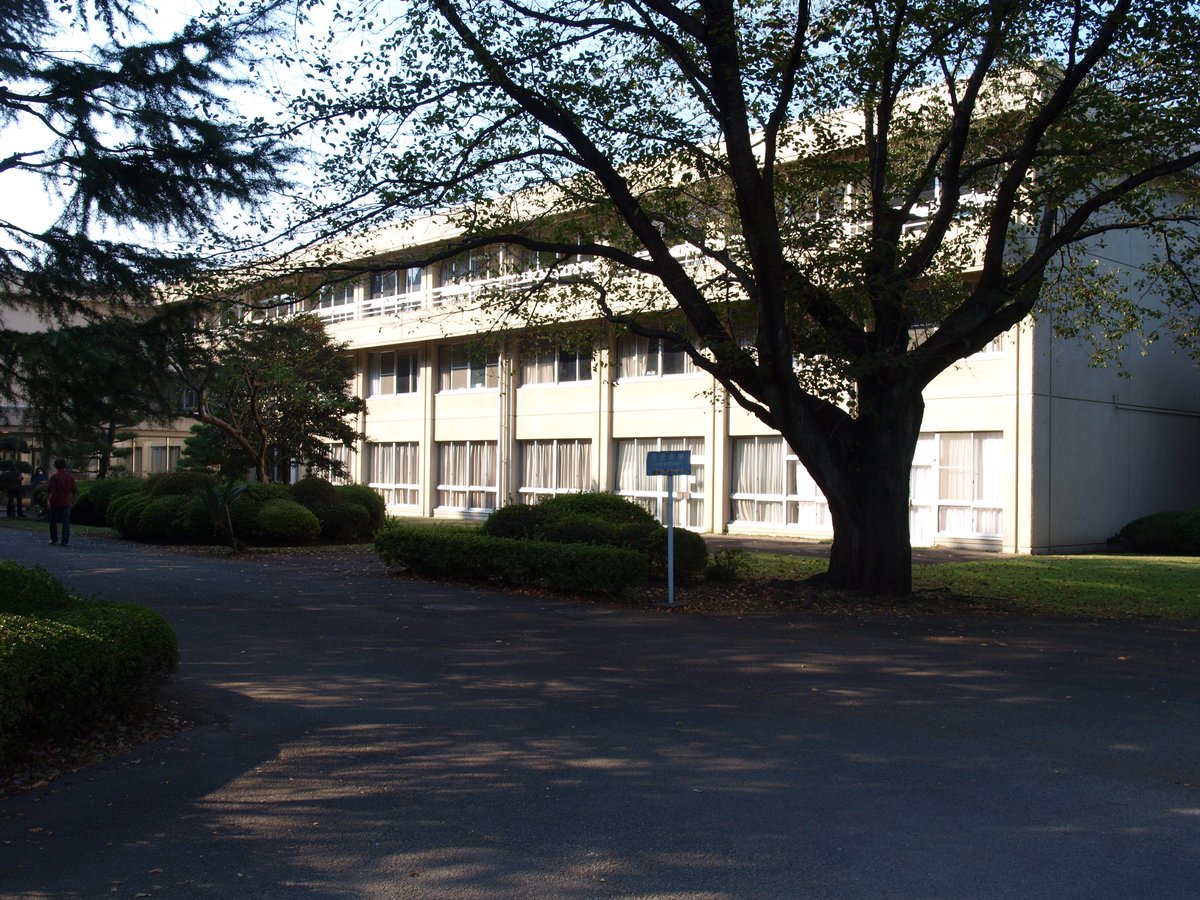
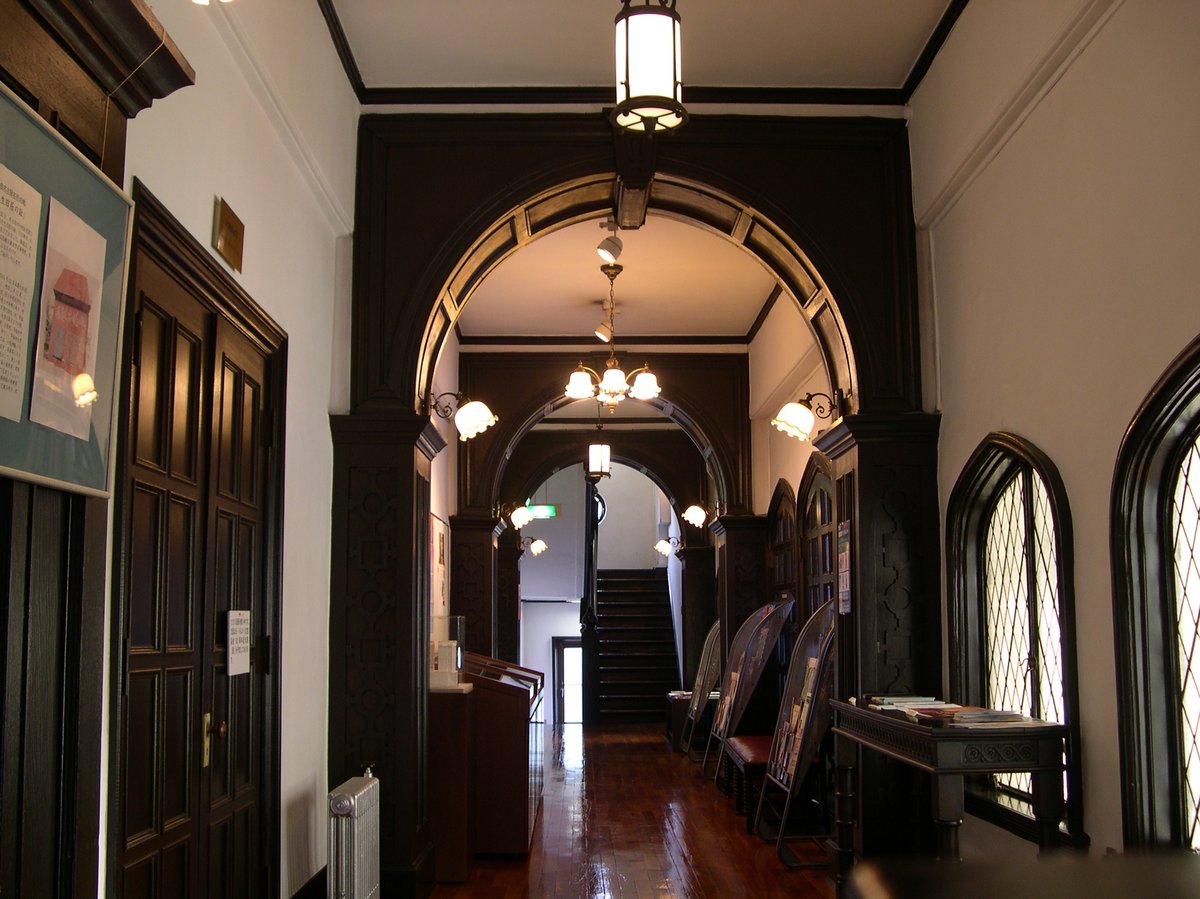
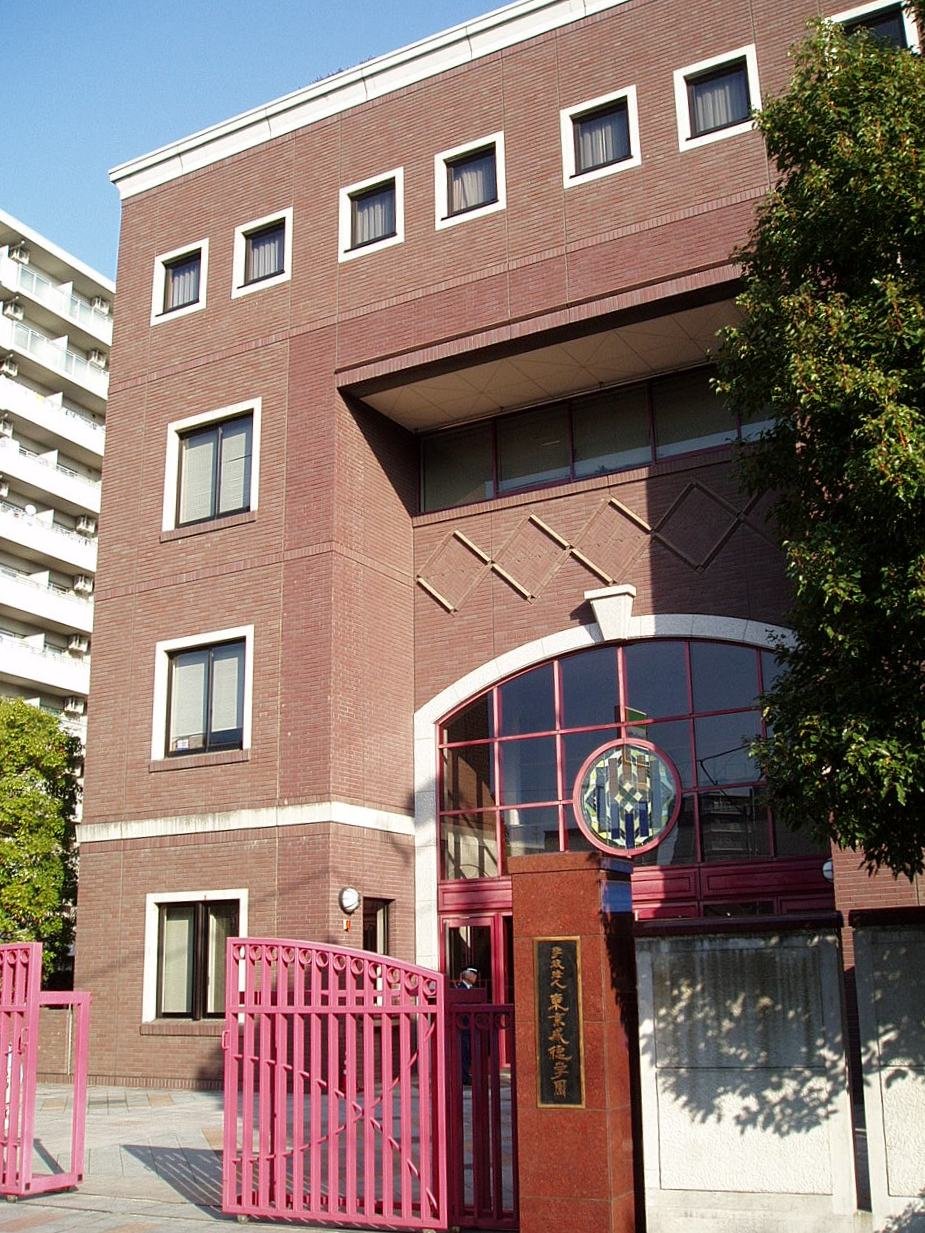
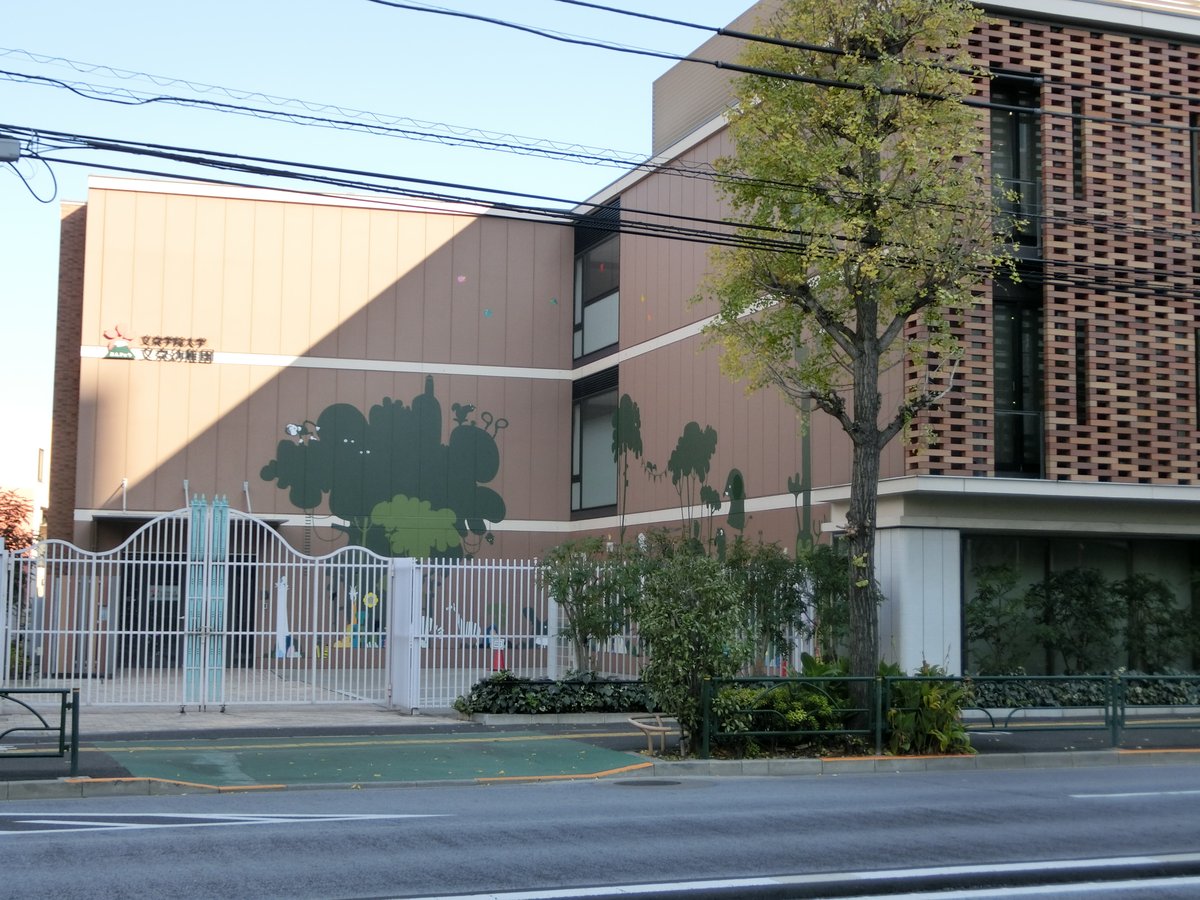
The campus of Shiraume Gakuen College is a harmonious blend of modern facilities and traditional Japanese aesthetics. Visitors will encounter:
- Academic Buildings Equipped with state-of-the-art amenities for lectures, research, and collaborative projects.
- Japanese Gardens Featuring plum trees and landscaped spaces that offer a peaceful environment for study and reflection.
- Student Commons and Cafeteria Open during events, offering affordable Japanese meals.
- Library Specializing in education and welfare resources, accessible during open campus events.
- Accessibility The campus is fully accessible, with ramps, elevators, and barrier-free paths.
Visiting Information: Hours, Tickets, and Access
- Visiting Hours Open to visitors on weekdays from 9:00 AM to 5:00 PM. Full access is offered during open campus days and special events (see schedule).
- Admission and Tickets General campus access is free. Special exhibitions or cultural events may require tickets or prior registration.
- Guided Tours Available by reservation during open campus and event days, offering insights into the college’s history and academic programs.
- Arrival and Transportation From Tokyo Station, take the JR Chuo Line to Kokubunji Station, transfer to the Seibu Kokubunji Line to Koigakubo Station, and walk to the campus. Alternatively, Ogawa and Shin-Kodaira Stations provide convenient access (official website).
- Photography Permitted outdoors; seek permission before photographing people or inside buildings.
Community Engagement and Cultural Events
Shiraume Gakuen College is deeply engaged with the Kodaira community. Throughout the year, the college hosts:
- Traditional Arts Demonstrations Tea ceremonies, calligraphy workshops, and seasonal festivals.
- Public Lectures and Seminars Focusing on child welfare, psychology, and education.
- Student Projects and Exhibitions Showcasing research, community outreach, and artistic expression.
Visitors are encouraged to participate or observe, gaining firsthand experience of local customs and academic life.
Academic Recognition
Shiraume Gakuen College is recognized for excellence in early childhood education and social welfare. The faculty is comprised of experienced educators and researchers, and the institution maintains strong partnerships with local organizations and schools. Graduates are highly sought after for their expertise and dedication.
International Visitor Experience
The college welcomes international visitors—whether prospective students, researchers, or travelers interested in Japanese education. Some English signage and support are available during open campus events; visitors are advised to check event listings and consider translation apps or a Japanese-speaking companion for a smoother experience.
Heritage Preservation and Future Directions
Shiraume Gakuen College is committed to preserving its educational heritage while embracing innovation. The institution continues to expand digital resources, international collaborations, and programs addressing contemporary social issues. Alumni reunions, archival collections, and campus events celebrate and sustain its legacy.
The Shiraume Monument: Guide and Significance
Located in Kodaira, the Shiraume Monument commemorates the educational and social contributions of Shiraume Gakuen. Set within a tranquil park, the monument is a symbol of peace, learning, and community spirit (Official Kodaira Tourism Website).
Visiting Details
- Hours Open daily from 9:00 AM to 5:00 PM.
- Admission Free; no tickets required.
- Accessibility Barrier-free paths and ramps accommodate all visitors.
- Guided Tours Available during special events or by arrangement.
- Photography Encouraged, especially during cherry blossom season.
Location and Access
- By Train Seibu Kokubunji Line to Kodaira Station, 15-minute walk.
- By Bus Local buses from Kodaira Station.
- Parking Limited; public transportation recommended.
Nearby Attractions
- Kodaira City Museum of Art
- Tama Central Park
- Sayama Hills Nature Trail
- Local shrines and gardens
Kodaira Attractions and Local Tips
- Explore Local Cafés Around Ogawa Station, discover cozy cafés and bakeries.
- Best Time to Visit Spring and autumn, especially for cherry blossoms.
- Prepare for Walking Comfortable shoes are recommended.
- Check Event Schedules For open campus days, festivals, and public lectures.
Frequently Asked Questions (FAQ)
Q: What are the campus visiting hours?
A: Weekdays, 9:00 AM to 5:00 PM; open campus and event days offer broader access.
Q: Is there an admission fee?
A: General access is free. Some events may require tickets or registration.
Q: Are guided tours available?
A: Yes, during open campus events or by prior arrangement.
Q: How accessible is the campus and monument?
A: Both are equipped with ramps and barrier-free paths.
Q: Can I take photographs?
A: Outdoor photography is welcome; seek permission indoors.
Q: How do I reach the college and monument via public transport?
A: Use the JR Chuo and Seibu lines; see official travel guides for details (Go Tokyo travel guide).