
Hachijojima and its airport
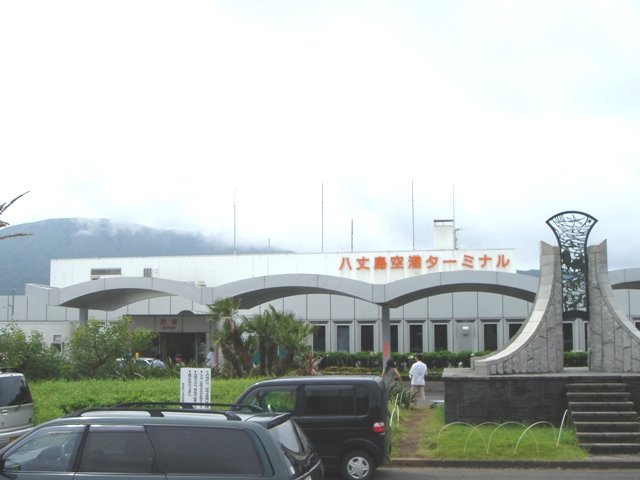
Hachijojima Island lies approximately 290 kilometers south of central Tokyo and is part of the Tokyo Metropolis and the Izu archipelago. With roughly 7,000 inhabitants, the island is known as “Tokyo’s nearest tropical island.” Hachijojima Airport (HAC) is its primary gateway for residents and visitors, linking the island with mainland Japan and supporting tourism, commerce, and local life. The airport has made travel much faster than the former ten-hour ferry journey (FlyAirports; Japan Travel; Tsunagu Japan).
History and role
Hachijojima Airport opened in 1967 to provide a reliable air connection between the island and mainland Japan. Its location in the Izu archipelago supports the movement of people and goods and is important for daily life and emergency response. The airport has undergone regular upgrades to accommodate passenger numbers and changing aviation standards (FlyAirports).
Scheduled daily services are described as being operated by All Nippon Airways (ANA) and Japan Airlines (JAL), primarily connecting the island with Tokyo Haneda Airport. ANA operates three daily flights from Haneda, with a flight time of approximately 55 minutes (Japan Guide; Tokyo Cheapo). The island’s alternative ferry journey is listed as both ten hours and 10.5–11 hours.
The airport supports tourism and local businesses, including the export of regional specialties such as ashitaba and seafood. Easier access to the mainland also supports residents’ education, healthcare, and commerce, while tourism and events help preserve local traditions and crafts such as Kihachijo silk weaving (Tsunagu Japan).
Hachijojima Airport is designated as an emergency landing site for trans-Pacific flights and is equipped to support medical emergencies and disaster response, including during typhoons and earthquakes (FlyAirports).
Weather disruptions are frequent because of the island’s subtropical climate, and limited airport capacity can cause congestion during peak periods. Ongoing improvements focus on infrastructure, accessibility, and services (FlyAirports).
What to see and do
Nature and outdoor activities
- Hachijojima Botanical Garden Rare tropical flora.
- Hachijo Fuji (Mt. Nishi) Climb 1,280 steps for panoramic views. The airport’s observation deck and viewpoints around Mount Hachijo-Fuji are also noted for island photography.
- Mount Mihara Hiking trails and sunrise and sunset views.
- Miharayama Observatory A nearby viewpoint.
- Nanbara Senjojiki Lava Field Dramatic volcanic scenery and panoramic viewpoints (Tokyo Islands).
- Urami-ga-taki Waterfall An accessible path.
- Sokodo Beach Swimming and snorkeling.
- Marine activities Scuba diving and snorkeling tours, surfing, and fishing.
- Miharashi no Yu Hot spring open 10:00 AM–9:00 PM; admission ¥500 (Tokyo Cheapo).
Culture, food, and seasonal experiences
Local festivals feature cultural demonstrations and performances. The island also offers handcraft workshops and bioluminescent mushroom tours, with glowing mushrooms reported from late May to early September (Tokyo Islands).
Local foods and products include:
- Shima zushi (mustard sushi)
- Ashitaba dishes and ice cream
- Kusaya (fermented fish)
- Local dairy and fruit specialties
- Island shochu (Tokyo Cheapo; Tokyo Islands)
Practical visiting information
Airport hours, tickets, and facilities
Hachijojima Airport is open daily from 6:00 AM to 9:00 PM. These hours accommodate scheduled flights, ticketing, check-in, and airport amenities.
Tickets can be purchased online through ANA, JAL, or reputable travel agencies, or at airport ticket counters. Advance booking is advised, especially during peak seasons. The airport guide lists multiple daily flights, with frequency varying according to seasonal demand.
Airport facilities include a convenience store, restaurant, souvenir shop, and free terminal Wi-Fi. Accessible features include ramps, elevators, accessible restrooms, and staff trained to assist passengers. Wheelchair-friendly ground transportation options are available, but the observation deck can be reached by stairs only (Tokyo Metropolitan Government).
Getting to the island
- Air ANA operates three daily flights from Tokyo Haneda, taking approximately 55 minutes (Japan Guide; Tokyo Cheapo).
- Ferry A daily night ferry runs from Takeshiba Pier and takes 10.5–11 hours (Tokyo Cheapo; ID Backpacker). The airport monument’s visitor information describes the ferry journey from Takeshiba Pier as 10 hours.
- Helicopter Inter-island flights serve Aogashima and Mikurajima (Wikipedia).
Getting around the island
Local buses, taxis, and rental cars are available at the airport. The main town and accommodations are a short distance away; bicycles and scooters are also available to rent.
- Rental cars From ¥3,000 per day; described as essential for flexibility (Japan Guide).
- Buses Service is infrequent; a two-day pass costs ¥1,000 (Tokyo Cheapo).
- Bicycles and scooters From ¥1,000–¥1,500 per day; best suited to central areas.
Accommodation
Accommodation options include hostels, ryokan, B&Bs, and hotels (Tokyo Cheapo; Ryukoch). Booking in advance is advised, particularly during peak seasons (Japan Guide).
Tips
- Check flight status for weather-related delays and allow flexibility in travel plans (Japan Guide).
- Arrive at the airport at least one hour before departure.
- Advance ticket booking can offer better rates and availability.
- The subtropical climate makes spring through autumn the best season to visit; June–July is rainy (ID Backpacker).
- ATMs are limited, so bring cash (Tokyo Cheapo).
- English is limited; learning key phrases can be useful.
- Wi-Fi is mainly available in accommodations, and shops close early, so plan ahead.
- Respect local guidelines for nature conservation.
Nearby places
Historical sites
- Hachijojima Folk Museum Open daily, 9:00 AM–5:00 PM. Admission is ¥300 for adults and ¥150 for children. Ramps and accessible restrooms are available.
- Motoyama Park and Historical Ruins Open 24 hours; daytime visits are recommended. Admission is free, and trails are partially accessible.
- Hachijo Shrine Open 7:00 AM–6:00 PM. Admission is free. Some steps are present, and assistance may be required.
Most sites are affordable or free and have accessibility features; opening details and closures may change.
Hachijojima Airport Monument
The monument commemorates the island’s aviation history and the opening of Hachijojima Airport in 1967. It features sculptural elements and honors aviation pioneers.
It stands adjacent to the airport terminal and is open daily from 8:00 AM to 6:00 PM. Admission is free, and the site is wheelchair accessible, with nearby parking. From the airport, it is a short walk. The visitor information also describes reaching it by ferry via a short taxi ride from Sokodo Port; rental cars, taxis, buses, and bicycles are other ground-transport options.
The monument can be combined with visits to the botanical garden, Miharayama Observatory, and local hot springs.
Other cultural sites
- Hachijo Visitor Center Open daily, 9:00 AM–5:00 PM (Japan Guide).
- Hachijo Island Museum of History Open Wednesday–Sunday, 10:00 AM–4:00 PM; admission ¥300 (ID Backpacker).
Frequently Asked Questions (FAQ)
Q: What are Hachijojima Airport’s visiting hours?
A: Daily, 6:00 AM–9:00 PM.
Q: How do I buy tickets for Hachijojima flights?
A: Online through ANA or JAL, or at airport ticket counters.
Q: Are there guided tours of the airport?
A: There are no official airport tours, but island tours are available through local operators.
Q: Is the airport accessible for people with disabilities?
A: The airport has accessibility features, but the observation deck requires stair access.