Discover the National Center for Global Health and Medicine (NCGM) in Tokyo
Situated in the heart of Tokyo, the National Center for Global Health and Medicine (NCGM) reflects Japan’s longstanding commitment to medical advancement and global health. Established in 1868 during the Meiji Restoration, it began as an army hospital and has developed over more than 150 years into an institution integrating clinical care, research, and international health collaboration.
Visitors can explore medical exhibitions, join educational tours, and attend special programs on global health challenges, including infectious diseases. The center is close to cultural sites such as Koishikawa Korakuen Garden and Tokyo Dome City, offering access to both historical and modern attractions. (NCGM Official; PubMed)
The NCGM was founded in 1868 during the Meiji Restoration as a temporary army hospital (PubMed). After World War II, it became integrated with Japan’s healthcare system. In 2015, it officially became the National Center for Global Health and Medicine, with a focus on research and international collaboration (NCGM Official).
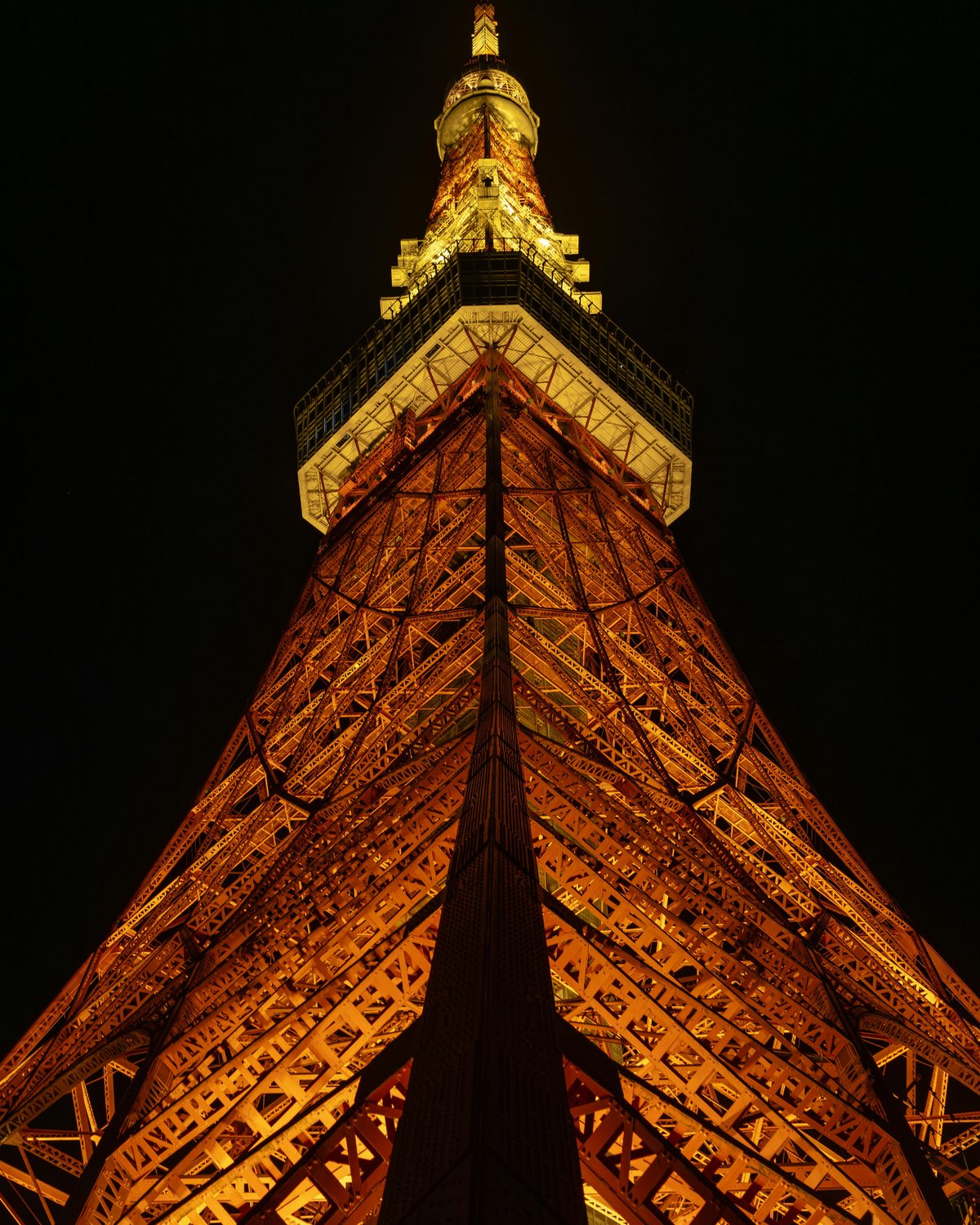
Tokyo Tower, another Tokyo landmark covered in this guide, was completed in 1958. Inspired by Paris’s Eiffel Tower, it was built as a broadcasting antenna and symbolized Japan’s rapid economic recovery. It remains a landmark combining historical significance with modern attractions (Tokyo Tower Official).
What to See
Tours and Educational Programs
NCGM guided tours explore its transformation from a military hospital to a global health institution. Tours include exhibition areas covering medical history, international cooperation, and innovations such as the Biobank for precision medicine. Special programs and lectures highlight research on infectious diseases and responses to public health crises.
Research and Global Impact
NCGM is recognized internationally for research into infectious diseases, immune disorders, and precision medicine. It collaborates with global partners and played a vital role during the COVID-19 pandemic, contributing to public health efforts and medical research.
Tokyo Tower’s observation areas offer sweeping city views. The landmark also has exhibits and interactive displays for visitors of all ages.
Practical Visiting Information
Visiting Hours and Ticket Information
NCGM educational tours and exhibitions are generally available Monday to Friday, 9:00 AM–5:00 PM. Weekend visits require an advance reservation or participation in a special event.
Admission to standard exhibitions and tours is free. Advance booking is recommended because group sizes are limited. Some special programs or lectures may carry a nominal fee. Check the official NCGM website or contact visitor services directly for the latest visiting hours and ticket information.
How to Get to NCGM
- Address 1-21-1 Toyama, Shinjuku-ku, Tokyo 162-8655.
- By train A 10-minute walk from JR Suidobashi Station; Korakuen Station, served by the Tokyo Metro Marunouchi and Namboku lines, is also nearby.
- By bus Multiple local bus routes serve the area; refer to the latest transit guides.
Tokyo Tower Visiting Hours and Tickets
Tokyo Tower is open daily, including holidays. Hours include extended opportunities to enjoy nighttime illuminations.
- Main Observatory 9:00 AM–11:00 PM; last admission 10:30 PM.
- Special Observatory 9:00 AM–10:30 PM; last admission 10:00 PM.
- Main Observatory tickets Adults ¥1,200, children (6–12) ¥700, seniors (65+) ¥1,000.
- Special Observatory (additional) Adults ¥700, children ¥500, seniors ¥600.
Tickets are available on-site and online. Group and family discounts are offered.
Getting to Tokyo Tower
The closest stations are Akabanebashi on the Toei Oedo Line and Kamiyacho on the Tokyo Metro Hibiya Line.
Visitor Tips
Accessibility and Visitor Tips
NCGM has ramps, elevators, and assistance services for visitors with disabilities. Photography is allowed in exhibition spaces but restricted in clinical and research areas for privacy. Tours are primarily in Japanese; English-language materials and guides can be requested in advance. Advance booking is necessary for English-language tours. Protocols such as mask-wearing and temperature checks may be required.
Tokyo Tower is fully accessible, with elevators and multilingual support. English-speaking guides are available and provide historical context. Visit late afternoon for both daylight and night views. The main observatory’s outdoor deck is a photo opportunity, especially at sunset. Photography is allowed throughout the observation areas. Dining facilities include a café at the main observatory.
For updates on NCGM events and health initiatives, follow its social media. The Audiala app offers guided tours, audio content, and visitor tips around Tokyo, including at NCGM; it can also be used to discover Tokyo historical sites, buy tickets, and access travel tips.
Nearby Attractions and Tokyo Historical Sites
Near NCGM, visitors can explore:
- Koishikawa Korakuen Garden A historic Japanese garden within walking distance.
- Tokyo Dome City An entertainment complex with shopping, dining, and amusement facilities.
- The University of Tokyo A historic campus with museums and notable architecture.
Near Tokyo Tower are:
- Zojoji Temple A historic Buddhist temple adjacent to Tokyo Tower.
- Shiba Park A tranquil green space for relaxation after a visit.
FAQ
Q: Can tourists visit the NCGM Center Hospital?
A: The hospital mainly serves patients and is not open for casual tours, but visitors can access educational tours and exhibitions in designated areas.
Q: Are guided NCGM tours available in English?
A: Yes. Advance booking is necessary for English-language tours.
Q: Is photography permitted within NCGM?
A: Photography is allowed in exhibition spaces only.
Q: How can I reach NCGM via public transport?
A: The closest stations are JR Suidobashi and Korakuen (Tokyo Metro).
Q: Can I take photos inside Tokyo Tower?
A: Yes. Photography is allowed throughout the observation areas.
Q: Is Tokyo Tower suitable for children?
A: Yes. It has exhibits and interactive displays for all ages.
Q: Are there dining facilities at Tokyo Tower?
A: Yes, including a café at the main observatory.
Q: How do I get to Tokyo Tower?
A: The closest stations are Akabanebashi (Toei Oedo Line) and Kamiyacho (Tokyo Metro Hibiya Line).
Plan Your Visit
For current information on NCGM visiting hours, tour reservations, and events, visit the NCGM official website. For official Tokyo Tower details, visit the Tokyo Tower official website, and explore other Tokyo historical sites.