
Exploring Tokyo Skytree: History, Significance, and Visitor Information
Introduction
Tokyo Skytree is not just an architectural marvel but also a symbol of Tokyo's rapid growth and modernization. This towering structure serves as a broadcasting and observation tower, offering breathtaking views of the city and beyond. In this article, we delve into the history, significance, and essential visitor information for Tokyo Skytree, making it a must-see destination on your Tokyo itinerary.
History and Significance
Origins and Construction
Tokyo Skytree, a broadcasting and observation tower located in Sumida, Tokyo, was conceived to address the limitations of the older Tokyo Tower. Built in 1958, Tokyo Tower had served as the main broadcasting tower for decades. However, with the transition from analog to digital television broadcasting, concerns arose that Tokyo Tower wouldn’t function properly due to interference from surrounding high-rise buildings (Japan Wonder Travel). Consequently, Japan decided to construct a new, taller tower to ensure stable signal transmission across the region.
Construction of Tokyo Skytree began in 2008 and was completed on February 29, 2012. The tower officially opened to the public on May 22, 2012 (Wikipedia). The project was funded by Tobu Railway and a consortium of six terrestrial broadcasters led by NHK. The tower's design, published on November 24, 2006, was based on three core concepts: fusion of traditional Japanese beauty and neo-futuristic design, contribution to disaster prevention, and environmental considerations (Japan Wonder Travel).
Architectural Marvel
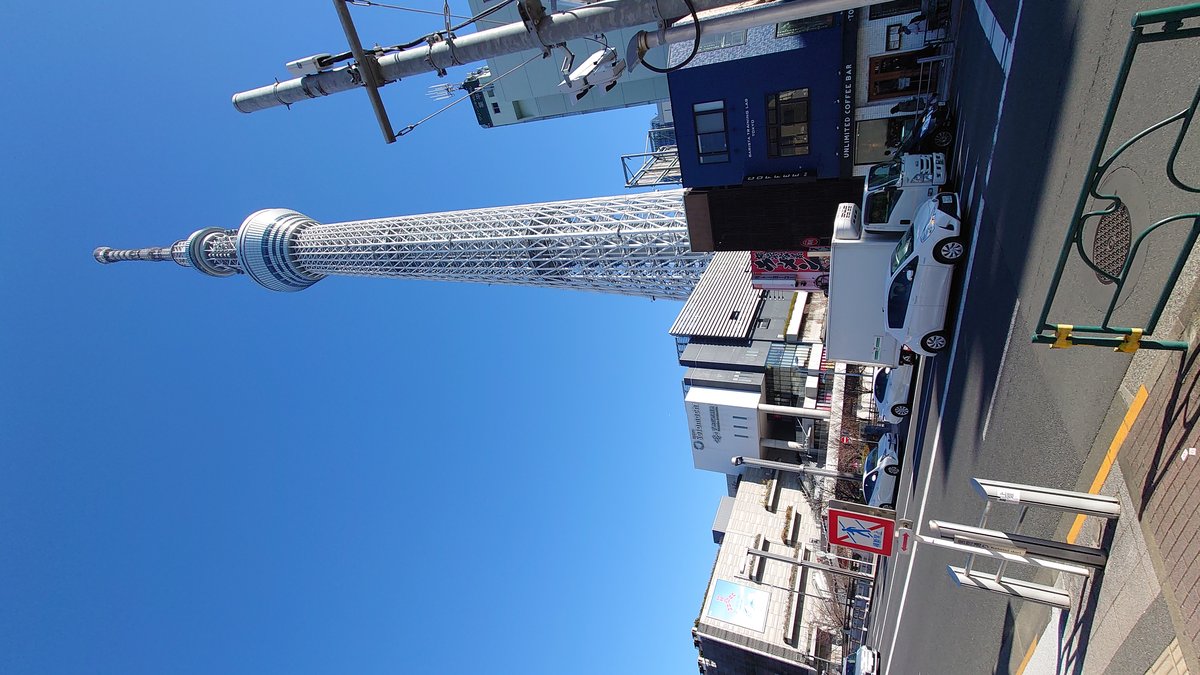
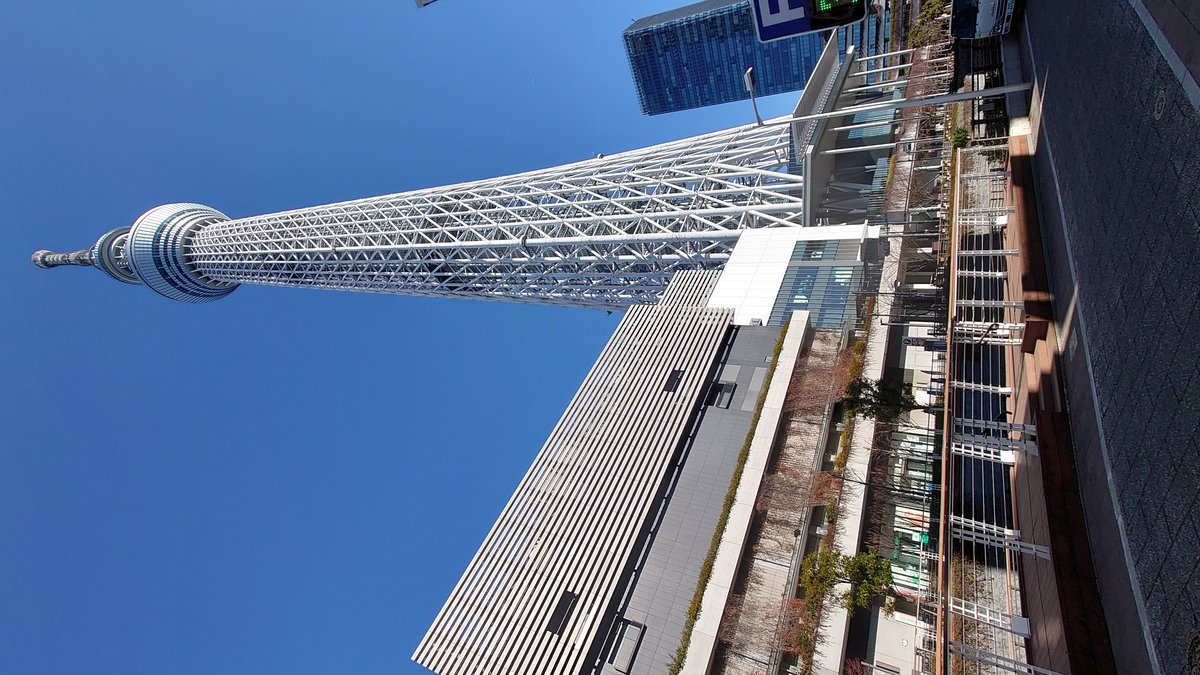
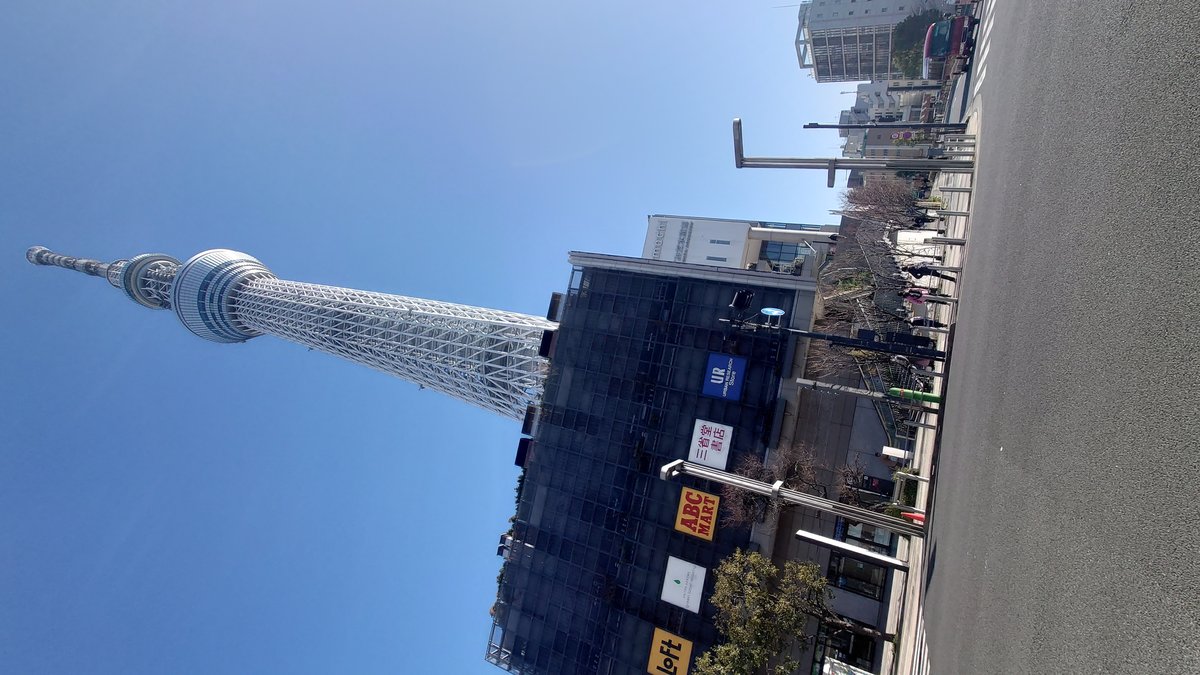
Tokyo Skytree stands at a height of 634 meters (2,080 feet), making it the tallest tower in Japan and the third tallest structure in the world, following the Burj Khalifa and Merdeka 118 (Wikipedia). The height of 634 meters was chosen for its mnemonic significance, as the numbers 6 (mu), 3 (sa), and 4 (shi) can be read as "Musashi," an old name for the region where the tower stands (Wikipedia).
The tower's design, a blend of traditional and futuristic elements, was crafted by renowned architect Tadao Ando. The exterior resembles a five-story pagoda, reflecting the traditional beauty of the neighboring Asakusa area, while the interior features a more futuristic design with a spiral, glass-covered skywalk ascending to the observatory (Navitime Travel).
Broadcasting and Communication Hub
Tokyo Skytree serves as the primary television and radio broadcast site for the entire Kanto area. It took over this role from Tokyo Tower, which could no longer provide complete digital terrestrial television broadcasting coverage due to interference from high-rise buildings (Wikipedia). The tower is equipped with state-of-the-art broadcasting and communication facilities, ensuring reliable signal transmission across the region.
Cultural and Economic Impact
Since its opening, Tokyo Skytree has become a significant cultural and economic landmark in Tokyo. It attracts millions of visitors annually, drawn by its impressive height, stunning views, and various attractions. The tower is the centerpiece of Tokyo Skytree Town, a large commercial complex that includes over 300 shops, restaurants, and entertainment facilities, such as the Sumida Aquarium and the Konica Minolta Planetarium "Tenku" (Japan Welcomes You).
The tower's illumination design, published on October 16, 2009, features two alternating patterns: sky blue "Iki" (chic, stylish) and purple "Miyabi" (elegance, refinement). These illuminations, powered by LEDs, enhance the tower's visual appeal and contribute to Tokyo's vibrant nightscape (Wikipedia).
Visitor Experience
Observation Decks
Tokyo Skytree offers visitors an unparalleled experience with its two observation decks: the Tembo Deck at 350 meters and the Tembo Galleria at 450 meters. These decks provide 360-degree panoramic views of Tokyo, extending as far as Mount Fuji on clear days (Loving Tokyo). The Tembo Deck features a glass floor section, a café, a restaurant, and a souvenir store, while the Tembo Galleria offers a spiral, glass-covered skywalk for a unique viewing experience (Salt in Our Hair).
Tickets and Visiting Hours
Visitors can purchase Tokyo Skytree tickets online or at the tower. Ticket prices vary depending on the observation deck and age group. Standard tickets for the Tembo Deck are ¥2,100 for adults, ¥1,550 for high school students, ¥950 for elementary school students, and ¥600 for children aged 4-5. Tickets for the Tembo Galleria are slightly higher. Tokyo Skytree is open daily from 8:00 AM to 9:00 PM, with last admission at 8:00 PM (Official Tokyo Skytree Website).
Travel Tips and Accessibility
Tokyo Skytree is easily accessible via public transportation. It is located near Oshiage Station and Tokyo Skytree Station, which can be reached by multiple train lines, including the Tobu Skytree Line, Tokyo Metro Hanzomon Line, Keisei Oshiage Line, and Toei Asakusa Line. The tower is wheelchair accessible and offers rental wheelchairs for those in need. There are also multilingual guides and information available to assist international visitors (Official Tokyo Skytree Website).
Special Events and Guided Tours
Throughout the year, Tokyo Skytree hosts various special events and exhibitions. Guided tours are available and provide in-depth information about the tower's history, construction, and significance. These tours can be booked in advance through the official website or at the tower's information desk (Official Tokyo Skytree Website).
Photographic Spots
Tokyo Skytree and its surrounding areas offer numerous photographic spots. The tower itself is a popular subject, especially when illuminated at night. Additionally, the nearby Sumida Park and Asakusa areas provide picturesque views of the tower and the cityscape (Loving Tokyo).
FAQ
-
What are the visiting hours for Tokyo Skytree?
- Tokyo Skytree is open daily from 8:00 AM to 9:00 PM, with last admission at 8:00 PM.
-
How much are tickets for Tokyo Skytree?
- Standard tickets for the Tembo Deck are ¥2,100 for adults, ¥1,550 for high school students, ¥950 for elementary school students, and ¥600 for children aged 4-5. Tickets for the Tembo Galleria are slightly higher.
-
What is the best time to visit Tokyo Skytree?
- The best time to visit is during clear weather conditions for optimal views, ideally in the morning or late afternoon to avoid peak tourist hours.
-
How can I get to Tokyo Skytree?
- Tokyo Skytree is accessible via Oshiage Station and Tokyo Skytree Station, serviced by multiple train lines.
Significance in Modern Tokyo
Tokyo Skytree symbolizes Tokyo's rapid growth and its status as a global economic and cultural hub. The tower's construction required the efforts of over 7,000 workers and stands as a testament to modern engineering and architectural prowess (Japan Welcomes You). It also plays a crucial role in disaster prevention and emergency communication, underscoring its importance beyond being a tourist attraction.
Discover More
Ready to explore Tokyo Skytree? Plan your visit today by checking out their official website for the latest information on tickets, visiting hours, and special events. Don’t forget to follow us on social media for more updates and travel tips!