What the place is
The Graduate School of Project Design is an academic institution in Tokyo. Its locale is close to historic and cultural landmarks including Edo Castle, Tokyo Tower, and the Tokyo Imperial Palace.
Tokyo’s mix of tradition and innovation is reflected in these nearby sites. Official information is available from the Imperial Household Agency, the Tokyo Tower Official Website, and the Tokyo Tourism Official Site.
History
Edo Castle
Edo Castle, in Chiyoda, Tokyo, was constructed in 1603 by Tokugawa Ieyasu and served as the seat of power during the Edo period (1603–1868). Its extensive moats, defensive structures, and stately gardens were notable features. After the Meiji Restoration, much of the original castle was repurposed; portions including the East Gardens remain, integrated into the Imperial Palace grounds.
Tokyo Imperial Palace
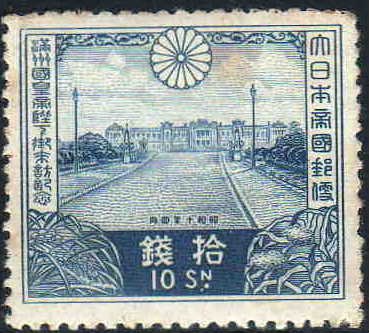
Built on the site of former Edo Castle, the Tokyo Imperial Palace has been the residence of Japan’s imperial family since 1869. It represents the transition from feudal rule to modern monarchy and is surrounded by gardens and moats.
Tokyo Tower
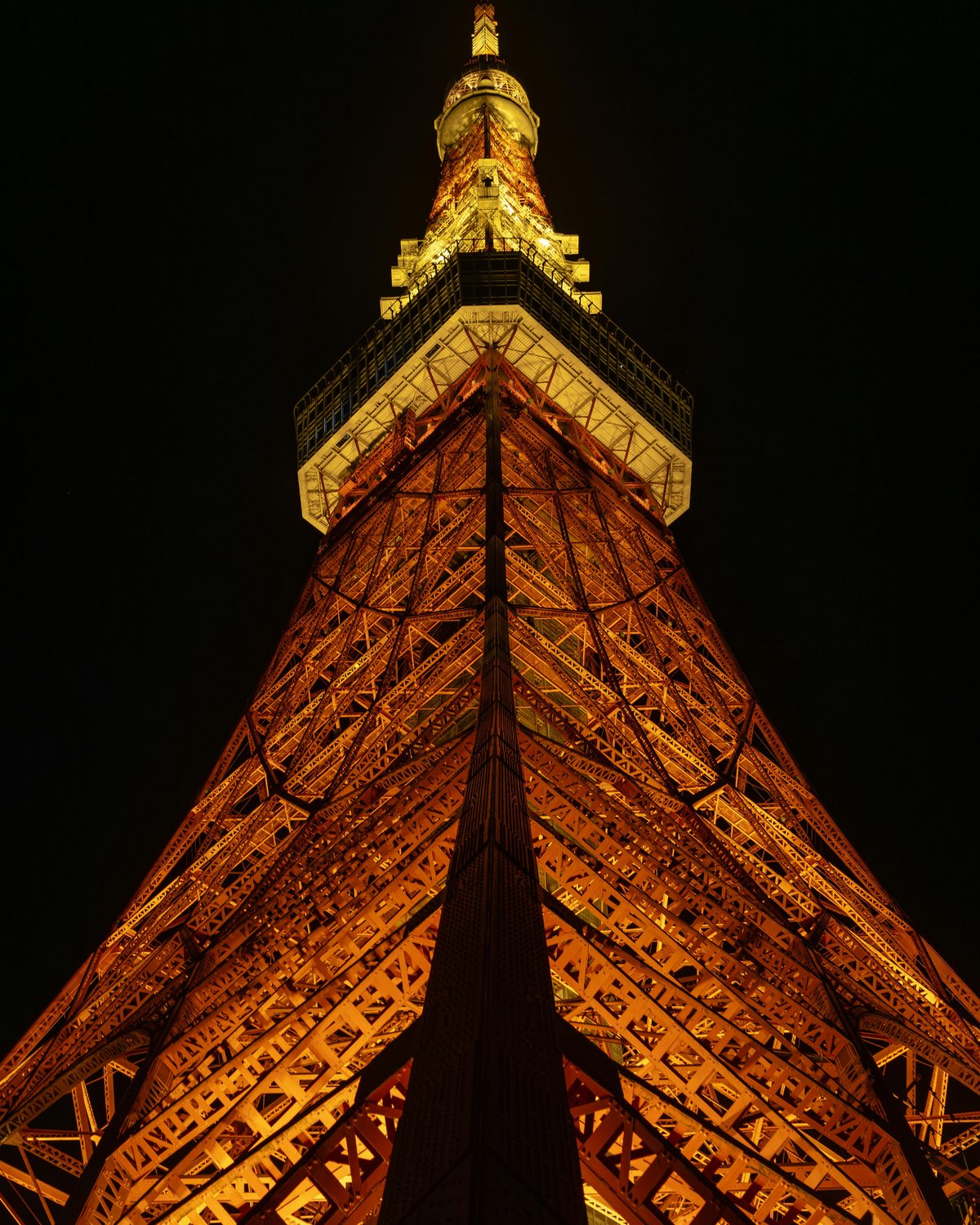
Tokyo Tower, a symbol of post-war Japan, was completed in 1958. Standing 333 meters tall, it was inspired by the Eiffel Tower and serves as a broadcast antenna as well as a tourist attraction.
What to see
Edo Castle and the East Gardens
The East Gardens have landscaped grounds, historical ruins, and Edo-era guardhouses. Nijubashi Bridge is an iconic double-arched bridge and a popular photo spot. The Imperial Palace Plaza has expansive open spaces adjacent to the castle grounds.
Tokyo Tower
Tokyo Tower offers panoramic city views from its observatories. Photography is encouraged, though flash is restricted in certain areas.
Tokyo Imperial Palace
Notable features include Nijubashi Bridge and historic turrets. The gardens are known for seasonal flora and peaceful walking paths.
Practical visiting information
Edo Castle East Gardens
- Location Chiyoda, Tokyo; accessible by Tokyo Metro and JR lines. Nearby stations include Tokyo Station and Otemachi Station.
- Hours listed for the East Gardens 9:00 AM–4:30 PM, with last admission at 4:00 PM; Tuesday through Sunday. Closed Mondays and during New Year holidays.
- Admission Free.
- Accessibility The grounds have wheelchair access, paved pathways, and accessible restrooms.
Tokyo Tower
- Main Observatory 9:00 AM–11:00 PM; last entry at 10:30 PM.
- Special Observatory 9:00 AM–10:30 PM; last entry at 10:00 PM.
- Opening days Open daily, including national holidays. Annual maintenance closures may occur; check the official site for updates.
- Tickets Main Observatory: ¥1,200 for adults and ¥700 for children. The Special Observatory costs an additional ¥700. Combination and group discounts are available.
- Purchasing tickets Online or at the tower; advance booking is recommended during peak times.
- Getting there Akabanebashi Station on the Toei Oedo Line is a 5-minute walk away. City bus lines and taxis are well connected.
- Accessibility and amenities Wheelchair access, elevators, accessible restrooms, information desks for international visitors, and multiple dining and shopping options.
Tokyo Imperial Palace
- East Gardens hours listed for the palace 9:00 AM–5:00 PM, with last entry at 4:30 PM. Closed Mondays, Fridays, and on special occasions.
- Admission Free for the East Gardens.
- Main Palace Grounds Access is limited to January 2, for the New Year’s Greeting, and February 23, the Emperor’s Birthday. Tours of the main grounds require advance reservation through Imperial Household Agency Tours.
- Tours Guided tours are primarily in Japanese; some audio guides and materials are available in English.
- Accessibility and visitor services Visitor areas have barrier-free access, multilingual information centers, rest areas, and nearby cafes and souvenir shops.
- Visitor guidelines Security checks take place at entrances. Photography is allowed outdoors but restricted indoors. Eating, drinking, and smoking are not permitted within the grounds.
- Events The palace hosts cultural events, tea ceremonies, and seasonal celebrations. Dates and details are available on the official website.
Tips
- Book guided tours online in advance, especially for Imperial Palace access.
- Bring photo ID for certain tours.
- Wear comfortable footwear; the sites are extensive and involve significant walking.
- Spring, for cherry blossoms, and autumn, for fall foliage, are noted for seasonal views.
- The sites are accessible by Tokyo Metro, JR lines, and city buses.
- Dress respectfully and follow posted rules.
- At Tokyo Tower, early mornings or weekdays are less crowded; evening visits offer illuminated city views.
- Plan ahead using official resources. The guide also recommends downloading the Audiala app for real-time updates and following Audiala on social media.
Nearby places
- Around Edo Castle Tokyo Station, known for its red-brick façade; Hibiya Park, a nearby green oasis; and the Marunouchi District, a shopping and dining hub.
- Around Tokyo Tower Zojoji Temple, a historic Buddhist temple; Shiba Park, suitable for picnics and cherry blossom viewing; and Roppongi Hills, with shopping and art galleries.
- Around Tokyo Imperial Palace The National Museum of Modern Art, Hibiya Park, the Ginza shopping district, and the Marunouchi business area.
Useful links
- Imperial Household Agency - Edo Castle East Gardens
- Imperial Household Agency - Tours
- Tokyo Tower Official Website
- Tokyo Tourism Official Site
Frequently Asked Questions (FAQ)
Q: Is admission free to Edo Castle and the Imperial Palace East Gardens?
A: Yes, both are free to enter.
Q: Can I enter the main buildings of the Imperial Palace?
A: Access is limited to special dates or an advance-reserved guided tour.
Q: Are English-language tours available?
A: Tours are primarily in Japanese, but audio guides and some materials are available in English.
Q: Is Tokyo Tower open every day?
A: It is open daily, including national holidays, except for annual maintenance closures. Check the official site for updates.
Q: Are these sites accessible for visitors with disabilities?
A: The major attractions are described as offering barrier-free access and accessible facilities.