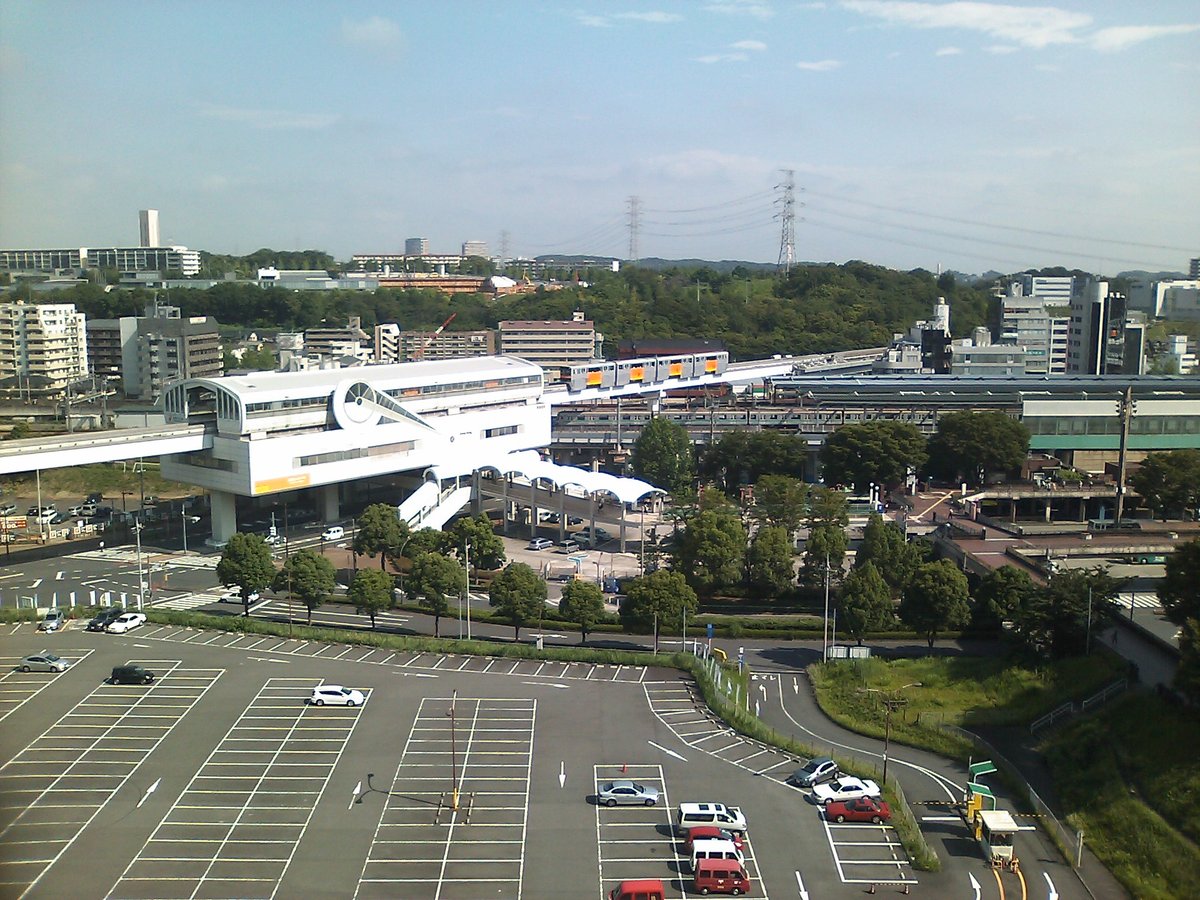

Early Development and Regional Context
Tama City, now part of Tokyo Metropolis, was incorporated from Kanagawa Prefecture in 1893 and officially established in 1971 during Tokyo’s post-war expansion (Japan Travel). The area’s history stretches back to the Jomon period, with archaeological sites such as the Tama New Town No. 57 Iseki Remains revealing ancient settlements and tools. These historical elements add depth to Tama’s identity and provide unique exploration opportunities for visitors.
Tama New Town and the Birth of Tama-Center Station
Tama New Town, launched in the mid-1960s, was Japan’s largest post-war planned residential development. Covering nearly 2,900 hectares, it was designed to accommodate over 300,000 residents and address Tokyo’s housing shortages (MIT; UR-Net; Wikipedia). The town’s design, influenced by Clarence Perry’s “neighborhood unit theory,” emphasized self-contained districts with integrated schools, parks, and community centers, separating vehicular and pedestrian traffic for safety and comfort (Tokyo Metropolitan Government PDF).
Tama-Center Station, opened in 1974, was conceived as the commercial and civic nucleus of Tama New Town, seamlessly linking transportation, shopping, and cultural amenities (Wikipedia).
Transportation Significance and Urban Connectivity
The station is served by three major rail lines, making it one of the most accessible suburban hubs in Tokyo:
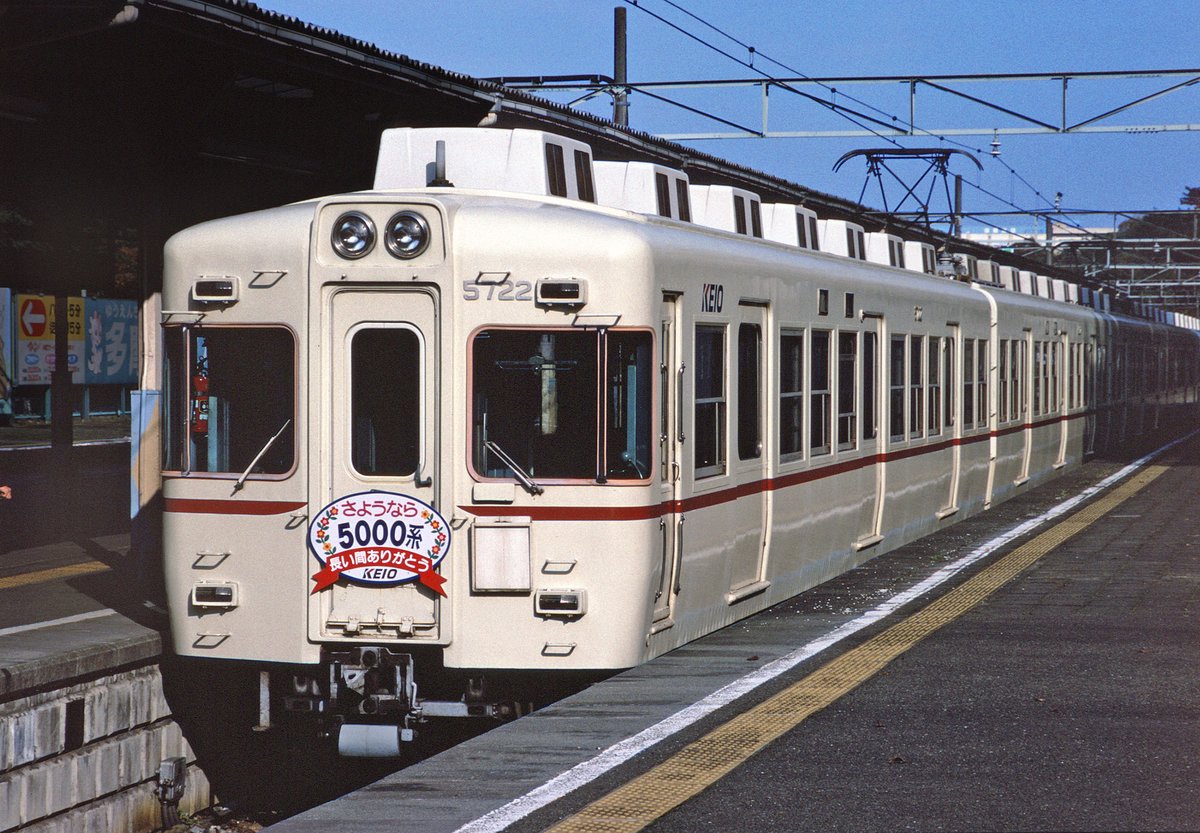
- Keio Sagamihara Line Direct connection to Shinjuku (30–40 minutes).
- Odakyu Tama Line Connects via Shin-Yurigaoka to central Tokyo.
- Tama Toshi Monorail Line Links to Tachikawa and the JR Chuo Line (GLTJP; Wikipedia).
Station Layout and Transfers: All three stations are interconnected via elevated concourses, with bilingual signage and barrier-free access, including elevators, tactile paving, and accessible restrooms. The station complex integrates shops, restaurants, and a major bus terminal, providing seamless transitions between travel and leisure.
Visiting Hours and Ticket Information
- Station Operating Hours Daily, approximately 5:00 AM to midnight. First and last train times vary slightly by line.
- Ticket Purchase Automated machines, staffed counters, and IC cards (Suica, PASMO) are accepted for all trains and buses. (tamacenter-cm.com)
- Attraction Tickets
- Sanrio Puroland: Tickets available online and at the entrance. Online advance booking is recommended, especially during weekends and holidays (Sanrio Puroland Official Site; Tickets-Tokyo).
- Parthenon Tama: Event tickets available online and onsite.
Cultural and Social Impact
Tama-Center Station is more than a commuter hub—it anchors a vibrant community and hosts major attractions:
- Sanrio Puroland A globally renowned indoor theme park dedicated to Hello Kitty and friends, less than 10 minutes’ walk from the station. Typical hours: 10:00 AM–5:00 PM, with seasonal variations (Sanrio Puroland Official Site).
- Parthenon Tama Cultural complex hosting concerts, exhibitions, and community events (Agoda).
- Tama Center Illumination Annual winter event with spectacular LED displays along Parthenon Avenue, usually from mid-November to late December (GLTJP).
Historical Landmarks and Heritage Sites Nearby
Discover a variety of historical and natural attractions easily accessed from Tama-Center Station:
- Birikubo no Shii A 600-year-old castanopsis tree, designated a Natural Monument, in Birikubo Park (11-minute bus ride) (Japan Travel).
- Kasumi no Seki Minami Kidosaku Ato 13th-century military checkpoint ruins.
- Tama Central Park 16-hectare park with cherry blossoms, playgrounds, and walking trails (Tama Central Park Map).
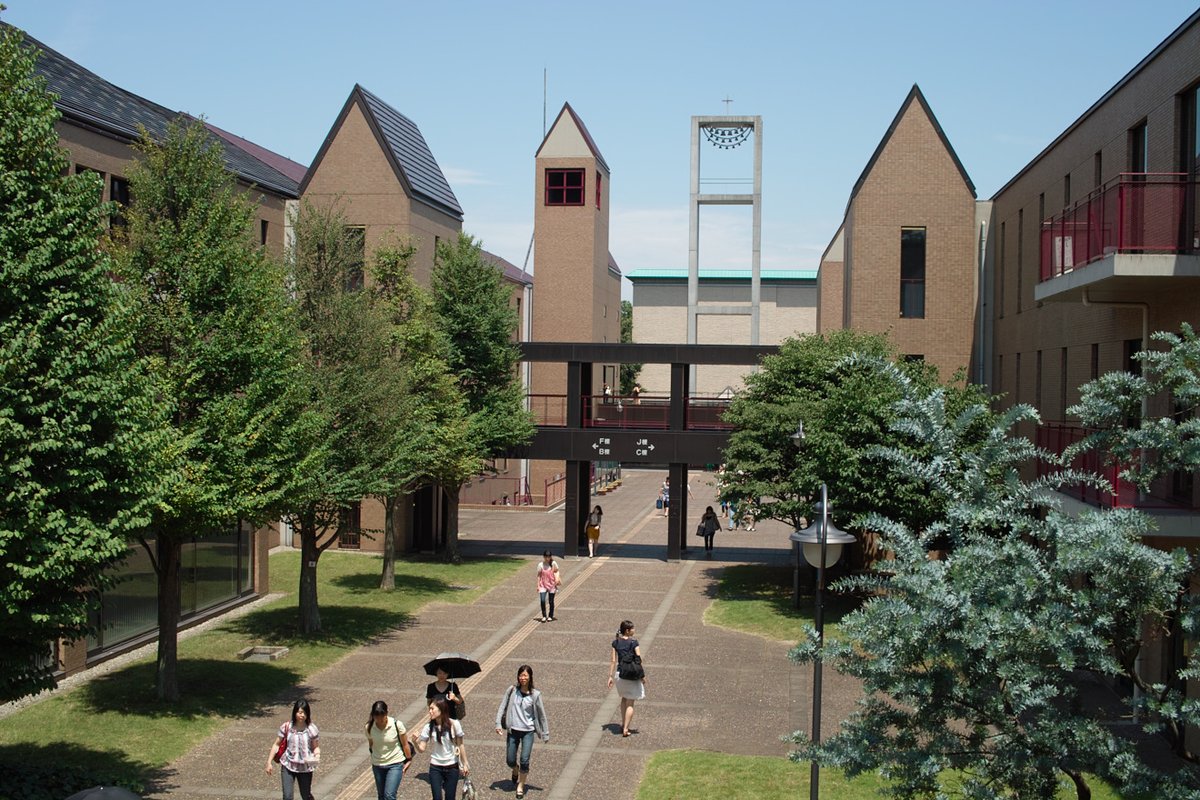
- Tama Art University Library Iconic modernist library designed by Toyo Ito, open to the public (Tama Art University Library).
- Tama Lantern Festival A Vietnamese-inspired lantern festival held in October, featuring food stalls and family activities (Tama Lantern Festival Details).
Modern Developments and Ongoing Significance
Tama-Center continues to evolve with new shopping facilities, dining options, and green spaces. The station area regularly hosts international events—such as “THE ROAD RACE TOKYO TAMA 2025” (The Road Race Tokyo)—and maintains its role as a model for integrated, sustainable suburban living (UR-Net).
Accessibility and Travel Tips
- Barrier-Free Access Elevators, ramps, tactile paving, and accessible restrooms support seamless travel for wheelchair users and families.
- Best Times to Visit Spring (for cherry blossoms), autumn (for festivals), and winter (for illuminations).
- Transport Tips Use IC cards for convenience. Check train schedules and event calendars ahead of time.
- Family Facilities Indoor playgrounds, child-friendly dining, and stroller-friendly promenades are readily available.
- Accommodation Options range from the adjacent Keio Plaza Hotel Tama to business hotels and short-term rentals.
Frequently Asked Questions (FAQ)
Q: What are Tama-Center Station’s operating hours?
A: Approximately 5:00 AM to midnight daily.
Q: How do I buy train or attraction tickets?
A: Tickets are available at station machines/counters and via IC cards. For attractions like Sanrio Puroland, purchase online or at the entrance.
Q: Is the station accessible for wheelchair users?
A: Yes, the station complex is fully barrier-free, with elevators, ramps, and accessible restrooms.
Q: How do I reach Sanrio Puroland from the station?
A: It’s a short 5-minute walk from the East Exit.
Q: Are there special events or guided tours available?
A: Yes, check the official websites or tourist information counters for details on seasonal events and local guided tours.
Q: How do I travel from Tama-Center to Tokyo’s airports?
A: Haneda Airport is accessible via shuttle bus or train (approx. 75–90 minutes); Narita requires train transfers through central Tokyo (2–2.5 hours).