
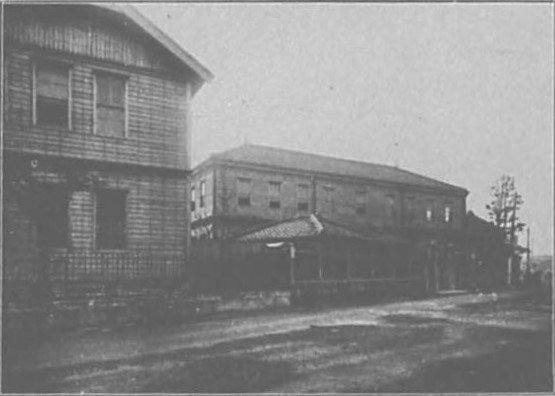
What Kogakuin University Is
Kogakuin University is a private university in Tokyo’s Shinjuku district, established in 1887 as Koshu Gakko. It is one of Japan’s oldest private engineering schools and has contributed to the country’s technological development and industrialization following the Meiji Restoration. Today, its programs include engineering, architecture, informatics, and applied sciences. For university history and background, see Kogakuin University: History and the official Kogakuin University website.
The university has two campuses with distinct settings: the Shinjuku campus is a modern urban high-rise hub, while the Hachioji campus has spacious, green grounds. The Kogakuin University Monument, located between the campuses, commemorates the university’s contributions to Japanese society.
History
Kogakuin University was founded as Koshu Gakko in 1887, during the period of change following the Meiji Restoration. Its establishment helped develop Japan’s technical workforce by educating engineers and innovators. In 1949, it was officially recognized as a university under Japan’s new education system. It expanded its academic offerings while retaining its emphasis on engineering and technology (Kogakuin University: About).
The university has educated generations of engineers, architects, and scientists. Its faculties span engineering, architecture, informatics, and applied sciences, with an emphasis on experiential learning, research, and innovation (Kogakuin University: Faculties).
What to See
Shinjuku Campus
Located in Nishi-Shinjuku, the Shinjuku campus is an example of vertical urban design, with city views and proximity to Tokyo landmarks. Its facilities include Urban Tech Hall and Learning Commons B-ICHI, and panoramic views are accessible from upper floors. The campus offers architecture and interactive learning spaces (Kogakuin University: Shinjuku Campus; Official Access Info).
Hachioji Campus
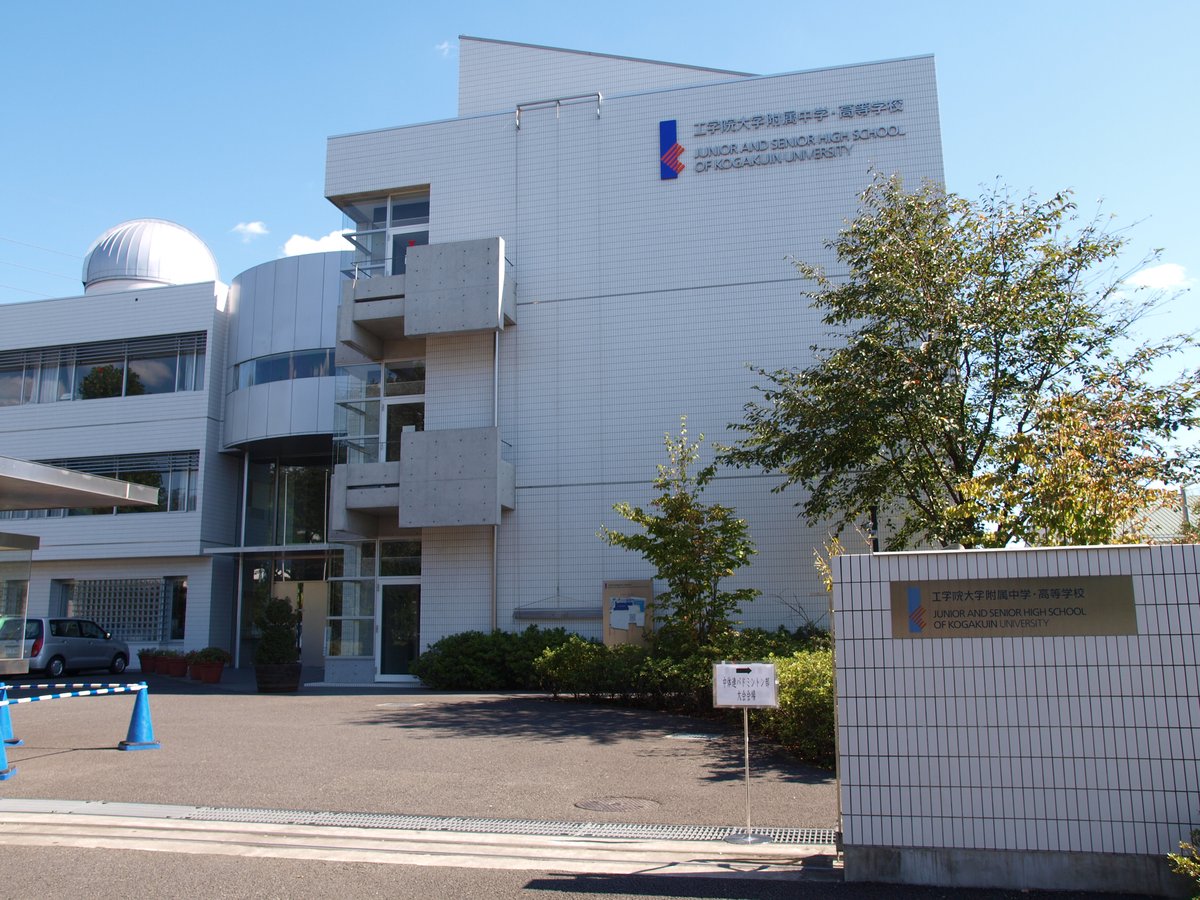
The Hachioji campus offers a spacious, green setting with sports fields, courtyards, and traditional campus buildings. Its grounds provide a contrast to the urban Shinjuku campus.
Kogakuin University Monument
Established in 2010, the monument honors the university’s legacy in engineering and architecture. Inscriptions and reliefs mark milestones in Japanese industrial and educational history, and the monument symbolizes the connection between tradition and innovation.
Practical Visiting Information
Visiting Hours, Entry, and Tours
- Shinjuku Campus Monday–Friday, 9:00 AM–5:00 PM. Closed on weekends and national holidays.
- Hachioji Campus Monday–Friday, 8:30 AM–6:00 PM. Closed on weekends and holidays.
- Monument Daily, 8:00 AM–6:00 PM.
- Admission General access to the campuses and monument is free. Some areas may require registration, and special events, exhibitions, or guided tours may require advance reservations or tickets.
- Campus tours Tours are offered during open days and events. Contact the Extension Center for reservations.
- Monument tours Weekend tours are available at 10:00 AM and 2:00 PM; advance booking is recommended (Monument Calendar). Group tours are available by appointment.
Check current hours and event information on the official website and official Kogakuin University website.
Access and Transportation
- Shinjuku Campus 1-24-2 Nishi-Shinjuku, Tokyo 163-8677. It is a few minutes’ walk from Shinjuku Station, served by JR and Tokyo Metro lines.
- Hachioji Campus 2665-1 Nakano, Hachioji, Tokyo 192-0015. It is accessible via the JR Chuo Line, with shuttle bus connections from Shinjuku. A shuttle bus also connects it with the Shinjuku Campus (Campus Access).
- Both campuses are accessible via Tokyo’s public transportation network. Public transit is the most convenient option, and extra travel time should be allowed for the Hachioji campus.
Accessibility and Facilities
Both campuses and the monument have wheelchair access, ramps, elevators, and accessible restrooms. The monument also has tactile paving and accessible parking. For specific assistance, contact the university’s visitor center in advance.
Both campuses have libraries and cafeterias. Multilingual assistance and international student resources are available, and English signage is provided.
Tips
- Confirm visiting hours and event schedules on the official website.
- Bring ID; it is required for certain registrations.
- Photography is permitted outdoors. Ask permission before taking photographs indoors or photographing people.
- For monument photographs, the best lighting is in the early morning or late afternoon. Framing the monument with modern university buildings can show the contrast between old and new, while special events offer photo opportunities with exhibitions and student projects.
- A translation app is recommended.
- Public lectures, science workshops, and cultural festivals are among the events hosted at the university. The Waku-Waku Science Festival encourages youth and families to explore science and technology. The university also provides disaster preparedness education and community outreach.
- The monument is a focal point for annual events, including the Engineering and Architecture Festival in May and the Research Symposium in November, with exhibitions and interactive workshops.
- The university has partnerships with institutions worldwide supporting student exchanges, joint research, and English-language programs (Kogakuin University: International Partners).
- Alumni have contributed to developments in civil engineering, architecture, and IT. Kogakuin’s Smart Institutional Plan, recognized by the AD Scientific Index, reflects its research and improvement efforts (AD Scientific Index: Kogakuin University).
- The guide also recommends considering the Audiala app for enhanced guided tours and insider tips.
Nearby Places
- Shinjuku Gyoen National Garden An urban park suitable for a stroll.
- Tokyo Metropolitan Government Building Free observation decks offer panoramic city views.
- Kabukicho and Yoyogi Park Nearby areas offering entertainment and culture.
- Mount Takao Near the Hachioji campus and popular for hiking and nature.
- The Shinjuku campus area has several cafés and student lounges, as well as local dining.
Frequently Asked Questions (FAQ)
Q: What are the visiting hours?
A: The Shinjuku Campus is open Monday–Friday, 9:00 AM–5:00 PM; the Hachioji Campus is open Monday–Friday, 8:30 AM–6:00 PM. The monument is open daily, 8:00 AM–6:00 PM. The campuses are closed on weekends and holidays, with the Shinjuku Campus specifically closed on national holidays.
Q: Is there an entrance fee?
A: General access to the campuses and monument is free. Some tours, events, exhibitions, or areas may require tickets, advance reservations, or registration.
Q: How do I get there?
A: Both campuses are accessible by public transportation. The Shinjuku Campus is near Shinjuku Station, and the Hachioji Campus is accessible via the JR Chuo Line and shuttle bus connections from Shinjuku.
Q: Are guided tours available?
A: Campus tours are offered during open days and events. Monument tours are available on weekends at 10:00 AM and 2:00 PM, with advance booking recommended; group tours are available by appointment. Check the official website for schedules.
Q: Is the university accessible for visitors with disabilities?
A: Both campuses and the monument have accessibility features. The monument also has tactile paving and accessible parking.
Q: Are there dining options nearby?
A: The Shinjuku campus area has several cafés and student lounges.