
Establishment and Evolution of the Delegation
The Delegation of the European Union to Japan was established in 1974 as a direct response to global economic changes, particularly following the first oil crisis. Initially serving as a representative office of the European Communities, it provided a formal diplomatic channel for dialogue on trade and industrial cooperation. Over subsequent decades, the Delegation’s role broadened to include monitoring political developments and facilitating cultural exchange. The foundation of the EU-Japan Centre for Industrial Cooperation in 1987 further cemented its role in driving industrial ties (EU-Japan Centre, 2024).
The Lisbon Treaty in 2009 elevated Delegations globally, including Tokyo, to full diplomatic missions representing the collective interests of the EU’s member states (Sciences Po Thesis).
Diplomatic Functions and Significance
Representation and Negotiation
The Delegation operates similarly to an embassy, with its head holding ambassadorial status and presenting credentials to the Emperor of Japan. Its mandate covers areas where the EU has exclusive competences, including trade policy, regulatory cooperation, and political dialogue. The Delegation’s staff monitor Japan’s political and economic developments, facilitate bilateral policy alignment, and organize dialogues addressing global challenges like climate change, security, and digital transformation (EEAS).
Bilateral and Multilateral Agreements
The Delegation played a central role in negotiating and implementing major agreements:
- EU-Japan Economic Partnership Agreement (EPA) Entered into force in 2019, creating the world’s largest open economic area and removing nearly all tariffs (Wikipedia).
- EU-Japan Strategic Partnership Agreement (SPA) Provides a framework for political and security cooperation (European Parliament).
Beyond bilateral relations, the Delegation represents the EU in multilateral forums such as the UN, WTO, G7, and G20, contributing to discussions on issues ranging from regional security to global health (EEAS).
Public Diplomacy
A vital part of the Delegation’s mission is public engagement. Through cultural events, academic seminars, exhibitions, and outreach activities, the Delegation fosters people-to-people connections and raises awareness of European values and culture (Sciences Po Thesis).
Milestones and Achievements
- 1959 Japan’s ambassador in Belgium accredited to the European Communities.
- 1974 Opening of the European Communities’ Delegation in Tokyo.
- 1984 First EU-Japan ministerial meeting.
- 1987 Launch of the EU-Japan Centre for Industrial Cooperation.
- 1991 Inaugural EU-Japan Summit (now annual).
- 2001 Adoption of the Action Plan for Cooperation and Strategic Partnership.
- 2019 Entry into force of the EU-Japan EPA and provisional application of the SPA.
- 2024 Celebrates 50 years of the Delegation's presence in Tokyo (EU-Japan Centre, 2024).
The Delegation’s Role in Contemporary EU-Japan Relations
Today, the Delegation is instrumental in advancing cooperation in digital innovation, green transition, scientific research, and security. It supports Japan’s participation in EU initiatives like Horizon Europe and promotes regulatory alignment on emerging technologies, environment, and trade (LinkedIn).
Visiting the Delegation: Practical Information
Location, Hours, and Access
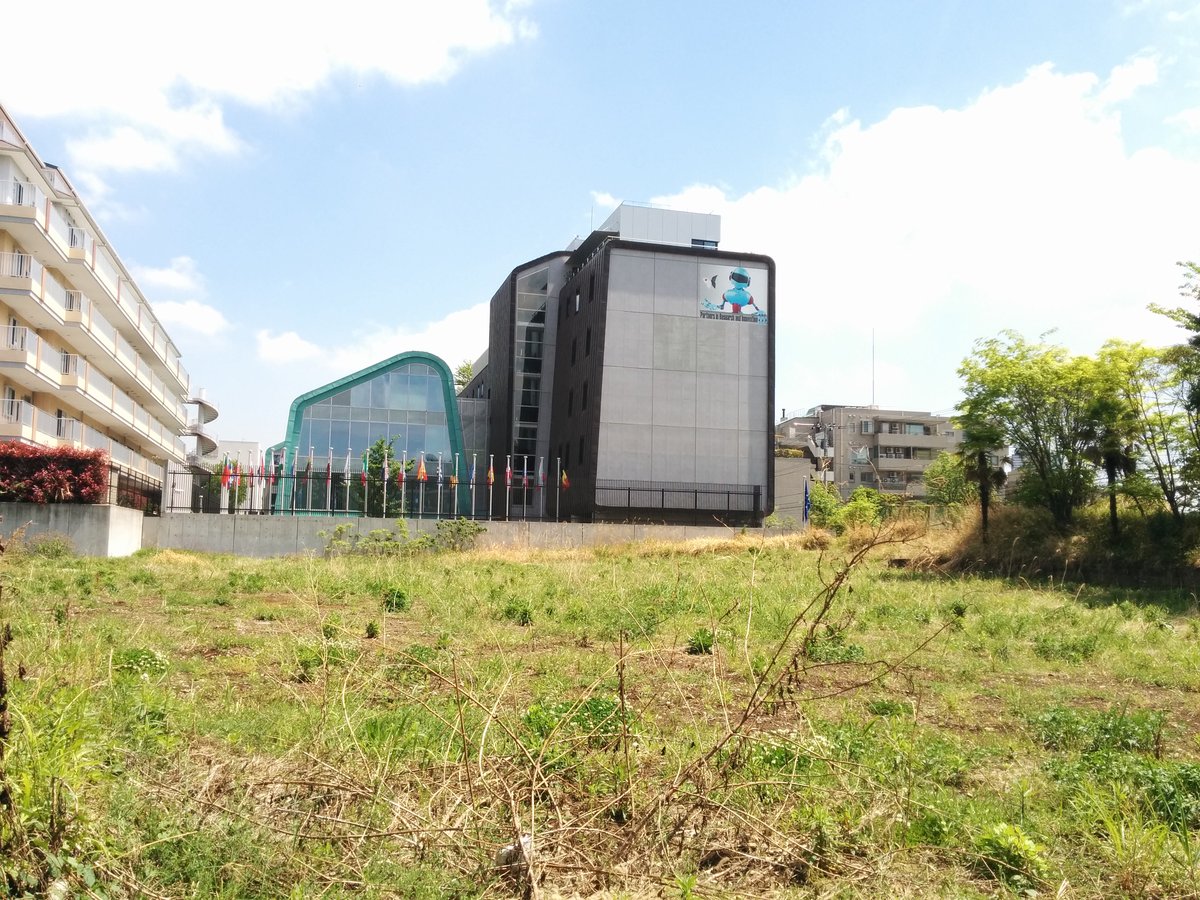
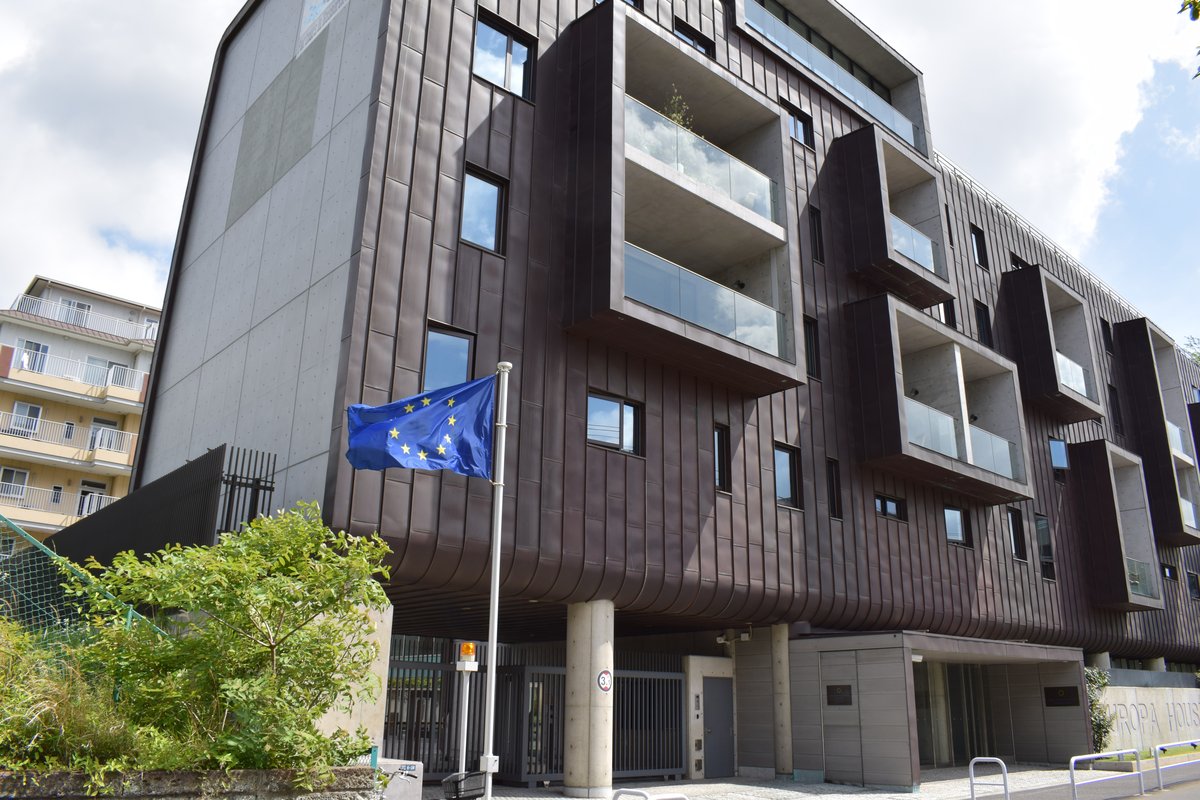
- Address Europa House, 4-6-28 Minami-Azabu, Minato-ku, Tokyo 106-0047, Japan (EEAS, 2024)
- Public Transport Nearest station is Hiroo (Tokyo Metro Hibiya Line, 10 minutes on foot). Roppongi and Azabu-Juban stations are also nearby.
- Visiting Hours Monday to Friday, 9:00 AM to 5:30 PM; closed weekends and Japanese/EU public holidays.
- Appointments All visits require prior appointment. Contact the Delegation via phone (+81(0)3-5422-6001) or email ([email protected]) to schedule (EmbassyPages).
Accessibility
Europa House is fully accessible, offering:
- Step-free entrances
- Elevators and accessible restrooms
- Tactile paving and signage for visually impaired visitors Notify the Delegation in advance of any specific accessibility needs (EEAS Contact).
Security and Entry
All visitors must present valid photo identification (passport or residence card) and undergo security screening. Photography is not permitted inside without prior approval.
Special Events and Cultural Programs
The Delegation regularly hosts:
- European Higher Education Fair (EHEF) Information on studying in Europe (EHEF Japan)
- EU Film Days European cinema festival in partnership with Tokyo institutions
- Public Lectures and Literary Events Featuring European policy, arts, and culture Advance registration is required for most events.
Educational and Business Engagement
- Organized school and university visits, presentations, and workshops
- Internships and resource libraries on EU policy and EU-Japan relations
- Trade workshops on the EPA and business networking events
Nearby Attractions
- Tokyo Tower Iconic landmark and observation deck (Tokyo Tower Website)
- Roppongi Hills and Tokyo Midtown Shopping, dining, and art spaces
- Zojoji Temple and Shiba Park Historic and scenic sites
Frequently Asked Questions (FAQ)
Q: Can I visit the Delegation without an appointment?
A: No, all visits require a prior appointment.
Q: Are there entry fees or tickets required?
A: No, visits and most public events are free; advance registration is needed for events.
Q: Is the Delegation accessible for visitors with disabilities?
A: Yes, Europa House provides full accessibility.
Q: Does the Delegation issue visas?
A: No, visa applications are handled by individual EU member state embassies.
Q: What languages are used?
A: English, French, and Japanese are spoken; interpretation services available on request.
Q: What are the entry procedures?
A: Bring valid ID, undergo security screening, and sign in at reception.
Practical Tips for Visitors
- Book your visit well in advance.
- Bring government-issued photo identification.
- Use Hiroo Station for easiest access.
- Check the Delegation’s website for event registration and updates.
- Notify staff of any accessibility needs ahead of your visit.