College History and Cultural Significance
Imperial Origins and Development
Gakushuin Women’s College traces its beginnings to 1847, when Emperor Ninkō established a school for the court nobility in Kyoto. The institution evolved through the Meiji Restoration, moving to Tokyo in 1877 as a school for the aristocracy (Wikipedia). The women’s division underwent several reorganizations, eventually gaining independence as Joshi Gakushuin in 1918 and relocating after a fire to its current site, with strong links to the Japanese Imperial Family.
Wartime and Postwar Transformation
World War II air raids destroyed much of the campus in 1945. In the postwar period, reforms led to its incorporation into the private Gakushuin Foundation in 1947, followed by modernization and rebuilding efforts. It was officially established as Gakushuin Women’s College in 1998 (Wikipedia).
Academic Focus and Legacy
Today, Gakushuin Women’s College is known for its Faculty of Intercultural Studies, offering programs in Japanese Studies and English Communication (University of Lethbridge). The college maintains a prominent role in advancing women’s education, nurturing leaders, and preserving traditional arts such as tea ceremony and ikebana. Notable alumnae include Princess Tsuguko of Takamado and actress Sakura Andō (EduRank).
Visitor Information: Hours, Admission, and Access
Visiting Hours
- Open Monday–Friday, 9:00 AM – 5:00 PM
- Closed Weekends, public holidays, and certain university events
Always check the official website for updates regarding holidays or special closures.
Admission and Tickets
- Admission Free to general campus grounds
- Special Exhibitions/Events Some may require advance tickets or registration; see event details on the official site
Directions
- By Train Nearest stations include Mejiro (JR Yamanote Line; 10-minute walk), Shinjuku, and Yotsuya (JR Chūō Line, Tokyo Metro Marunouchi Line)
- By Bus Multiple local bus routes serve the Shinjuku area
- By Taxi Convenient from major Tokyo districts
Accessibility
- The campus is equipped with ramps and elevators in main buildings for visitors with disabilities
- Accessible restrooms are available
Guided Tours, Events, and Campus Highlights
Guided Tours
- Availability Offered primarily during annual festivals (Miyabi in April, Yawaragi in October) and special events
- Reservations Recommended in advance via the official website
Annual Festivals and Events
- Miyabi Festival (April) Features guided tours, traditional performances, and cultural exhibitions
- Yawaragi College Festival (October) Showcases student activities, art, and music
- Cultural Exhibitions Including displays on literary figures and traditional arts (Japan News)
Campus Highlights
- Historic Iron Gate Dating to 1877, a symbol of the college’s legacy
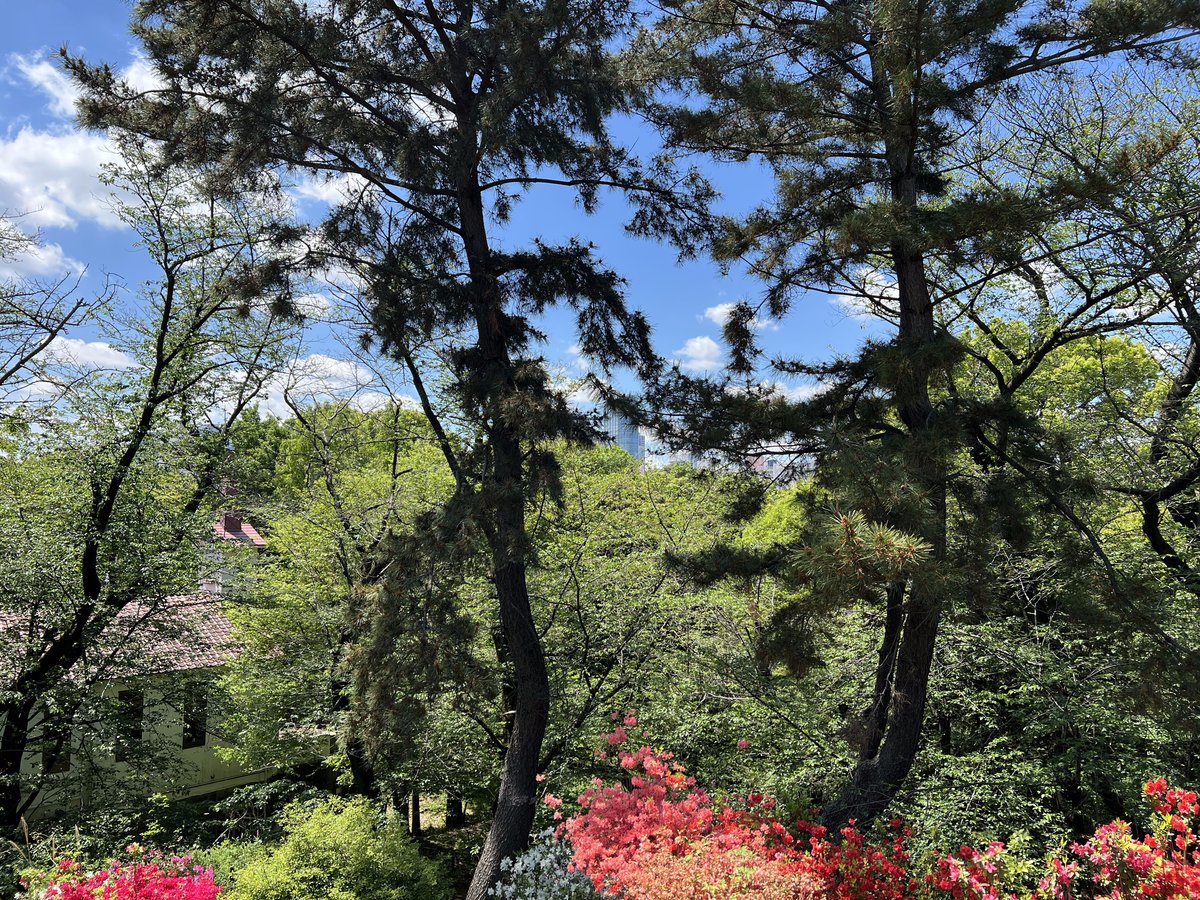
- Cherry Blossom Pathway Spectacular in spring
- Award-winning Library Recognized by the Japan Library Association for architecture and resources
- Bunka Koryu Gallery Hosts regular exhibitions
- Gokei-kaikan (Student Center) Cafeteria, tea room, and student activity spaces
Photography
- Permitted in outdoor/public areas; please observe signage regarding restricted zones
Accessibility and Facilities
- Wheelchair Accessibility Pathways and main buildings are accessible
- Restrooms Accessible facilities available
- Information Visitor brochures in English and Japanese at information centers
- Eduroam Wi-Fi Available campus-wide
Nearby Attractions and Cultural Sites
- Shinjuku Gyoen National Garden Expansive urban park nearby
- Meiji Shrine Major Shinto shrine within easy reach
- Toshima Ward Cultural Centers Art, music, and community programming
- Ikebukuro Shopping District Dining, shopping, and entertainment options
- Historic Temples and Shrines Walking distance from campus
For more Tokyo attractions, see the Tokyo Tourism Guide.
FAQs
Q: Is the campus open to the public year-round?
A: Generally, yes—Monday to Friday, 9:00 AM–5:00 PM. Some areas may be restricted during exams or events.
Q: Are there entrance fees?
A: Admission to campus is free; some special exhibitions/events require tickets.
Q: Are guided tours offered outside festival periods?
A: Limited; contact college administration for availability.
Q: Can I take photographs?
A: Yes, in outdoor/public areas; follow posted restrictions indoors.
Q: Is the campus accessible for visitors with disabilities?
A: Yes, most main pathways and buildings are accessible.
Q: How can I reach the college by public transport?
A: Use Mejiro Station (JR Yamanote Line) or nearby bus stops.
Q: Are there nearby places to visit?
A: Yes—Shinjuku Gyoen, Meiji Shrine, Ikebukuro, and more.
Summary and Recommendations
Gakushuin Women’s College offers an enriching visitor experience, combining historical grandeur, educational legacy, and vibrant campus life. Its imperial roots, preserved traditions, and accessible campus make it a unique destination in Tokyo. Plan your visit during festival seasons to enjoy guided tours and cultural events, or explore the tranquil campus and its gardens at your leisure. For the latest updates on hours, events, and accessibility, consult the official website and follow the college on Twitter and YouTube.