

What Keio University Is
Founded by reformer Yukichi Fukuzawa, Keio University is one of Japan’s oldest and most renowned private universities. Situated primarily in Tokyo’s Minato Ward, it is a prominent symbol of Japan’s modernization, combining historical architecture, academic life, and student culture. Its main campus is in Mita, with additional campuses in Kanagawa and Saitama.
For more details, see the Keio University Official History and Visitor Information and the Keio Mita Campus Map and Access Guide.
History
Keio University was established in 1858 as a small school for Western studies. It played a critical role in Japan’s transition to a modern society. Its educational philosophy emphasizes independence, critical inquiry, and equality.
The historic Mita Campus, dating back to 1871, is the symbolic heart of the university. Its landmarks include Meiji-era architecture, the Mita Public Speaking Hall, and the Old Library Building, which holds rare manuscripts.
What to See
Mita Campus Landmarks
- Mita Public Speaking Hall (Mita Enzetsu-kan) A historic Western-style brick building designated as an Important Cultural Property. It has been a venue for academic and cultural events since 1875.
- Old Library Building Completed in 1912 and designated as a cultural property, it holds over 175,000 works, including the only Gutenberg Bible in Asia. Public access is limited, so inquire in advance.
- Fukuzawa Yukichi Memorial Hall Exhibits artifacts and manuscripts from the university’s founder and offers insight into Keio’s founding philosophy.
- Keio Museum Commons (KeMCo) Presents interdisciplinary and rotating exhibitions on art, history, science, and Japanese and global culture (Keio Museum Commons).
- Statues and memorials Monuments are dedicated to Yukichi Fukuzawa and other significant figures.
Academic Centers, Libraries, and Events
- International Center Hosts public lectures and supports international visitors (Keio International Center).
- GIGA Program at SFC Offers English-language programs in global policy and information studies (Keio SFC Campus Visit).
- Annual Lectures and SDGs Conference Forums for scholarly exchange and sustainability initiatives (Keio SDGs Project).
- Mita Library Holds extensive humanities and science collections and is open to researchers, with limited public access (Keio University Library Collections).
Keio regularly hosts public lectures, exhibitions, and cultural festivals. Events include the annual Mita Festival, the Tanabata Festival in July, and international lecture series. The university also supports global academic exchange through programs at the International Center and Shonan Fujisawa Campus (SFC) (Keio International Center, Keio SFC Campus Visit).
Keio has over 440 student clubs, including tea ceremony, traditional Japanese arts, athletics, and international exchange. Many clubs give public performances and take part in university festivals (Keio University Academics, p. 27).
Campuses and Key Locations
| Campus | Location | Features and faculties | Nearest access |
|---|---|---|---|
| Mita | Minato, Tokyo | Humanities, Social Sciences, Admin HQ, Old Library | Tamachi/Mita Stations |
| Hiyoshi | Kohoku, Yokohama | Undergraduate Programs, Athletics, Dormitories | Hiyoshi Station |
| Shinanomachi | Shinjuku, Tokyo | Medicine, Hospital, Health Sciences | Shinanomachi Station |
| Shonan Fujisawa | Fujisawa, Kanagawa | Policy, IT, Interdisciplinary Studies | Bus from Shonandai Station |
| Yagami | Kohoku, Yokohama | Science, Technology, Engineering | Near Hiyoshi Station |
| Shiba-Kyoritsu | Minato, Tokyo | Pharmacy, Life Sciences | Shibakoen Station |
Practical Visiting Information
Hours, Admission, and Tours
- Visiting hours Main campuses are open from 9:00 AM to 5:00 PM on weekdays, Monday to Friday. Some facilities may close on weekends and national holidays. Museum and exhibition schedules may vary.
- Admission Entry to campus grounds is free. Specific buildings, including libraries and museums, may require advance arrangements or tickets. Some exhibitions and events may also require tickets.
- Tours Self-guided tours are available with online maps. Guided tours are occasionally offered, particularly during open campus events and anniversaries, and may be available by reservation. Check the Keio University visitor page or contact the public relations office for schedules and booking details.
Accessibility and Getting There
The main location is Mita Campus in Minato Ward, Tokyo. Mita Station (Toei Mita/Asakusa Lines) and Tamachi Station (JR Yamanote/Keihin-Tohoku Lines) are within walking distance.
The campus has wheelchair access, ramps, elevators, and barrier-free facilities. Information desks offer assistance in English and Japanese.
Tips
Tokyo’s subway and JR lines provide access to the campus; IC cards such as Suica and Pasmo are recommended. Hotels and guesthouses are available near major campuses.
Photography is generally permitted outdoors, though restrictions may apply inside some buildings. Check with visitor services in advance about specific accessibility assistance and building access.
For guided campus tours and real-time event updates, download the Audiala app. Follow Keio University’s official channels for the latest visitor information. You can also explore Tokyo’s historical and cultural sites to complement a campus visit.
Nearby Places
- Zojoji Temple A historic Buddhist temple dating back to 1393.
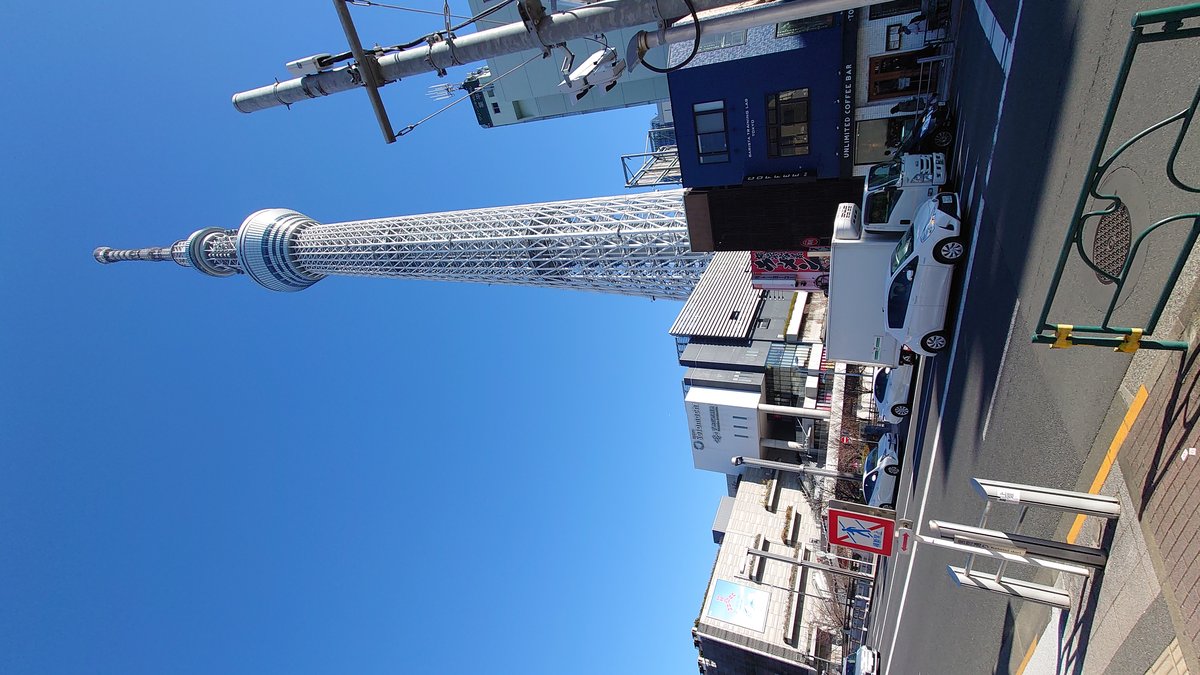
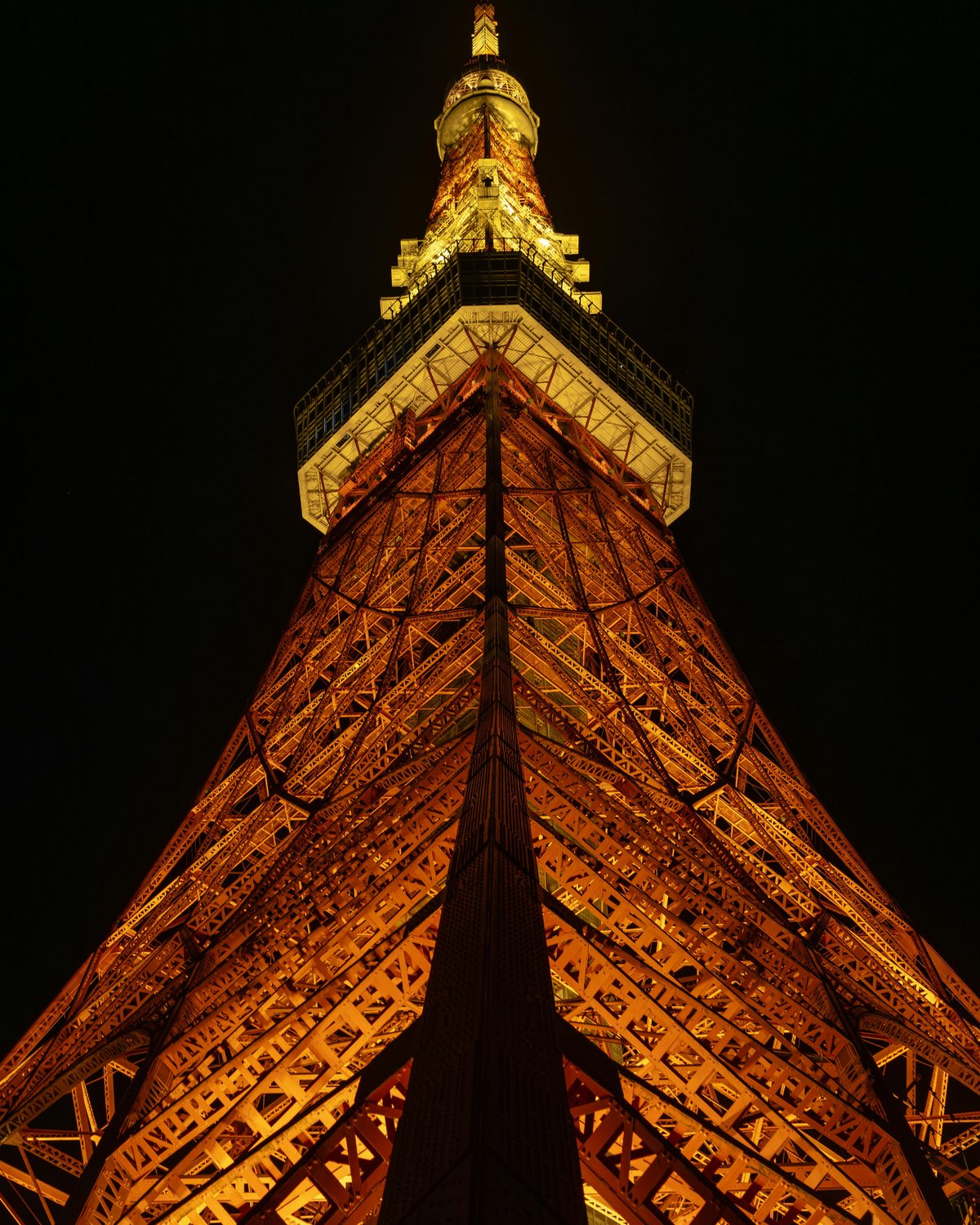
- Tokyo Tower An iconic city landmark with panoramic views, near Mita Campus.
- Hamarikyu Gardens Traditional Japanese gardens suited to a relaxing stroll.
- Sengakuji Temple Known for the graves of the Forty-seven Ronin.
Frequently Asked Questions (FAQ)
Q: Is there an admission fee to enter Keio University?
A: No. Entry to campus grounds is free; some exhibitions or events may require tickets.
Q: Can tourists access all buildings?
A: No. Some buildings have restricted access; check in advance about tours or permissions.
Q: Are guided tours available?
A: Yes, during open campus events and by reservation through the official website.
Q: Is photography allowed on campus?
A: Photography is generally permitted outdoors. Restrictions may apply inside some buildings.
Q: Is the campus accessible for visitors with disabilities?
A: Most facilities are accessible. Contact visitor services for specific assistance.