Torfyanka Park: History and Evolution
19th-Century Origins
Originally part of vast pine forests and the Ichka River watershed, the area now known as Torfyanka Park provided Muscovites—especially those with respiratory illnesses—a much-needed escape from city pollution. Its reputation as a healthful retreat and proximity to the Losinoostrovskaya railway station attracted city dwellers seeking the dacha (country house) lifestyle.
Dacha Culture and Early 20th Century
By the early 1900s, the district flourished with wooden dachas, apple orchards, and cherry trees—many of which survive today. Residents developed communal amenities, including a summer theater and sports courts, shaping a recreational tradition that continues in the park’s current layout.
Soviet Urbanization and Park Formation
Urban expansion in the 1950s–1960s saw brick apartment blocks replace many dachas. During this period, the city formalized the transformation of this green area into a public park, retaining its historic orchards and integrating them into a modern recreational landscape.
Ecological and Cultural Significance
Torfyanka Park stands as a testament to Moscow’s dedication to urban green space, supporting diverse plant and animal life, improving air quality, and providing vital climate regulation. Its role in the community extends beyond ecology; it is a symbol of civic engagement, as demonstrated by grassroots activism that successfully halted controversial development within its bounds. (RFE/RL - Moscow Church Protest)
The park also serves as a venue for cultural events, environmental education, and seasonal festivals, fostering a strong sense of local identity.
Visiting Torfyanka Park: Practical Information
Hours and Admission
- Open daily 6:00 AM to 11:00 PM
- Entry Free for all visitors
Accessibility and Getting There
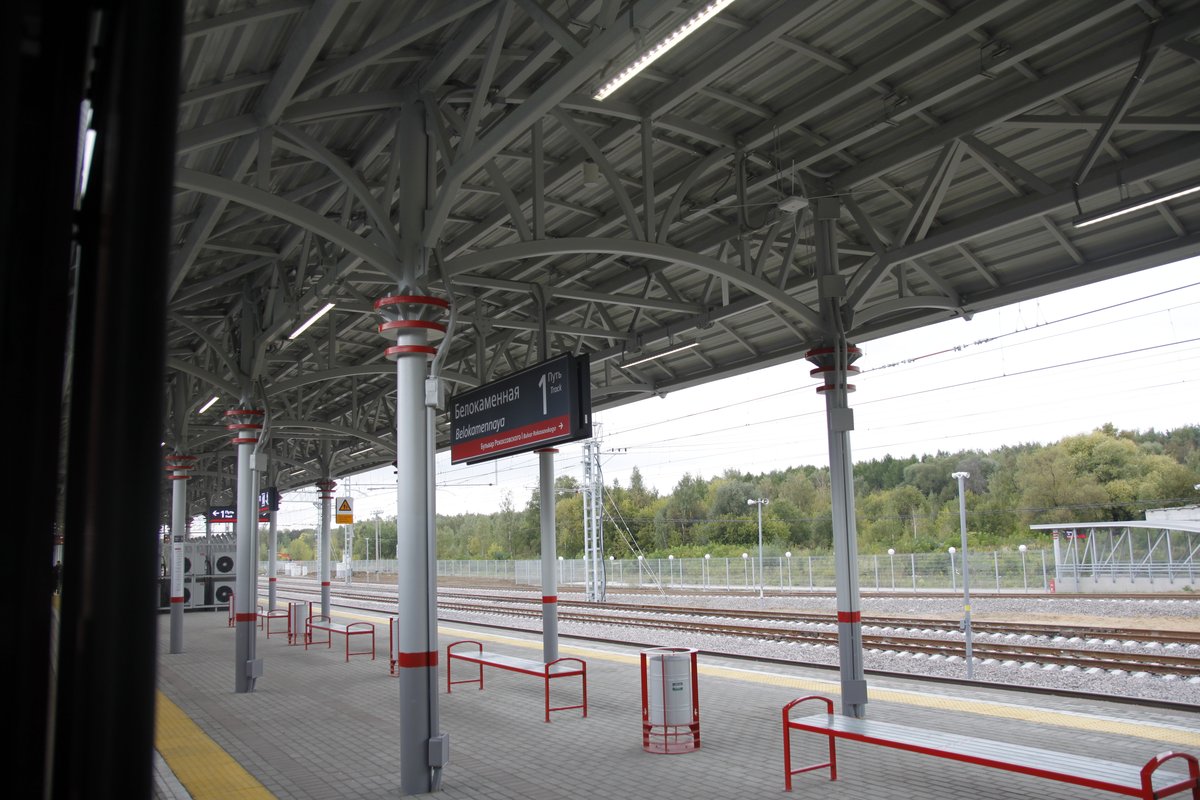
- Metro Babushkinskaya (Line 6) is 1.5 km from the main entrance; Bibirevo and Losinoostrovskaya stations are also convenient.
- Bus Several lines stop near the park.
- By Car Limited street parking; public transportation is recommended.
- Paths Paved, flat, and wheelchair- and stroller-friendly.
Facilities and Amenities
- Restrooms Located near entrances and playgrounds
- Playgrounds Multiple, with modern equipment and safety features
- Sports Facilities Courts for basketball, volleyball, football; outdoor fitness zones
- Picnic Areas Designated tables and benches, open lawns (no barbecuing)
- Wi-Fi and Charging Available at main entrances
- Seasonal Kiosks Snacks and drinks (cash and card accepted)
- Dog Areas Designated off-leash zones with waste stations
- Security CCTV and patrols
Events and Guided Tours
- Cultural Festivals Seasonal, including music, dance, and community gatherings
- Guided Walks Occasional, focusing on park history and ecology (check at park kiosks)
- Community Activities Tree planting, clean-ups, and educational workshops
Main Attractions
- Historic Orchards Mature apple and cherry trees, remnants of the dacha era
- Central Pond Once a peat extraction site, now a scenic centerpiece with walking paths
- Walking & Cycling Trails Paved and gravel, illuminated after sunset
- Art Installations Small sculptures and memorials reflecting local culture
- Open Lawns Ideal for relaxation and informal games
Seasonal Activities
- Spring/Summer Jogging, cycling, yoga, birdwatching, picnicking
- Autumn Leaf-peeping, photography, harvest festivals
- Winter Sledding, ice skating (temporary rinks), cross-country skiing
Visitor Tips and Frequently Asked Questions
Tips
- Best Time to Visit May–September for warm weather and festivals; early mornings for tranquility.
- What to Bring Comfortable shoes, picnic blanket, reusable water bottle, insect repellent, and cash for kiosks.
- Language Basic English spoken at some kiosks; translation apps are helpful.
- Safety Well-patrolled, but remain vigilant with valuables and avoid isolated spots after dark.
FAQs
Q: What are the park’s hours?
A: 6:00 AM – 11:00 PM daily.
Q: Is entry free?
A: Yes, always.
Q: How do I get there?
A: Metro to Babushkinskaya (Line 6) or Bibirevo, then walk or take a bus.
Q: Are pets allowed?
A: Yes, on leash. Off-leash in designated areas; clean up after your pet.
Q: Are guided tours available?
A: Occasionally; check park kiosks or the district’s website.
Q: Are there food options?
A: Seasonal kiosks in the park and plenty of cafes nearby.
Q: Is the park accessible?
A: Yes, with paved paths and accessible restrooms.
Community Role and Preservation
Torfyanka Park is a living symbol of active community stewardship. Residents have organized to protect the park from overdevelopment and maintain its natural beauty, exemplified by the successful movement against church construction in 2015 (The Moscow Times - Protest Victory). Ongoing environmental initiatives encourage visitors to participate in clean-ups, tree planting, and educational events, enhancing both ecological and social value.
Integration with Moscow’s Green Network
Torfyanka Park is part of a broader system of parks and ecological corridors, including Losiny Ostrov National Park nearby. This network improves air quality, mitigates heat, and offers critical habitat for urban wildlife, supporting the city’s sustainability goals (ResearchFloor - Urban Green Spaces, TrendyMoscow).