Origins and Development
Expocentre’s roots trace back to the Soviet post-World War II period, when the USSR centralized international trade exhibitions to foster economic cooperation and showcase technological advancements. Previously, events were scattered across venues like Sokolniki Park and VDNKh. The push for a modern, dedicated fairground culminated in the construction of Expocentre along the Krasnopresnenskaya embankment, strategically located near Moscow’s business districts (Expocentre Fairgrounds History).
Architectural Highlights
The architectural evolution of Expocentre mirrors Moscow’s shift toward modernism. From the iconic Pavilion No.1 to the technologically advanced Pavilion No.8, the venue’s design prioritized both functionality and aesthetics. By the early 2000s, Expocentre offered over 200,000 sq m of fairgrounds, with 135,000 sq m of exhibition space—85,000 indoors and 50,000 outdoors (Expocentre Moscow Venue Details).
Major Milestones & International Engagement
Expocentre’s history is marked by landmark events, such as the 1959 American National Exhibition and the 1965 launch of the Khimia international exhibition. These events promoted East-West dialogue and technological exchange during the Cold War. The venue organized the Soviet Pavilion at EXPO 67 (Montreal) and EXPO 2005 (Nagoya), with the latter drawing five million visitors (Expocentre Timeline). Expocentre also became the first Eastern European member of EMECA and UFI, raising Russia’s profile in the global exhibition industry.
Role in Economic Policy and Innovation
During the Soviet era, Expocentre promoted industrial, scientific, and technological achievements, supporting export growth and international investment under the Chamber of Commerce and Industry’s patronage. In the post-Soviet period, it adapted to market dynamics, hosting major business forums, trade shows, and cultural events (Expocentre Moscow Venue Details).
Recognition and Awards
Expocentre’s leadership is recognized with accolades including the Quality Award of the Russian Government and international awards for event creativity and organization (Expocentre Timeline). Its commitment to innovation is underscored by initiatives such as the “Expocentre for Counterfeit-Free Exhibitions” project—offering intellectual property guidance to exhibitors.
Visitor Information: Hours, Tickets, and Access
Visiting Hours
- Most exhibitions run from 10:00 AM to 6:00 PM; hours may vary by event. Always confirm on the Expocentre official website.
Ticketing
- Tickets can be purchased online or at the venue. Prices differ by event; some are free with registration while others require paid admission. Early online purchase is recommended for discounts and quicker entry (Expocentre Moscow: Visiting Hours, Tickets, and Historical Overview).
Transportation
- Metro Vystavochnaya and Delovoy Tsentr stations are a short walk from Expocentre.
- Car/Taxi On-site parking is available but limited; traffic congestion is common during large events.
- Bus/Tram Several lines serve the area; a ‘Troika’ card simplifies transit payments (russiabeyond.com).
Accessibility
- Expocentre provides barrier-free access, ramps, elevators, accessible restrooms, and assistance for visitors with disabilities.
Amenities and Services
- 15 cafés and food outlets, business centers, high-speed Wi-Fi, printing/copying, and robust security.
- Information desks and English-speaking staff are available.
Guided Tours & Photographic Spots
- Guided tours are available during major exhibitions; check event listings for details.
- The glass facades and landscaped outdoor areas offer excellent photo opportunities.
Nearby Attractions
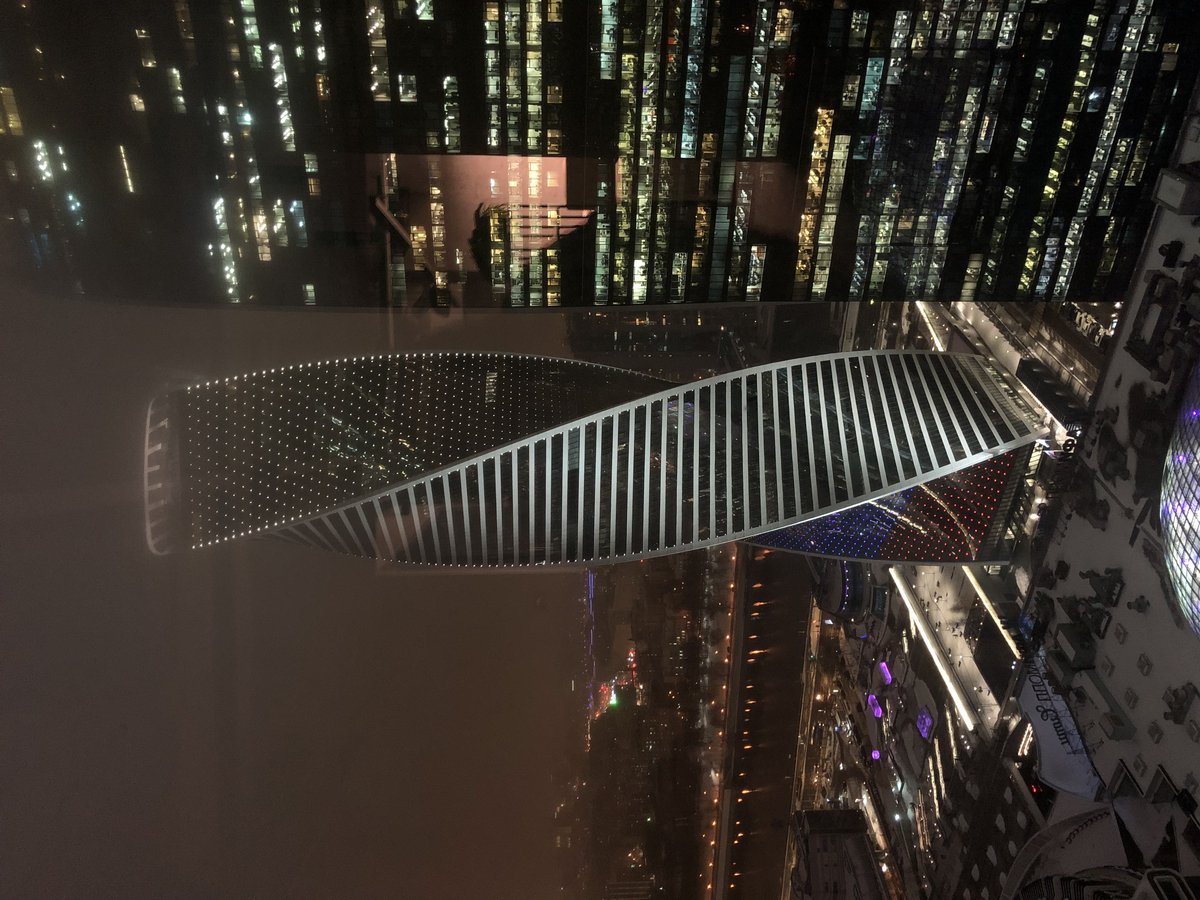
- Moscow-City skyscrapers, Moscow International Business Center, Tverskaya and Arbat streets, and the World Trade Center Moscow are all within easy reach.
Transition to Crocus Expo: Why and What to Expect
The 2025 Shift
As of June 2025, Expocentre has ceased organizing its own trade shows at the Krasnopresnenskaya embankment. Most major exhibitions—including MEBEL, Metalloobrabotka, and others—are relocating to Crocus Expo, reflecting industry demand for larger, state-of-the-art facilities with better logistics, expansive parking, and seamless metro access (Crocus Expo Booklet 2025; MEBEL-2025 Visitor Info).
Crocus Expo: Facilities, Access, and Amenities
Location and Access
- Address Mezhdunarodnaya St., 20, Krasnogorsk District, Moscow Region
- Metro Direct access via Myakinino station (Line 3), with step-free entry into the complex (Crocus Expo Booklet 2025).
- Parking Over 35,000 free spaces, including spots for people with disabilities and bike parking.
Facilities
- 1,000,000+ sq m total area, 350,000 sq m indoors, 219,000 sq m outdoors.
- Three main pavilions, 19 exhibition halls, 16 conference halls.
- Wide corridors, multilingual signage, tactile paving, and on-site wheelchairs.
On-Site Services
- Vegas Shopping Mall, restaurants, cafés, concert hall, hotel, skating rink, yacht club.
- Free Wi-Fi, cloakrooms, and robust security (Crocus Expo Booklet 2025).
Events and Visitor Flow
- Hosts 350+ events annually with over 10 million visitors.
- Effective crowd management enables simultaneous exhibitions.
Accessibility and International Arrivals
- Barrier-free design, elevators, ramps, and multilingual staff.
- Connected to Moscow’s international airports via Aeroexpress trains and taxi services.
Summary & Practical Tips
- Check event locations and times before your visit; most major exhibitions are now at Crocus Expo.
- Buy tickets online in advance for discounts and to avoid queues.
- Use public transportation, especially the metro, for the most efficient access.
- Plan for accessibility Both venues offer comprehensive facilities for visitors with disabilities.
- Explore nearby attractions Moscow-City, Arbat Street, and Tverskaya Street offer culture, dining, and entertainment.
- Stay updated Use official websites and apps like Audiala for real-time event updates.
Frequently Asked Questions (FAQs)
Q: What are typical visiting hours at Expocentre and Crocus Expo?
A: Usually 10:00 AM to 6:00 PM for exhibitions; confirm specifics on official event websites.
Q: How do I buy tickets?
A: Purchase online via official event pages or at the venue. Early online purchase is advised.
Q: Is wheelchair access available?
A: Yes, both venues are fully accessible and offer assistance.
Q: How do I get to Crocus Expo from central Moscow?
A: Take the metro to Myakinino station (Line 3); journey time is 30–40 minutes.
Q: Where can I find the latest event and venue information?
A: Refer to the official Expocentre and Crocus Expo websites.