
The Soviet Era and Industrial Growth
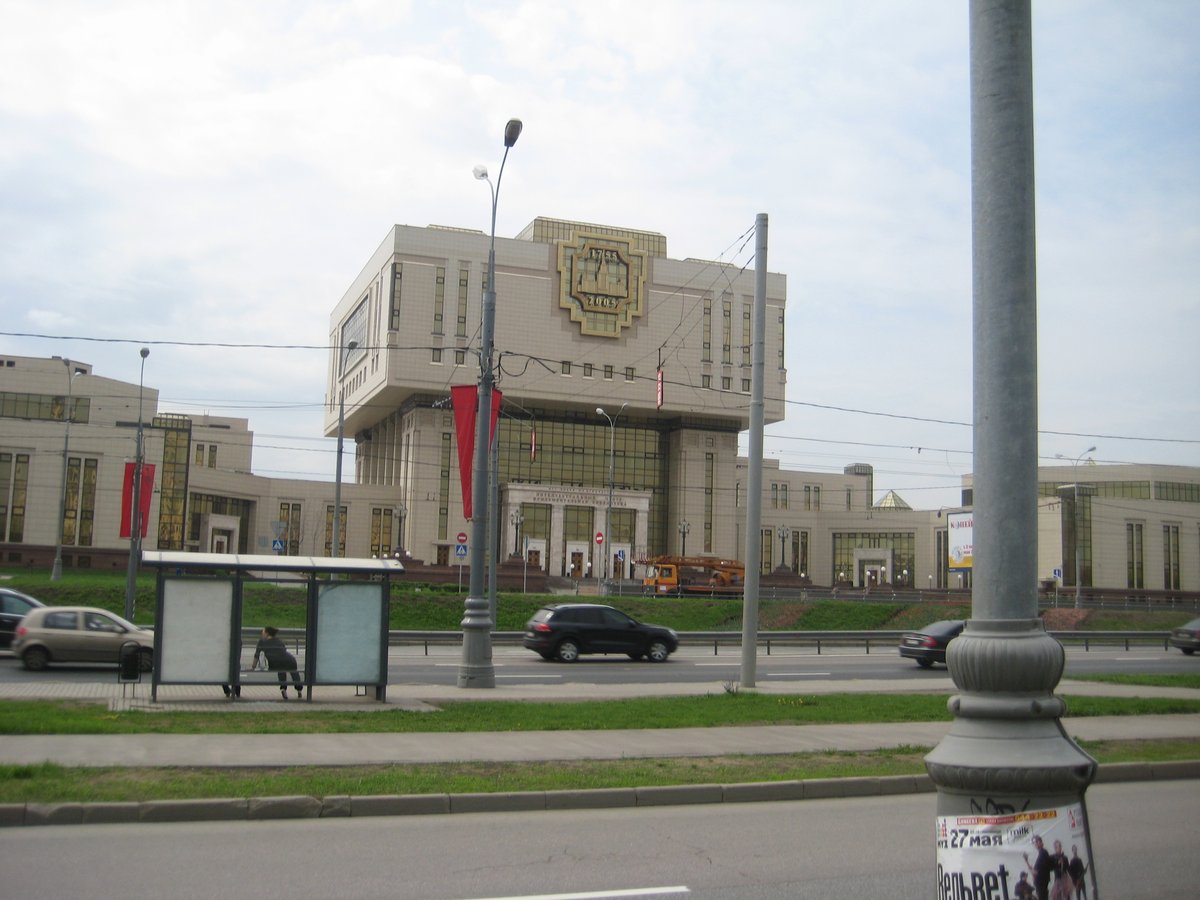
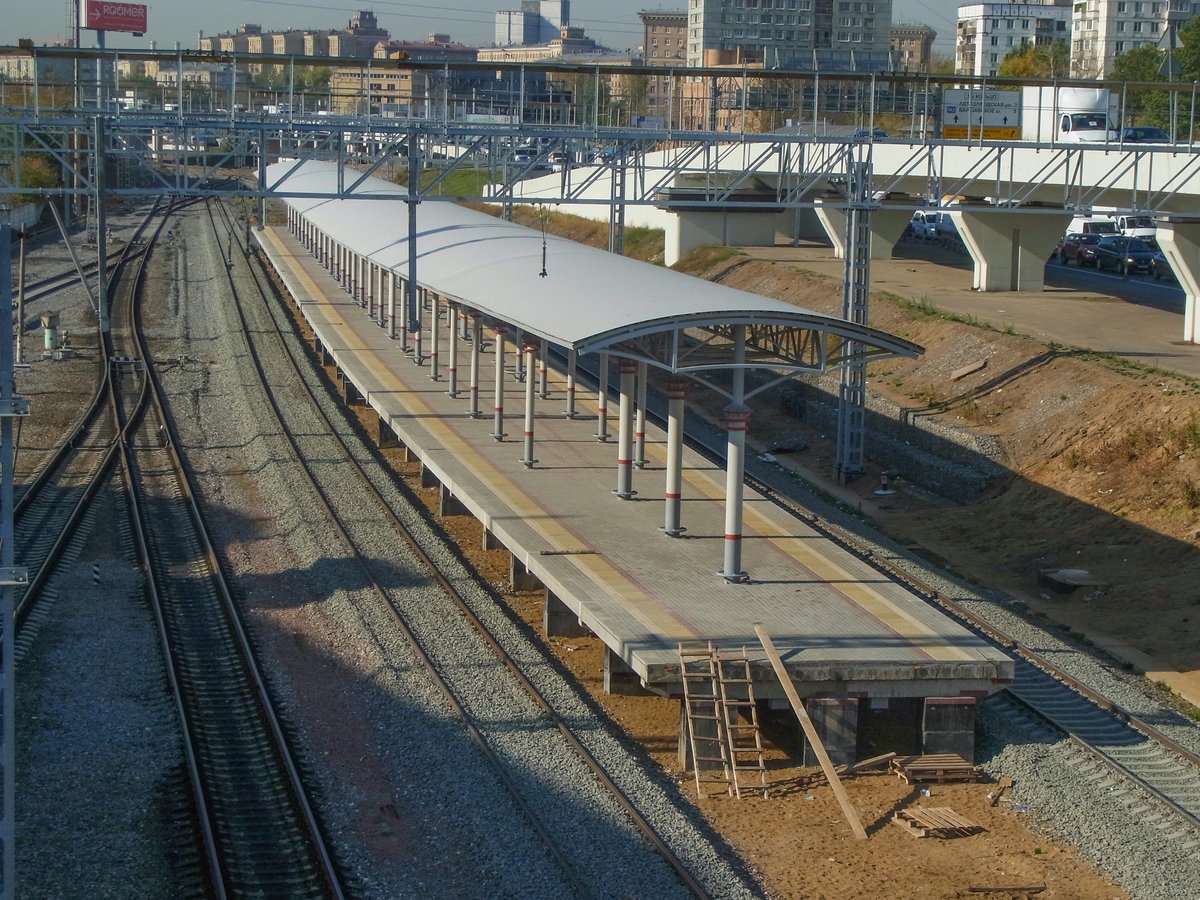
Dubrovka’s prominence rose in the Soviet period, becoming a major industrial hub, particularly for textiles. The district's population expanded rapidly as residential housing, communal facilities, and schools were constructed for factory workers. The 1999 opening of the Dubrovka Metro Station on the Lyublinsko-Dmitrovskaya Line made the district more accessible, further integrating it into the city’s daily life (Express to Russia).
The 2002 Hostage Crisis at Dubrovka Theater
The defining moment in Dubrovka’s modern history occurred during the "Nord-Ost" musical at the Dubrovka Theater (House of Culture), when Chechen militants took over 800 hostages on October 23, 2002. The siege ended after three days in a controversial rescue operation, resulting in the death of all attackers and over 130 hostages, many due to the effects of a gas used during the assault (Ranker; The Moscow Times). The theater remains a poignant memorial site, with annual commemorations ensuring the tragedy is not forgotten.
Visiting Dubrovka: Hours, Tickets, and Accessibility
Dubrovka Theater
- Performances The theater, now restored, hosts a variety of cultural events and performances. Check the official website for schedules.
- Memorials Accessible year-round, the memorial outside the theater is open to visitors for reflection and remembrance.
Opening Hours & Tickets
- Theater Open Tuesday–Sunday. Ticket offices generally operate from 11:00 AM to 7:00 PM on performance days. Most shows begin around 7:00 PM. Always confirm timings on the official website before visiting.
- Tickets Purchase online or at the box office. Prices range from 800–2500 RUB, depending on the event and seating. Special events may require advance booking due to limited availability.
Accessibility
- Metro Access Dubrovka Metro Station on the Lyublinsko-Dmitrovskaya Line (Line 10) is fully accessible, with escalators and elevators.
- Neighborhood Generally pedestrian-friendly, though visitors with mobility needs should confirm accessibility at specific venues.
Key Sites and Attractions
Dubrovka Theater & Memorial
- Landmark The centerpiece of the district, the theater is both a living performance venue and a site of remembrance.
- Memorial A plaque and monument honor the victims of the 2002 siege, with annual ceremonies held each October.
Soviet-Era & Modern Architecture
- Explore residential blocks and repurposed factories that illustrate the area’s industrial legacy and current urban renewal.
Local Markets & Shopping
- The Dubrovka Shopping Center is a bustling hub for affordable goods, electronics, and clothing—ideal for observing daily Moscow life.
Nearby Attractions
- Gorky Park Green spaces and cultural events, a metro ride away.
- Moscow River Scenic walks and riverside parks.
- Izmailovsky Park & Kuskovo Estate Easily accessible for further exploration of Moscow’s history and leisure.
Getting There: Transportation Guide
- By Metro Take the Lyublinsko-Dmitrovskaya Line (Line 10) to Dubrovka Station. The journey from central Moscow is 15–20 minutes (HikersBay).
- By Taxi/Rideshare Use apps like Yandex.Taxi or Citymobil for safe, transparent fares (400–700 RUB to the city center).
- Public Transit Buses and trams connect Dubrovka with other districts.
Safety, Security, and Local Customs
Local Etiquette
- Greetings A handshake and use of first name plus patronymic in formal settings.
- Dress Code Smart-casual for daily outings; business-casual for theaters.
- Photography Permitted at most sites, but avoid government buildings and always ask before photographing individuals.
- Language Russian predominates, but English is common in tourist areas and on signage. Learning basic Russian phrases is appreciated.
Traveler Tips and Seasonal Advice
- Best Time to Visit Late spring and early autumn offer mild weather and pleasant conditions for walking tours (HikersBay).
- Winter Visits Prepare for subzero temperatures with layered clothing.
- Health Carry travel insurance; English-speaking clinics are available.
- Payments Most cards accepted, but bring some cash (RUB) as a backup. Check with your bank regarding card usage in Russia (Against the Compass).
- Connectivity Free Wi-Fi in metro and shopping centers; local SIM cards are affordable and widely available.
- Respectful Remembrance Maintain decorum at memorials, especially during commemorative events.
Frequently Asked Questions (FAQ)
Q: How do I reach Dubrovka from central Moscow?
A: The Lyublinsko-Dmitrovskaya Metro Line (Line 10) provides direct access; taxis and rideshares are also available.
Q: What are the Dubrovka Theater’s hours and how do I get tickets?
A: The theater is open Tuesday–Sunday, with performances usually at 7:00 PM. Tickets can be purchased online or at the box office.
Q: Is Dubrovka safe for tourists?
A: Yes, standard urban precautions apply. Use official transport and remain aware of your surroundings.
Q: Are guided tours available?
A: Yes, local operators and the theater itself occasionally offer guided tours—check ahead for scheduling and language options.
Q: Are there entrance fees for Dubrovka?
A: Exploring the district and memorials is free; theater performances require tickets.
Planning Your Dubrovka Visit: Recommendations
- Plan Ahead Confirm theater schedules and book tickets in advance.
- Use Official Transport The metro is fast and reliable; taxis should be ordered via apps.
- Combine Attractions Pair your Dubrovka visit with trips to central Moscow or nearby parks and museums.
- Stay Informed Check official sources for event updates, especially around the anniversary of the 2002 siege.
- Immerse in Local Culture Visit markets, try local cafes, and participate in guided tours for a deeper experience.