
Campus Location and Accessibility
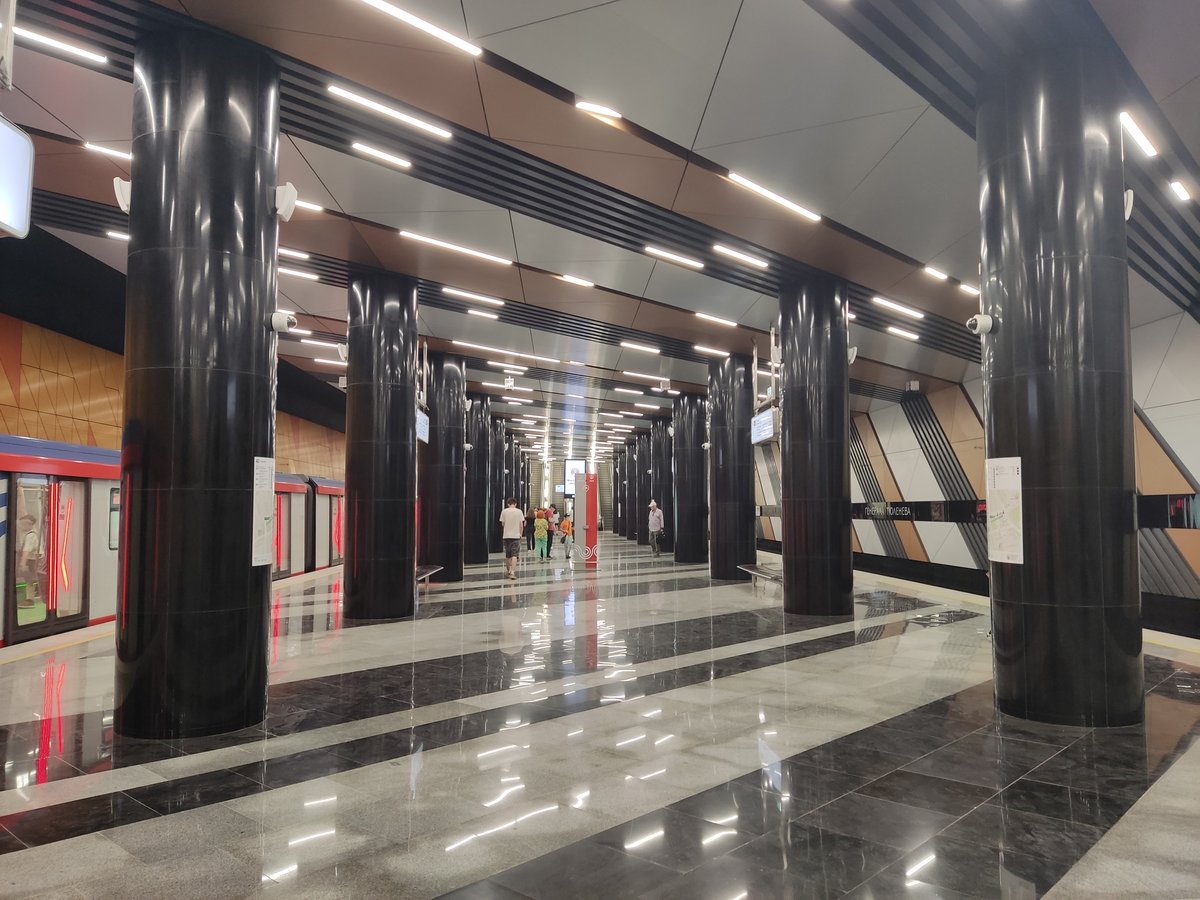
MADI is situated in northern Moscow at Leningradsky Prospekt, a key thoroughfare connecting the city center to Sheremetyevo International Airport. The campus is easily reached by metro (Sokol and Aeroport stations on the Zamoskvoretskaya Line) and is well-served by bus and trolleybus routes.
For international visitors, Sheremetyevo International Airport is about 25 kilometers away, while Belorussky Railway Station—linking Moscow to other Russian and European cities—is accessible via a short metro ride (Moscow.Info).
The university grounds are wheelchair accessible, with paved paths, ramps, and visitor facilities that ensure comfort for all guests.
Visiting Hours and Ticket Information
- Hours Monday to Friday, 9:00 AM to 6:00 PM. Limited access on weekends and public holidays.
- Tickets General campus access and the MADI Monument are free. Guided tours and special events may require advance booking and a nominal fee.
- Guided Tours Group tours are available by appointment, especially during open days or university events. Contact the International Office in advance to schedule.
Arranging a Guided Tour at MADI
To book a guided tour, reach out to the International Office via the official website or email. Tours typically include the main academic building, research institutes, and notable architectural features. Some areas may be restricted during academic activities.
Campus Facilities and Photo Opportunities
MADI’s campus offers a blend of historical and contemporary sights:
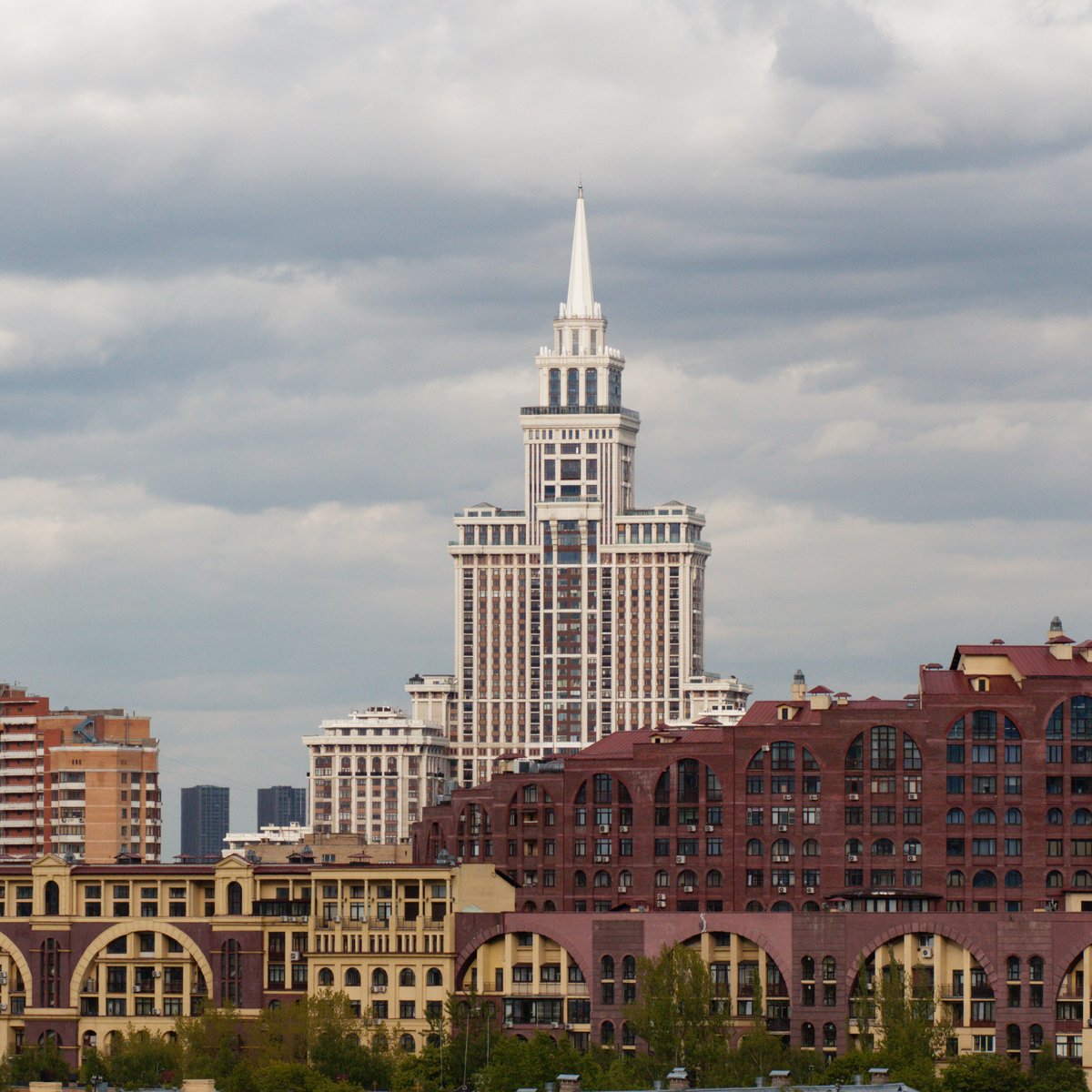
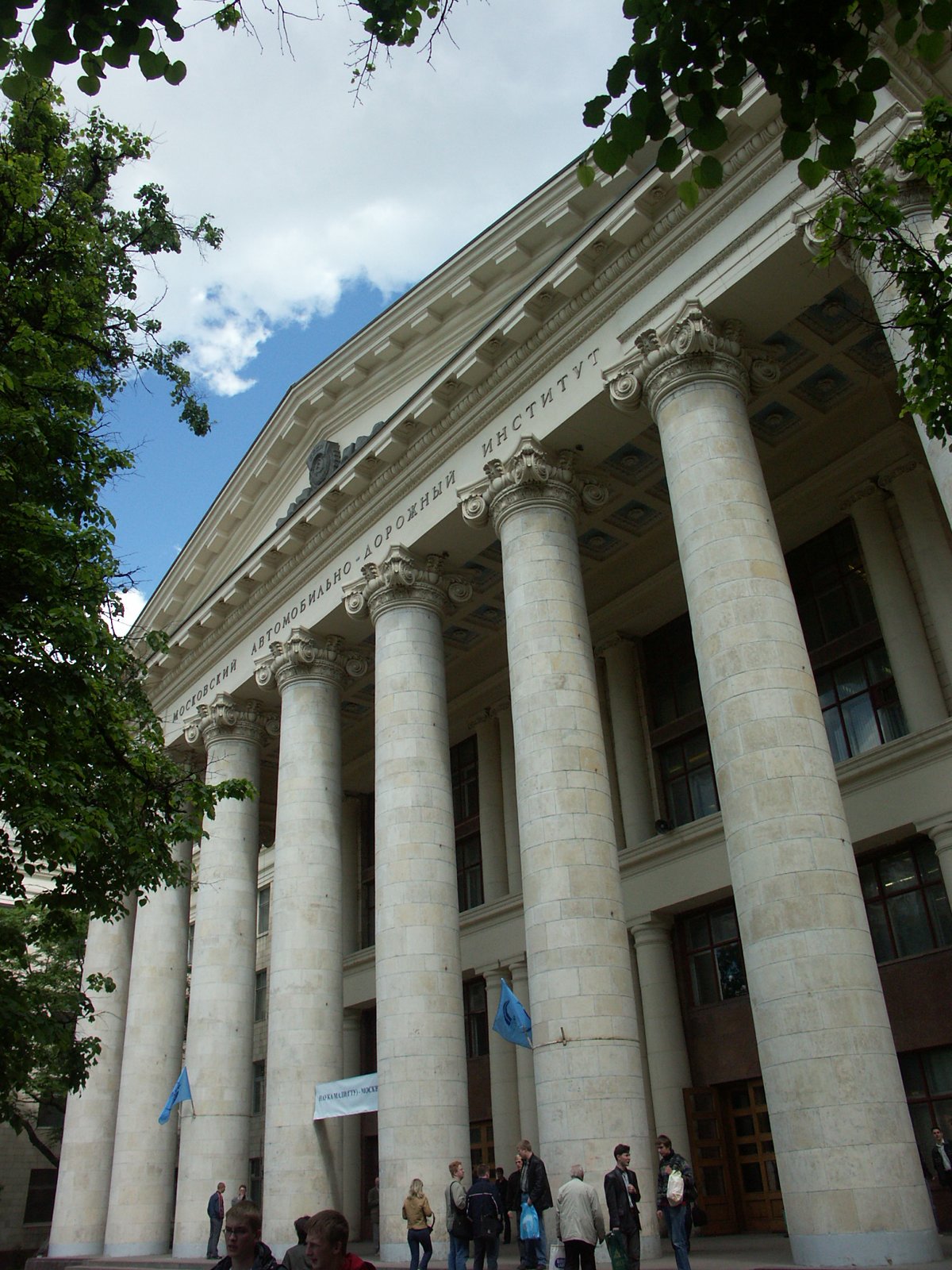
- Main Academic Building A striking example of Stalinist architecture.
- Research Institutes Showcasing cutting-edge innovation in automotive and road technology.
- Sports and Recreation Gyms and outdoor fields, occasionally open to visitors during events.
- Green Spaces Landscaped gardens ideal for relaxation and photography.
Top photo spots include the main building facade, commemorative plaques, and the central plaza with the MADI Monument.
Cultural Insights and Student Life
MADI is home to a vibrant international student body and offers a dynamic campus life:
- Technical Clubs Teams regularly compete in events like Formula Hybrid and Formula Student.
- Cultural Societies Dance, music, and theater groups contribute to a lively cultural scene.
- Sports The university supports a strong tradition of athletics, with some facilities open to guests during special events.
Events and Academic Conferences
MADI frequently hosts international conferences and seminars on transport engineering, road safety, and sustainability. These events attract experts and visitors worldwide. Check the university’s website for upcoming event schedules.
Architectural and Historical Significance
Founded in 1930, MADI’s architecture reflects both Stalinist and later Soviet modernist styles. The campus is adorned with plaques and displays commemorating milestones and achievements, including the prestigious Labor Red Banner and the Medal of Friendship of Vietnam.
Practical Travel Tips
- Language Most signage is in Russian; a translation app is helpful.
- Dress Code Modest attire is recommended.
- Photography Permitted in public areas; seek permission in labs or during academic sessions.
- Dining On-campus cafeterias serve affordable meals for guests.
- Wi-Fi Free in academic buildings; ask at the reception for guest access.
- Security 24-hour security; carry identification and a passport copy.
Nearby Attractions
After exploring MADI, consider visiting these nearby sites:
- Petrovsky Palace An 18th-century historical landmark within walking distance.
- Victory Park Commemorates Russia’s World War II history.
- Central Botanical Garden Perfect for nature walks and relaxation.
- Aviapark Shopping Mall One of Europe’s largest shopping complexes.
- Moscow Hippodrome Russia’s oldest horse racing track.
These attractions offer a richer perspective on Moscow’s cultural and historical landscape (Moscow.Info).
Frequently Asked Questions (FAQ)
Q: What are the visiting hours?
A: Monday to Friday, 9:00 AM to 6:00 PM; limited weekend access.
Q: How do I book a guided tour?
A: Contact the International Office via the official MADI website.
Q: Are tickets required?
A: Admission is free; some tours and events may require a small fee.
Q: Is the campus accessible for visitors with disabilities?
A: Yes, the campus is wheelchair accessible.
Q: Are there good places for photography?
A: Yes, especially the main building, the monument, and surrounding gardens.