


Origins and Historical Development
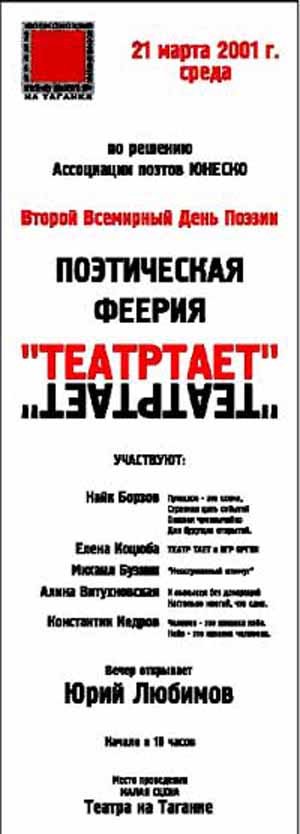
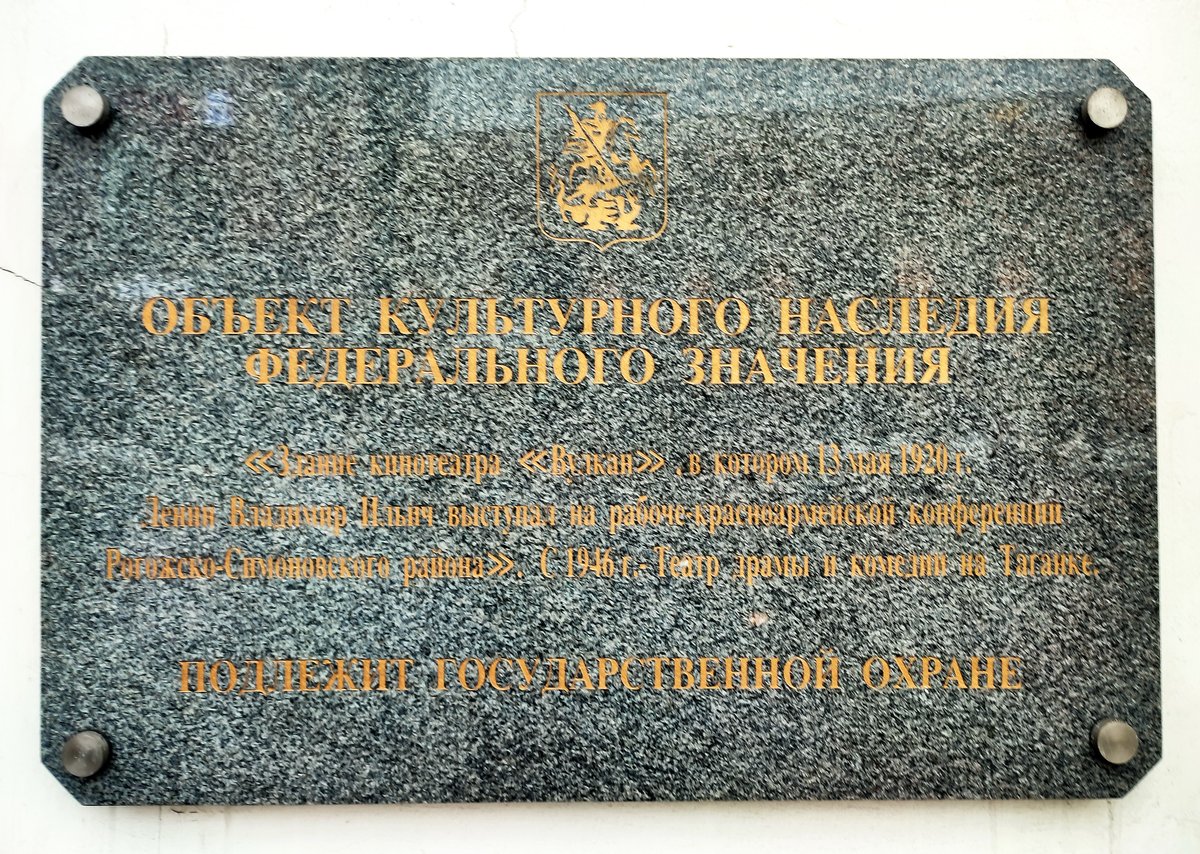
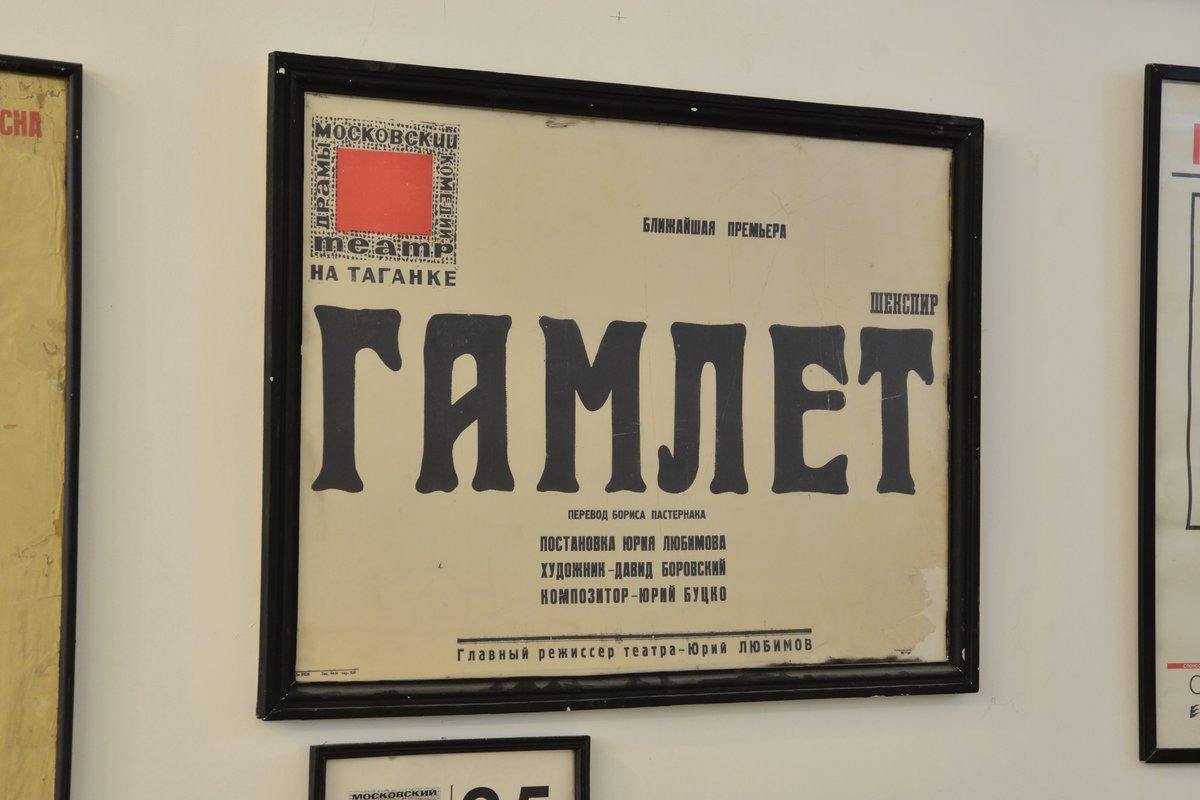
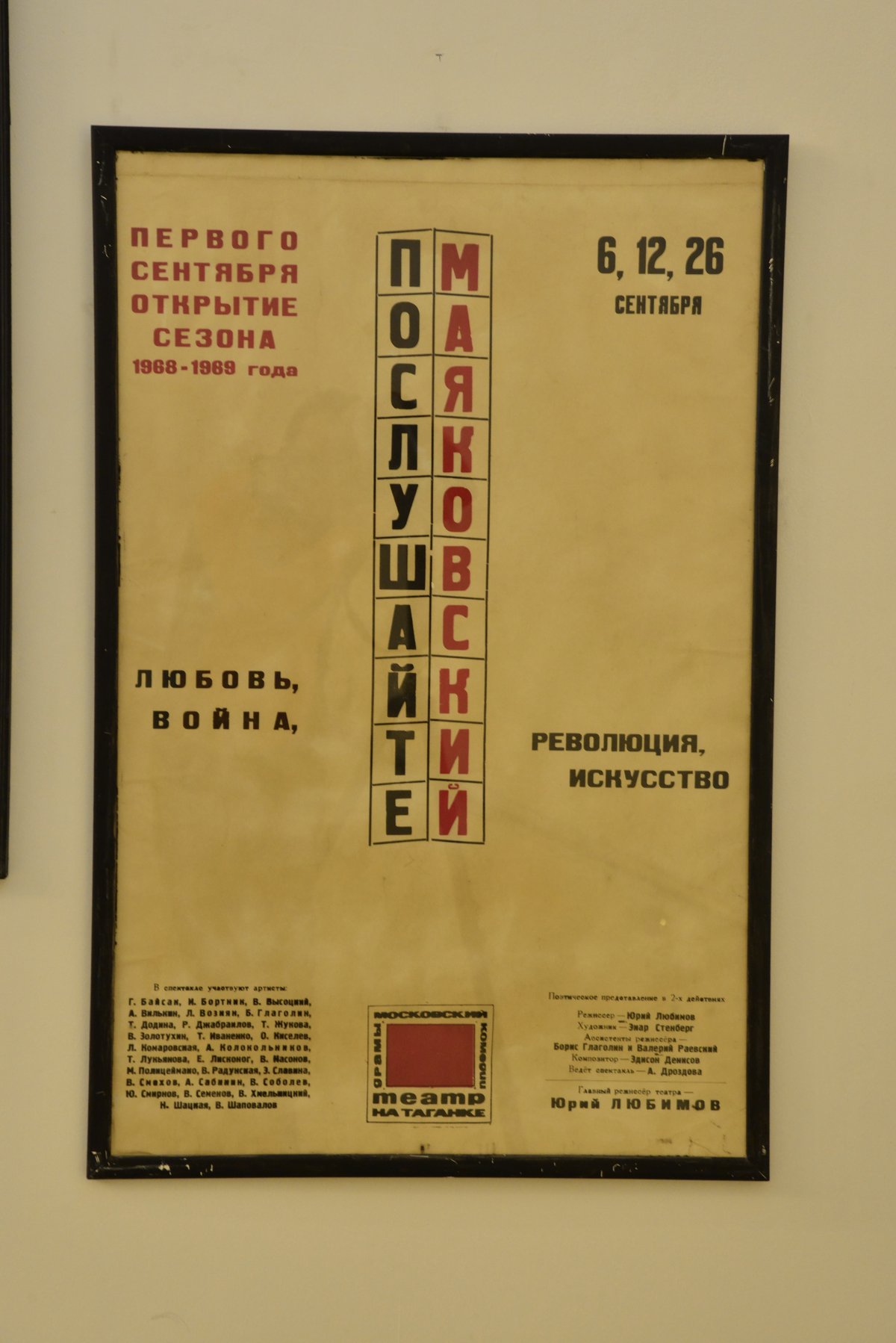
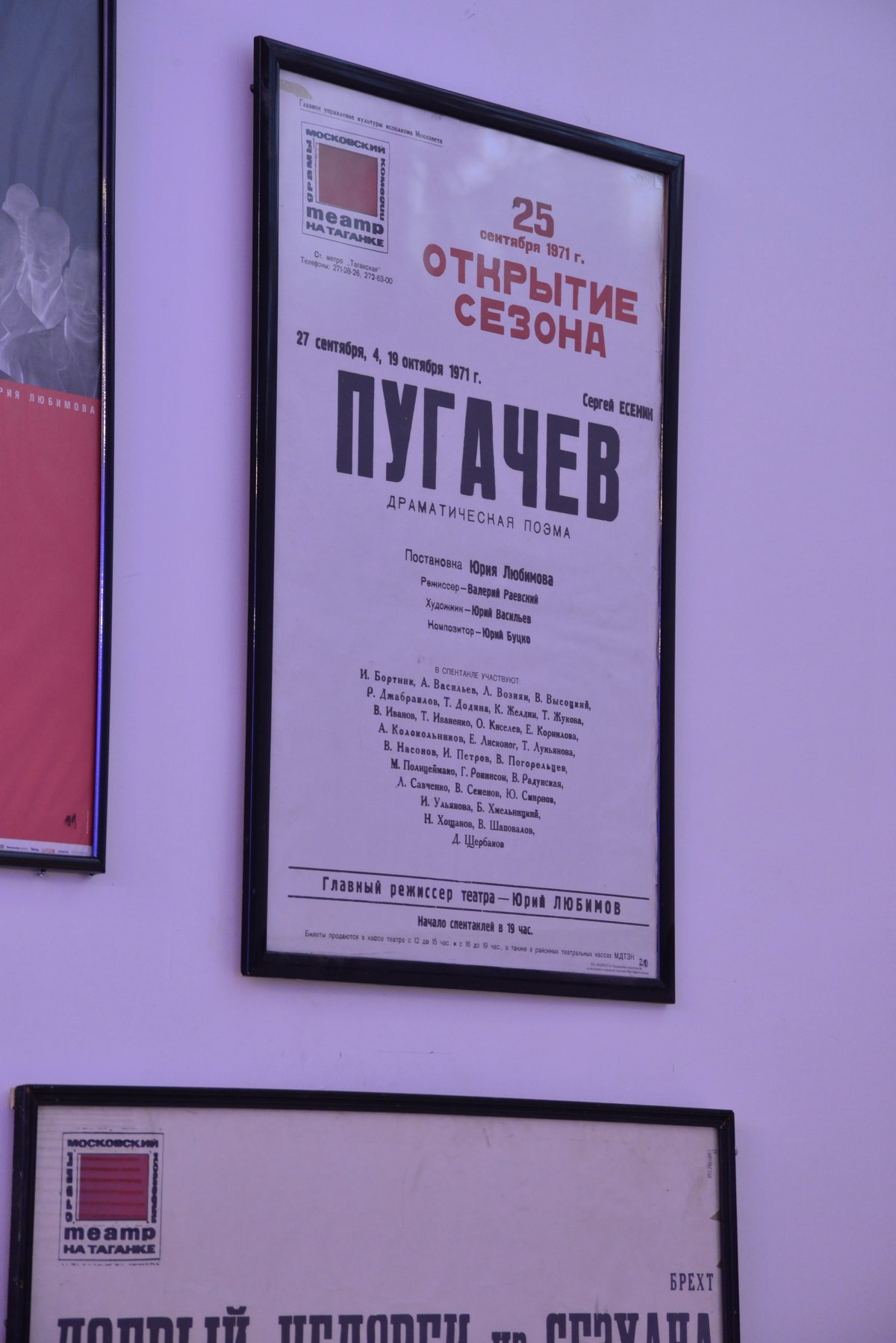
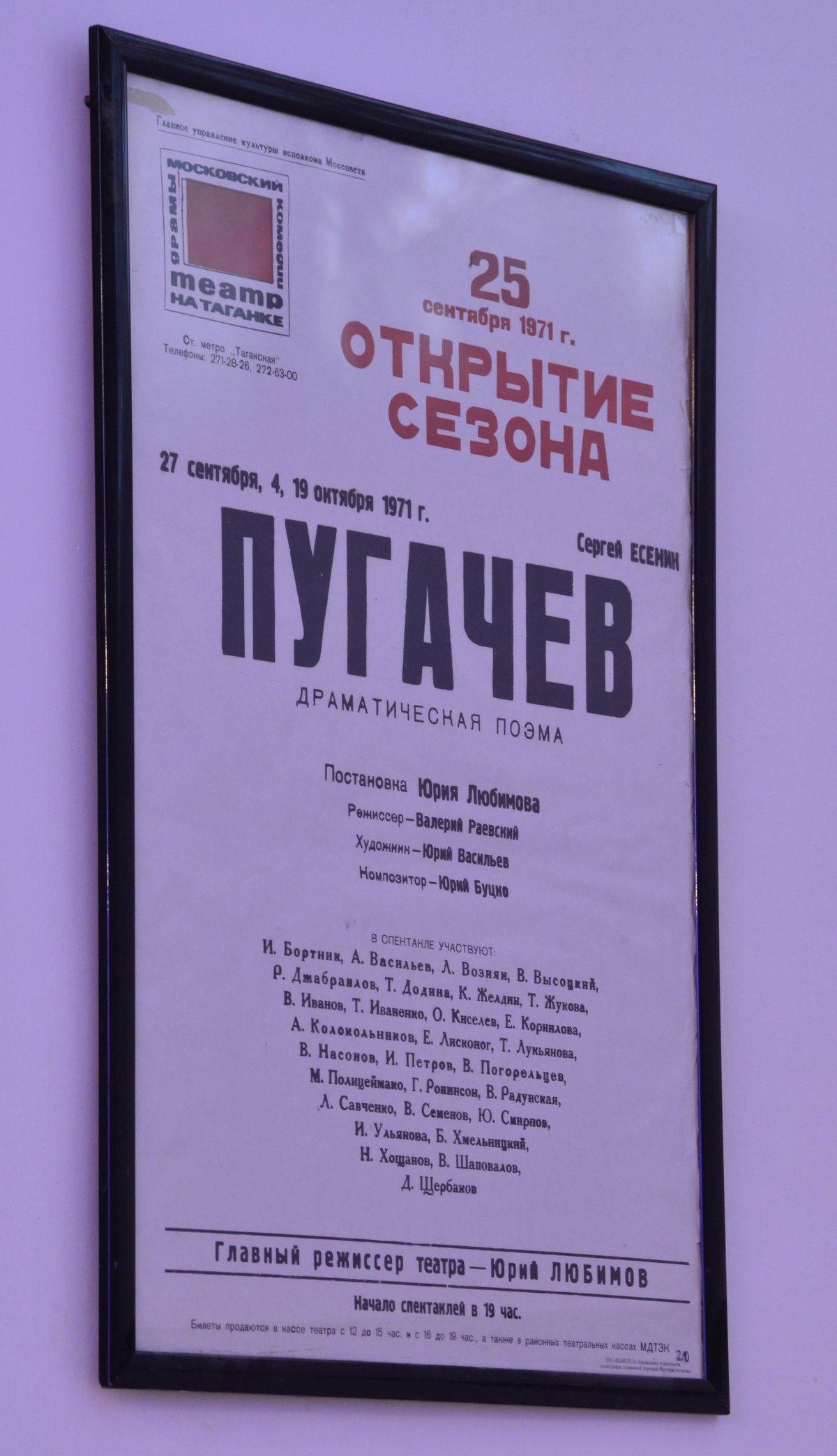
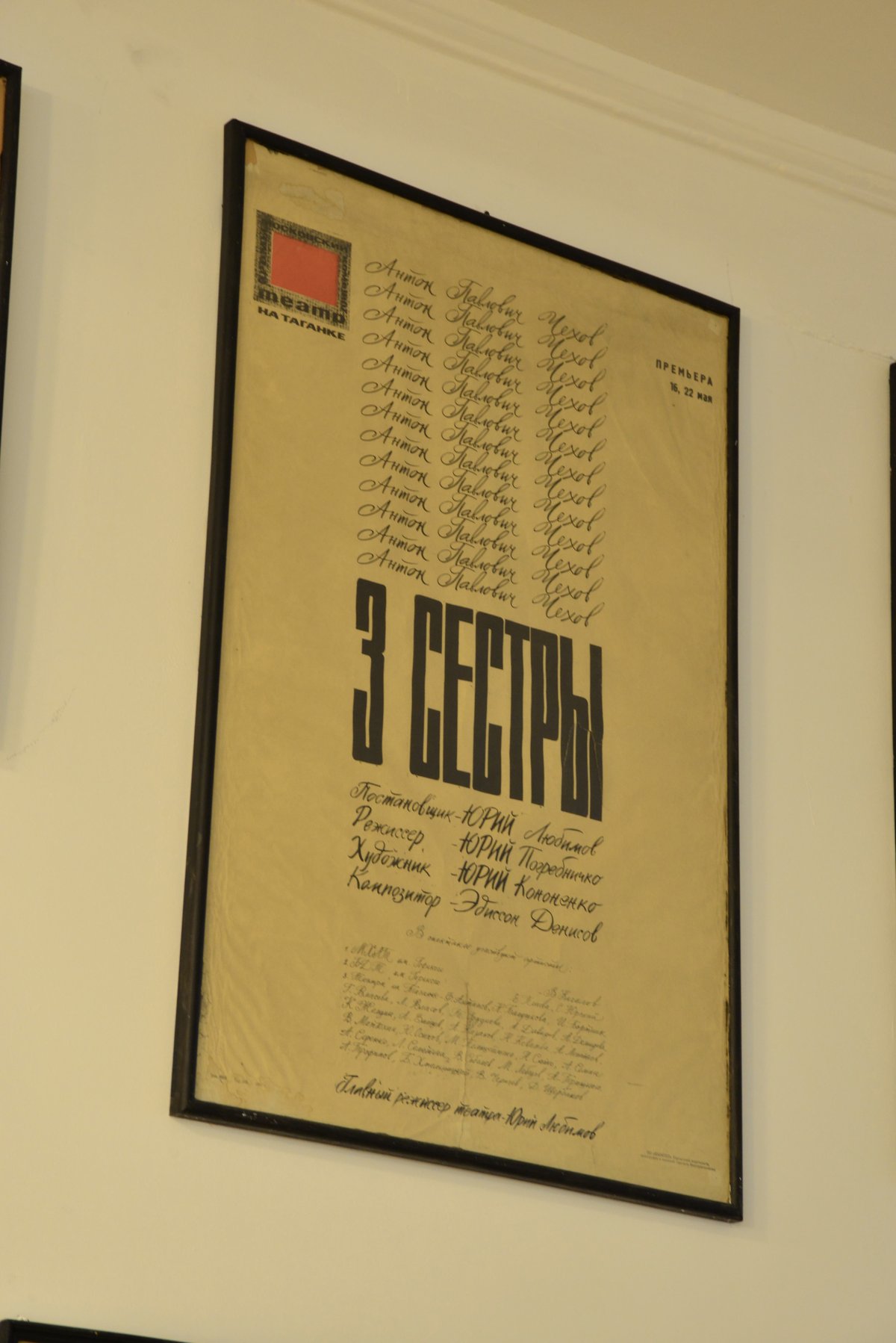
The Taganka Theatre’s building traces its roots to 1911, originally housing Moscow’s first electric silent cinema, “Vulkan.” Post-World War II, it became the Moscow Drama and Comedy Theatre. Its true metamorphosis occurred in 1964, when director Yuri Lyubimov, a graduate of the Vakhtangov Theatre School, introduced a fresh artistic vision and assembled a dynamic, youthful troupe (Master & Margarita: Taganka). Lyubimov’s approach redefined Soviet theatre by fostering experimentation and dissent (Encyclopedia.com: Taganka).
Artistic Innovations and Cultural Impact
Lyubimov’s “theatre of synthesis” blended music, dance, pantomime, acrobatics, masks, and shadow-play, breaking away from rigid Soviet realism. Productions like Bertolt Brecht’s “The Good Person of Szechwan” and adaptations of Russian classics introduced new forms of epic theatre and poetic montage (Master & Margarita: Taganka). The ensemble’s performances often began outside the auditorium, immersing audiences before the curtain even rose.
Taganka became the epicenter of Moscow’s 1960s and 1970s cultural life, attracting intellectuals and youth, and inspiring new venues dedicated to experimental theatre (Advantour; Russia-IC).
Political Significance and Notable Productions
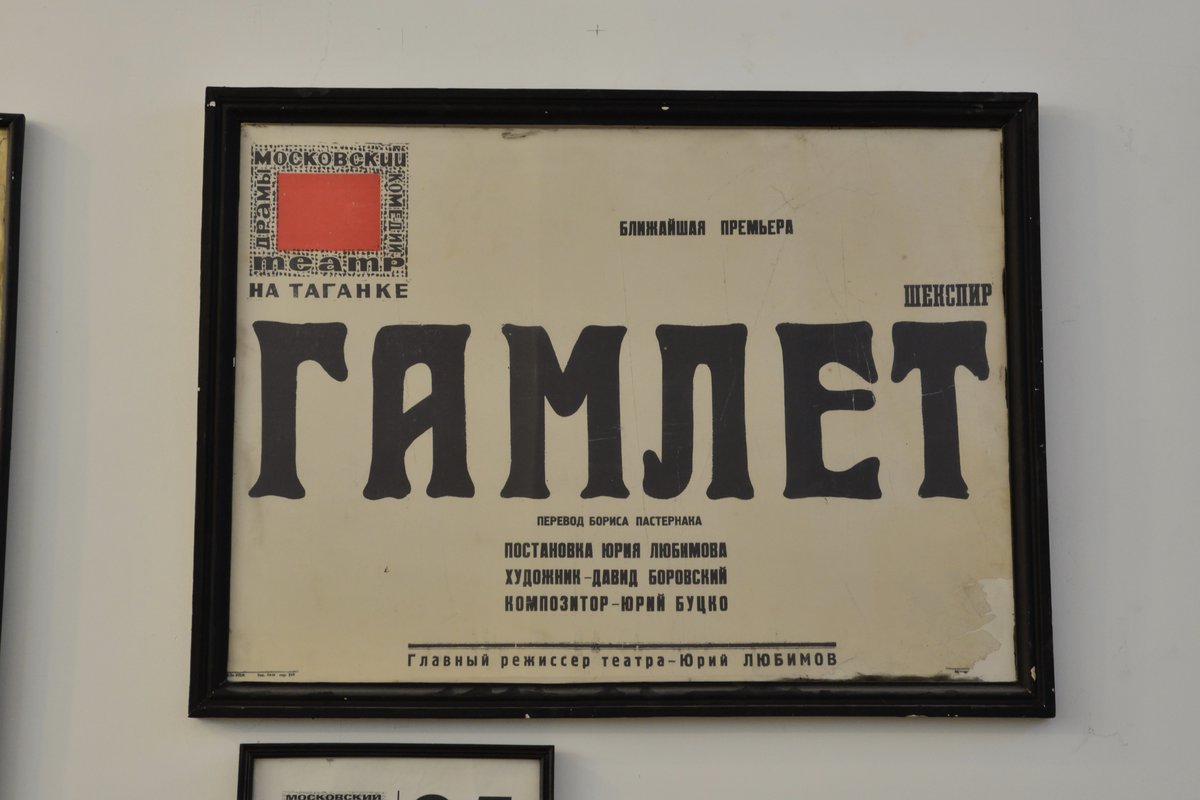
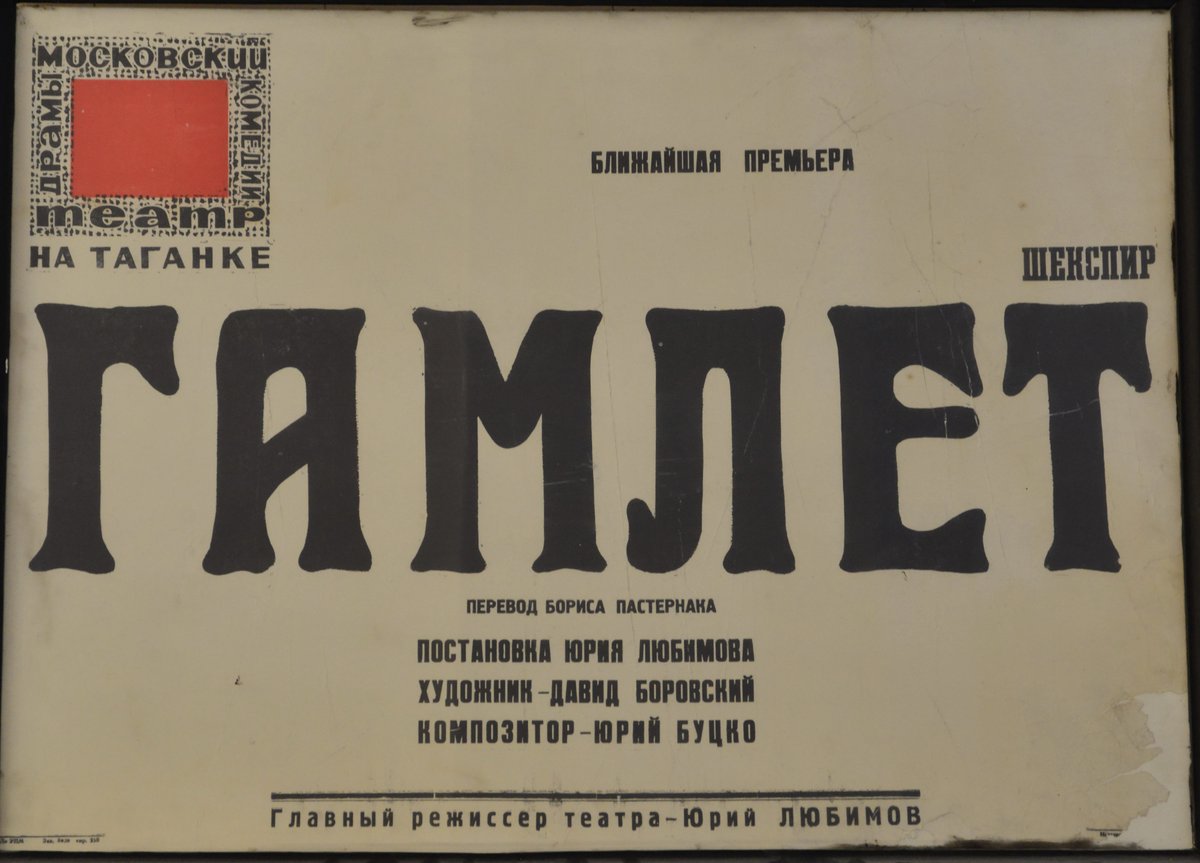
Throughout the Soviet era, the Taganka Theatre was a crucible of artistic resistance. Its bold productions—such as the legendary 1971 staging of “The Master and Margarita,” symbolized by the phrase “Manuscripts don’t burn”—challenged censorship and embodied the spirit of dissent (Wilson Center PDF). The theatre’s ensemble included luminaries like Vladimir Vysotsky, whose Hamlet (1971) stands as a pinnacle of Soviet theatre (En Atomiyme: Taganka Actors).
The theatre faced crises—Lyubimov’s exile in 1984, internal schisms during Perestroika, and the pressures of commercialization in post-Soviet Russia—but has retained its commitment to innovation and social commentary (Master & Margarita: Taganka; Advantour).
Practical Visitor Information
Location and Accessibility
- Address 76/21 Zemlyanoi Val Street, Moscow, Russia, Taganka District (Taganka Theatre Official Site)
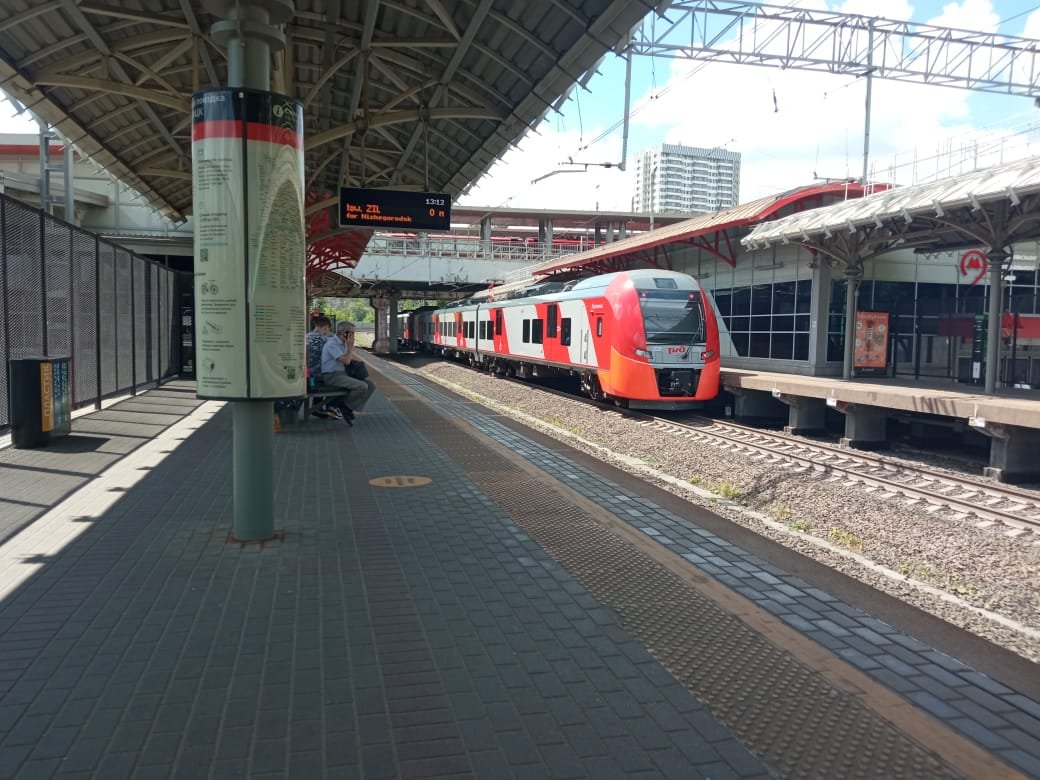
- Nearest Metro Stations Taganskaya (Koltsevaya and Tagansko-Krasnopresnenskaya lines), Marksistskaya (Kalininskaya line)
- Accessible by Metro, bus, taxi; interactive maps available on the theatre website
- Accessibility Wheelchair ramps, accessible restrooms, and accommodations available upon request
Visiting Hours
- Box Office Monday–Saturday, 11:00 AM–7:00 PM; closed on Sundays and public holidays
- Performances Evening shows typically begin at 19:00; matinees on weekends and holidays (verify current schedules online)
How to Purchase Tickets
- Official Website Secure online purchase with seat selection (https://taganka-teatr.ru/)
- Box Office In-person sales during opening hours
- Concierge Service Personalized booking and delivery available
- Authorized Vendors Reputable agencies such as Express to Russia
- Ticket Prices Generally 500–3,500 rubles, varying by production, seat, and stage; discounts for students, seniors, and children
Facilities and Amenities
- Cloakroom Complimentary for outerwear (mandatory)
- Café Light snacks and beverages before shows and during intermission
- Restrooms Accessible and clean, available on each floor
- Souvenir Shop Theatre programs, books, and memorabilia
Special Events and Guided Tours
- Guided Tours Explore backstage, architecture, and history; book in advance
- Workshops and Festivals Participate in major cultural events such as the International Theatre Festival and annual “Night of Museums” (ETS Russia Travel)
- Educational Programs Group bookings and workshops for schools and universities (tagankasat.ru)
Performance Schedule and Repertoire
Taganka Theatre’s 2025 repertoire features a blend of drama, tragedy, comedy, musicals, and experimental works:
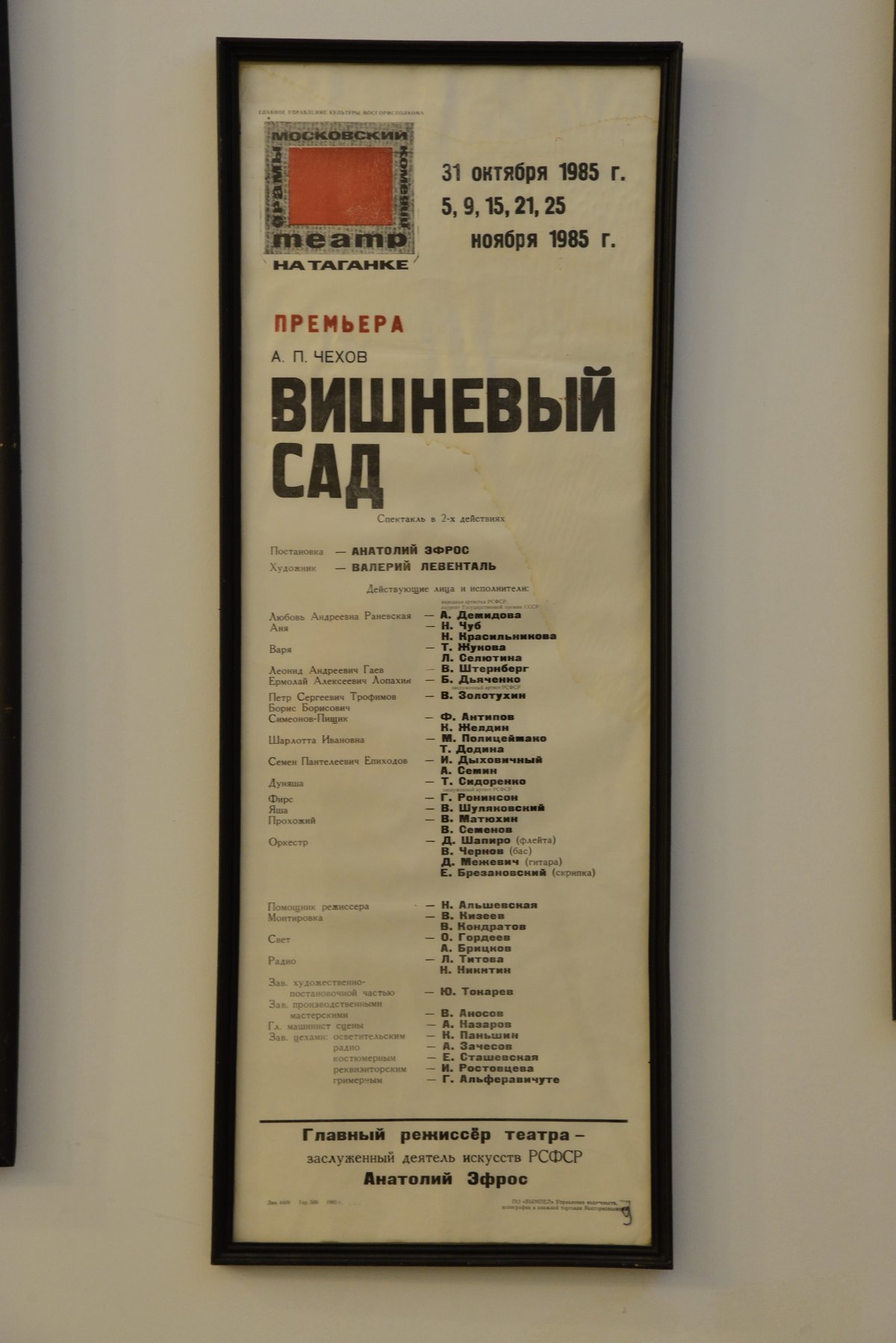
- “Hamlet,” “Anna Karenina,” “Viy,” “Sweeney Todd,” “Master and Margarita,” “The Queen of Spades,” and “The Cherry Orchard” (Taganka Theatre Events)
- Recent premieres and director’s laboratories
- Children’s performances and interactive fairy tales
The theatre is a frequent nominee and laureate of the “Golden Mask” National Theatre Award (Taganka Theatre News).
Dress Code and Theatre Etiquette
- Dress Code Smart-casual or business attire is recommended for evening performances
- Punctuality Arrive at least 30 minutes early; latecomers may be asked to wait for a break
- Photography/Recording Strictly prohibited during performances; allowed in lobby and exhibition areas
- Mobile Phones Silence required inside the auditorium
Nearby Attractions
- Taganka Square Architectural and cultural landmarks
- Tretyakov Gallery Renowned art collection
- Vakhtangov Theatre Another historic stage nearby
- Restaurants and Cafés Abundant options for pre- or post-show dining in the Taganka district
Frequently Asked Questions (FAQ)
Q: What are the Taganka Theatre visiting hours?
A: The box office is open Monday–Saturday, 11:00 AM–7:00 PM; performance times vary.
Q: How can I buy tickets?
A: Purchase online, at the box office, via concierge service, or through reputable agencies.
Q: Is the theatre accessible for visitors with disabilities?
A: Yes, with ramps and accessible restrooms; contact the theatre in advance for assistance.
Q: Are there performances in languages other than Russian?
A: Most are in Russian; some festivals or special events may offer subtitles or translation.
Q: Is there a dress code?
A: No strict dress code, but smart-casual attire is customary.