
Founding and Early Development (1830–1917)
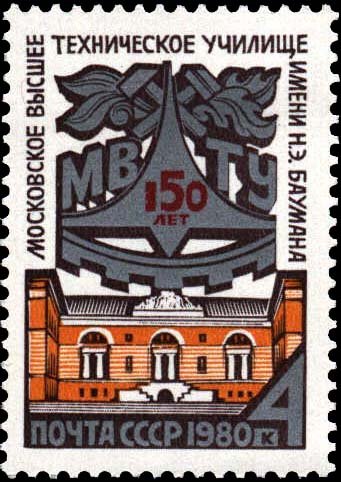
BMSTU began as the Imperial Moscow Technical School, an institution created to support Russia's burgeoning industrial sector (buhave.com). It set the standard for practical engineering education, training generations of experts who shaped Russian industry.
Soviet Era Transformation and Expansion (1917–1991)
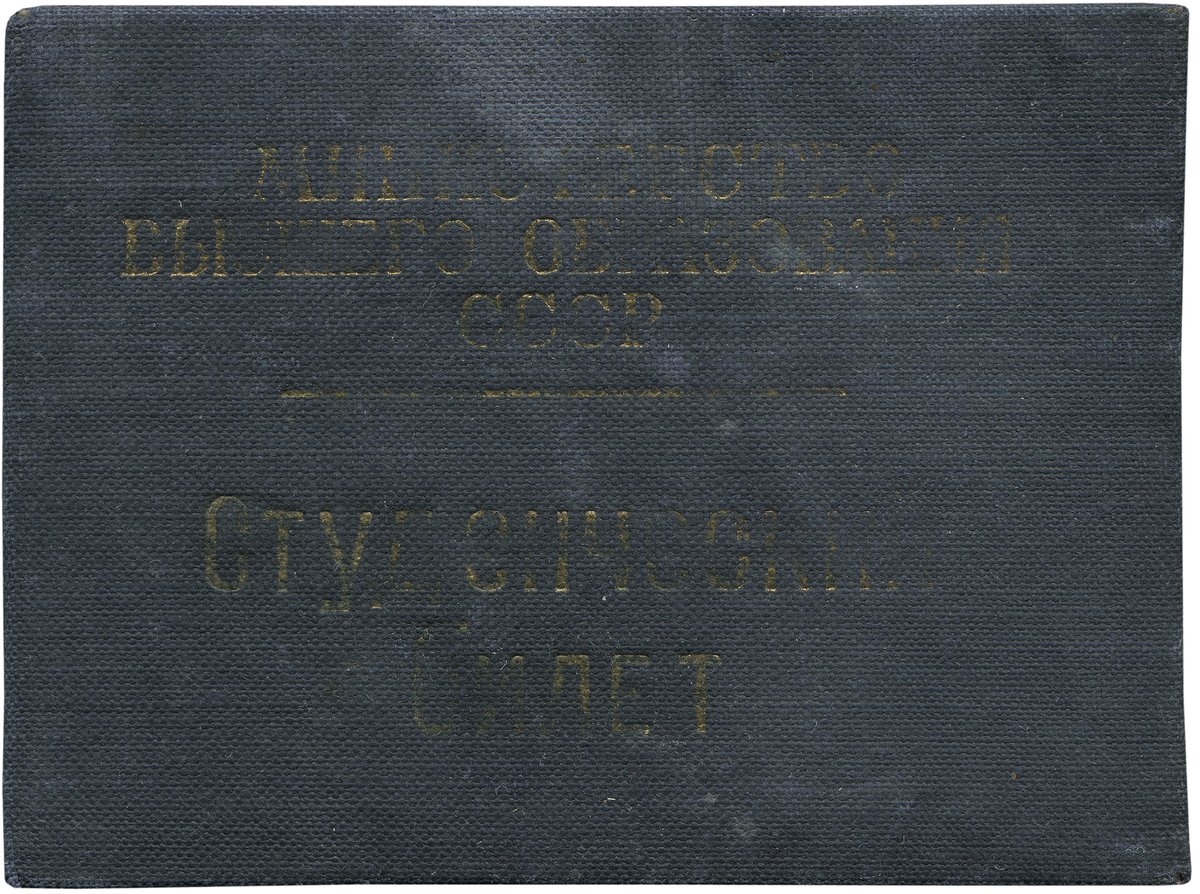
After the 1917 revolution, the university was renamed in honor of revolutionary Nikolai Bauman. Its curriculum expanded to include aeronautics, radio engineering, and computer science, contributing to the Soviet Union’s scientific advancements (edurank.org).
Post-Soviet Modernization (1991–Present)
With the end of the Soviet period, BMSTU modernized its programs and infrastructure, partnering internationally and remaining at the forefront of engineering education (buhave.com).
Visiting Information
Visiting Hours:
- Campus Grounds Monday–Friday, 9:00 AM–6:00 PM. Weekend visits require advance arrangement.
- University Museum (Slobodskoy Palace) Tuesday–Saturday, 10:00 AM–5:00 PM.
Tickets and Admission:
- General access to campus and most buildings is free.
- Guided tours, exhibitions, and special events may require tickets or prior booking. Check the BMSTU official website or contact the visitor center for the latest details.
Guided Tours:
- Available in Russian and English.
- Tours cover university history, architecture, notable alumni, and research achievements.
- Advance booking is recommended, especially for English-language tours and group visits.
Accessibility:
- The campus is wheelchair accessible, with ramps and elevators in key buildings.
- Visitors requiring special accommodations should arrange assistance in advance through visitor services.
Campus Highlights
Museum of the History of BMSTU
Explore more than a century of innovation through rare artifacts, documents, and exhibits showcasing the university’s impact on Russian and global technology.
Laboratories and Research Centers
BMSTU is renowned for its advanced research in robotics, aerospace engineering, and materials science. While access to labs is generally restricted, special events and open days allow for public demonstrations (SpaceDTP-2021).
Monuments and Memorials
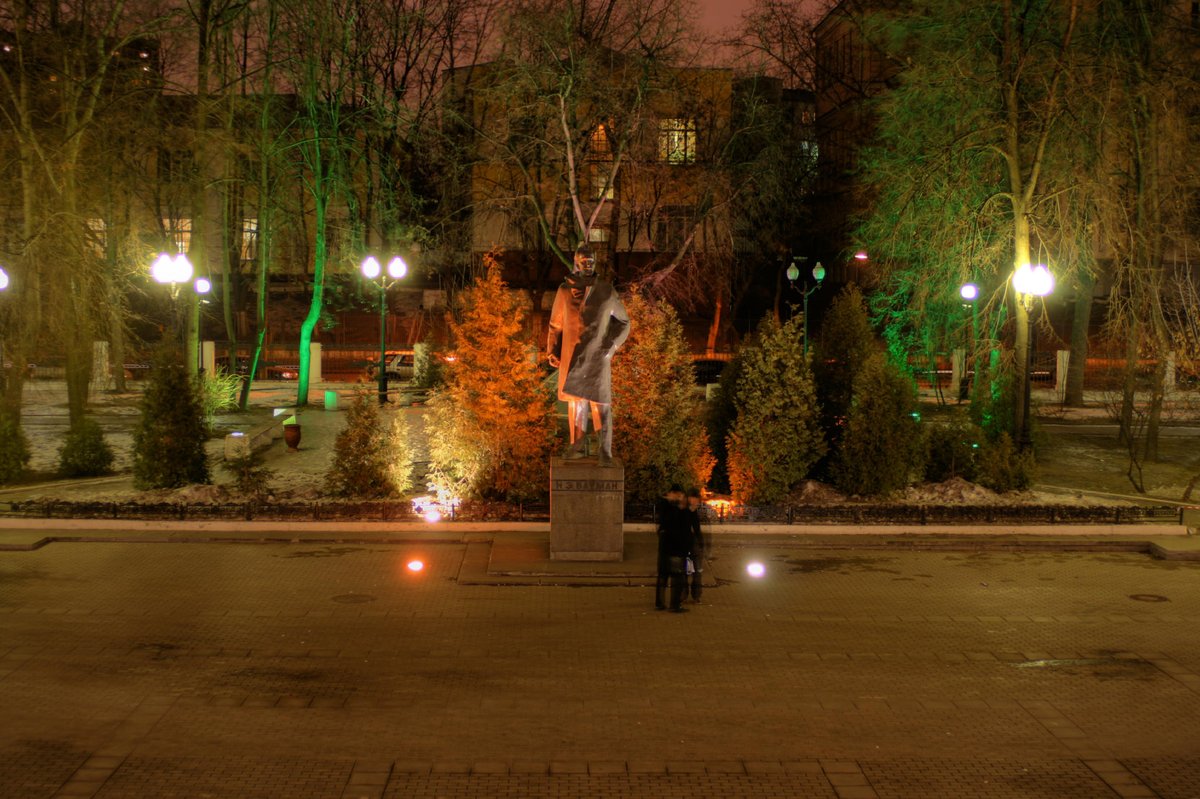
Throughout the campus, monuments honor scientists, engineers, and alumni who contributed to Russia’s technological achievements. These sites provide both educational context and photo opportunities (rusedugroup.com).
Nearby Attractions
BMSTU’s central location makes it ideal for exploring Moscow’s historical and cultural sites:
- Red Square and the Kremlin (3 km)
- State Historical Museum
- Bolshoi Theatre (4 km)
- Polytechnic Museum
- Kitay-Gorod District
- Yauza River Embankment (scenic walks and historic views)
Visitor Tips and Practical Information
- Getting There Closest metro stations are Baumanskaya and Kurskaya. The area is also serviced by buses and taxis.
- Photography Allowed in most public areas; restrictions apply in research labs and some exhibitions.
- Dining On-campus cafeterias and cafes offer Russian and international cuisine.
- Souvenirs The university bookstore sells BMSTU-branded items, books, and technical publications.
- Security Bring identification for entry. Bags may be inspected; comply with campus policies.
- Language English-speaking guides are available, but learning basic Russian phrases can enhance your visit.
Special Events and Best Photo Spots
- Annual science festivals, student exhibitions, and public lectures are open to visitors.
- Photo spots The Slobodskoy Palace façade, Yauza River embankment, and modern robotics center.
- Golden hour offers the best lighting for campus photography.
Frequently Asked Questions (FAQ)
Q: What are BMSTU’s visiting hours?
A: Monday–Friday, 9:00 AM–6:00 PM (campus); museum open Tuesday–Saturday, 10:00 AM–5:00 PM.
Q: Are guided tours available?
A: Yes, in both Russian and English. Booking in advance is advised.
Q: Is there an admission fee?
A: General campus access is free; some tours and exhibitions may require tickets.
Q: How do I book a guided tour?
A: Contact the BMSTU international office or visit the official website to arrange a tour.
Q: Is the campus accessible for wheelchair users?
A: Yes, most key buildings are equipped with ramps and elevators.
Q: Can I take photos on campus?
A: Photography is allowed in public areas but may be restricted in certain labs and exhibitions.
Plan Your Visit
To maximize your experience:
- Book guided tours or special events in advance.
- Check the BMSTU website for updates on hours and ticketed events.
- Download the Audiala app for audio tours and visitor updates.
- Follow BMSTU and Audiala on social media for news and event announcements.
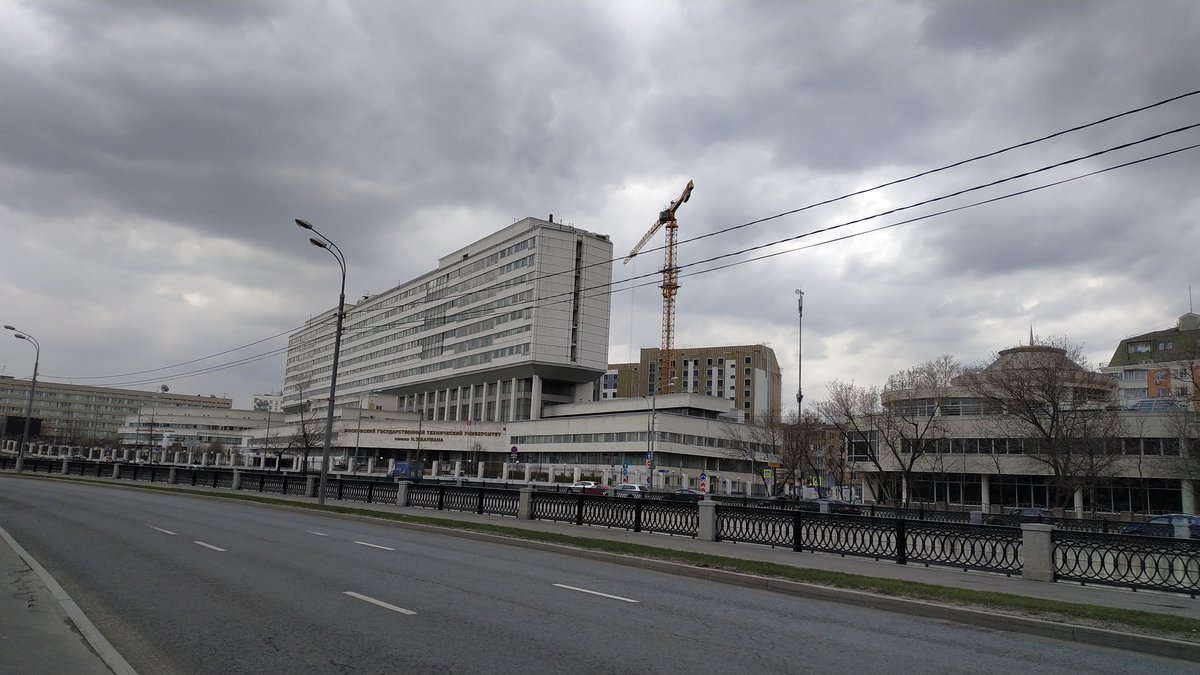
Visual Highlights
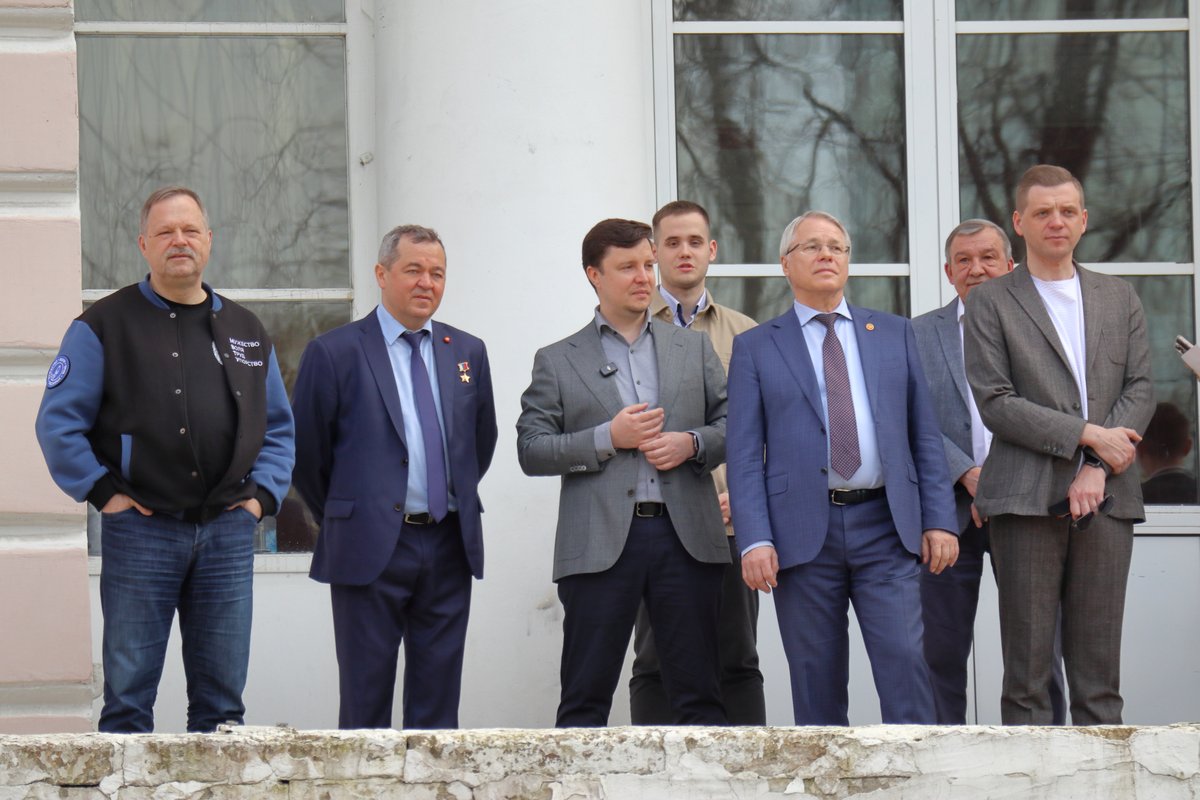
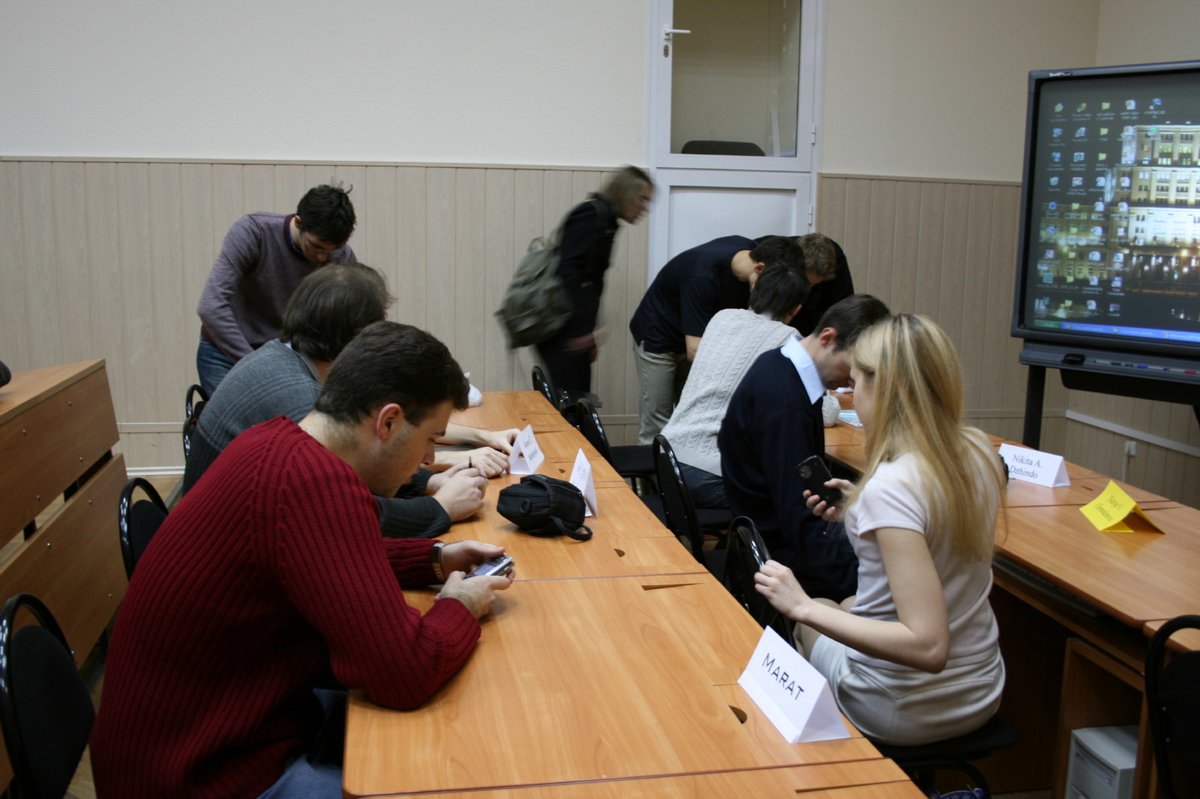
Images courtesy of BMSTU official archives