
University History and The Sechenov Monument
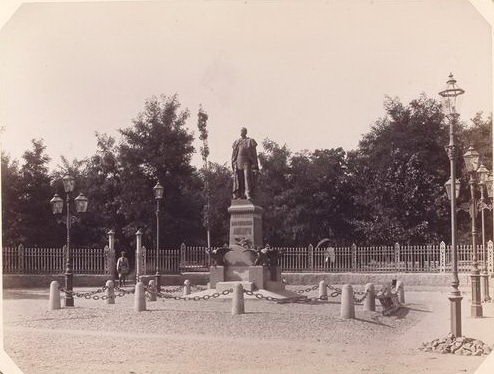
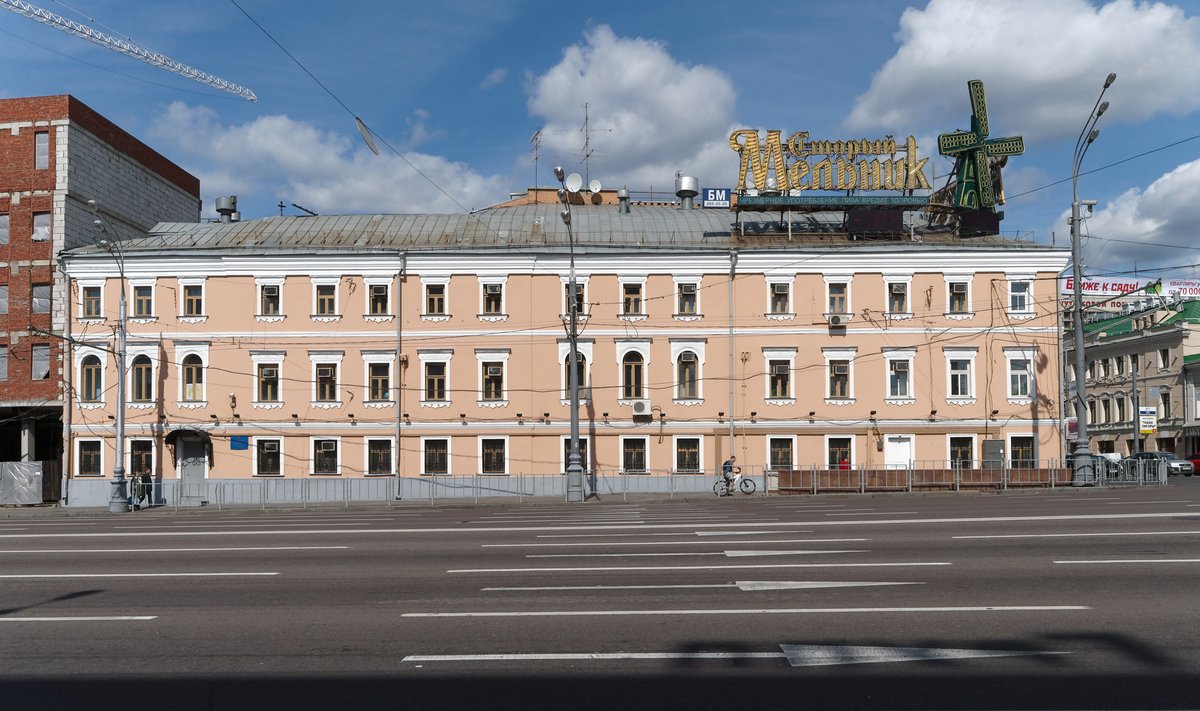
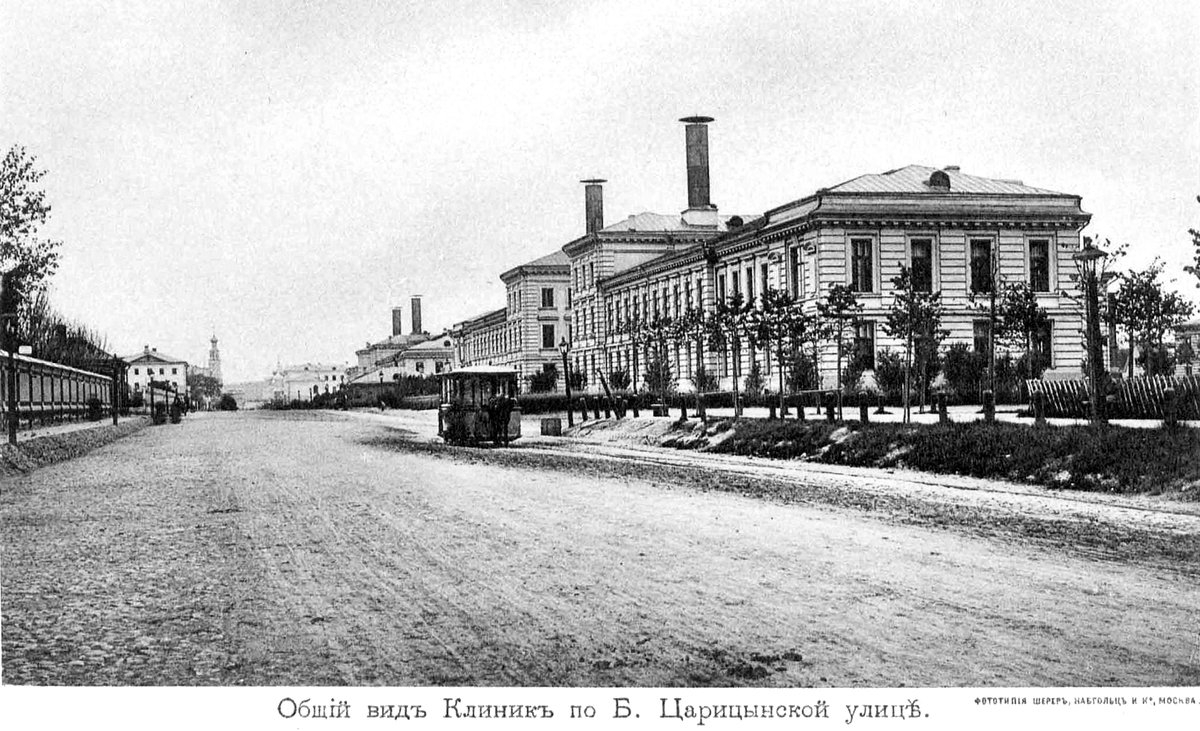
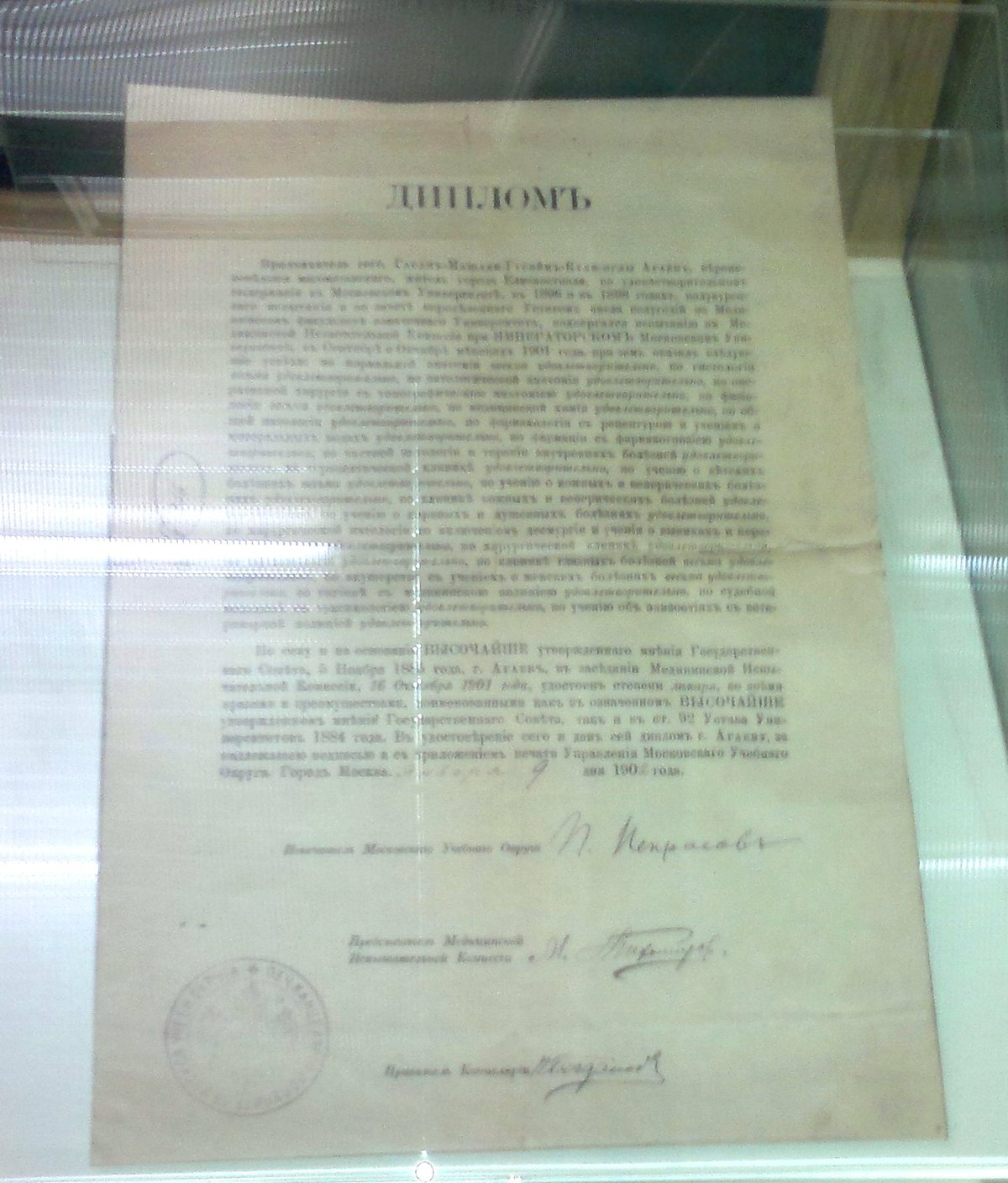
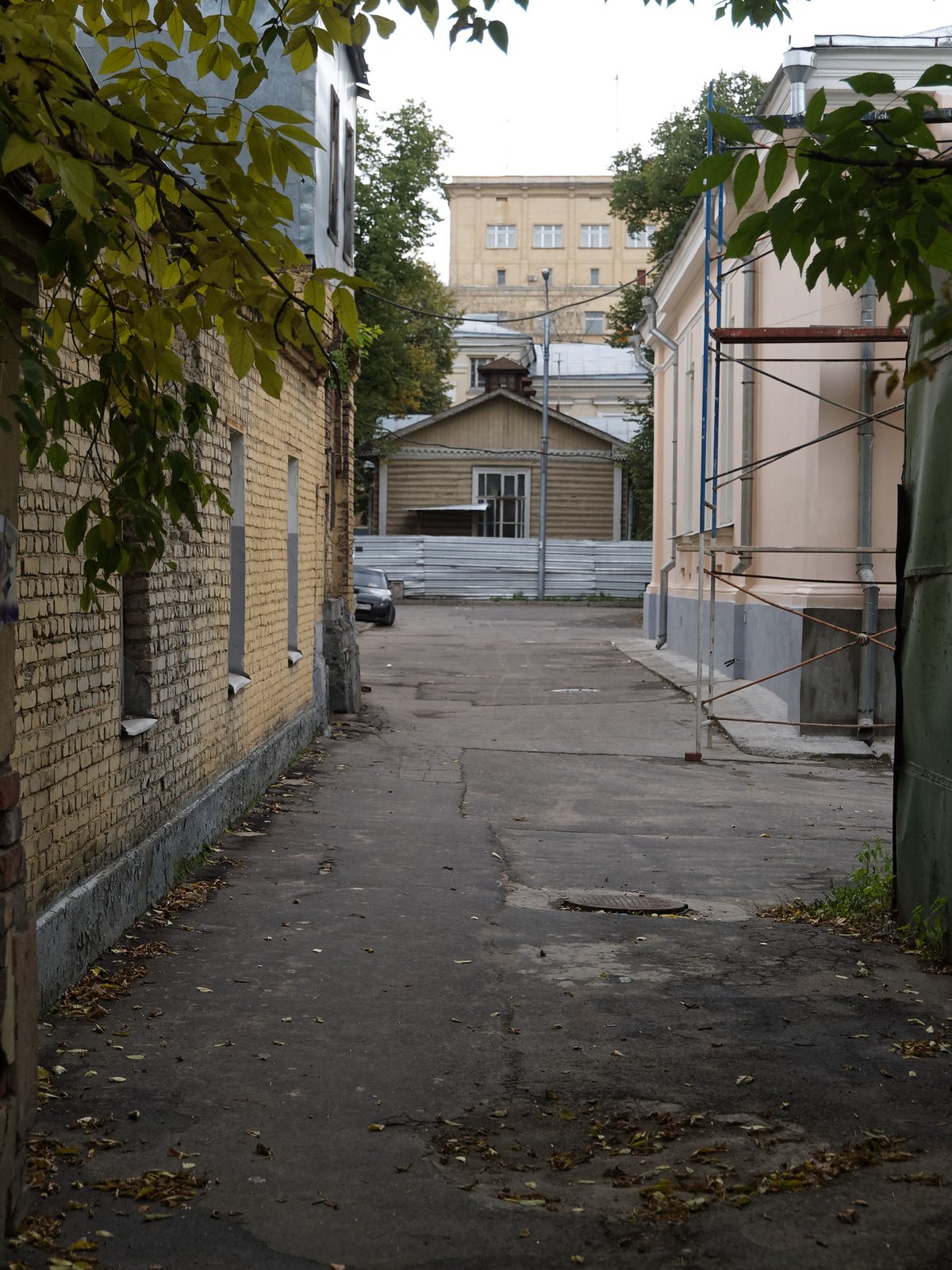
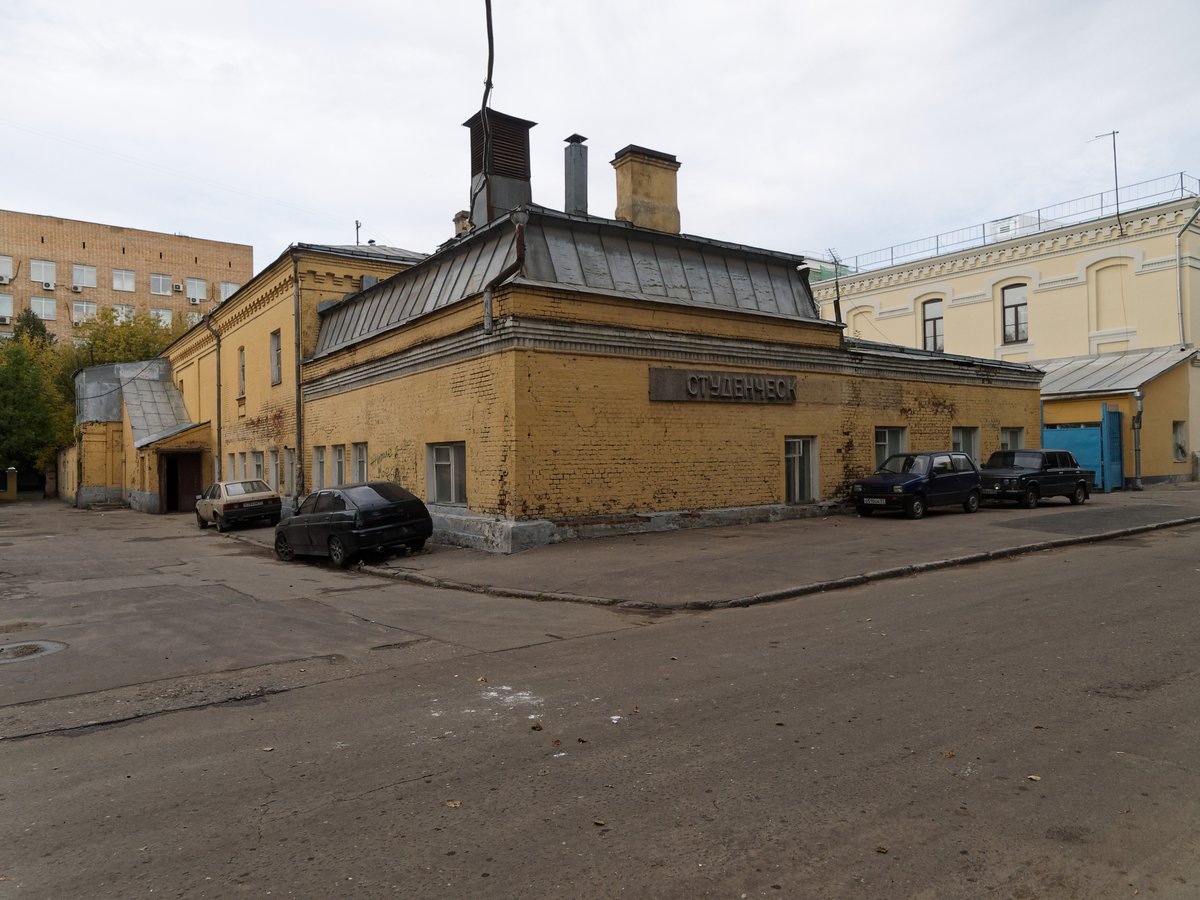
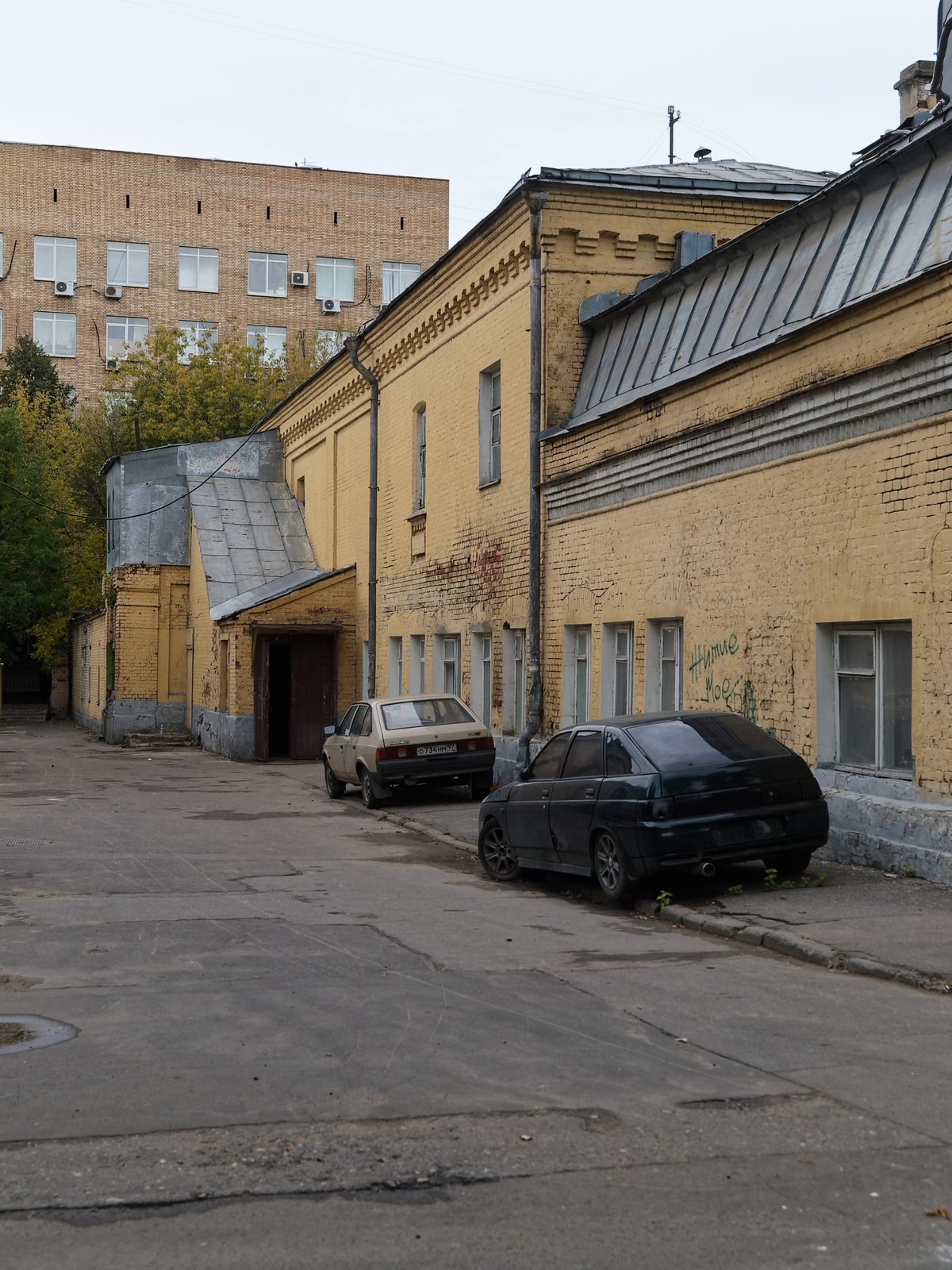
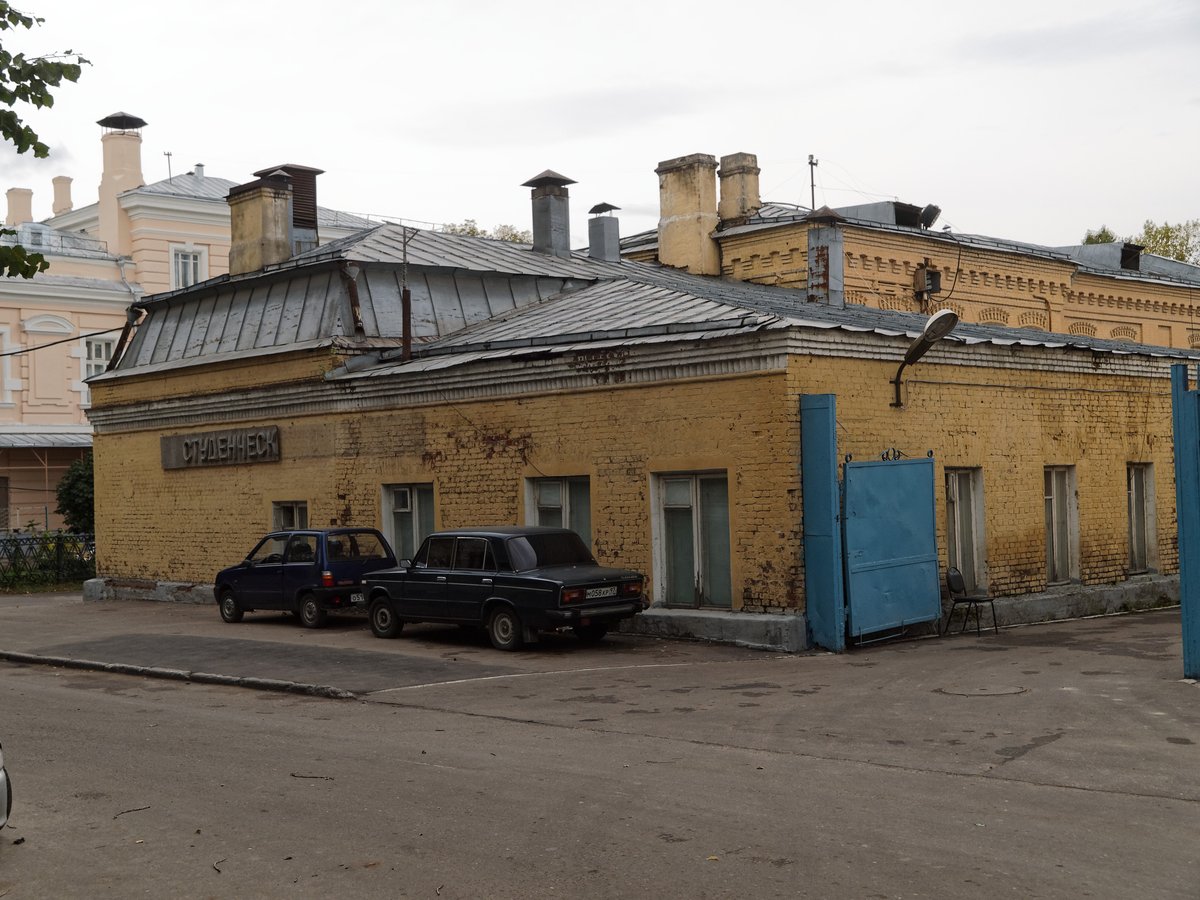
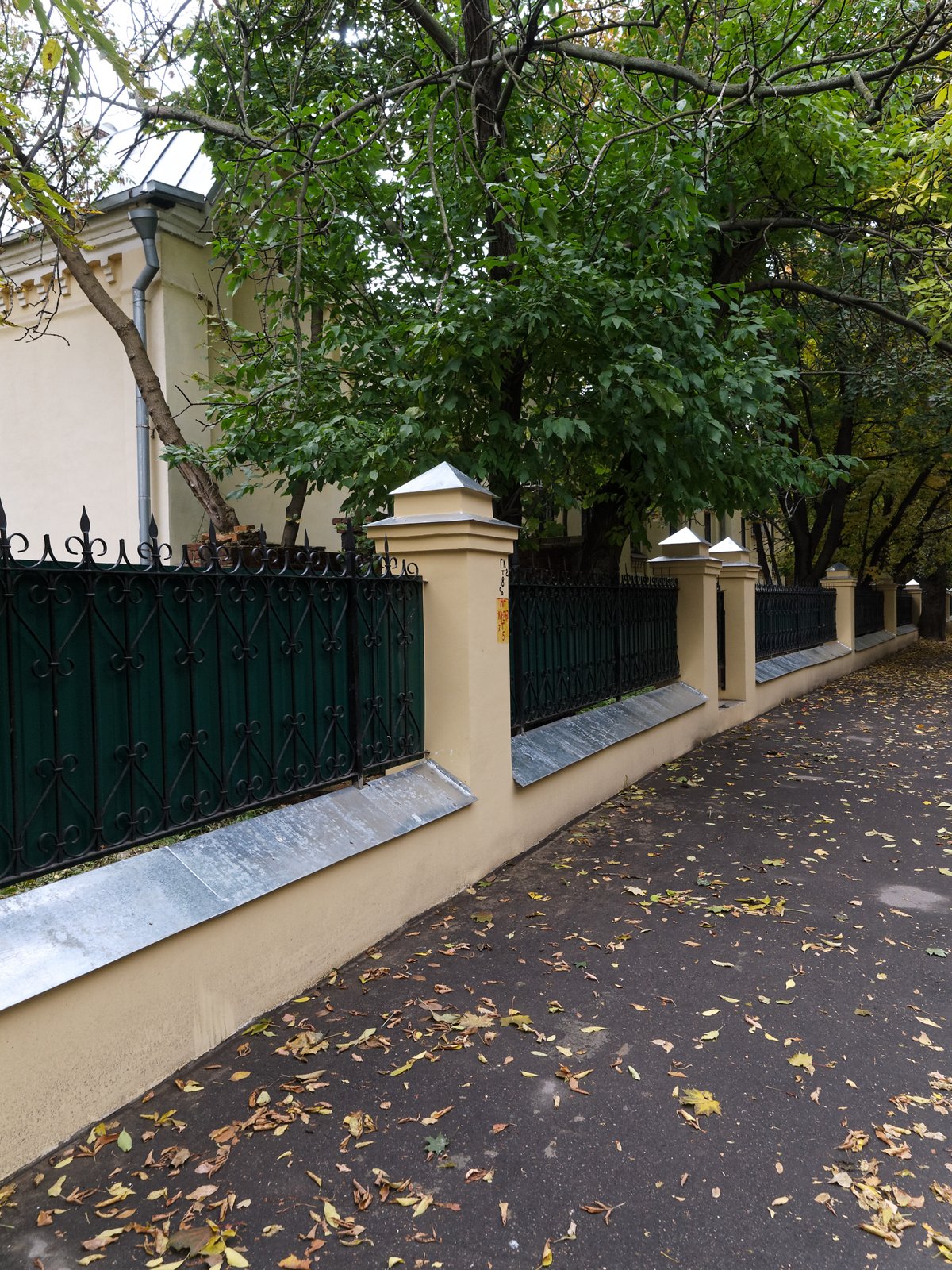
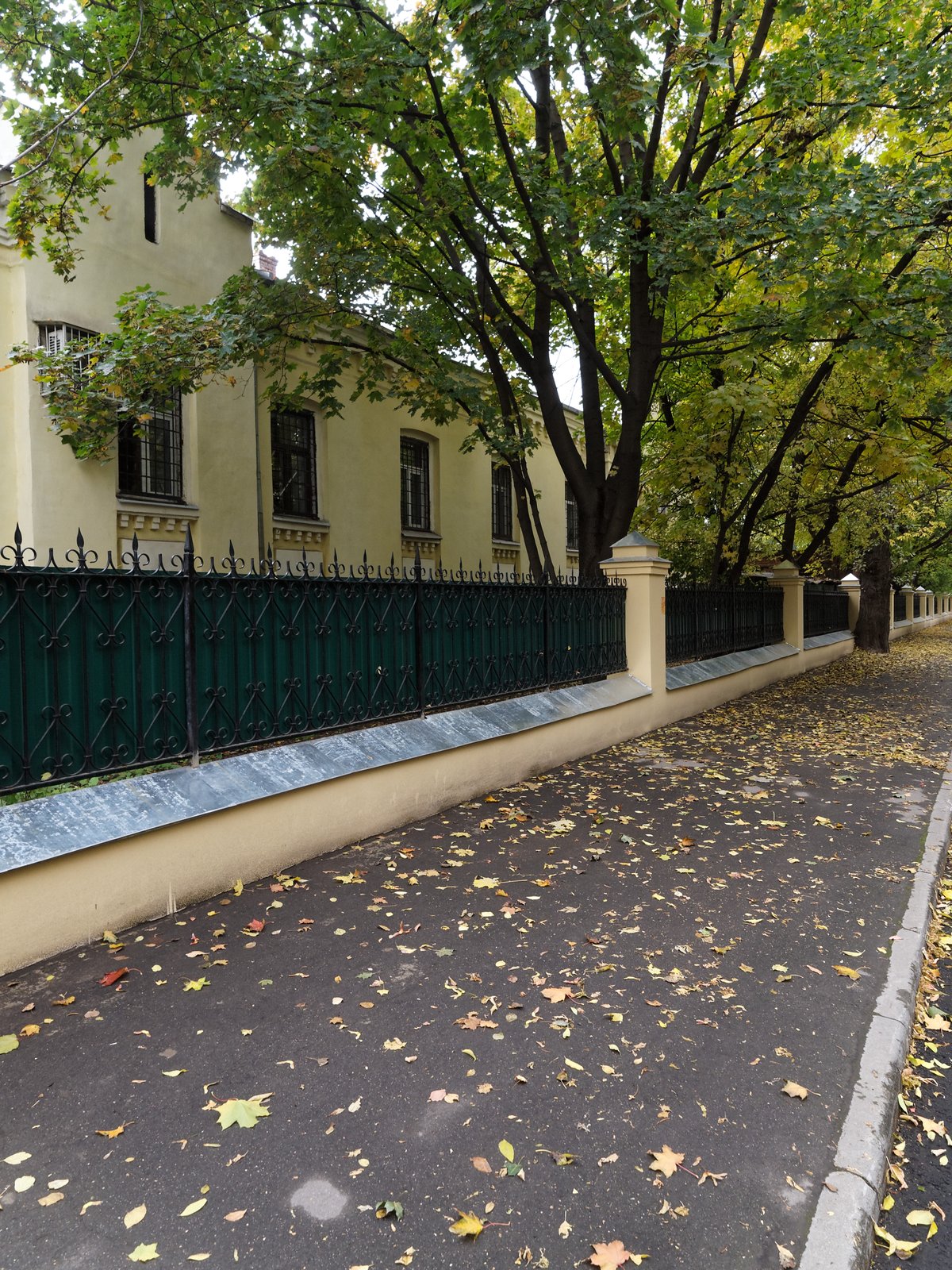
I.M. Sechenov First Moscow State Medical University began as the medical faculty of Imperial Moscow University in 1758. Over centuries, it has fostered a tradition of educational excellence and medical innovation, guided by figures such as Ivan M. Sechenov, the “Father of Russian Physiology.” The Devichye Pole campus, home to the university’s iconic monument, is rich in neoclassical architecture and houses several historic clinical buildings dating back to 1897.
The monument itself commemorates the university’s foundational legacy and honors its contributions to Russian and global medicine. It is a focal point for visitors, with detailed plaques and sculptures narrating the institution’s milestones and its role in advancing physiology, surgery, pharmacology, and public health.
Visiting Hours and Ticketing
-
Monument and Main Campus Grounds
Monday to Saturday, 9:00 AM – 6:00 PM; closed on Sundays and public holidays.
Admission is free for visitors exploring the monument and exterior campus grounds. -
Guided Tours and Museums
Guided tours are available Monday to Friday, 10:00 AM – 4:00 PM, with advance booking recommended.
Tours may include select historic buildings and exhibitions. Ticket prices for guided tours typically range from 300 to 600 RUB per person, with group discounts often available. -
Booking
Reservations for tours can be made via the university’s official website or by contacting the visitor services office.
Getting There
- Address Bol'shaya Pirogovskaya Ulitsa, 2, стр. 4, Moscow, Russia, 119435
- By Metro Nearest stations are "Frunzenskaya" and "Sportivnaya" (Red Line), a 10–15 minute walk from campus.
- By Bus Multiple routes service the area; check local schedules.
- By Taxi Yandex.Taxi and Uber operate throughout Moscow.
- Parking Limited street parking is available; public transport is recommended.
Campus Highlights and Visitor Experience
Historic and Architectural Highlights
- Main Administrative Building
Admire the neoclassical façade symbolizing the university’s storied legacy. - Clinical Campus (est. 1897)
Once Europe’s largest teaching hospital, it offers a window into 19th-century medical history. - Modern Research Institutes
Featuring state-of-the-art labs and clinical facilities, underscoring the university’s ongoing commitment to innovation. - Medical Museums
Guided tours showcase historic instruments and exhibits on Russian medical advancements; advance booking required.
On-Campus Amenities
- Dining
Several cafeterias serve Russian and international cuisine. Vegetarian and halal options are available. - Wi-Fi
Free Wi-Fi is accessible campus-wide for visitors; credentials available at the helpdesk. - ATMs/Banking
ATMs and a major bank branch are available on campus.
Accessibility and Visitor Tips
- Accessibility
The campus is equipped with ramps, elevators, and accessible restrooms. Advance notice is recommended for visitors requiring assistance. - Visitor Identification
Valid ID (passport or national ID) is required for entry. Temporary passes are issued and must be worn onsite. - Security
Security personnel and surveillance ensure a safe and respectful environment. Visitors should observe academic decorum and dress modestly, especially in clinical areas. - Language
Russian is primary, but English-language tours and bilingual signage make the campus accessible to international visitors.
Nearby Attractions
Sechenov University’s central location provides easy access to several of Moscow’s top attractions:
- Gorky Park
A vibrant space for recreation, 2 km from campus. - Arbat Street
Historical pedestrian street with shops and cafes. - Moscow River Embankment
Offers scenic walking paths and city views. - Moscow State University & Red Square
Iconic landmarks within a short metro ride.
Events and Special Programs
The university regularly hosts public lectures, scientific conferences, and cultural festivals. Many events are open to visitors—check the official events calendar for current listings.
FAQ
Q: Is there an entry fee to visit the campus or monument?
A: General campus and monument visits are free; guided tours and museum access may require a ticket.
Q: Are guided tours available in English?
A: Yes, tours are offered in both English and Russian.
Q: Can I visit on weekends?
A: The campus and monument are open Monday to Saturday; guided tours are generally weekdays only.
Q: Is the campus accessible for visitors with disabilities?
A: Most facilities are accessible; some historic buildings may have limited access.
Q: How do I book a guided tour?
A: Reserve via the official website or by contacting visitor services.