
Historical Background
Early Development & Significance
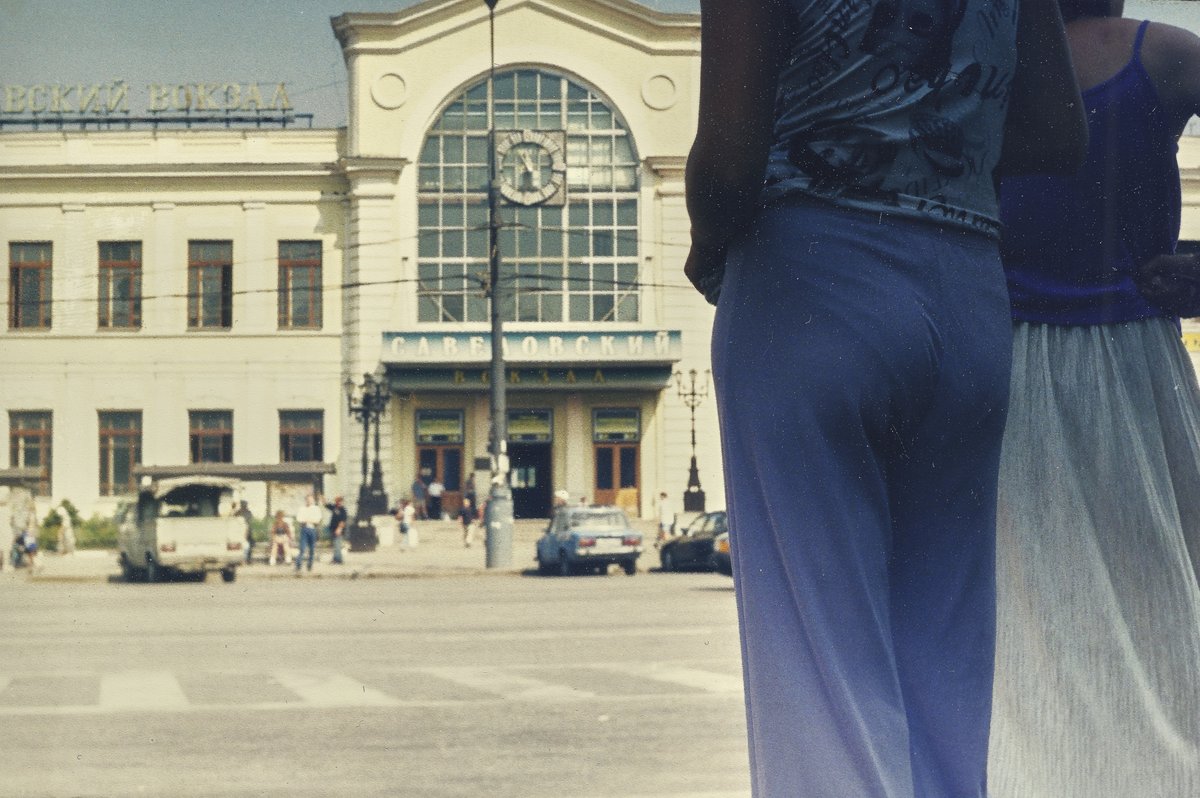
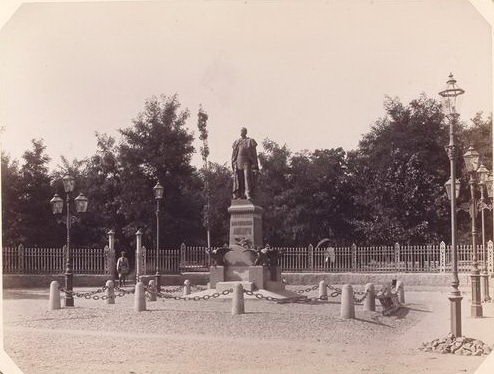
Savyolovsky Railway Station (originally Butyrsky vokzal) was constructed between 1897 and 1902, serving as a connection between Moscow and northern towns like Kashin, Kalyazin, and Rybinsk. The station's name is derived from the village of Savyolovo, which became a prominent stop on the line. Designed for functional simplicity rather than grandeur, the station catalyzed the transformation of rural outskirts into thriving urban areas, supporting Moscow’s rapid industrialization and population growth during the early 20th century.
Architectural Character
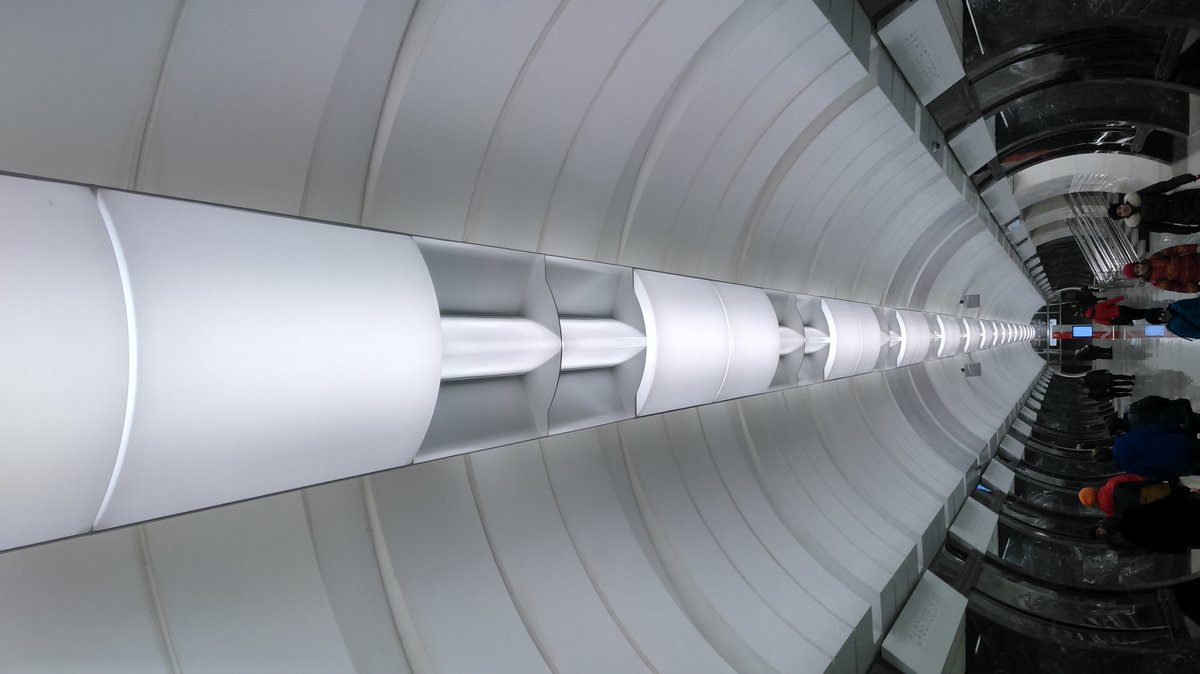
Savyolovsky station’s architecture is marked by its two-story central building and single-story wings, reflecting the utilitarian style of its era. Its understated design contrasts with Moscow’s more ornate terminals, focusing on efficiency and practicality. The adjacent metro station, opened in 1988 and expanded with the Bolshaya Koltsevaya Line in 2018, is known for its deep-level engineering and contemporary marble and granite finishes.
Role in Moscow’s Urban Growth
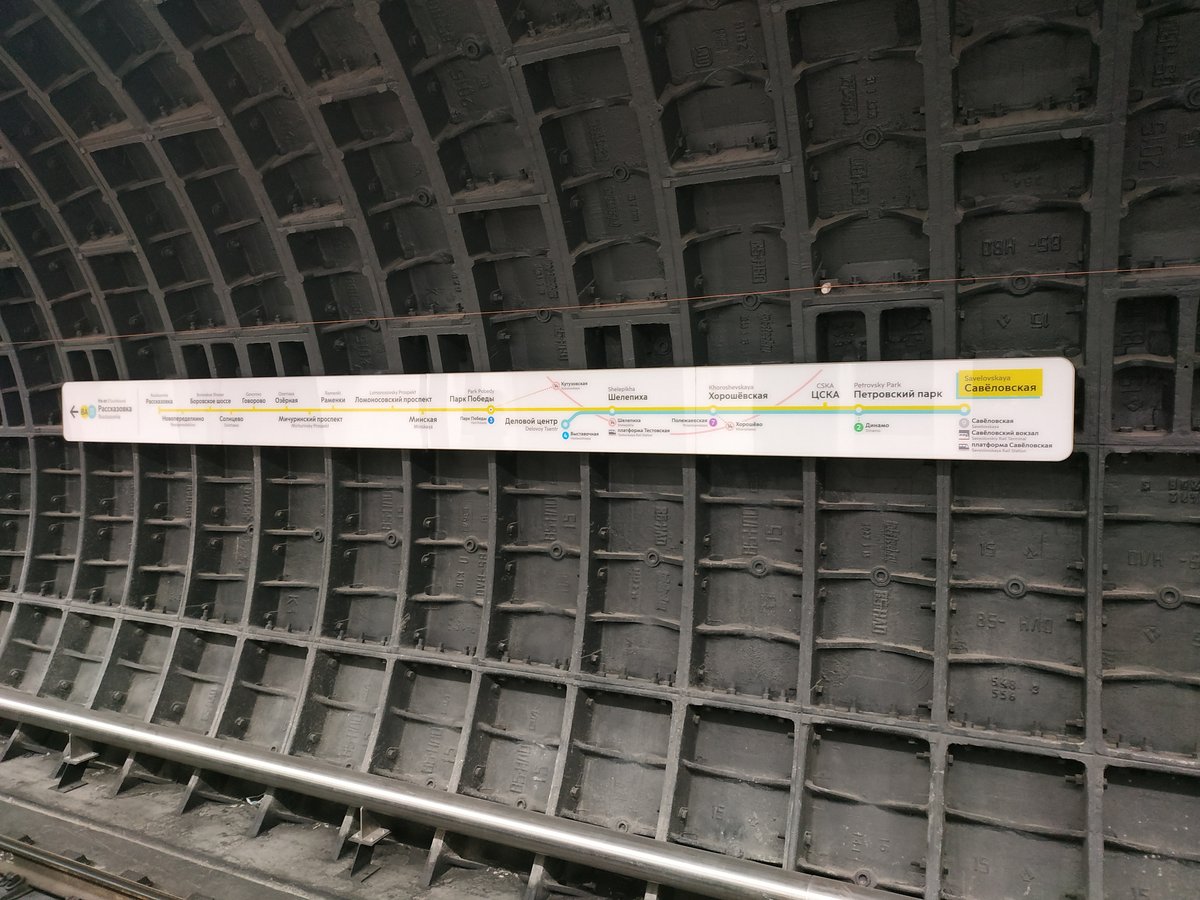
Throughout the Soviet period and into the modern era, Savyolovskaya evolved into a major suburban rail hub, facilitating commuter traffic and supporting the city’s northern expansion. Integration with the Metro system in 1988, and the addition of the Bolshaya Koltsevaya Line in 2018, further solidified its place as a strategic interchange within Moscow’s transit network (Railway Gazette).
Visiting Savyolovskaya: Practical Information
Operating Hours & Ticketing
- Metro Station Hours 5:30 AM to 1:00 AM daily (aligning with the Moscow Metro schedule).
- Railway Station Operates 24/7 for train services; ticket counters are open from approximately 5:00 AM to midnight.
- Ticketing
- Troika Card Recommended for cost-effective, reusable travel across metro, buses, trams, and suburban trains.
- Single-Ride Tickets Available at station vending machines and ticket offices.
- Contactless Payments Apple Pay, Samsung Pay, Google Pay accepted at turnstiles.
- Online Purchase Advance booking is suggested during peak seasons (rbth.com, Moscow Pass).
Accessibility
Savyolovskaya is equipped with elevators, escalators, ramps, tactile paving, and accessible restrooms. Bilingual signage (Russian/English) and free Wi-Fi (registration may require a Russian phone number) enhance usability (rbth.com).
Guided Tours & Events
Occasional guided tours focusing on the station’s architecture and history are organized by local cultural centers. Photography is permitted—without flash or tripods—making it a favorite spot for architecture enthusiasts.
Travel Tips
- Best Travel Times Avoid rush hours (8–10 AM, 5–7 PM) for a smoother experience.
- Transfers Savyolovskaya links the Serpukhovsko-Timiryazevskaya (Line 9) and Bolshaya Koltsevaya (Line 11) metro lines, and offers seamless transfers to suburban trains and buses.
- Airport Connections Aeroexpress to Sheremetyevo Airport departs from the adjacent Savyolovsky railway station, reaching the airport in about 35–40 minutes (russiable.com).
- Navigation Use the official Moscow Metro app, Google Maps, or iamaileen.com’s metro guide for real-time route planning.
- Safety The station is well-monitored, but keep valuables secure—pickpocketing can occur during busy hours (travellikeaboss.org).
- Escalator Etiquette Stand right, walk left.
Nearby Attractions
- Butyrka Prison A historically significant site near Butyrskaya Zastava Square.
- Maryina Roshcha District Known for cultural heritage and green spaces.
- Savyolovsky Market Offers a range of electronics, clothing, and local products.
- Local Dining Try traditional Russian dishes like pelmeni and blini at nearby cafes.
For access to Moscow’s iconic landmarks, take Line 9 to Tverskaya or Chekhovskaya for proximity to Red Square and the Kremlin.
Accessibility Features
- Elevators, ramps, tactile paving throughout the station.
- Bilingual signage and helpful staff, though English proficiency may vary.
- Assistance for travelers with disabilities—consider having requests written in Russian.
Frequently Asked Questions (FAQ)
Q: What are Savyolovskaya’s operating hours?
A: Metro: 5:30 AM–1:00 AM. Railway services operate 24/7; ticket offices open 5:00 AM–midnight.
Q: How do I buy tickets?
A: Use Troika cards, single-ride tickets at vending machines, ticket counters, or contactless payment at turnstiles.
Q: Is Savyolovskaya accessible for travelers with disabilities?
A: Yes; elevators, ramps, tactile paving, and staff assistance are available.
Q: Are there guided tours?
A: Occasional tours are offered—check local listings or metro architecture tours.
Q: How can I reach Sheremetyevo Airport from Savyolovskaya?
A: Take the Aeroexpress train from the adjacent Savyolovsky railway station.
Q: Is photography allowed?
A: Yes, but avoid flash, tripods, and follow security guidelines.