
Historical Background and Significance
Origins and Royal Legacy
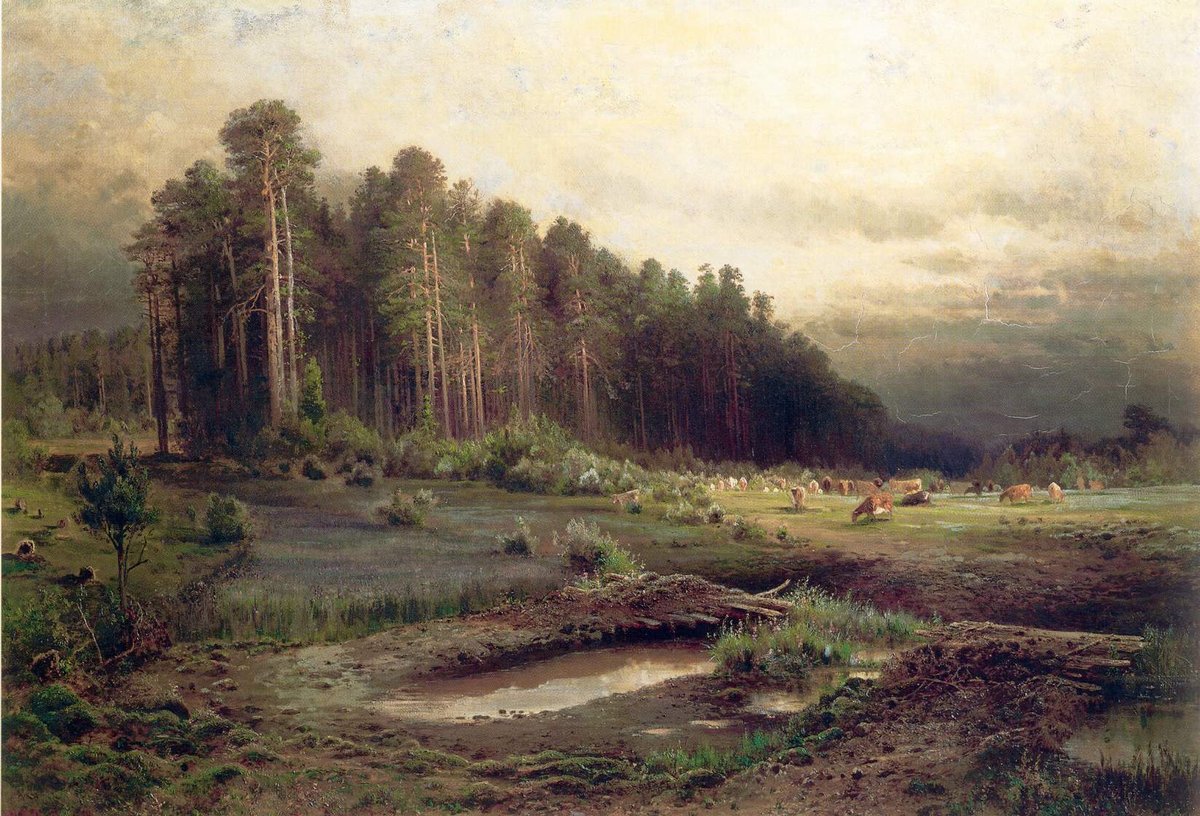
Dating back to the 14th century, Losiny Ostrov began as a royal hunting ground for Russian nobility and tsars, valued for its abundant wildlife and proximity to Moscow (smarttravelers.de). By 1799, portions of the area were protected, reflecting early awareness of the need for conservation amid growing urbanization.
Modern Conservation
Despite the upheaval of the 20th century, the park was officially declared Russia’s first national park in 1983. Today, Losiny Ostrov balances public enjoyment with nature conservation, ensuring the protection of rare habitats and species for future generations.
Cultural and Ecological Role
Often called the "lungs of Moscow," the park is vital to the city’s ecological health and cultural identity. It supports a diverse array of flora and fauna and serves as a hub for educational and cultural events that connect visitors with Russia’s natural heritage (howtorussia.com).
Zoning and Access
Losiny Ostrov is divided into three functional zones, each with distinct access rules:
- Especially Protected Zone (47%) Strictly off-limits to the public to preserve sensitive ecosystems.
- Training and Excursion Zone (27%) Open for guided walks, educational programs, and nature study.
- Recreational Zone (26%) Accessible for hiking, cycling, and other recreational activities.
Access to the Especially Protected Zone requires special permits. Most visitor activities occur in the Training and Recreational Zones.
Visitor Information
Opening Hours
- Spring/Summer (April–September) 7:00 AM – 10:00 PM
- Autumn/Winter (October–March) 8:00 AM – 8:00 PM
Check the official website for updates, as some facilities may have seasonal variations.
Tickets and Entry
- General Admission Free to most areas.
- Guided Tours and Special Attractions (e.g., Elk Biological Station) 200–500 RUB per person; advance booking recommended.
Tickets are available online or at visitor centers.
Directions and Accessibility
- By Metro Take the metro to Medvedkovo or Bibirevo stations, then connect by bus or taxi.
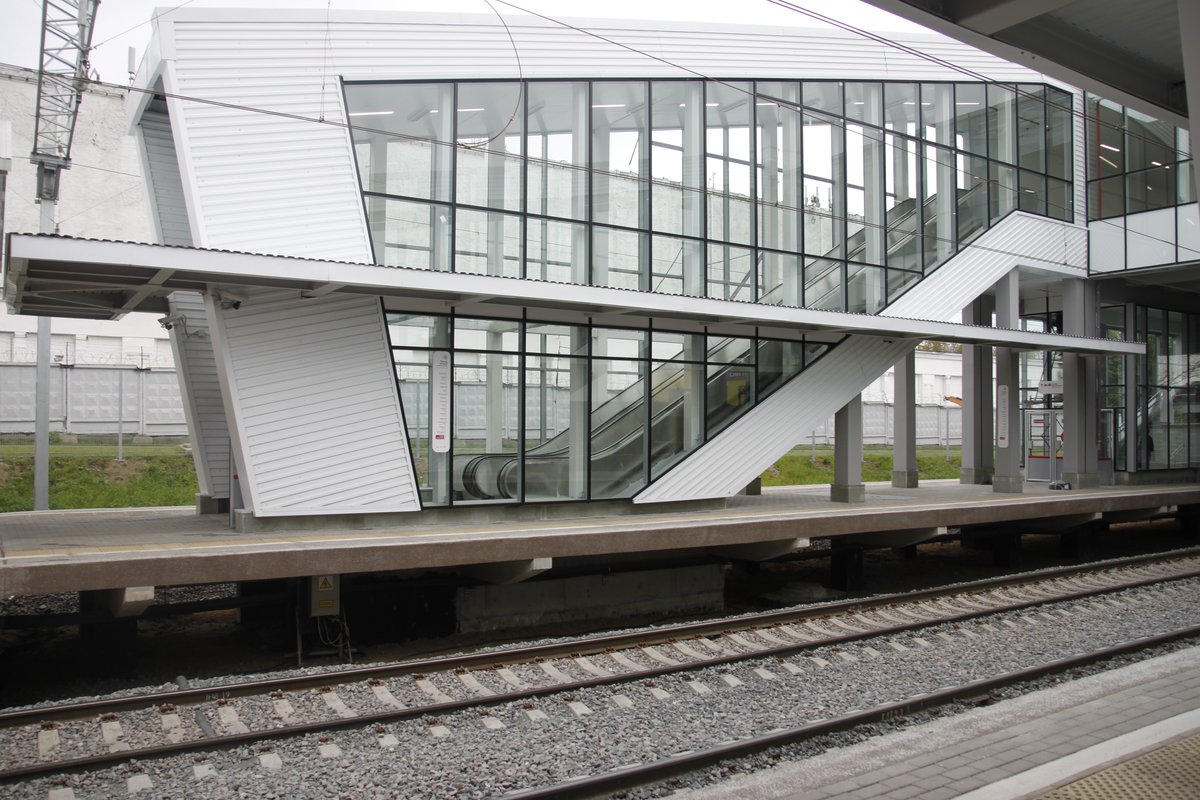
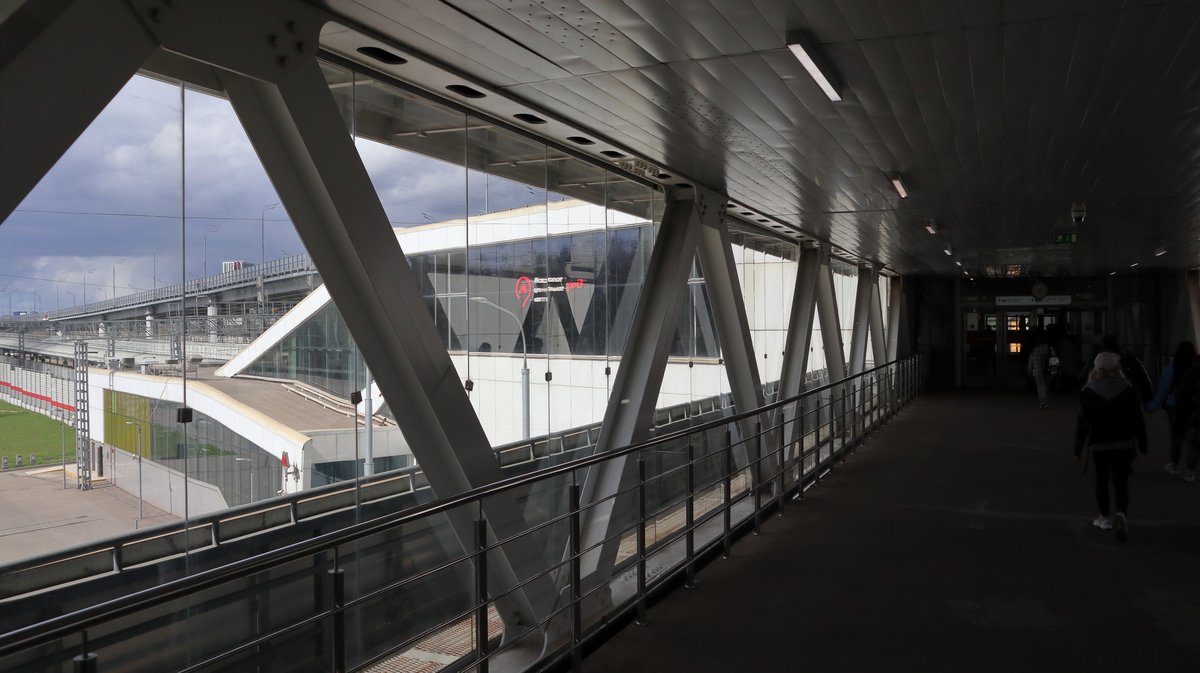
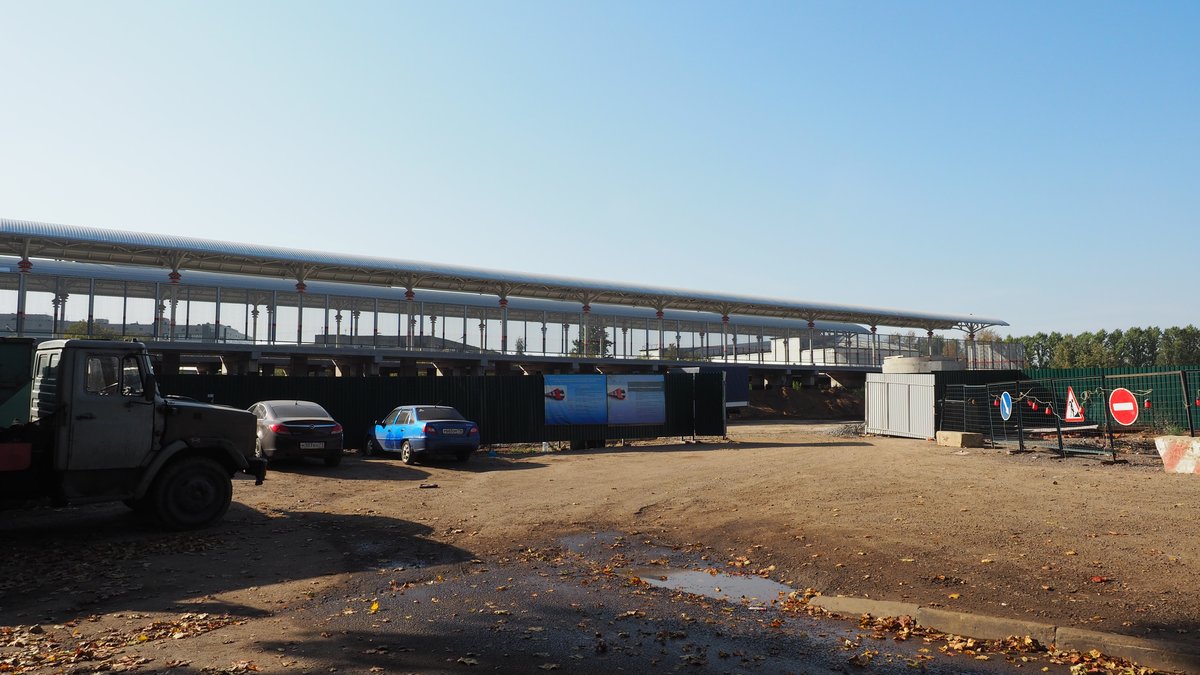
- By Train Trains to Losiny Ostrov station serve the eastern entrance.
- By Car Limited parking is available at main entrances; public transport is recommended.
The park features accessible trails and adapted facilities for visitors with disabilities. Contact visitor centers for specific needs.
Trails and Outdoor Activities
- Hiking and Walking Marked trails range from easy family loops to longer forest treks.
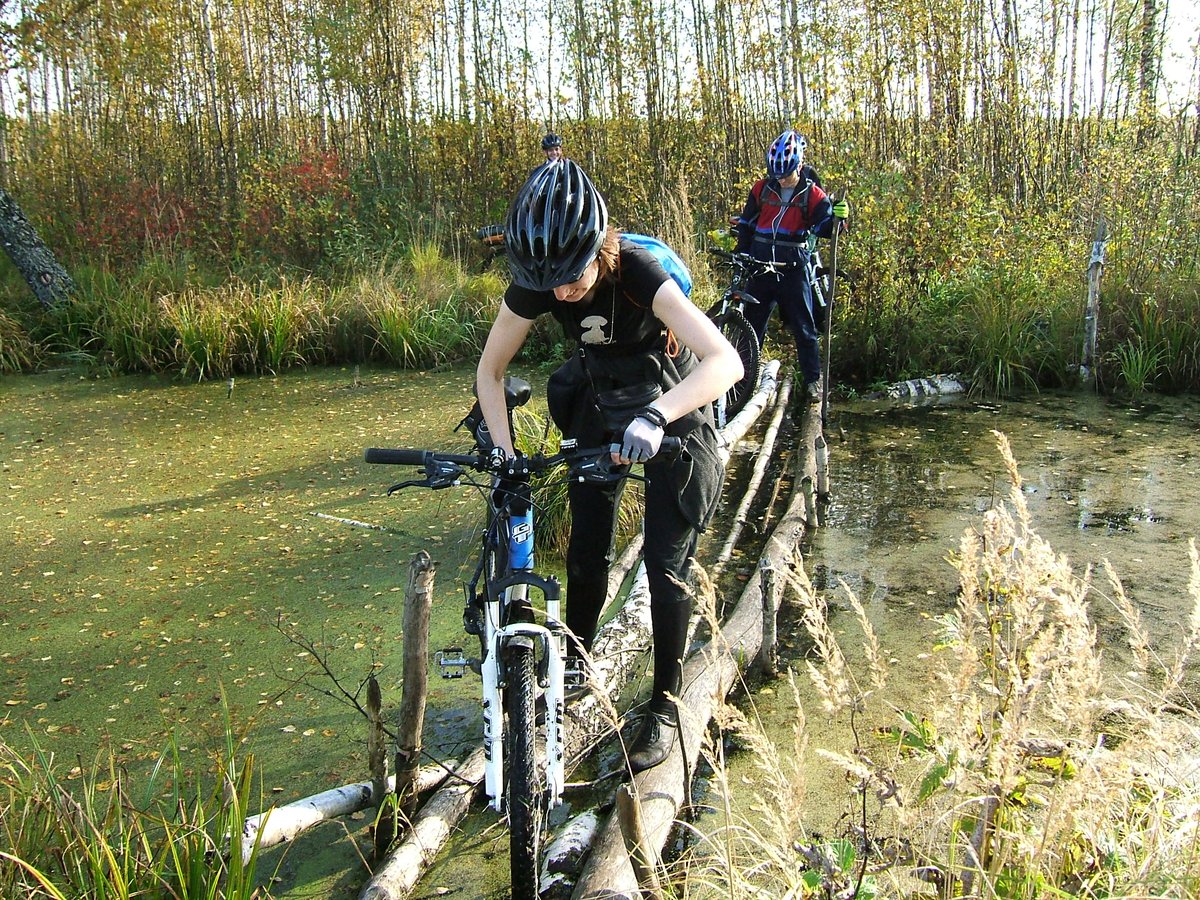
- Cycling Designated bike paths traverse scenic woodlands and meadows.
- Winter Sports Cross-country skiing and snowshoeing in maintained areas.
Trail maps and route recommendations are available at park entrances and online.
Wildlife and Nature Experiences
- Eurasian Elk The park’s namesake species, often seen at dawn or dusk.
- Other Mammals Roe deer, wild boar, red foxes, hares, and European mink.
- Birdwatching Over 200 recorded species, including woodpeckers, eagle-owls, and waterfowl.
- Amphibians, Reptiles, and Invertebrates The park’s wetlands are rich in frogs, newts, lizards, and numerous insects.
Elk Biological Station:
An educational center where visitors can observe elk and learn about their ecology.
Educational and Cultural Offerings
- Guided Nature Tours Led by experts in English and Russian, focusing on wildlife, flora, and local ecology.
- Historical and Mythological Walks Explore the lore and traditions connected to the park.
- Workshops and Festivals Seasonal events include birdwatching days, folk music festivals, and interactive master classes.
Family-Friendly Facilities
- Picnic Areas Designated for groups and families.
- Playgrounds and Open Spaces Safe locations for children and outdoor games.
- Restrooms and Visitor Centers Available near main entrances.
Seasonal Highlights and Events
- Spring/Summer Peak for hiking, cycling, and spotting wildflowers and birds.
- Autumn Brilliant foliage and ideal photography conditions.
- Winter Quiet snowy landscapes for skiing and tranquil walks.
Check the official site for event schedules and special programs.
Conservation and Responsible Tourism
Losiny Ostrov is managed to balance recreation with ecological preservation.
Visitor Guidelines:
- Stick to marked trails.
- Do not litter; use bins or take trash with you.
- Do not feed or disturb wildlife.
- Open fires only in designated picnic areas.
Participate in volunteer programs and educational initiatives to support conservation.
Frequently Asked Questions (FAQs)
Q: What are the park’s hours?
A: 7:00 AM–10:00 PM (spring/summer), 8:00 AM–8:00 PM (autumn/winter).
Q: Is there an entrance fee?
A: Admission is free; special tours and attractions require tickets.
Q: Are pets allowed?
A: Dogs are permitted but must be leashed.
Q: Is the park accessible for people with disabilities?
A: Yes, with adapted trails and facilities; contact centers for details.
Q: Can I camp overnight?
A: Overnight stays are not permitted.
Q: What wildlife can I see?
A: Eurasian elk, deer, wild boar, foxes, squirrels, and diverse birds.
Practical Travel Tips and Recommendations
- Visit early morning or late afternoon for wildlife sightings and quieter trails.
- Dress appropriately for the season; bring rain gear and sturdy footwear.
- Carry water, snacks, and binoculars for birdwatching.
- Book guided tours in advance, especially during weekends and holidays.
- Download the Audiala app for audio guides and real-time updates.
Summary and Visitor Recommendations
Losiny Ostrov National Park exemplifies the harmonious coexistence of urban life and nature. With its deep historical roots, vibrant ecosystems, and range of visitor services, it offers enriching experiences for individuals, families, and educational groups. The park’s thoughtfully managed zoning ensures both the protection of critical habitats and ample recreational opportunities, while cultural events and educational programs connect visitors with Moscow’s natural heritage.
Plan your visit by consulting the official website, securing tickets for guided tours, and accessing virtual tours and interactive maps. Stay connected through social media and the Audiala app for updates, events, and conservation news. Experience the enduring legacy and natural beauty of Losiny Ostrov—the crown jewel of Moscow’s green spaces (smarttravelers.de; losinyostrovpark.ru).
Experience the serenity, biodiversity, and cultural richness of Losiny Ostrov National Park—an urban wilderness at the heart of Moscow.