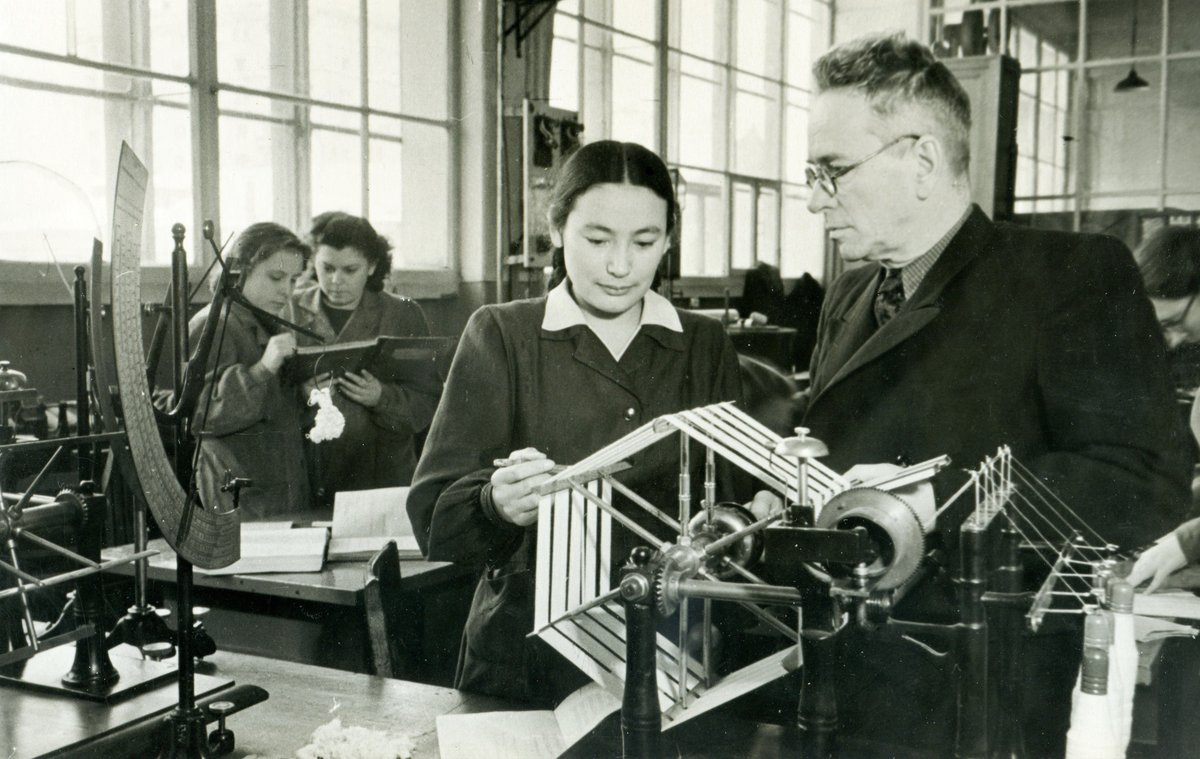

Founding and Early Development (1919–1980)
Founded in 1919 as the Moscow State Textile Institute, MSTU emerged during Russia’s post-revolutionary industrial expansion to serve the demands of a rapidly growing textile sector (Wikipedia; UKC Sputnik). Its curriculum combined theoretical knowledge with practical skills, supporting both civilian and military textile needs. Throughout the Soviet era, the institute became a hub for innovation, particularly in synthetic fibers, dyeing, and machinery—attracting students and researchers from across the USSR and allied nations.
Honoring Alexei Kosygin and Institutional Evolution (1981–1999)
In 1981, the institute was renamed in honor of Alexei N. Kosygin, a Soviet Premier known for his reforms and deep ties to the textile industry. The 1980s and 1990s saw the institution’s academic expansion, attaining academy status in 1990 and full university status in 1999. Today, MSTU offers a wide range of bachelor’s and master’s programs, supported by 42 departments, 110 laboratories, and a distinguished faculty (UKC Sputnik).
Academic Structure and Research Contributions
MSTU maintains its reputation as a leader in textile science and engineering, with over 6,700 students and 550 academic staff. The university’s research centers and laboratories drive innovations in fiber technology, chemical engineering, and sustainable production methods, influencing both Russian and international textile industries (Wikipedia).
Campus and Architectural Features
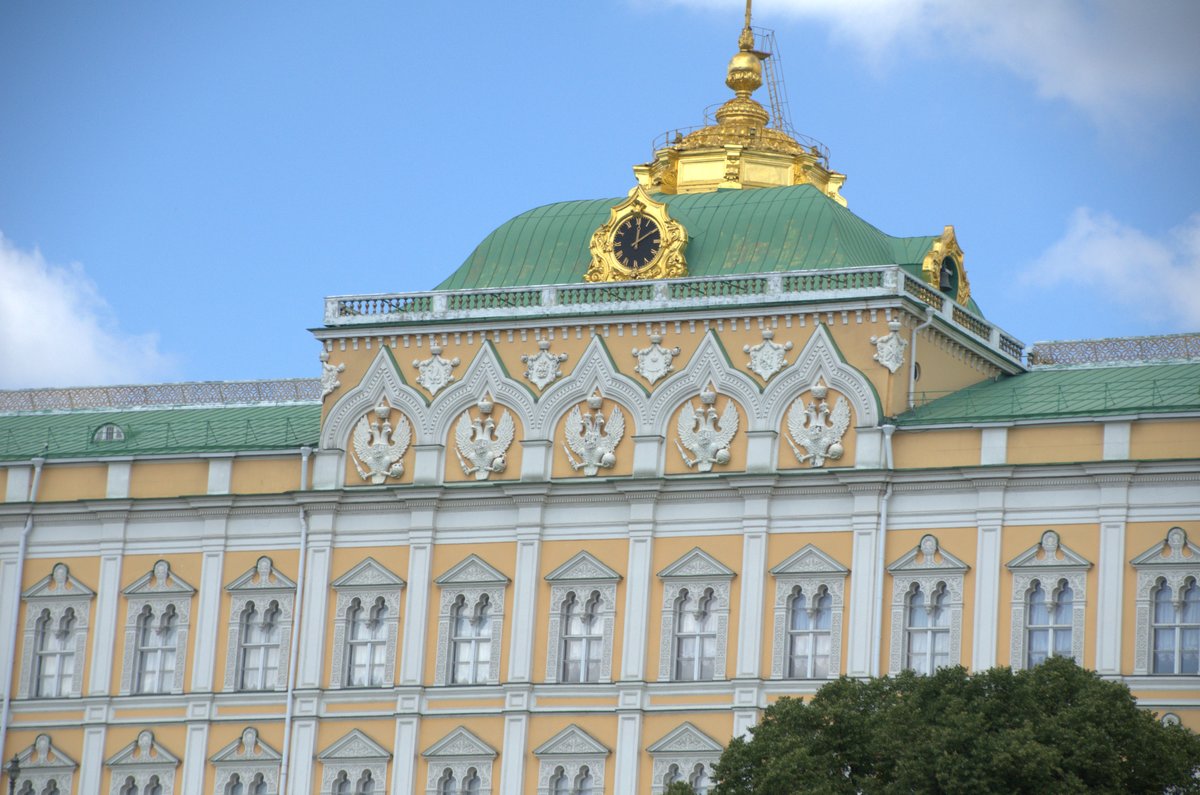
MSTU’s campus, located in the Yakimanka district near the Moscow River, comprises eight interconnected buildings that reflect a harmonious mix of Soviet-era functionalism and modern design (Wikipedia). The main administrative building, with its grand Stalinist columns and decorative reliefs, is a highlight of Moscow’s architectural landscape.
Facilities include:
- Modern laboratories and workshops
- Exhibition spaces for student and faculty achievements
- Landscaped courtyards and green spaces
Visitor Information: Hours, Tickets, and Tours
Visiting Hours
- Monday to Friday 9:00 AM – 6:00 PM
- Weekends Closed (some facilities and exhibitions may have separate schedules)
Ticketing
- General Admission Free for campus grounds and most public spaces
- Textile Museum 200–500 RUB, open by appointment (10:00 AM – 5:00 PM)
- Special Exhibitions/Events May require tickets; check with the university in advance
Guided Tours
- Availability By advance booking through the visitor office ([email protected] or +7 (495) 952 75 33)
- Languages Russian; English tours may be available upon request
- Focus Areas History, textile technology, architecture
Photography and Accessibility
- Photography Permitted in public and exhibition areas; restricted in laboratories/museum—ask for permission
- Accessibility Ramps, elevators, and accessible restrooms are available. Contact the university for specific needs.
Special Events
- Regular exhibitions, fashion shows, academic conferences, and public lectures enhance the visitor experience. Refer to the MSTU official website for schedules.
Exploring the Moscow State Textile University Monument
Significance
The university’s monument celebrates over a century of contributions to textile science, honoring Alexei Kosygin and the institution’s pivotal role in Russian industrial history.
Location and Hours
- Location Main campus, Yakimanka district
- Hours Open daily, 9:00 AM – 7:00 PM
Accessibility
- Wheelchair-accessible paths and nearby seating are provided
Special Events
- Hosts ceremonies and exhibitions related to textile innovation and academic milestones
Campus Layout, Facilities, and Visitor Services
Academic and Research Buildings
- Lecture halls, seminar rooms, and computer labs support a full range of textile, design, and engineering disciplines
- State-of-the-art laboratories for textile chemistry, fiber technology, and garment construction
Libraries and Research Centers
- Main library Extensive Russian and international collections, digital resources, and study spaces
- Textile Museum and Materials Archive Guided tours available
Accommodation and Dining
- Student dormitories and limited guest housing for visiting academics
- Cafeterias and coffee shops serving Russian and international cuisine at student-friendly prices
Sports, Recreation, and Cultural Spaces
- Sports complex Gymnasium, fitness center, indoor/outdoor courts
- Studios and workshops for design and textile arts
- Exhibition halls for art shows, fashion events, and industry collaboration
Conference and Event Venues
- Multiple conference halls, seminar rooms, and a modern auditorium for public and academic events
Accessibility, Transportation, and Nearby Attractions
Getting There
- Metro Nearest stations are “Serpukhovskaya” (Line 9), “Dobryninskaya” (Line 5), and “Krasnye Vorota” (for the monument), all about a 10–15 minute walk from campus (Miss Tourist)
- Bus/Trolleybus City routes stop nearby
- Bicycle Velobike stations are close to campus
- Taxi/Ride-Sharing Yandex.Taxi and Uber widely available
Parking
- Limited on-campus parking; public transportation recommended due to central Moscow traffic (Moscow travel information)
Nearby Attractions
- Red Square and the Kremlin
- Tretyakov Gallery
- Gorky Park
- Cathedral of Christ the Savior
- Museum of Moscow Fashion History
- Central House of Artists
- Zamoskvorechye historic district (TravelSetu; Express to Russia)
Practical Tips for Visitors
- Language English is limited; translation apps or basic Russian phrases recommended
- ID Carry valid photo ID for security checks
- Dress Code Smart-casual, especially for lectures or events
- Etiquette Polite, quiet behavior is valued on campus
- Advance Booking Required for guided tours, museum visits, and some events
Safety and Security
- General Safety Moscow is considered safe, with low violent crime rates (Travel Like a Boss). Use standard precautions, especially at night.
- Campus Security CCTV, on-site security staff, and emergency medical support
Budgeting and Costs
- Campus Admission Free
- Textile Museum/Special Exhibits 200–500 RUB
- Dining 150–350 RUB for meals
- Transportation Metro ride ~60 RUB; taxi from city center 300–600 RUB
- Souvenirs University-branded textiles and books available
FAQ
What are the visiting hours?
Monday to Friday, 9:00 AM to 6:00 PM. Museum visits by appointment, 10:00 AM to 5:00 PM.
Is there an entry fee?
General campus access is free; the textile museum charges 200–500 RUB.
Are guided tours available?
Yes, by advance booking. English tours may be available.
Is the campus wheelchair accessible?
Yes, with ramps and elevators.
Can visitors attend university events?
Many lectures and exhibitions are open to the public—check the official website for details.
Is photography allowed?
Permitted outdoors and in public spaces. Ask for permission indoors, especially in the museum or labs.