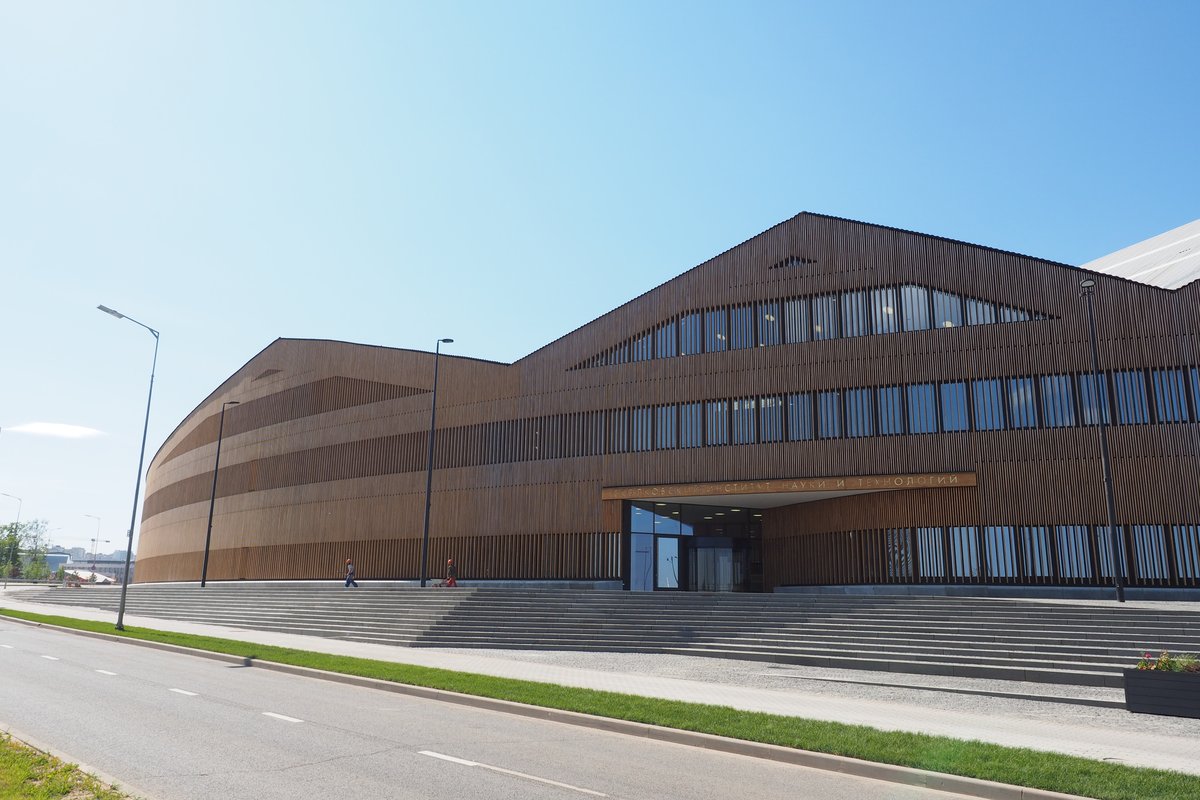

Why Visit Skoltech?
Skoltech stands at the intersection of scientific excellence and entrepreneurial spirit. Its unique blend of cutting-edge research, international faculty, and innovative startups attracts visitors eager to experience Russia’s technology-driven future. The campus’s modern design and vibrant atmosphere make it a must-see for those interested in science, technology, architecture, and higher education.
Historical Background and Development
Founding Vision and International Collaboration
Skoltech was founded in 2011 as a flagship project of Russian-American collaboration, launched by the Russian government in partnership with MIT. This collaboration laid the academic and research foundations for Skoltech, resulting in over 75 joint projects and a deeply embedded culture of innovation and global engagement.
Campus Development and Location
The campus is situated at Bolshoy Boulevard, 30, bld. 1, within the Skolkovo Innovation Center in western Moscow. The Skolkovo Innovation Center itself was launched in 2009 to foster Russia’s transition to a knowledge-based economy (Wikipedia), and features a master plan by Herzog & de Meuron. The campus includes the iconic East Ring academic complex, modern laboratories, open collaborative spaces, and Europe’s largest vivarium (Herzog & de Meuron).
Academic Structure and Research Focus
Skoltech offers world-class graduate programs (Master’s and PhD) in 11 technological fields, all taught in English (Wikipedia). Research spans areas such as Life Sciences, Neurobiology, Energy Science, Quantum Materials, and Space Technology. The curriculum emphasizes interdisciplinary research, hands-on learning, and entrepreneurship, preparing graduates to address critical global challenges.
Achievements and Global Recognition
Skoltech is ranked among the top 500 universities worldwide in engineering and technology ([QS World University Rankings by Subject 2024]). The institute is renowned for its rapid growth, vibrant startup ecosystem, and successful technology transfer initiatives, contributing significantly to the Russian innovation economy.
Visiting Skoltech: Practical Information
Visiting Hours and Tickets
- General Visiting Hours Monday–Friday, 9:00 AM–6:00 PM. Access may be limited on weekends and public holidays.
- Campus Entry Free for all visitors. Access to certain laboratories or special events may require registration or invitation.
- Guided Campus Tours Available upon request and must be booked in advance via the Skoltech campus tours page. Tours last about 2 hours, are led by coordinators, and are suitable for groups of 10–30 people.
- Accessibility The campus is fully wheelchair accessible and equipped with elevators, ramps, and accessible restrooms.
Getting There from Moscow City Center
- By Public Transport Take the Moscow Metro to Myakinino station (Line 3), then continue by bus or taxi to Skolkovo.
- By Car/Taxi The campus is easily accessible via the Moscow Ring Road (MKAD) and the Skolkovo Highway (russiatrek.org).
- Parking Available nearby; check for visitor parking details when booking your tour.
Nearby Attractions
Explore other highlights within the Skolkovo Innovation Center, such as the Technopark (Europe’s largest, supporting over 2,000 startups), the Matrex pyramid-shaped building, and the Hypercube—Skolkovo’s first startup incubator (Wikipedia). For a broader Moscow experience, visit landmarks like the Kremlin, Red Square, and the Tretyakov Gallery, all within 30–40 minutes by metro or car.
Frequently Asked Questions (FAQ)
Q: What are Skoltech’s visiting hours?
A: Monday–Friday, 9:00 AM–6:00 PM. Guided tours are available weekdays 11:00 AM–4:00 PM with prior booking.
Q: Is there an entry fee?
A: No, campus entry is free. Some events or areas may require advance registration.
Q: Are guided tours available for solo visitors?
A: Tours are typically arranged for groups (10–30), but individuals can contact coordinators for options.
Q: Is the campus wheelchair accessible?
A: Yes, all public spaces and facilities are accessible.
Q: Can I take photographs?
A: Yes, in most public areas. Restrictions apply in some labs; always check with your tour coordinator.