Historical Context and Origins
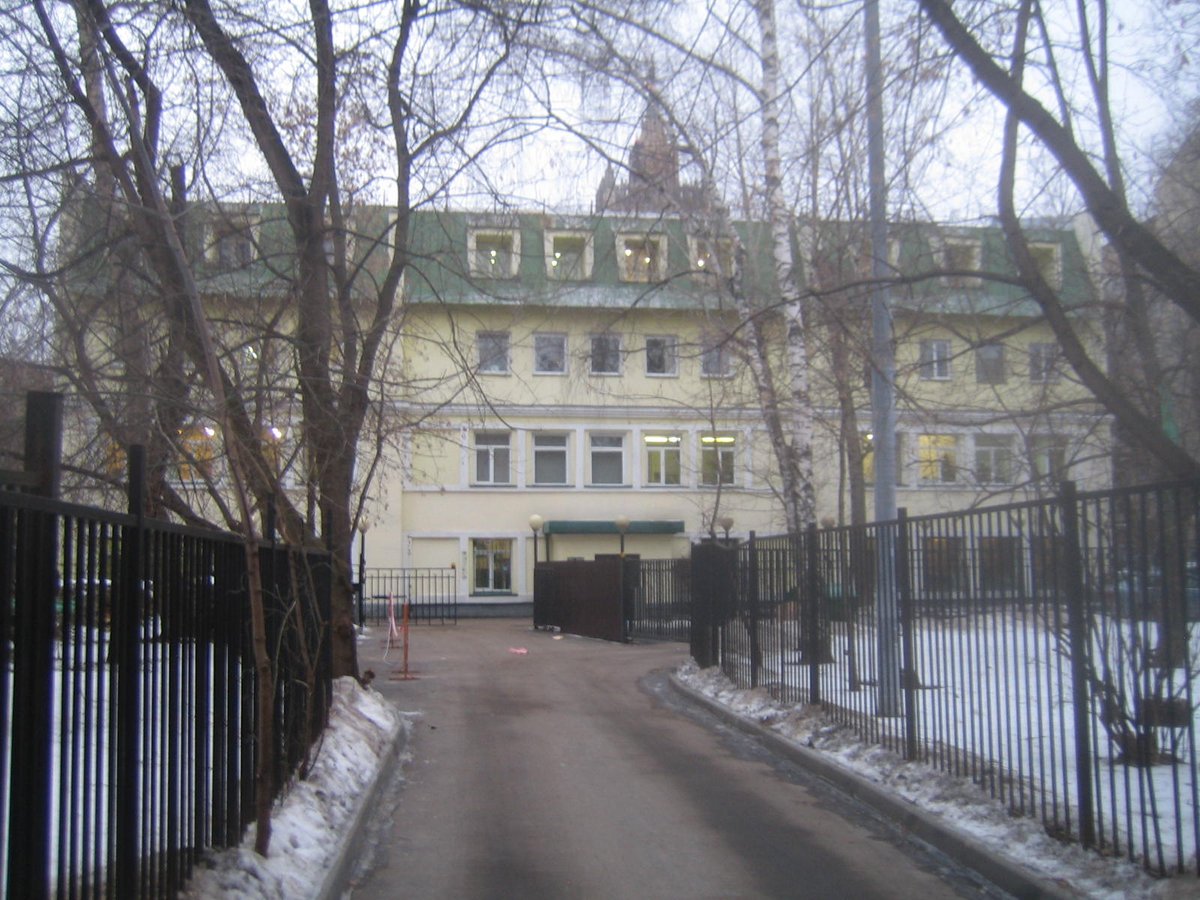
Constructed in the early 20th century, the building at 10 Bolshaya Sadovaya Ulitsa exemplifies Moscow’s pre-revolutionary architecture and later Soviet communal living. Mikhail Bulgakov resided here from 1921 to 1924, and his experiences in this “bad apartment”—an infamous communal flat known for its eccentric tenants and mysterious happenings—informed the supernatural and satirical events in The Master and Margarita. Apartment No. 50, both in reality and fiction, became a symbol of Moscow’s bohemian underbelly and the hardships of Soviet-era life (Lidenz; Express to Russia).
Literary and Cultural Significance
Role in The Master and Margarita
Apartment No. 50 is depicted as the residence of Woland (the Devil) and his retinue, blending the mundane with the mystical. The cramped, communal conditions and atmosphere of suspicion in the real apartment are echoed in Bulgakov’s novel, where fantasy meets harsh reality.
Pilgrimage Site
Today, the Bad Apartment is a pilgrimage site for literature fans and scholars. The museum displays Bulgakov’s personal effects, manuscripts, typewriter, and photographs, recreating the ambiance of 1920s Moscow. The site is also known for its fan graffiti, notes, and small offerings—rituals embraced by the museum as a testament to Bulgakov’s ongoing influence (Supertravelr).
Symbolism
Beyond literature, the Bad Apartment epitomizes the contradictions and challenges of Soviet communal living—overcrowding, lack of privacy, and social surveillance. Bulgakov’s use of supernatural motifs critiques bureaucracy and repression, making the apartment a symbol of both hardship and resilience (Lidenz).
Museum Layout and Exhibitions
Housed within the original apartment, the Bulgakov Museum is divided into several themed spaces:
- Recreated Living Quarters Period décor, Bulgakov’s desk and personal items.
- Literary Displays Manuscripts, first editions, correspondence, and rare prints.
- Theatrical & Film Installations Posters, costumes, and multimedia from adaptations of Bulgakov’s works.
- Interactive Exhibits Immersive scenes from the novel, such as Woland’s ball or the séance.
Temporary exhibitions, literary evenings, and performances ensure each visit is unique (comfortcity24.ru).
Special Events and Guided Tours
The museum hosts regular events—readings, performances, and film screenings—often aligned with Bulgakov’s anniversaries. Guided tours are available in Russian and English (advance booking recommended). Themed walks, such as “Bulgakov’s Moscow,” lead visitors through key locations from the author’s life and fiction.
Visitor Experience
Stepping into the Bad Apartment is like entering Bulgakov’s world: creaking floors, shadowy corridors, and graffiti-adorned walls evoke the novel’s supernatural ambiance. The museum fosters an interactive, informal atmosphere, encouraging visitors to participate in readings, attend performances, and contribute to the graffiti wall.
Visiting Hours, Tickets, and Accessibility
- Location Bolshaya Sadovaya Street, 10, Apartment 50. Nearest metro: Mayakovskaya.
- Hours Open Tuesday–Sunday, 11:00 AM–7:00 PM (last entry 6:30 PM). Closed Mondays and some holidays. Always confirm hours on the official website before your visit.
- Tickets Standard admission: 150–500 rubles (varies by event). English-language guided tours require advance booking, with additional fees.
- Purchase Tickets can be bought onsite or online (bulgakovmuseum.ru).
- Accessibility The building’s historic nature limits full accessibility. Ramps and elevator access are present where possible; contact the museum for specific needs.
- Photography Generally allowed (no flash or tripods); some restrictions during events.
Practical Tips for Visitors
- Book in Advance Especially for guided tours and special events.
- Language Most exhibits are in Russian; English tours and materials are available.
- Cash Preferred Some services accept cards, but cash is advisable.
- Dress Comfortably Some areas involve stairs and narrow corridors.
- Respect Museum Etiquette Graffiti is permitted only in designated areas.
Nearby Attractions
- Patriarch’s Ponds Site of the novel’s opening scene, ideal for a literary stroll.
- Mayakovskaya Metro Station Known for its Art Deco design.
- Pushkin Square Historic theaters and monuments.
- Moscow Art Theatre Central to the city’s dramatic history.
Visitor Etiquette
- Maintain a contemplative atmosphere.
- Smoking is prohibited inside.
- Keep noise to a minimum.
- Follow staff instructions regarding photography and interactive exhibits.
Frequently Asked Questions (FAQ)
Q: What are the Bad Apartment’s visiting hours?
A: Tuesday–Sunday, 11:00 AM–7:00 PM; closed Mondays. Always check for holiday changes.
Q: How do I buy tickets?
A: Purchase onsite or online via the museum’s website.
Q: Are English-language tours available?
A: Yes, with advance booking.
Q: Is the museum accessible for visitors with disabilities?
A: Accessibility is limited due to the building’s age; contact the museum for details.
Q: Can I take photos inside?
A: Yes—no flash or tripods; check restrictions during events.
Summary & Recommendations
A visit to the Bad Apartment is a captivating journey into the heart of Russian literary and social history. The museum preserves Bulgakov’s legacy and offers a window into Moscow’s transformation from Soviet communal housing to a modern metropolis. Enhance your visit by reading The Master and Margarita beforehand, booking a guided tour, and exploring the surrounding Tverskoy district. For a richer experience, use the Audiala app for curated audio guides and up-to-date event information (bulgakovmuseum.ru; DutchWannabe; Express to Russia).