
History and Evolution
Early Years and Meyerhold’s Influence
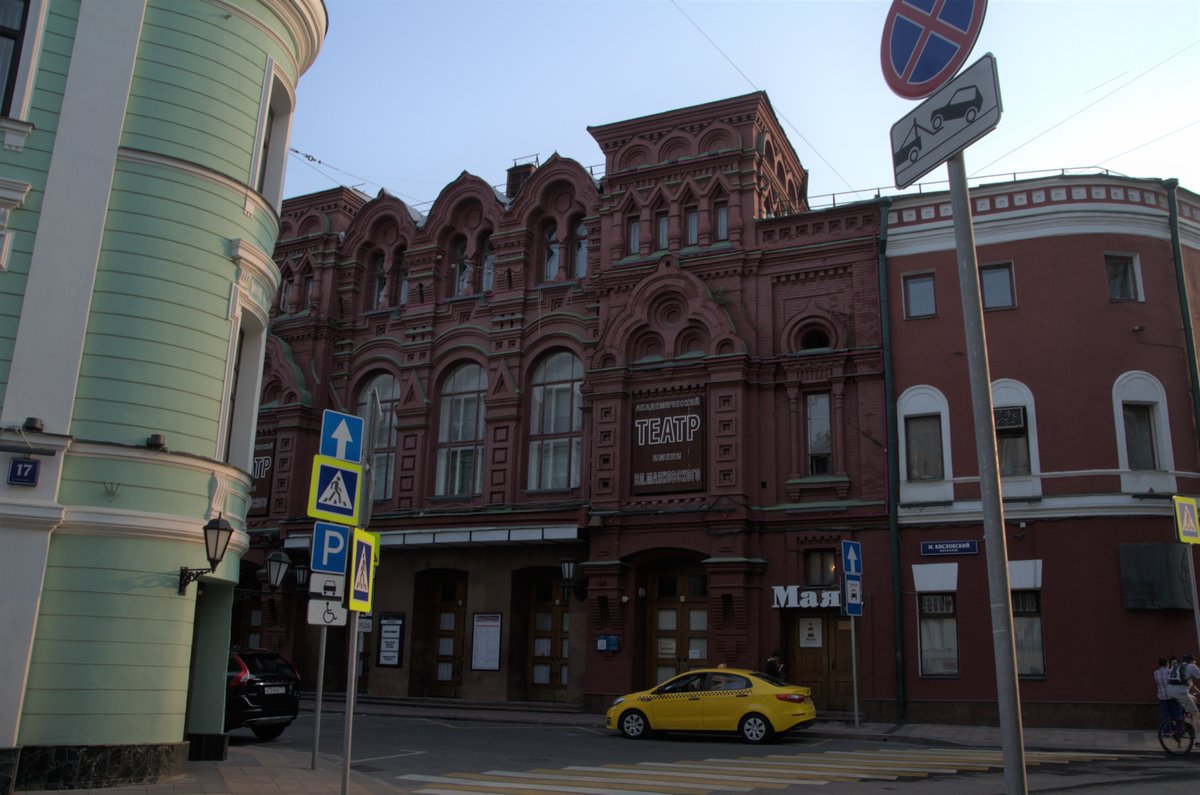
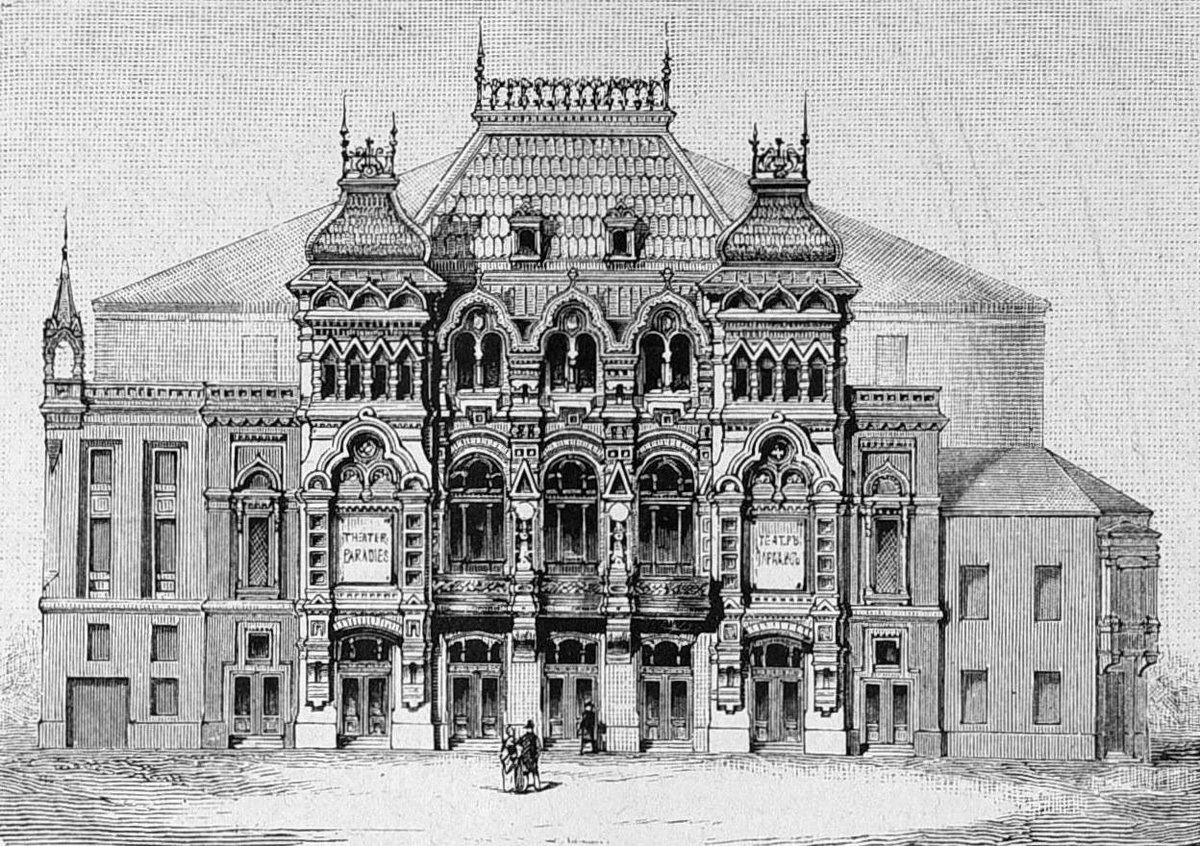
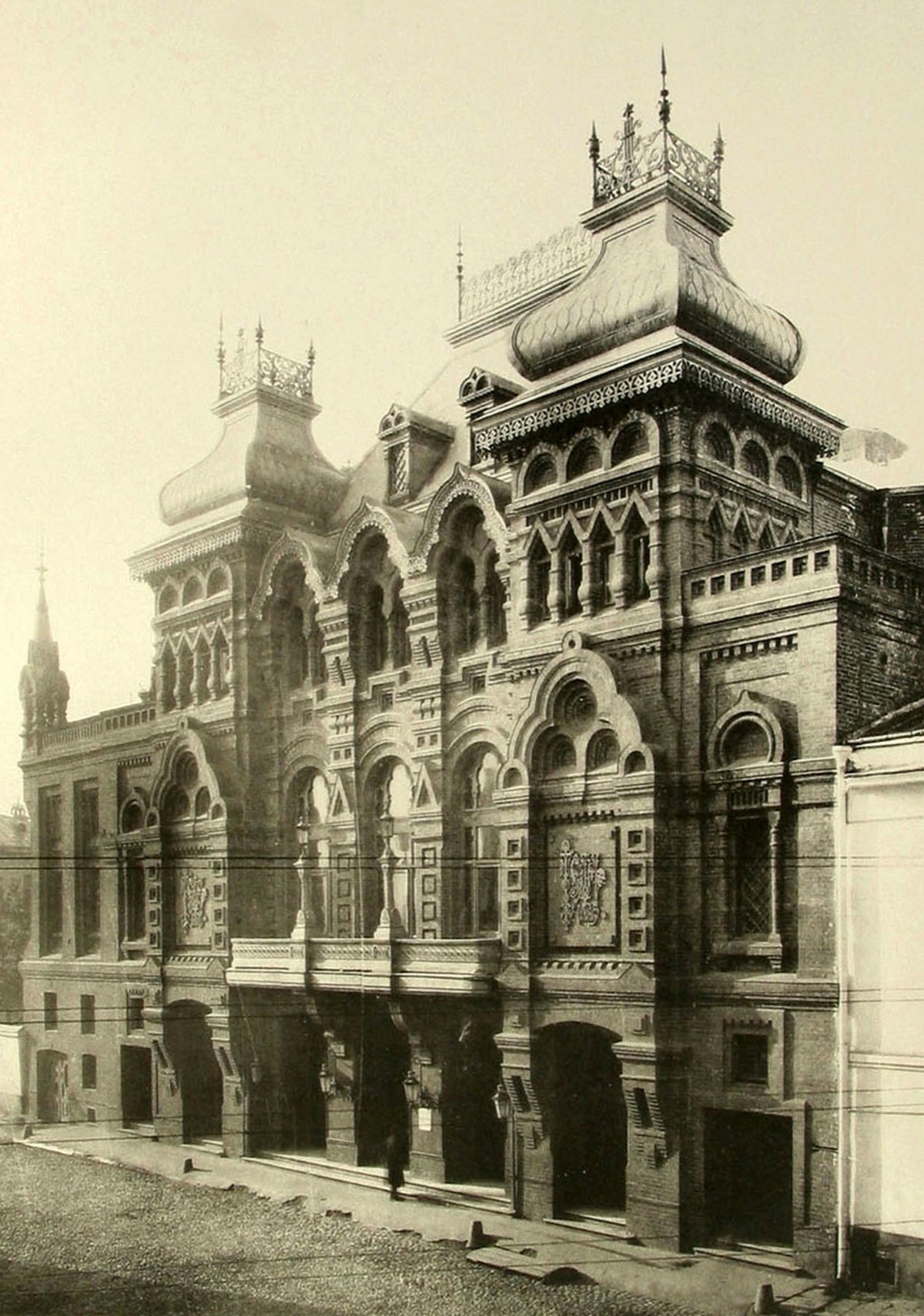
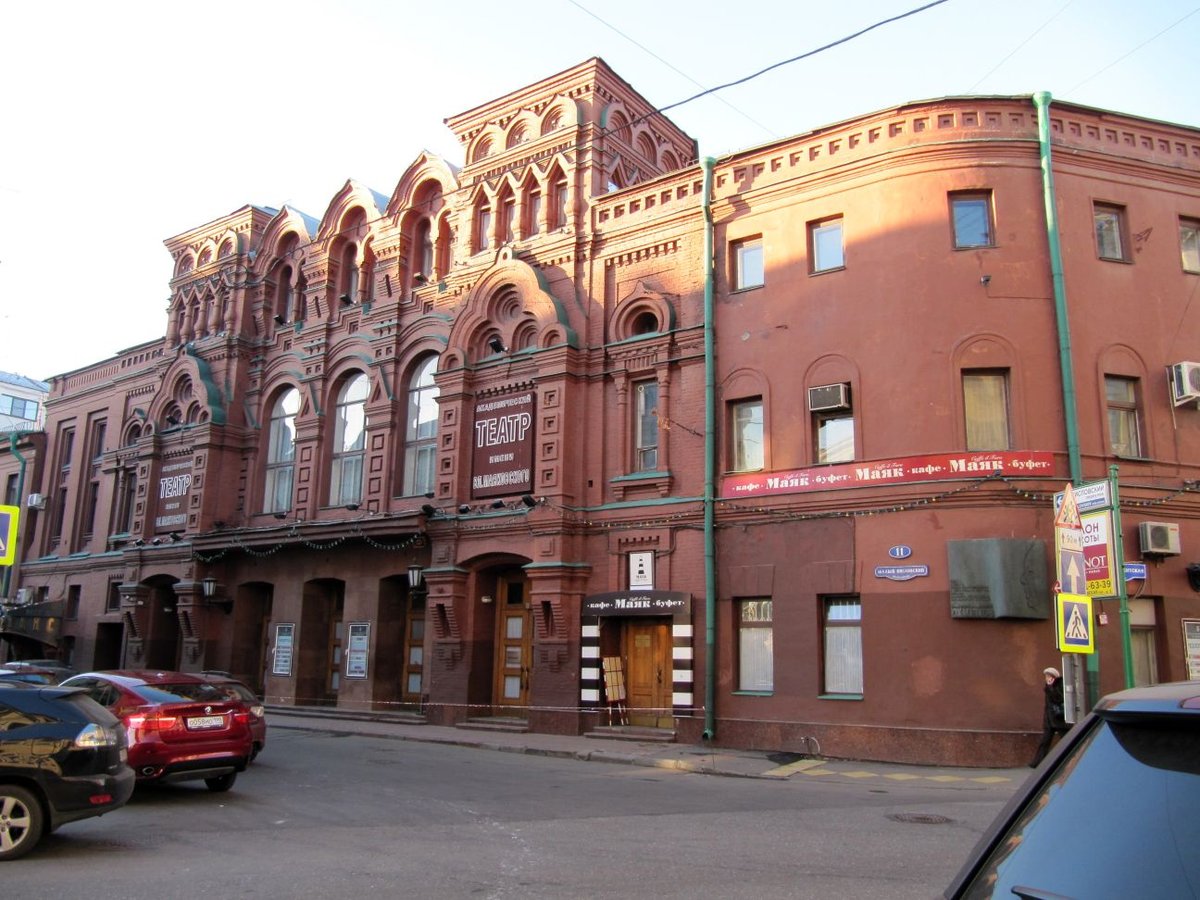
The Mayakovsky Theatre’s origins trace back to a noble estate on Bolshaya Nikitskaya Street, with a private auditorium dating to the late 19th century that hosted eminent European performers like Sarah Bernhardt and Jean Mounet-Sully (Afisha Yandex). After the 1917 Russian Revolution, the estate transformed into a venue for avant-garde theatre, becoming the Theatre of Revolutionary Satire and later, under Vsevolod Meyerhold in 1922, the Theatre of the Revolution. Meyerhold’s brief but impactful tenure introduced constructivist design and biomechanics, setting the stage for a legacy of experimental production (Max MMLC Northwestern).
Soviet Era and Artistic Leadership
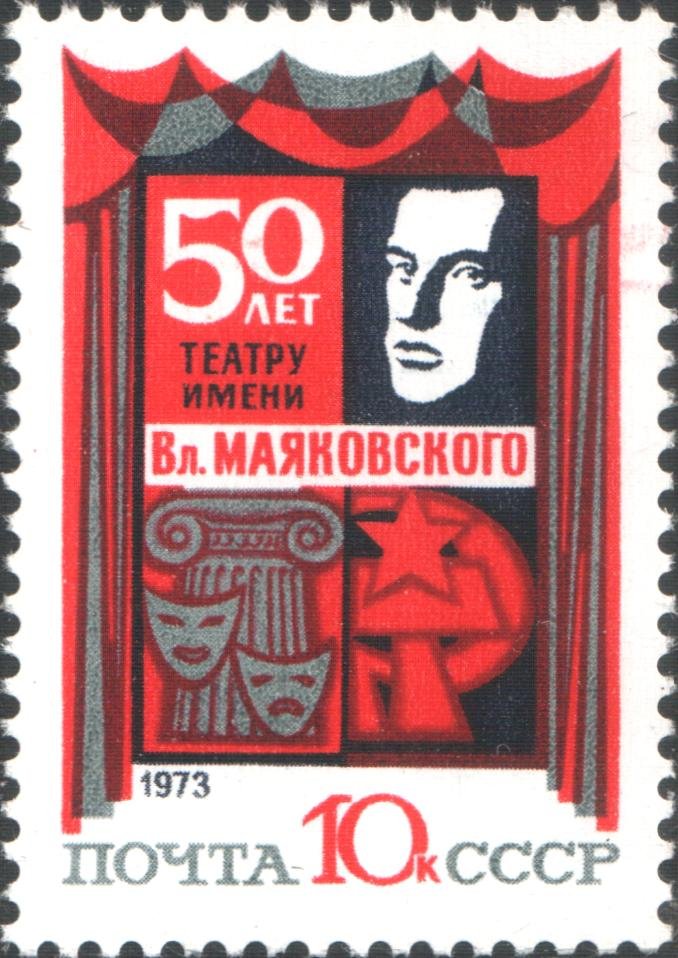
After Meyerhold, a succession of directors, most notably Nikolai Okhlopkov from 1943, steered the theatre toward psychological realism and ensemble performance. In 1954, the institution was renamed for Vladimir Mayakovsky, honoring the revolutionary poet and dramatist who shaped Soviet literature (Communist Red). Later artistic directors, including Andrei Goncharov and Mindaugas Karbauskis, continued to balance tradition with contemporary innovation, ensuring the theatre remained a center for both canonical Russian drama and new works (Afisha Yandex).
Repertoire and Artistic Direction
The Mayakovsky Theatre is renowned for its commitment to both classic and modern repertoire. Its programming features:
- Iconic Russian plays by Chekhov, Tolstoy, Ostrovsky, and Bulgakov, including current productions like “The Cherry Orchard,” “The White Guard,” and “Fruits of Enlightenment” (The Theatre Times).
- Contemporary works by playwrights such as Lyudmila Ulitskaya and Pavel Kogout, reflecting current social themes (Russia-IC).
- Occasional international classics—Shakespeare, Molière—presented with a bold Russian perspective.
- Ballet and touring performances, including upcoming shows by the Moscow State Ballet, such as “Swan Lake” and “The Nutcracker” (Moscow State Ballet).
The theatre’s star-studded ensemble features renowned actors such as Igor Kostolevsky, Evgenia Simonova, Alexander Lazarev, Svetlana Nemolyaeva, and Mikhail Filippov (Russia-IC).
Visiting the Mayakovsky Theatre
Hours and Tickets
- Box Office Hours 10:00 or 11:00 AM to 7:00 PM, Tuesday to Sunday (closed Mondays and holidays).
- Performance Times Most shows begin at 7:00 PM. Check the official schedule for specific dates.
- Ticket Purchase Buy online via the official website, at the box office, or through authorized resellers. Prices generally range from 500 to 5000 rubles, depending on production and seat.
- Discounts Available for students, seniors, and groups.
- Guided Tours Offered regularly; advance booking is recommended.
Directions and Accessibility
- Address 14 Bolshaya Nikitskaya Street, Moscow.
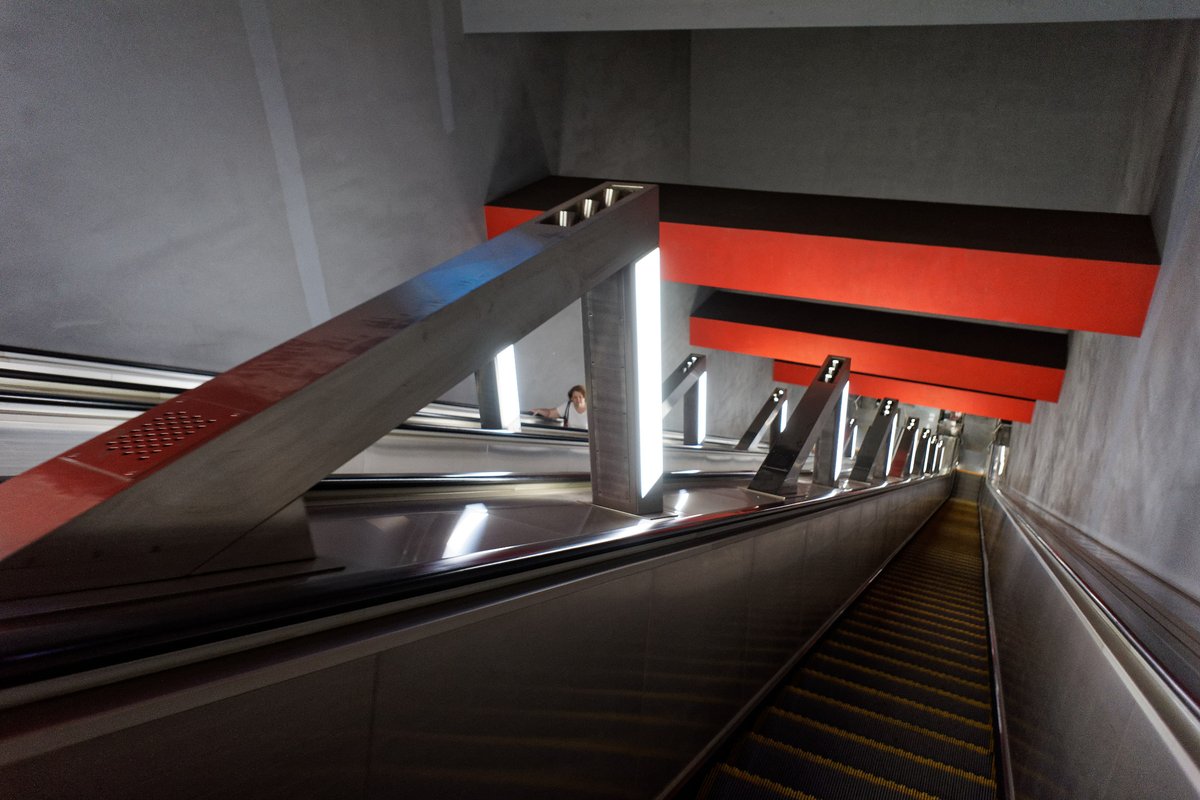
- Metro Mayakovskaya (Green Line), Arbatskaya, Smolenskaya, Kropotkinskaya—all within walking distance.
- Accessibility Wheelchair ramps, elevators, and adapted seating are available. Contact the box office in advance for assistance.
- Language Support Most performances are in Russian; select major productions may offer English surtitles or printed summaries.
Visitor Tips
- Arrive at least 30 minutes early.
- Photography is allowed in public spaces but not during performances.
- The theatre’s foyer, cloakrooms, and refreshment bars are renovated for comfort.
- Guided tours provide exclusive backstage access.
Architectural Highlights
Constructivist Innovations
Meyerhold’s influence endures in the theatre’s constructivist stage design, which emphasizes multi-level sets and functional industrial aesthetics (UNESCO). The main auditorium, seating about 800, is prized for its acoustics and sightlines, making every seat ideal for both drama and ballet (Mayakovsky Theatre Official Site).
Main and Auxiliary Spaces
- Main Stage Known for technical sophistication and adaptability, allowing rapid scene changes and visually striking productions.
- Auxiliary Spaces Rehearsal halls and the experimental “Stage on Sretenka” support new works and chamber performances.
- Public Areas Elegant, accessible, and designed to welcome large audiences while maintaining intimacy.
Nearby Attractions
The Mayakovsky Theatre lies in a historic district near:
- Pushkin Museum A major art museum.
- Arbat Street Famous for its shops, cafes, and street art.
- Bolshoi Theatre Russia’s premier opera and ballet house.
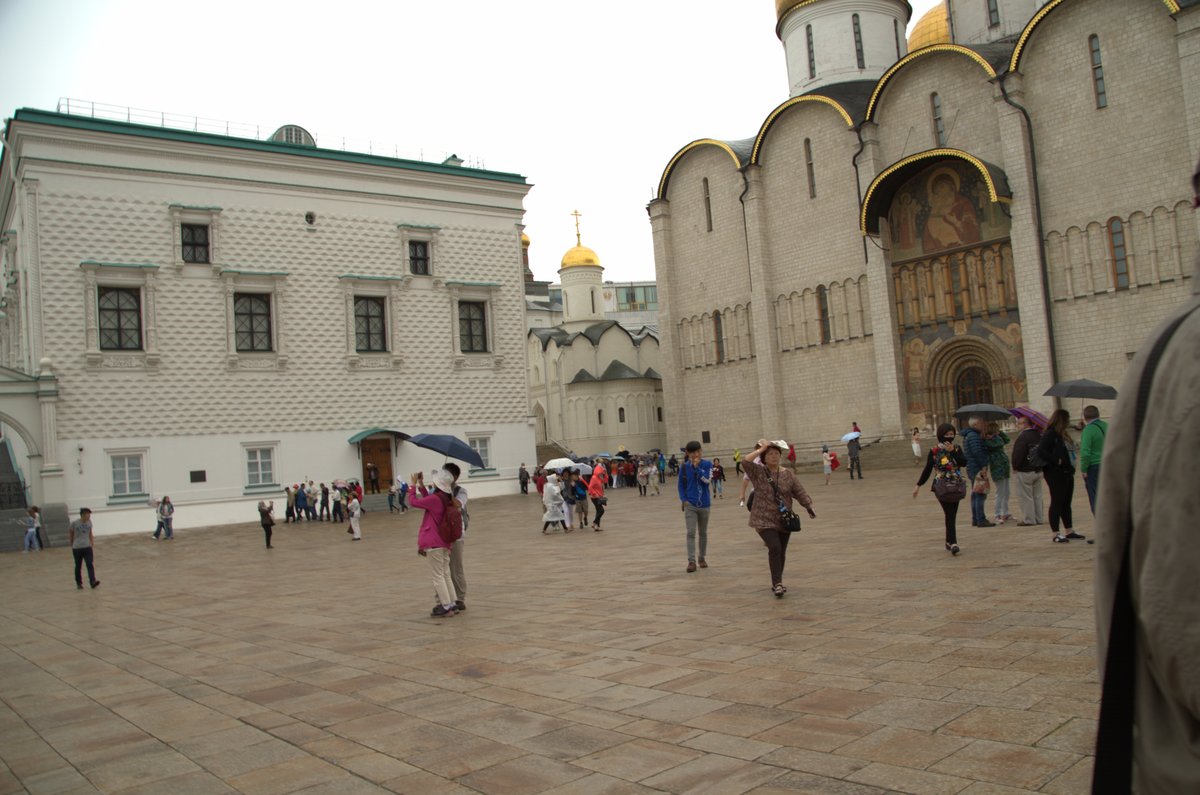
- Red Square and the Kremlin Iconic landmarks within walking distance (Express to Russia, TravelSetu).
Combine your theatre visit with sightseeing for a full Moscow cultural experience.
Notable Figures and Productions
The theatre’s legacy includes innovation by Vsevolod Meyerhold, psychological depth under Nikolai Okhlopkov, and continued artistic excellence by Mindaugas Karbauskis and the current ensemble. Standout productions like “The White Guard,” “The Cherry Orchard,” and “The Fruits of Enlightenment” are complemented by new works and international collaborations (The Theatre Times, Communist Red).
In 2022, the theatre celebrated its 100th anniversary, with recognition from Russian President Vladimir Putin for its historic and cultural impact (Kremlin.ru).
Frequently Asked Questions (FAQ)
Q: What are the theatre’s opening hours?
A: Typically 10:00 or 11:00 AM to 7:00 PM, Tuesday to Sunday. Check for updates during holidays.
Q: How do I buy tickets?
A: Online through the official website, at the box office, or via authorized sellers.
Q: Is the theatre accessible for visitors with disabilities?
A: Yes, with ramps, elevators, and adapted seating.
Q: Are guided tours available?
A: Yes, regularly. Book in advance through the official site.
Q: Will I find English-language support?
A: Some major productions offer English surtitles or summaries—confirm when booking.
Q: What are nearby attractions?
A: Pushkin Museum, Arbat, Bolshoi Theatre, Red Square, and the Kremlin.