
Origins and Early Construction
The Terem Palace, or Teremnoy Palace (Russian: Теремной дворец), is one of the Kremlin’s most significant monuments, with roots in the late 16th and early 17th centuries. The term "terem" derives from the Greek "τέρεμνον," meaning "dwelling," highlighting its primary function as a royal residence (Live the World).
Commissioned initially by Tsar Ivan IV (Ivan the Terrible) and constructed by Italian architect Aloisio da Milano, the palace was substantially rebuilt between 1635–1636 under Tsar Mikhail Feodorovich. Renowned Russian architects Bazhen Ogurtsov, Larion Ushakov, Antip Konstantinov, and Trefil Shaturin led the reconstruction, marking the palace as the first royal stone residence in the Kremlin and a symbol of the Romanov dynasty’s stability (Moscow Info; uVisitRussia).
Architectural Features and Innovations
Exterior Design
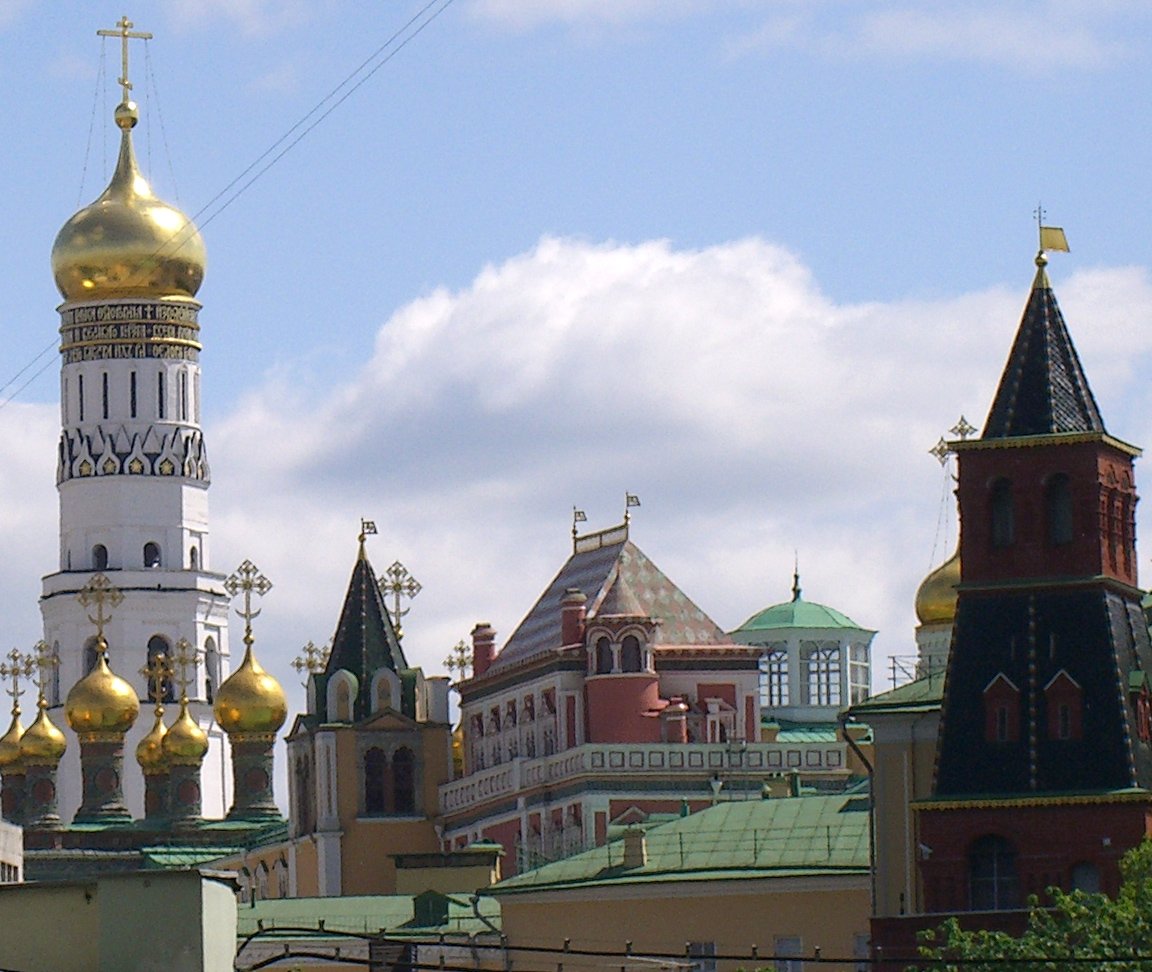
The Terem Palace is celebrated for its distinctive exterior—a three-tiered, pyramid-like structure topped by a golden-roofed "terem" or tower-chamber. The façades are adorned with multicolored tiles, intricate brickwork, carved window surrounds, and decorative motifs inspired by Russian folklore and religious symbolism (Advantour; Trek Zone).
Roof and Domes
A hallmark of the palace is its elaborate roof structure, unified under a copper roof and crowned with 11 golden domes. These domes, visible above the Kremlin structures, exemplify Russian ecclesiastical architecture and symbolize the spiritual authority of the tsar (Advantour).
Interior Layout
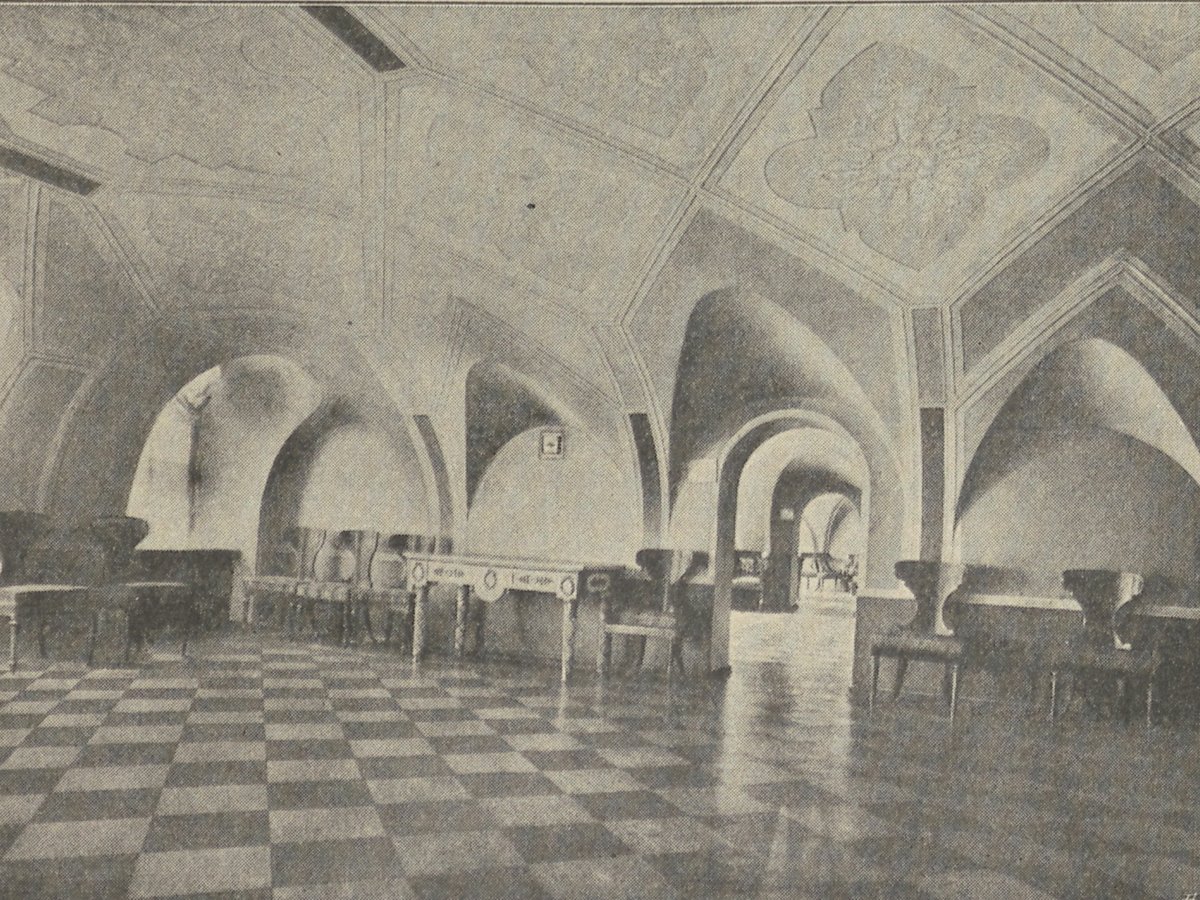
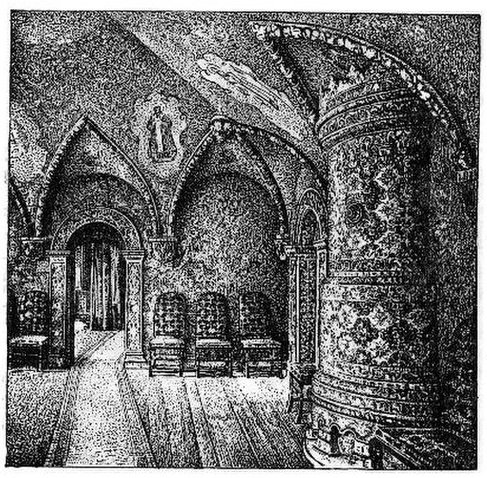
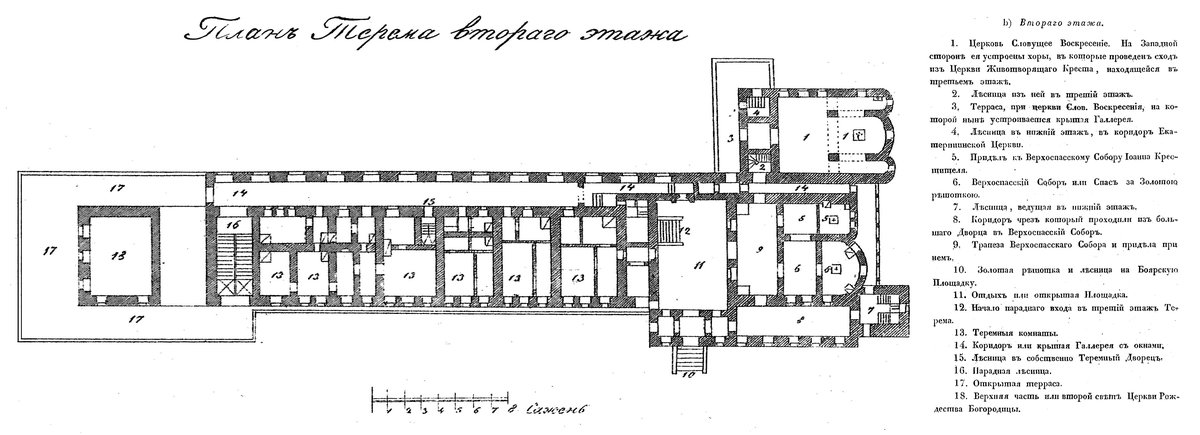
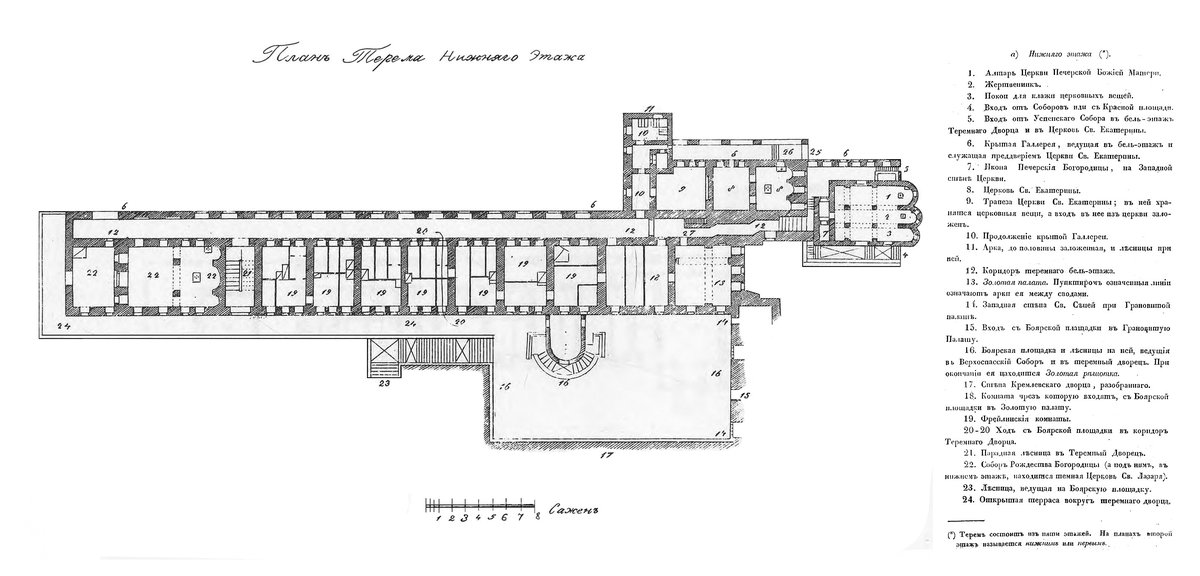
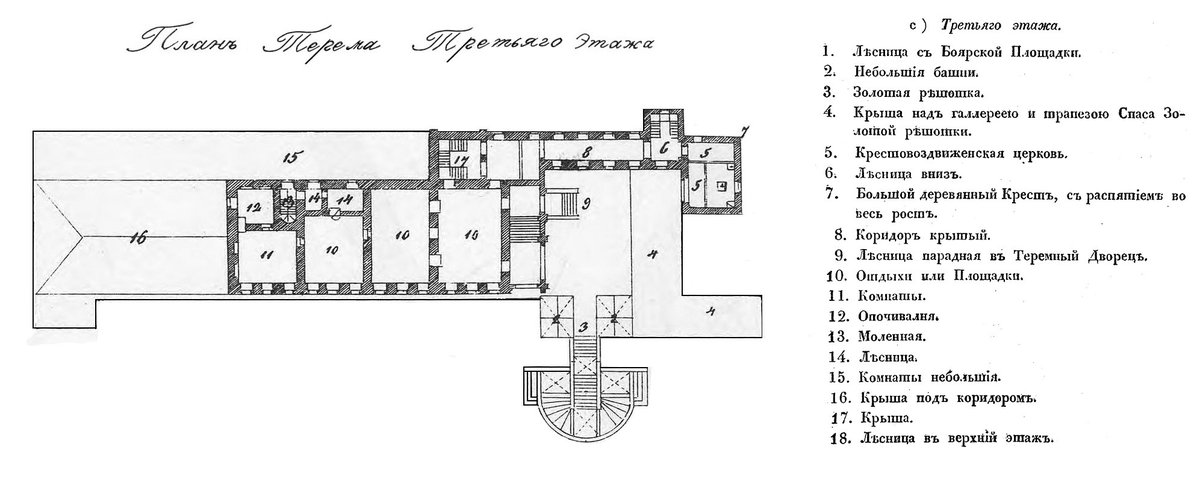
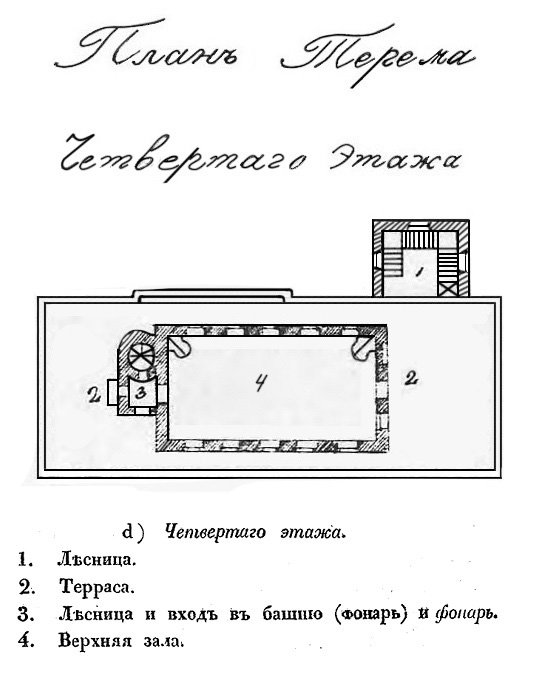
Restricted to official use, the palace’s interior is renowned for its vibrant frescoes, gilded ceilings, and intricate woodwork. It consists of five levels, each historically dedicated to specific functions—storerooms and workshops at the lower levels, royal family chambers above, and the Upper Terem with panoramic Kremlin views (Live the World).
Integration with Religious Structures
The Terem Palace incorporates several churches, unified architecturally and spiritually. These include the Church of the Virgin’s Nativity and the Saviour Cathedral, underscoring the close relationship between the monarchy and the Orthodox Church.
Role as the Royal Residence
From the 17th century, the Terem Palace was the principal residence of Russian tsars. Lavishly decorated with frescoes and gold leaf, it was the setting for state ceremonies, diplomatic receptions, and daily royal life. The palace also housed the Boyar Duma, the tsar’s council of noble advisors, highlighting its dual role as home and seat of governance (uVisitRussia; Live the World).
Religious and Cultural Significance
The palace’s exuberant "uzorochye" style is a hallmark of Russia’s 17th-century architectural renaissance. Its integration with Kremlin cathedrals and private chapels reflects the fusion of political and religious power, especially during the reign of Patriarch Nikon and Tsar Alexey Mikhailovich (Patriarch’s Palace Kremlin). The palace’s religious spaces served both the royal family and the Russian Orthodox Church, reinforcing the tsar’s divine right to rule (Museum Studies Abroad).
Visiting the Terem Palace: Hours, Tickets, and Access
Visiting Hours
- Kremlin Complex Open to visitors from 10:00 AM to 5:00 PM, Tuesday through Sunday (closed Thursdays and select holidays). Hours may vary seasonally; always check the official Kremlin website for updates.
Tickets and Admission
- Terem Palace The interior is not open to the general public; special access is granted only through official arrangements or select diplomatic tours.
- Kremlin Grounds and Cathedrals Tickets can be purchased online or at the ticket office; general admission allows viewing the palace’s exterior.
- Armory Chamber and Special Exhibitions Require separate tickets.
Accessibility
The Kremlin offers partial accessibility, with some paths and ramps available; however, certain historic structures, including the Terem Palace, have limited access for visitors with mobility challenges.
Security and Entry Protocols
All visitors must pass through security screening. Large bags, tripods, and drones are not permitted. As of December 2024, foreign visitors must complete biometric registration upon arrival in Moscow.
Nearby Attractions and Tips
While the Terem Palace interior remains off-limits, the Kremlin complex is rich with sites:
- Armory Chamber Home to royal treasures and regalia.
- Cathedral Square Features the Assumption, Archangel, and Annunciation Cathedrals.
- Ivan the Great Bell Tower Offers panoramic city views.
- Red Square and St. Basil’s Cathedral Both are within walking distance and essential to any Moscow itinerary.
Travel Tips
- Book tickets online in advance to avoid queues.
- Visit in the morning or late afternoon for fewer crowds and optimal photography conditions.
- Dress modestly when visiting cathedrals.
- Use official guides or audio tours for in-depth historical context.
Frequently Asked Questions (FAQ)
Q: Can I enter the Terem Palace interior?
A: No, the interior is reserved for official state functions and not open to the public.
Q: Where can I get the best views of the Terem Palace?
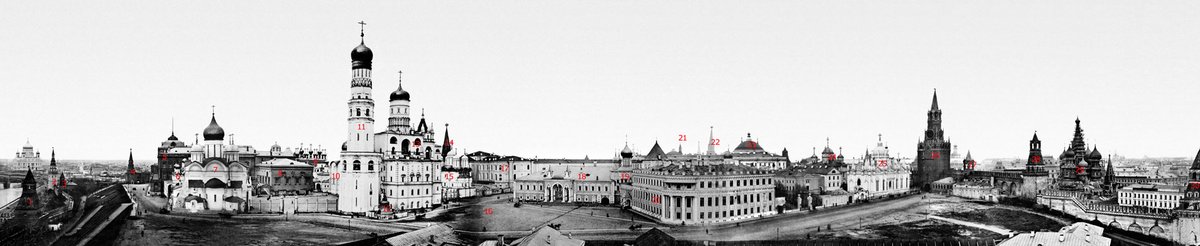
A: From Cathedral Square and near the Ivan the Great Bell Tower within the Kremlin grounds.
Q: Are there guided tours about the Terem Palace?
A: Comprehensive Kremlin tours include commentary about the Terem Palace; no tours focus solely on the palace.
Q: What are the visiting hours for the Kremlin complex?
A: Generally 10:00 AM to 5:00 PM, Tuesday through Sunday. Always check for seasonal updates.
Q: How do I purchase tickets?
A: Purchase Kremlin tickets online or at the ticket office; there are no separate tickets for the Terem Palace.