
Shchukinskaya, Moscow
Shchukinskaya is a district in northwestern Moscow where Soviet-era architecture, green spaces, and modern urban life meet. Once a rural village, the area was incorporated into Moscow during the city’s 20th-century expansion. Today it offers parks, cultural venues, local dining, and landmarks such as Shchukinskaya Metro Station and the Pokrovskoye-Streshnevo Estate (Wikipedia: Shchukinskaya; Official Park Website).
The district combines Soviet-era housing and courtyards with modern developments and green spaces. Local festivals and events, including Maslenitsa and Victory Day, celebrate Moscow’s traditions and contemporary life (The Planet D; How to Russia).
History
Shchukinskaya Metro Station takes its name from the former village of Shchukino. The area was integrated into Moscow as part of the city’s rapid urbanisation after World War II, reflecting a wider Soviet-era expansion intended to accommodate industrial growth and a rising population (Wikipedia: Shchukinskaya; Wikipedia: History of Moscow).
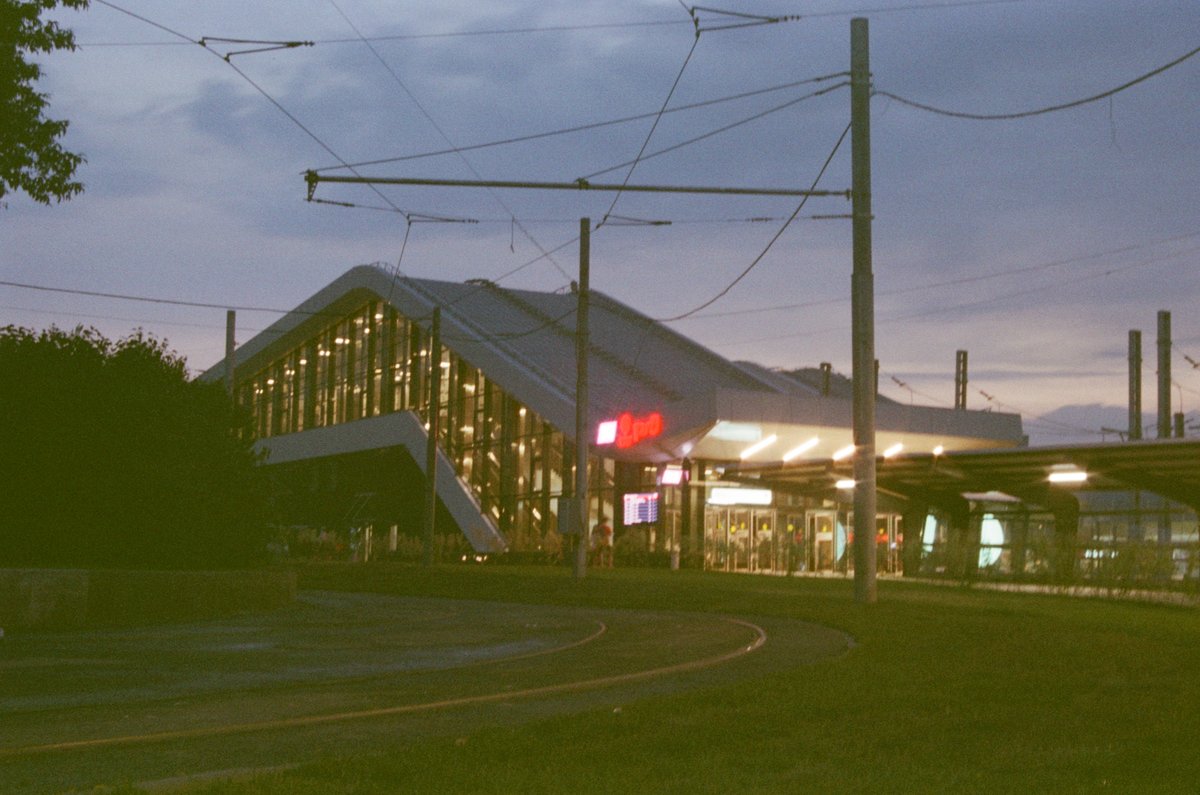
Opened in 1975 on the Tagansko-Krasnopresnenskaya Line, the station is an example of late-Soviet design. It has 40 pink marble columns, compared with the typical 26, decorative aluminium strips, and bronze-coloured corrugated aluminium walls. Nina Aleshina and colleagues designed the station, whose spaciousness and decorative details reflect the Soviet ideal of public infrastructure as both functional and beautiful (Wikipedia: Shchukinskaya).
The station helped spur residential and commercial growth, improved mobility, and supported Shchukino’s transformation from a village into an urban hub. Its location provides access to research centres, parks, and recreation areas (Mapcarta: Shchukinskaya).
Moscow’s metro is known for its architectural grandeur. Though less ornate than older stations, Shchukinskaya continues the tradition of quality materials and artistic decoration associated with the metro as a “people’s palace” (The Planet D: Things to Do in Moscow).
What to See
Shchukinskaya Metro Station
The station is both a transport hub and a showcase of Soviet architectural design. Its marble columns, metal details, and generous scale make it a notable stop for visitors interested in the city’s metro architecture.
Pokrovskoye-Streshnevo Park and Estate
Pokrovskoye-Streshnevo Park features ancient oaks, ponds, and a historic manor. It is used for hiking, picnics, and birdwatching. The forest area also offers cycling, winter sports, and other outdoor recreation.
The 17th-century Pokrovskoye-Streshnevo Estate was once a noble summer residence. Today it is a museum and cultural venue that hosts concerts, fairs, and exhibitions.
Streshnevo Estate and Church of the Intercession
The estate grounds and Church of the Intercession are noted for Moscow Baroque architecture, cultural events, and informative signage. Entry is free, and donations are welcomed at the church.
Shchukinskaya Monument
The mid-20th-century Shchukinskaya Monument commemorates key historical events and figures of the district. It has free entry, and occasional exhibitions and guided tours are available. The monument and surrounding park are wheelchair accessible, with ramps and accessible public transport nearby.
Moscow River Embankment
The embankment has scenic walking and cycling paths and piers for river cruises, which operate from May to September. The paths are wheelchair accessible, and bike rentals are available.
Shchuka Shopping and Entertainment Center
Shchuka has more than 200 shops, a cinema, dining options, and river views. Entry is free; cinema screenings and events require tickets.
Cultural Venues and Architecture
The Shchukino Cultural Center hosts concerts, plays, and exhibitions (Shchukino Cultural Center). The Central District Library holds literary events and exhibits, while local markets sell fresh produce and regional specialties.
The district’s dining includes Russian, Georgian, and Central Asian restaurants, as well as cafés serving Russian classics. Many cafés offer traditional tea blends and desserts. Architectural features elsewhere in the area include Soviet-era complexes with mosaics and reliefs, and modern riverfront high-rises with panoramic views.
Practical Visiting Information
Getting Around and Tickets
Shchukinskaya Station is on Line 7, the Tagansko-Krasnopresnenskaya Line, in northwestern Moscow. The station is served by the metro, trams, and buses; the Moscow Central Circle is also listed as a transport option for reaching the monument. Central Moscow is about 30 minutes away by metro (Touropia).
Single-ride tickets and Troika cards are available at ticket counters and vending machines. A single ride costs about 60 RUB, with discounts for multiple trips (Moscow.Info).
Opening Hours, Entry, and Accessibility
- Shchukinskaya Metro Station Daily, 5:30 AM–1:00 AM.
- Pokrovskoye-Streshnevo Park 6:00 AM–10:00 PM. Entry is free. Guided tours of the estate may require advance booking and a fee.
- Pokrovskoye-Streshnevo Estate museum 10:00 AM–6:00 PM, Tuesday–Sunday; closed Mondays. Tickets cost around 300 RUB for adults, with discounts for children, students, and seniors. Tours are available in English and Russian; advance booking is recommended.
- Streshnevo Estate grounds 8:00 AM–8:00 PM. Entry is free; donations are welcomed at the church.
- Shchuka Shopping and Entertainment Center 10:00 AM–10:00 PM. Entry is free; cinema and event tickets are required.
- Shchukinskaya Monument Daily, 9:00 AM–7:00 PM. Entry is free.
Escalators and bilingual signage are available at the metro station. Wheelchair facilities there are available but more limited than at newer stations. The estate’s main exhibition areas are wheelchair accessible. Most major attractions and transport facilities are accessible.
Other Practical Details
Accommodation ranges from local hotels to stays in central Moscow. Pharmacies are common, and the emergency number is 112.
English signage is present, though basic Russian can be helpful. Photography is permitted at the station; visitors should be considerate during busy periods. At the monument, check signage for any photography restrictions.
Tips
The area is generally considered safe and family-friendly, but pickpocketing can occur during peak hours. Standard precautions include keeping valuables secure, using official taxis, and avoiding unlit areas at night (The Broke Backpacker).
For a more relaxed visit to the metro, avoid the morning and evening rush hours. May–September is noted as the best time to visit; winters are cold but picturesque. Visitors can also explore other architecturally notable metro stations, attend local festivals, and choose from Russian and international dining and shopping options.
Nearby Places
Nearby attractions include:
- Gamaleya Research Institute
- Serebryany Bor Park
- Stroginsky Bridge
- Pokrovskoye-Streshnevo District (Mapcarta: Shchukinskaya)
Visitors can also combine a visit to the monument with a walk in Shchukinsky Park or Pokrovskoye-Streshnevo Forest Park. The district has dining and shopping options nearby. Serebryany Bor and Pokrovskoye-Streshnevo Park are also close by for outdoor recreation.
Frequently Asked Questions (FAQ)
What are Shchukinskaya Metro Station’s hours?
It is open daily from 5:30 AM to 1:00 AM.
Do I need a ticket to enter Shchuka Shopping and Entertainment Center?
No. Entry is free, but cinema screenings and events require tickets.
Are guided tours available at Pokrovskoye-Streshnevo Estate?
Yes. Advance booking is recommended. Tours are available in English and Russian, and guided tours may require a fee. See the official website.
Is Shchukinskaya accessible for wheelchair users?
Most major attractions and transport facilities are accessible. The metro station has wheelchair facilities, though they are more limited than those at newer stations.
Where can I find event tickets and information?
Check Pokrovskoye-Streshnevo Park and Shchuka Center.