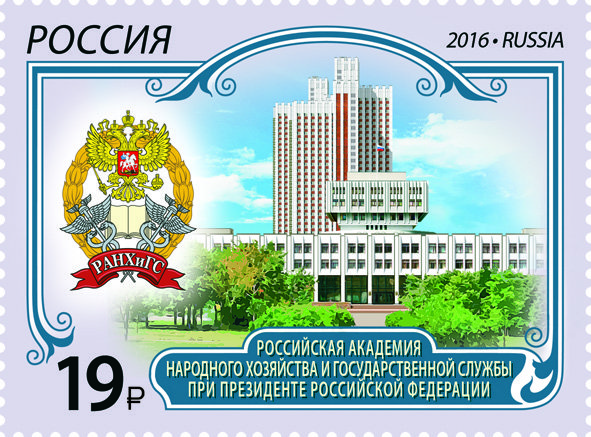
Early Foundations and Soviet Legacy
The Academy’s lineage traces back to the late Soviet era, with its roots in party schools designed to train the state’s administrative elite. These institutions—like the Higher Party School under the Central Committee—focused on Marxist-Leninist theory and practical statecraft, producing generations of civil servants with ideological and professional training (Cambridge.org).
Post-Soviet Reforms and Modernization
Following the Soviet Union’s dissolution in 1991, the Academy transformed to meet the demands of a modern, market-oriented state. It became a leading center for civil service education, expanding its curriculum to include economics, law, management, and international relations, and aligning itself with new standards of transparency, ethics, and global best practices (Wikidata, Wikipedia).
The Creation of RANEPA
In 2010, the Academy merged with other major institutions to form RANEPA under the President of the Russian Federation. This strategic merger positioned RANEPA as the largest public administration university in Russia and Europe, broadening its scope to economics, business administration, and public policy (Wikipedia, kerchtt.ru).
Institutional Role and Educational Impact
RANEPA serves as a national leader in public administration, economics, and legal education, training over 180,000 students across 50+ branches. Its faculty includes both academics and experienced practitioners, ensuring that students gain practical, real-world insights. The Academy’s research centers contribute to national policy debates and reforms, and its alumni network features prominent politicians, ministers, and civil servants (ranepa.ru, Springer Link).
RANEPA is also an influential policy think tank, providing expert analysis and recommendations to Russia’s government. Its international partnerships and participation in global academic networks further enhance its reputation (ranepa.ru).
Visiting the Academy
Location and Accessibility
The main campus is situated at 82, Prospect Vernadskogo, in southwest Moscow. It is easily reached by public transport—Prospekt Vernadskogo and Yugo-Zapadnaya metro stations are both nearby. Taxis and ride-sharing services provide convenient access from anywhere in the city (Express to Russia, TrendyMoscow).
Visiting Hours and Entry
- General Access As an academic institution, RANEPA does not maintain fixed public visiting hours like a museum. Public access is typically granted during weekdays (Monday–Friday, 9:00 AM–6:00 PM) for visitors attending official events, lectures, or conferences.
- Entry Requirements Most visits require prior arrangement or event registration. Visitors should contact the international office or relevant department in advance (RANEPA Contacts).
Guided Tours and Visitor Experience
- Tours Guided tours are not offered routinely but can be arranged for groups or prospective students. These provide an overview of the Academy’s history, architecture, and educational mission.
- Events Visitors are encouraged to attend public lectures, conferences (such as the annual Gaidar Forum), or cultural events for an immersive experience (RANEPA Gaidar Forum).
Facilities and Amenities
- Library One of the largest in Russia for public administration and social sciences.
- Dining Several cafeterias serve affordable Russian cuisine.
- Bookstore, Pharmacy, ATMs Located on campus. Note that international card acceptance may vary.
- Wi-Fi Available for students and registered guests.
Photography Policy
Photography is permitted outdoors on campus. Indoor photography and filming require prior permission, especially during events or within academic buildings.
Accessibility
The campus is equipped with ramps and elevators. Visitors with disabilities should contact the Academy beforehand to arrange assistance.
Nearby Attractions
- Moscow State University Home to the iconic Stalinist skyscraper, accessible by metro (MGU on Express to Russia).
- Sparrow Hills (Vorobyovy Gory) Offers panoramic city views.
- Victory Park Major WWII memorial complex.
- Gorky Park Moscow’s premier park for recreation and culture.
Key Milestones and Notable Figures
- 1977 Foundation as the Academy of National Economy.
- 1991 Restructured post-Soviet Union as a center for civil service training.
- 2010 Merged to form RANEPA, expanding its mission and resources.
- 2024 Introduction of new leadership and policy innovation workshops, such as “Time of Heroes”.
Notable alumni include presidents, prime ministers, and senior government officials from Russia and neighboring countries.
Visitor FAQ
Q: Can the general public visit the campus?
A: Access is usually restricted to students, staff, and registered guests. Public events and lectures are open to external visitors with prior registration.
Q: Are there guided tours?
A: Yes, but only by special arrangement.
Q: Is there an entrance fee?
A: No general admission fee. Some events or tours may require registration or a nominal fee.
Q: Is the campus accessible for people with disabilities?
A: Yes, facilities are available. Contact the Academy for details.
Q: Can I take photos?
A: Yes, outdoors. Permission is needed for indoor photography.
Travel Tips
- Plan Ahead Register in advance for events or tours.
- Arrival Bring a valid photo ID (passport for foreign visitors).
- Language Russian is the primary language; English assistance is available in the international office.
- Attire Business casual clothing is recommended for official events.
- Currency Carry cash in rubles, as card acceptance can be limited.
For more visuals or virtual tours, visit the RANEPA Gallery.
Safety and Etiquette
The campus and surrounding district are safe and monitored by security personnel. Visitors should respect the formal academic atmosphere, adhere to security procedures, and be mindful of photography rules (Travel Experts: Just Go Russia).