
What Kornilovskaya is
Kornilovskaya is a Moscow district where historic architecture and cultural heritage meet modern urban development. Beyond the city’s best-known attractions, it offers local cultural venues, community spaces, green areas, and lesser-known sites for visitors looking to explore beyond the usual highlights. Its story reaches from a 12th-century riverside settlement through the Soviet era to the present (Express to Russia; Wikipedia: History of Moscow).
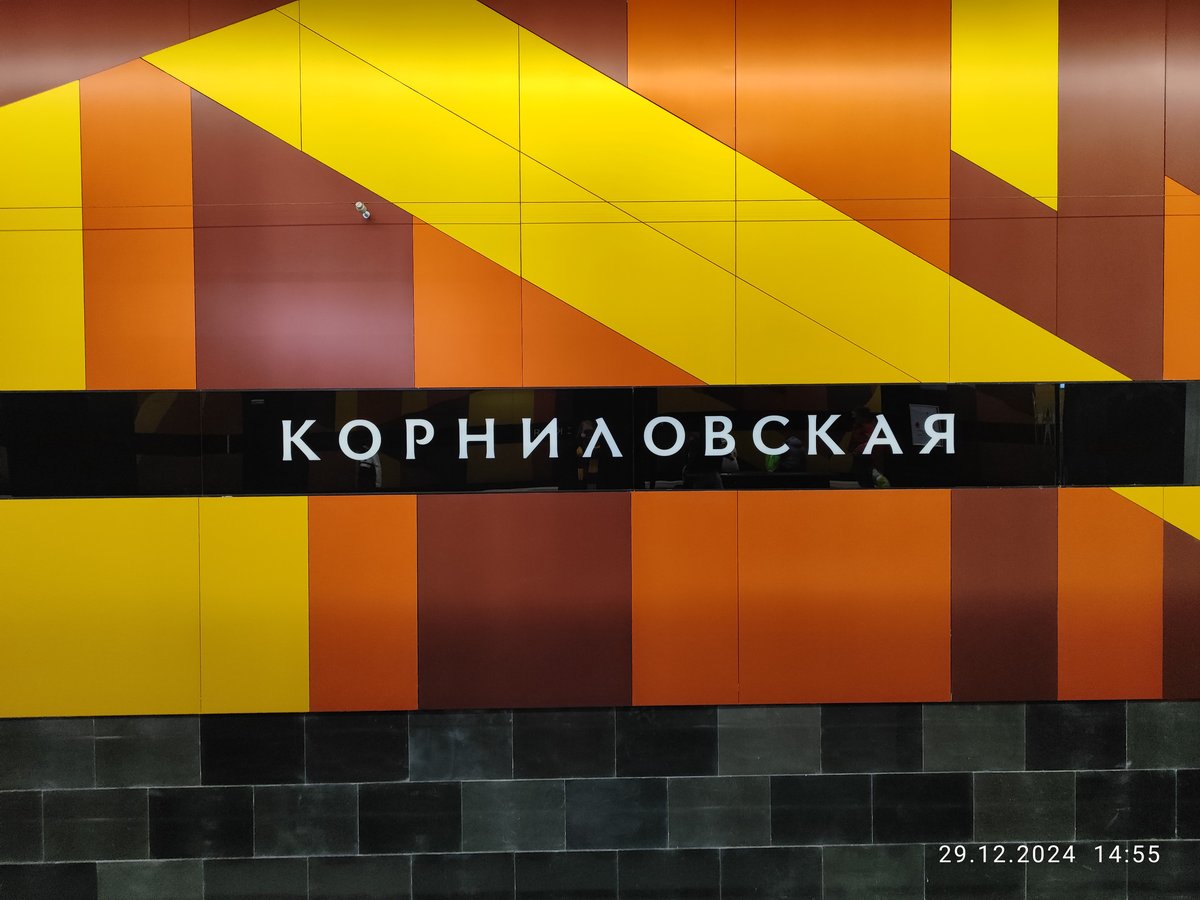
The district’s profile has grown since the Kornilovskaya Metro station was inaugurated in December 2024. The station honors Admiral Kornilov and connects the area with Moscow’s expanding southwest (Wikipedia; World of History).
History
Kornilovskaya’s history is part of Moscow’s centuries-long growth. The area originated as a riverside settlement in the 12th century, and artisan and merchant settlements like it became part of the expanding city (Express to Russia).
During the Tsarist era, the outskirts developed further. In the Soviet period, communal housing, green spaces, and monuments commemorating revolutionary and wartime milestones shaped the area. Traces of these periods remain in Kornilovskaya’s architecture and culture (Wikipedia: History of Moscow).
The district has continued to change alongside Moscow’s southwestern expansion. The Troitsky and Novomoskovsky Administrative Okrugs have seen rapid population and infrastructure growth since 2012, and the Troitskaya line connects these newer districts with the city core (World of History).
What to see and do
Kornilovskaya’s local sights and spaces include:
- Historic churches Russian Orthodox sites, including 19th-century churches, with centuries-old architecture.
- Memorials and monuments Commemorations of WWII and Soviet heroes, as well as revolutionary and wartime milestones.
- Parks and gardens Green spaces for communal relaxation, festivals, and outdoor activities.
- Architecture Pre-revolutionary facades, Soviet blocks, and modern developments.
- Cultural venues Theaters, galleries, and cultural centers.
The district also hosts historical walking tours, community festivals, traditional celebrations, and temporary exhibitions in cultural centers. Check local event calendars or tourism websites for schedules. Several operators offer walking tours focused on history and architecture, including military heritage and Soviet-era architecture.
Seasonal events listed for the area include Maslenitsa, a pancake festival in late winter; Victory Day on May 9, with parades and concerts; Night of Museums, with late-night openings; and Moscow City Day, with citywide events in early September.
Practical visiting information
Opening hours and tickets
- Parks, monuments, and outdoor spaces Generally open daily from dawn to dusk and free to access.
- Museums and cultural venues Typically open from 10:00 AM to 7:00 PM, closed Mondays and major public holidays. Admission fees may apply; check official sources for current prices.
- Top attractions Listed visiting hours are 10:00 AM–7:00 PM; check for special events or closures.
- Guided tours Advance booking is recommended.
- Kornilovskaya Metro station Open daily from 5:30 AM to 1:00 AM. Single rides start at 60 RUB, and Troika cards offer discounts (Moscow Metro Official Site).
The Kornilovskaya Metro station
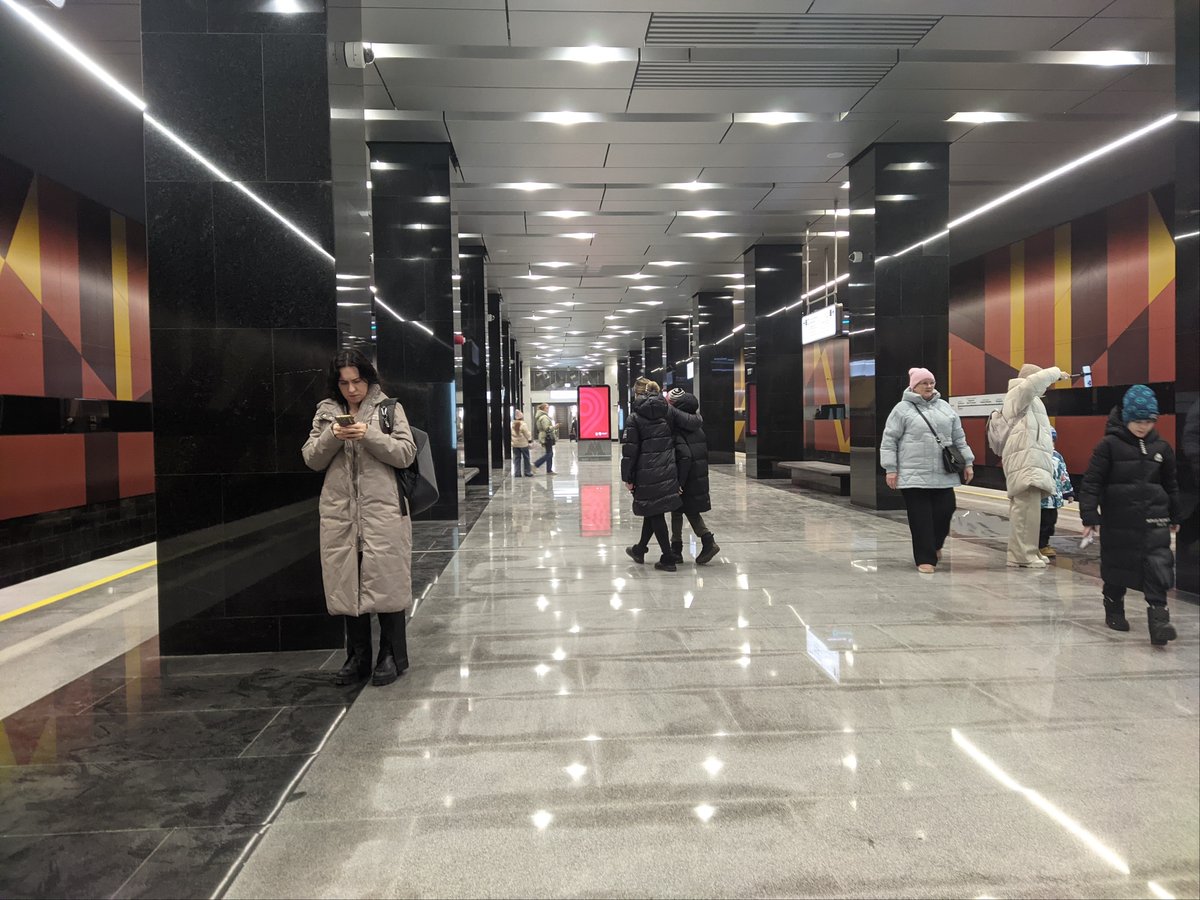
Opened on December 28, 2024, Kornilovskaya station is on the Troitskaya line between Tyutchevskaya and Kommunarka (Wikipedia). Its name honors Admiral Kornilov, reflecting Moscow’s tradition of commemorative place names.
The station is part of the city’s southwest expansion and supports connections between growing districts and central Moscow. Its design emphasizes accessibility, safety, and aesthetic harmony; it may feature motifs related to Admiral Kornilov or the history of the Mamyri area (World of History). The Moscow Metro is among the world’s busiest, serving millions of residents and tourists (Tourism Review).
The station has elevators, tactile paving, and clear signage. Its visitor services include modern security, English-language assistance, and real-time transit information. It also supports neighborhood growth, local businesses, and residential and commercial development (World of History).
Getting around and accessibility
Kornilovskaya is served by the Moscow Metro and city buses. Travelers arriving by air can use Aeroexpress trains from Moscow’s four airports to connect with the metro system. Yandex.Taxi and Citymobil are available; public transit is often quicker because of city traffic.
Bilingual signage helps with navigation, and pedestrian areas are generally safe. Streets and public spaces often have ramps and tactile paving, although some historic buildings may have limited accessibility. Many public spaces are accessible, but check with specific venues for details.
Local services and safety
Accommodation options range from hostels to mid-range hotels. Dining includes Russian and international cuisine; budget 500–1,500 RUB per meal. Pharmacies, supermarkets, and ATMs are available; carry some cash. Cafes and public spaces offer free Wi-Fi.
The area is described as having low violent crime, but visitors should be cautious of pickpockets. Wear modest clothing in religious sites and use formal greetings. Use official taxis and avoid hailing one on the street.
Climate
- Winter -10°C to -5°C; dress warmly.
- Summer 22–25°C.
- Suggested visiting periods Spring through autumn for good weather and events; spring and early autumn for pleasant weather and fewer crowds.
Tips
- Wear comfortable footwear.
- Check current schedules for public transport and events.
- Consult official Moscow tourism sites and local resources for current opening hours, event schedules, and transit information.
- Consider the Audiala app for guided audio tours, real-time transit updates, and historical insights (Audiala).
- Obtain a Russian visa in advance.
- The currency is RUB; ATMs are widely available.
- For emergencies, dial 112.
- Drink bottled water.
- Respect local customs, support local initiatives, and explore lesser-known sites to help preserve the area’s heritage and support the community (TravelSetu).
Nearby places
The district has metro access to the Kremlin, Red Square, and the Tretyakov Gallery (Go Kite Tours). Kornilovskaya station also provides access to Kommunarka, central Moscow, and key landmarks (The Broke Backpacker).
FAQ
Is there an entrance fee to visit Kornilovskaya?
Most outdoor areas are free; some museums may charge admission.
What is the best way to reach Kornilovskaya?
Take the Moscow Metro or city buses, and check current schedules.
Are guided tours available?
Yes. Several operators offer walking tours focused on history and architecture.
When is the best time to visit?
Spring through autumn offers good weather and events.
Is the area accessible for people with disabilities?
Public transport and many public spaces are accessible, but some historic buildings may have limitations. Check with specific venues for details.