
Historical Background and Significance
Origins and Context
During the Soviet era, Moscow’s streets and squares were adorned with statues of Lenin, Stalin, Marx, and other ideological icons, intended to embody socialist values. The late 1980s and early 1990s brought seismic political change, culminating in the removal of these monuments as Russia confronted its totalitarian legacy. Rather than destroy them, city authorities relocated many statues to a site near Krymsky Val, where they lay toppled—symbolically “fallen.”
In 1992, Muzeon Park of Arts was officially established. The park’s collection quickly grew, with sculptures organized into thematic areas including the “Avenue of Leaders,” a World War II memorial zone, and areas for contemporary and experimental works. Over time, the park has evolved from a Soviet monument “graveyard” into a dynamic public space for art and dialogue.
Cultural and Political Importance
Muzeon Park invites visitors to engage with difficult questions of history and memory. Its preservation of controversial monuments and integration of contemporary works fosters open dialogue about Russia’s evolving identity. The park’s ambivalent presentation—where statues stand upright but not on their original pedestals—reflects a commitment to recontextualization rather than erasure.
The site has also gained international recognition, inspiring representations in popular culture such as the James Bond film “GoldenEye.” Importantly, Muzeon Park remains a living archive, hosting new installations and events that keep the conversation about Russia’s past and future alive.
Visiting Hours, Tickets, and Access
- Opening Hours Generally open daily from 10:00 AM to 10:00 PM, with extended hours in the summer. Some sources note 24/7 access, but visiting during daylight is recommended for safety and full enjoyment (park-gorkogo.ru).
- Admission Entry to the park is free. Certain special exhibitions or guided tours may require a paid ticket, which can be purchased on-site or via the official website.
- Getting There
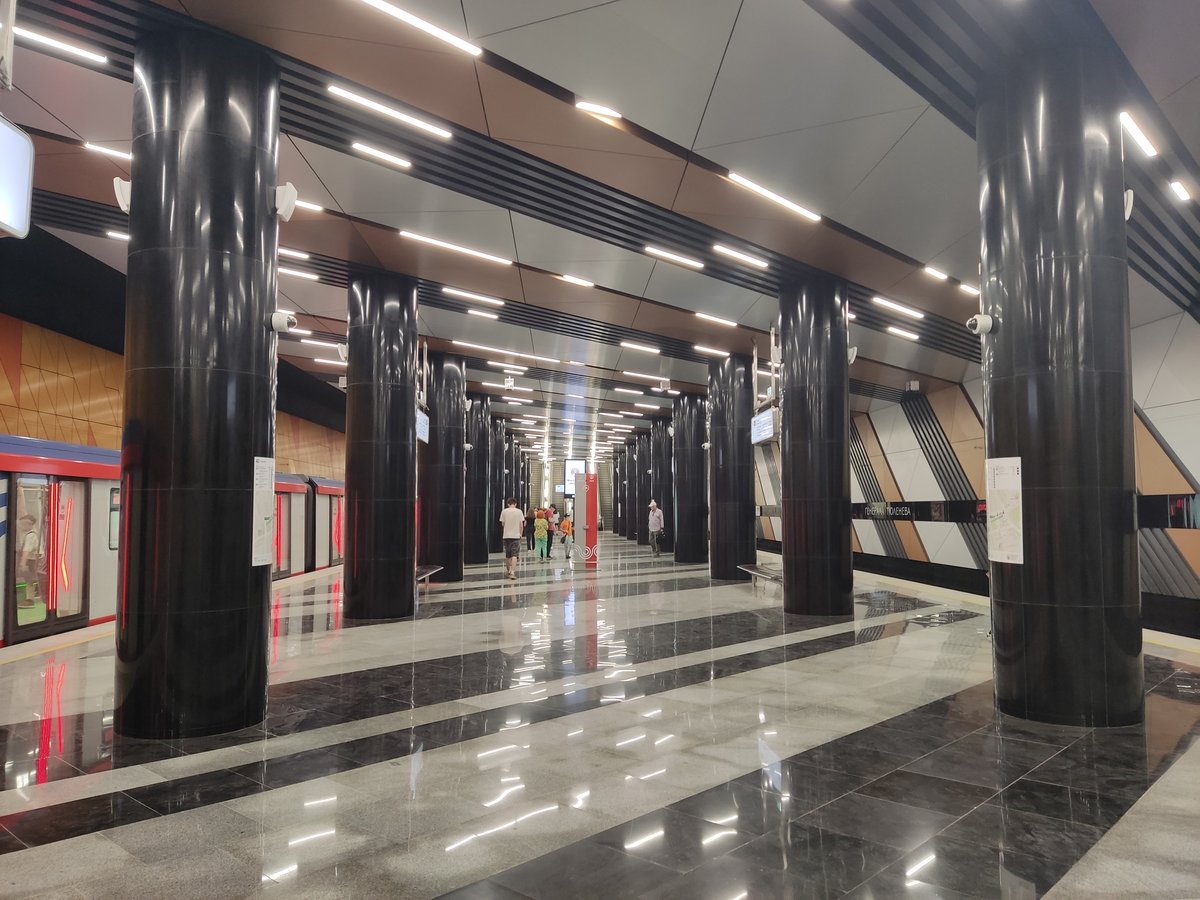
- Metro Park Kultury (Circle and Sokolnicheskaya Lines) and Oktyabrskaya (Circle and Kaluzhsko-Rizhskaya Lines) stations are within a 10–15 minute walk.
- Public Transport Numerous bus and tram routes serve the area.
- On Foot/Bike The park connects seamlessly with Gorky Park and the New Tretyakov Gallery, making it ideal for a scenic walk or ride.
- Accessibility The park features wide, paved paths, ramps, and accessible facilities, making it suitable for wheelchair users and families with strollers.
Park Layout and Thematic Zones
Muzeon Park’s layout blends open lawns, tree-lined walkways, and curated sculpture gardens, divided into several distinct areas:
- Soviet Sculpture Zone The heart of the collection, featuring statues of Lenin, Stalin, Dzerzhinsky, Marx, and countless lesser-known Soviet figures.
- Contemporary Art Section Rotating and permanent installations by Russian and international artists.
- Family and Leisure Areas Grassy lawns, creative playgrounds, and outdoor cafes foster a relaxed atmosphere.
- Riverside Promenade Offers panoramic views of the city and the imposing Peter the Great monument.
Most sculptures are accompanied by informational plaques in Russian and English, providing historical and artistic context (Liden & Denz).
Key Attractions and Artistic Highlights
Soviet-Era Statues
After the USSR’s collapse, hundreds of Soviet monuments were relocated here, transforming Muzeon into a living museum of Soviet history. Notable works include multiple Lenins, various Stalins, and busts of Marx, Engels, and other ideological leaders. The juxtaposition of these monuments with their new, less exalted placement invites critical reflection.
Contemporary and Abstract Art
The park also functions as a hub for contemporary creativity, with sculptures by acclaimed artists like Vera Mukhina, Sergey Merkurov, and Evgeny Vuchetich, as well as younger talents who challenge traditional public art conventions. Seasonal exhibitions and art fairs further enrich the visitor experience.
Peter the Great Monument
Visible from Muzeon’s riverside, Zurab Tsereteli’s monumental Peter the Great statue—standing nearly 100 meters tall—remains a city landmark and popular photo opportunity, despite ongoing debate about its aesthetics and placement (Liden & Denz).
Family-Friendly and Recreational Features
The park offers playgrounds, open-air cafes, free Wi-Fi, and in warmer months, an outdoor summer cinema. The Crimean Embankment features cycling paths, rollerblading zones, and interactive fountains, catering to families and active visitors (4traveler.me).
Visitor Amenities and Accessibility
- Restrooms and Drinking Fountains Located throughout the park.
- Souvenir Shops and Bookstalls Near the main entrances.
- Signage Bilingual (Russian and English) for easy navigation.
- Wheelchair Rentals and Assistance Available at the main entrance.
- Security Regular patrols and well-lit paths ensure a safe environment.
Travel Tips and Nearby Sights
- Best Time to Visit Spring through early autumn offers the most vibrant atmosphere and comfortable weather.
- Photography Golden hour provides dramatic lighting for the sculptures and riverside views.
- Guided Tours Available in several languages; booking in advance is recommended for deeper insights into the park’s history and art.
- Nearby Attractions
- Gorky Park Renowned for cultural events and recreation.
- New Tretyakov Gallery Russia’s leading museum for modern art.
- Garage Museum of Contemporary Art Modern exhibitions within easy reach.
- Kremlin and Red Square Accessible via a short metro ride.
Frequently Asked Questions (FAQ)
Q: What are Muzeon Park’s visiting hours?
A: The park is open daily, typically from 10:00 AM to 10:00 PM, with possible 24/7 access.
Q: Is there an entry fee?
A: No, admission is free. Some exhibitions or tours may require tickets.
Q: Are guided tours available?
A: Yes, in multiple languages. Book on-site or via the official website.
Q: Is Muzeon Park wheelchair accessible?
A: Yes, with flat, wide paths and accessible amenities.
Q: How do I reach the park by metro?
A: Use Park Kultury or Oktyabrskaya stations; both are a short walk from the park.
Q: Are pets allowed?
A: Yes, but pets should be kept on a leash.
Q: Can I bring a bicycle or skateboard?
A: Yes, there are designated lanes for cyclists and skateboarders.
Discover More
Muzeon Park of Arts—Fallen Monument Park—stands as a living archive and vibrant cultural hub, uniquely blending Russia’s Soviet legacy with modern artistic expression. Its accessible layout, free admission, and dynamic programming make it a destination for history enthusiasts, art lovers, families, and casual visitors alike. Whether you’re seeking a reflective journey through Russia’s past or a space for leisure and community, Muzeon Park promises a rewarding experience.
Plan your visit today by exploring the official Muzeon Park website, download the Audiala app for curated tours and real-time updates, and share your experiences on social media to join the conversation about Moscow’s evolving cultural landscape.