
Early Origins and Strastnaya Square
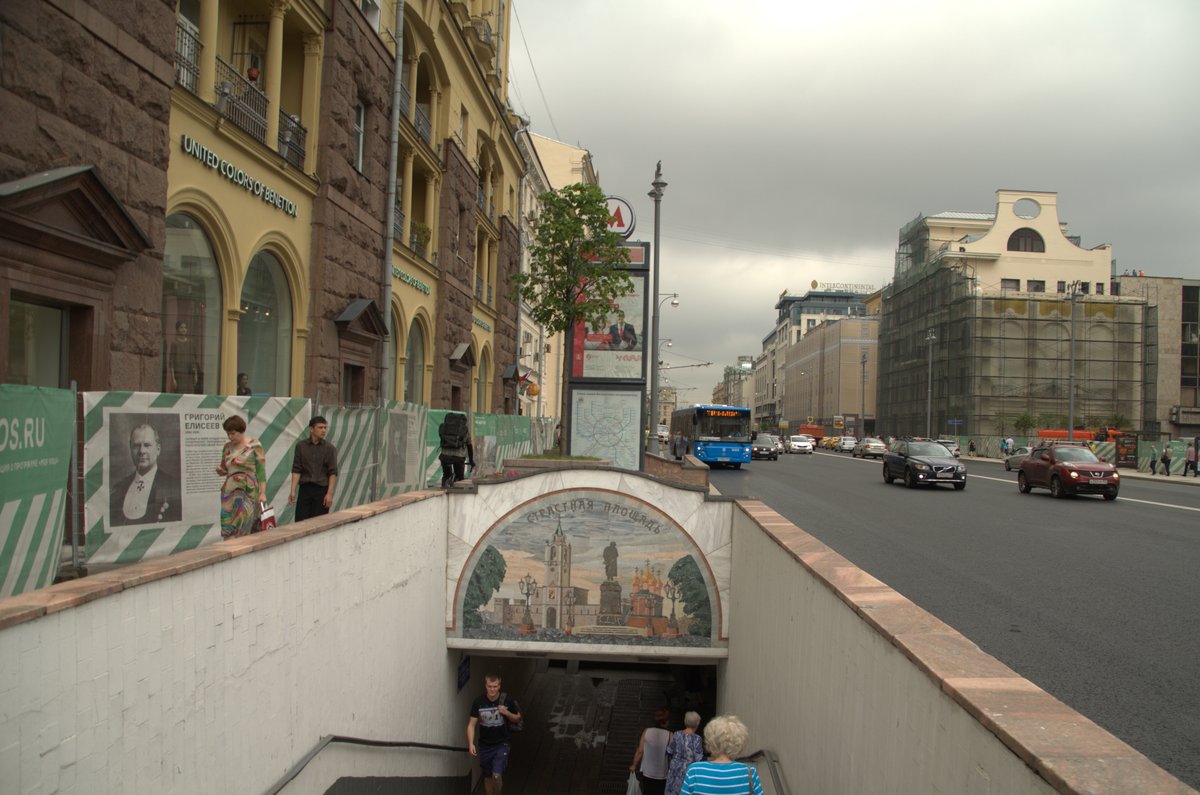
Pushkinskaya Square traces its roots back to the 17th century as Strastnaya Square, named for the Strastnoy (Passion) Monastery, a prominent spiritual and architectural presence until its demolition in the 1930s. In the 18th and 19th centuries, the square became a bustling social and commercial crossroads, home to aristocratic mansions and a lively marketplace. Horse-drawn railways and early trams later increased its accessibility, laying the groundwork for its central role in Moscow’s urban life.
The Monument to Alexander Pushkin
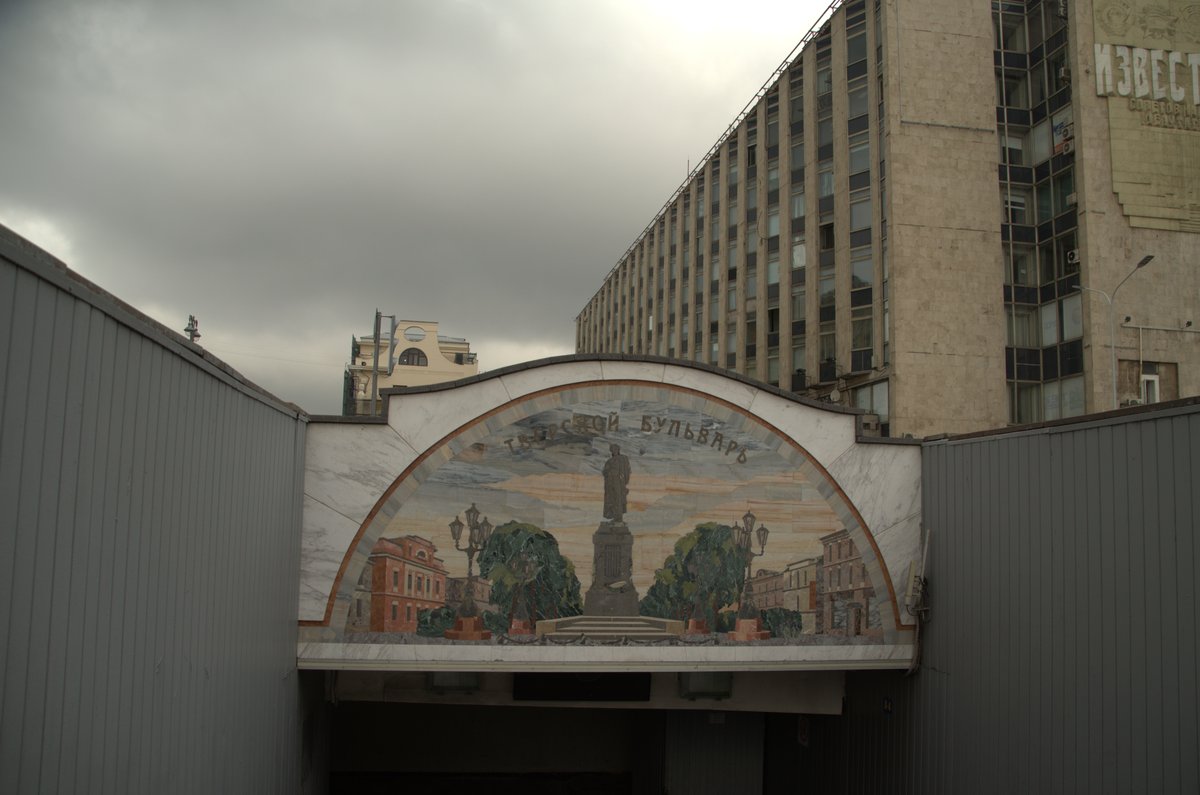
The heart of Pushkinskaya Square is the Monument to Alexander Sergeyevich Pushkin, Russia’s most revered poet. Sculpted by Alexander Opekushin and unveiled in 1880 with the support of literary giants like Ivan Turgenev and Fyodor Dostoyevsky, the bronze statue quickly became a symbol of Russian literary pride (HelloTravel). In 1937, the square was renamed in Pushkin’s honor, and the statue was relocated in 1950 to its current location, further reinforcing the square’s cultural significance.
Soviet Transformations and Urban Development
The Soviet era brought dramatic changes: the Strastnoy Monastery was demolished, making way for modern developments like the Rossiya Theatre (built in 1961), which became a prominent venue for the Moscow International Film Festival. The square also hosted May Day parades and state celebrations, blending its social and civic functions.
Political Significance and Protest Movements
Pushkinskaya Square has long been a stage for political expression. It was the site of the 1965 Glasnost Meeting—the Soviet Union’s first spontaneous public demonstration after WWII. In recent decades, the square has continued to serve as a platform for civic engagement, including the 2011 protests against electoral fraud (HelloTravel).
Cultural Landmarks and Modernization
Surrounding the square are major institutions such as the Moscow Museum of Modern Art, the Bolshoi Theatre, and the Rossiya Theatre. The opening of the first McDonald’s in the Soviet Union here in 1990 marked a cultural turning point. Direct access to the city’s principal boulevards and shopping streets makes it a prime destination for both culture and commerce (ArchDaily).
Architectural Evolution and Urban Life
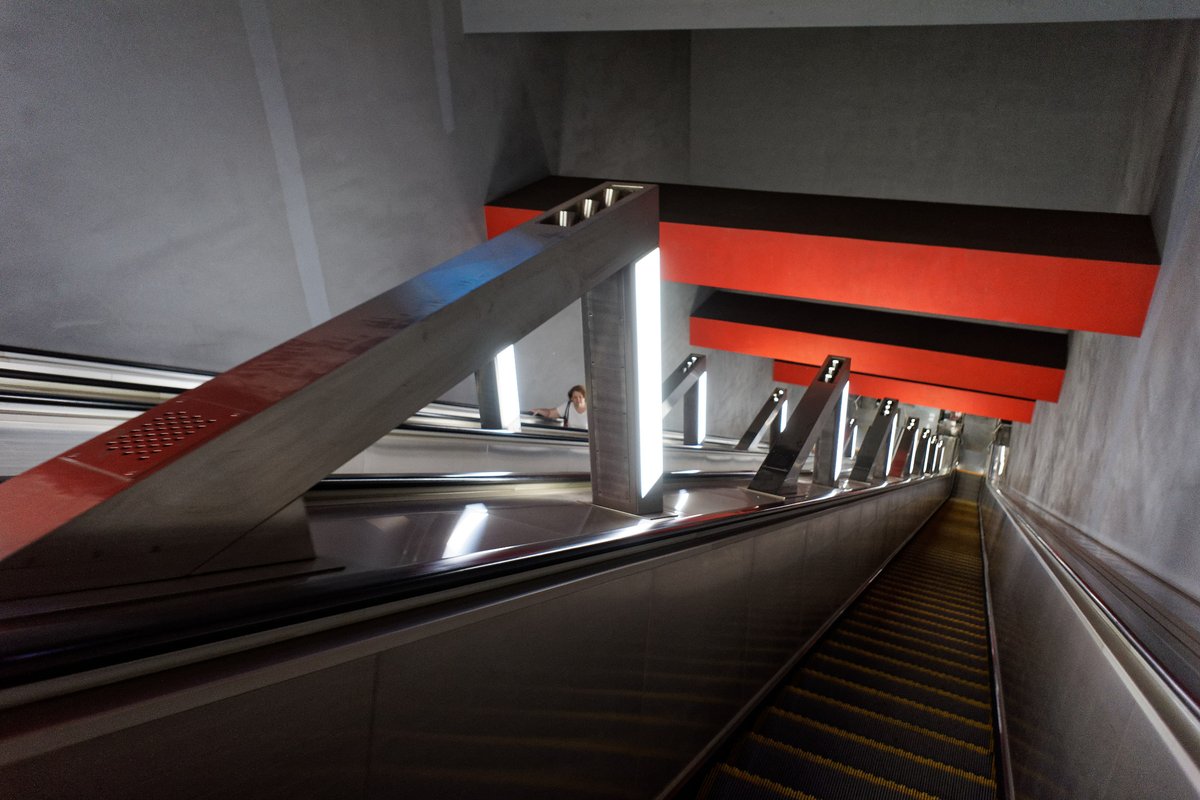
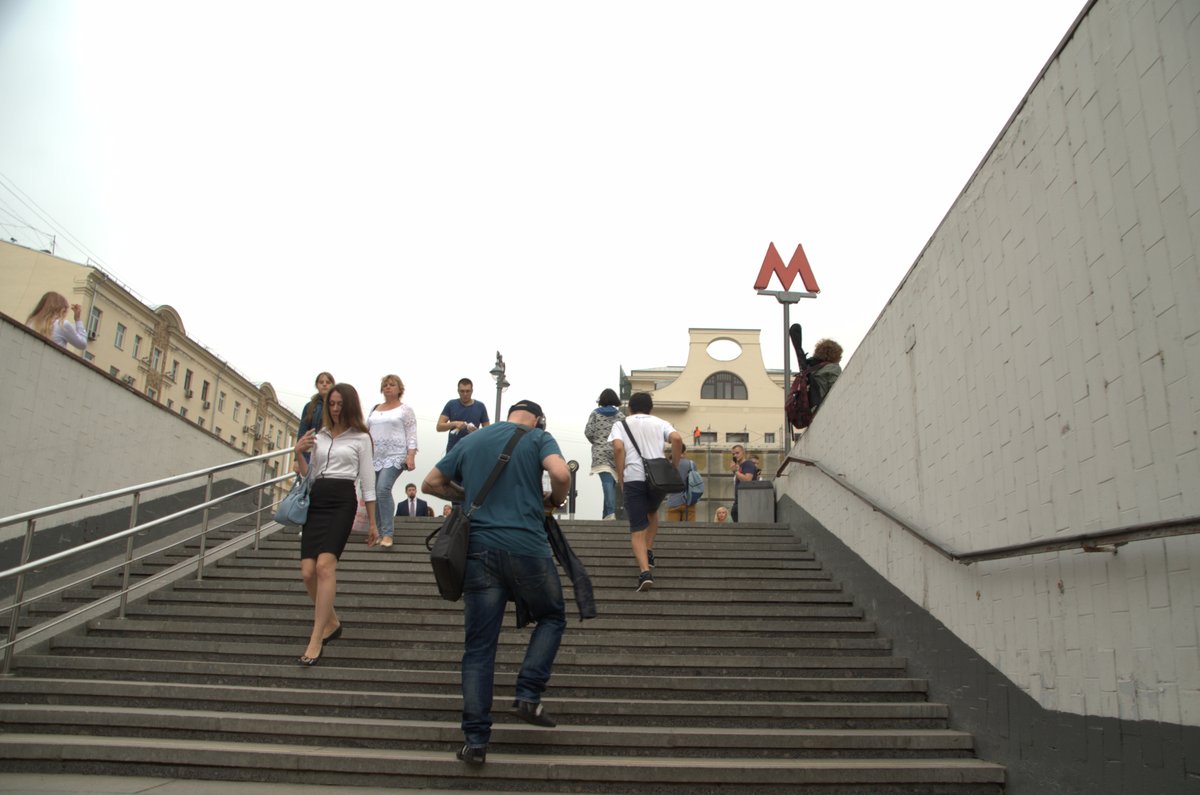
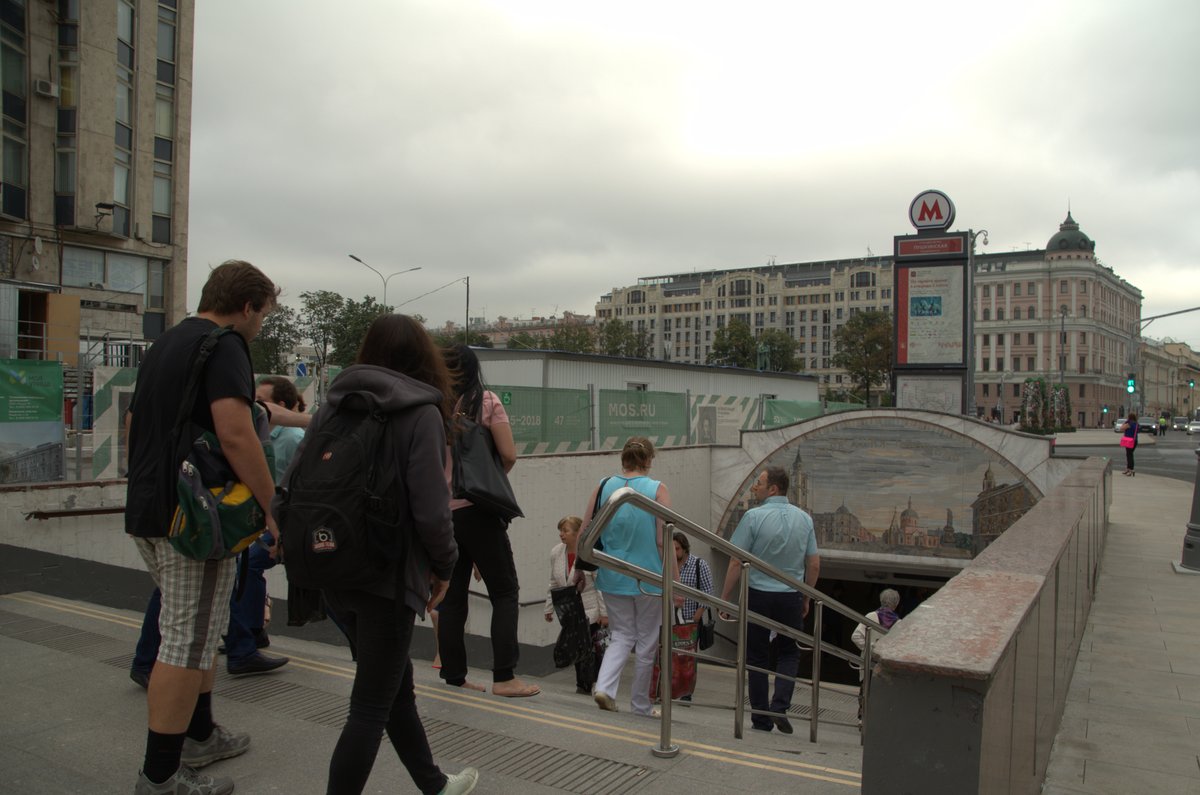
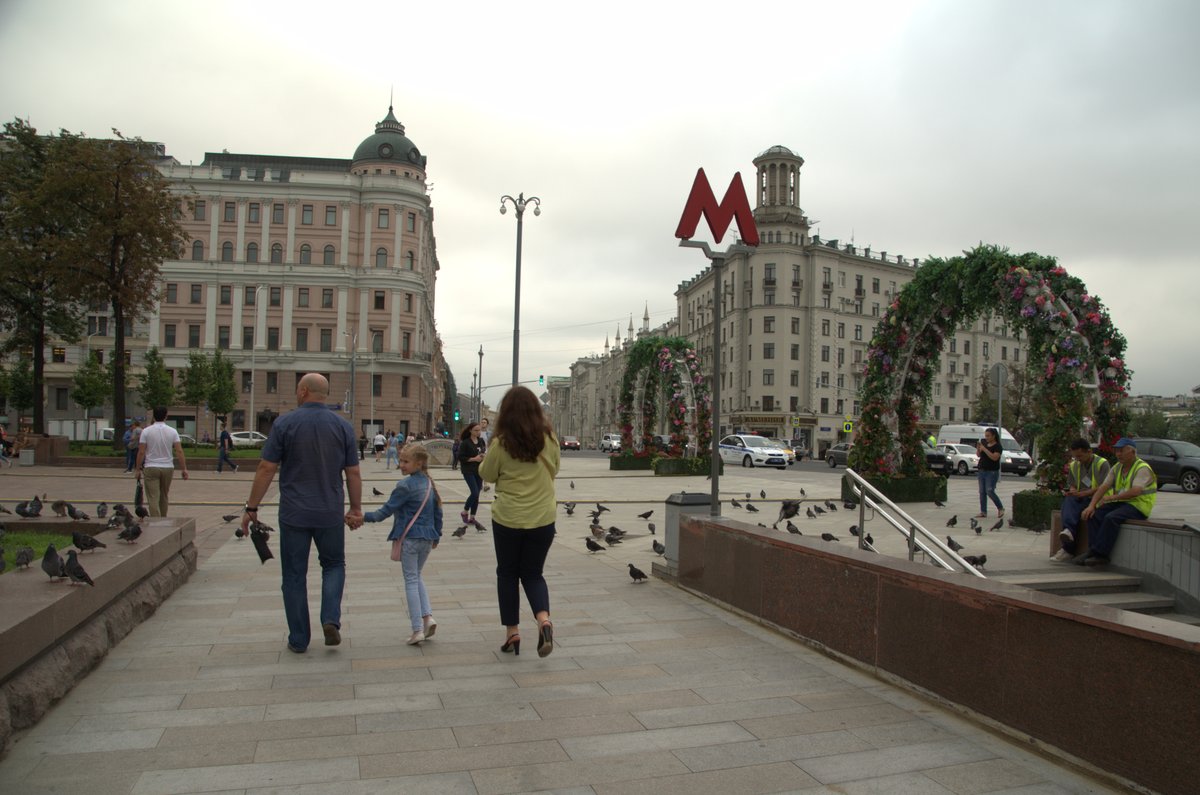
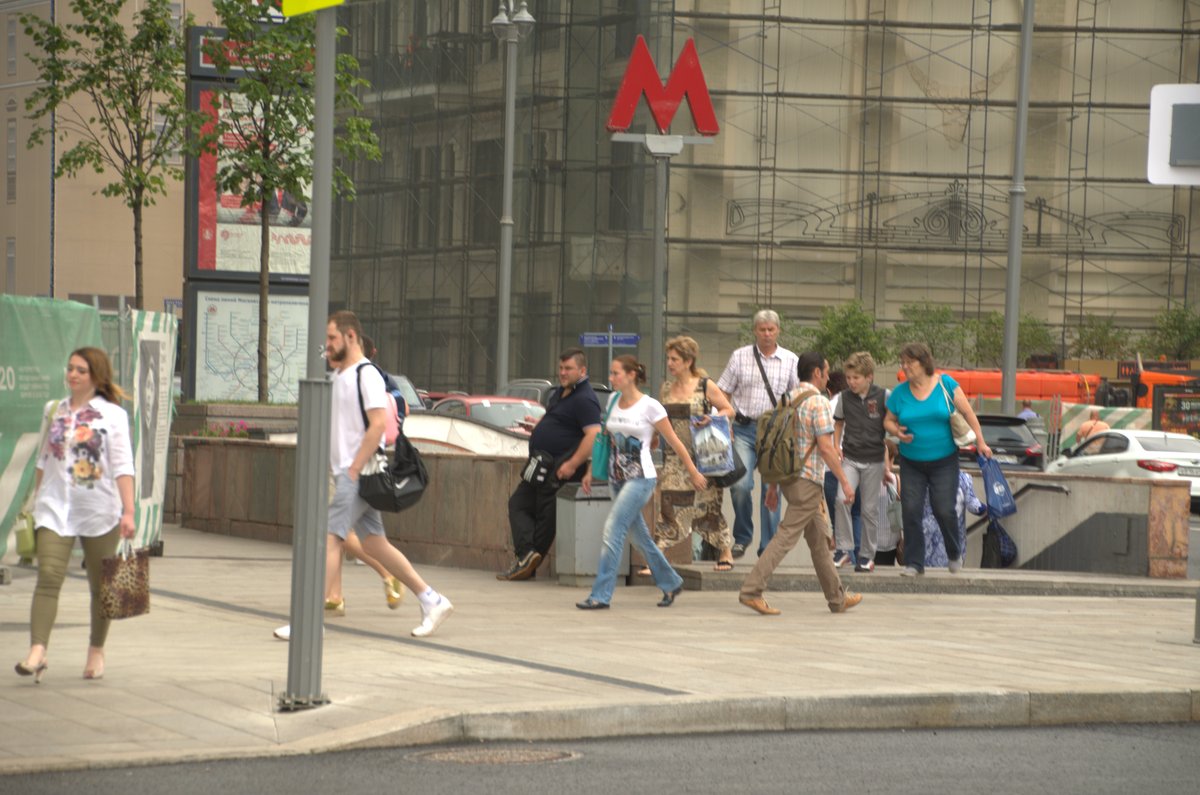
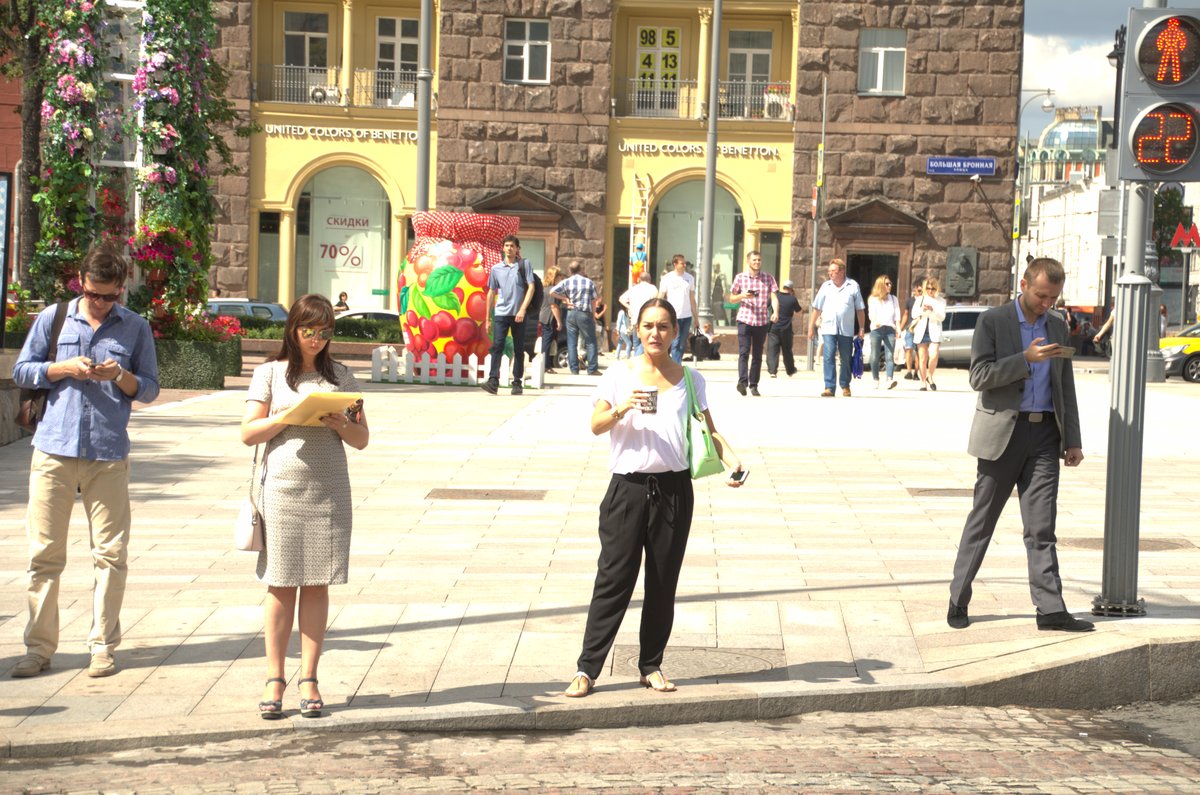
While some historic buildings were lost to Soviet redevelopment, Pushkinskaya Square remains a central gathering place. Recent city initiatives like the “My Street” program have revitalized the area, improving pedestrian amenities and maintaining its appeal as a people-friendly space. The square’s excellent connectivity—served by three metro stations: Pushkinskaya, Tverskaya, and Chekhovskaya—ensures its ongoing role as a key node in Moscow’s urban fabric.
Visitor Information
Visiting Hours
- Open 24/7 Pushkinskaya Square is a public space and accessible at all hours.
- Nearby venues Attractions such as the Pushkin Cinema and theaters typically open from 10:00 AM to 11:00 PM.
Tickets
- No entry fee The square and monument are free to visit.
- Events and venues Tickets may be required for nearby theaters, cinemas, or special events.
Accessibility
- Wheelchair accessible The square and adjacent metro stations are equipped with ramps and elevators.
- Amenities Public seating, restrooms, Wi-Fi, and tourist information centers are available.
Guided Tours
- Options Numerous walking tours, including themed literary and historical routes, feature the square as a highlight. Book through local operators or online.
Photographic Spots
- Pushkin Monument Best photographed at sunrise or sunset.
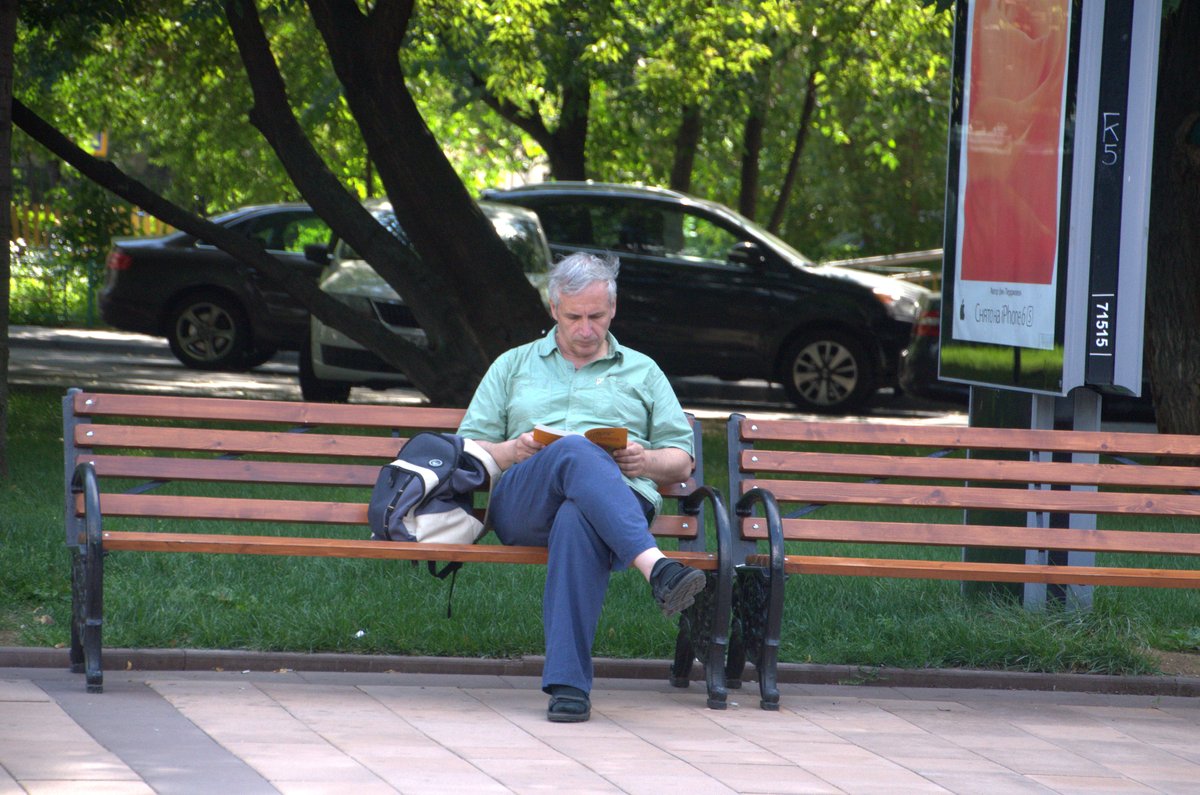
- Historic Backdrops The landscaped gardens and surrounding architecture provide excellent backgrounds.
Nearby Attractions
- Bolshoi Theatre
- Moscow Museum of Modern Art
- Tverskaya Street and Boulevard Ring
- Pushkin Cinema
- Patriarch’s Ponds
- Arbat Street
Practical Tips for Visitors
- Getting There Metro stations Pushkinskaya, Tverskaya, and Chekhovskaya are all within a few minutes' walk (HelloTravel).
- Best Times to Visit Spring and autumn offer mild weather and vibrant colors; major festivals like Maslenitsa and Moscow City Day bring extra excitement (ETS Russia Travel).
- Dining Try local cuisine at nearby restaurants such as Café Pushkin or browse food stalls during festivals (Moscow Pass).
- Shopping Explore boutiques on Tverskaya Street or purchase souvenirs at Izmailovsky Market (We Are Global Travellers).
- Safety The square is generally safe, with a visible police presence. Exercise caution with belongings in crowds (The Broke Backpacker).
- Etiquette Placing flowers at the Pushkin monument is a sign of respect.
FAQ
Q: What are Pushkinskaya Square’s visiting hours?
A: The square is open 24/7.
Q: Is there an entry fee to visit the square or the monument?
A: No, both are free to visit.
Q: How do I get there by metro?
A: Use Pushkinskaya, Tverskaya, or Chekhovskaya metro stations.
Q: Are guided tours available?
A: Yes, many local tour operators offer walking tours that include the square.
Q: When is the best time for events?
A: June 6th (Pushkin’s birthday), Maslenitsa (late winter/early spring), and Moscow City Day (early September) are especially lively (ETS Russia Travel).
Q: Is Pushkinskaya Square wheelchair accessible?
A: Yes, the square and metro stations are accessible.