


Practical Visitor Information
Opening Hours and Tickets
- Opening Hours Tuesday–Sunday, 11:00 AM–7:00 PM (last entry at 6:00 PM); closed Mondays and major public holidays.
- Tickets Standard adult tickets typically range from 250–500 RUB, with discounts for students, seniors, and groups. Children under 16 or 7 (depending on the exhibition) often enter free. Special exhibition fees may apply.
- Purchase Options Tickets can be bought online (Museum’s Official Website; Museum Tickets) or at the museum entrance. Advance booking is encouraged, especially for guided tours and events.
Accessibility and Facilities
The museum prioritizes inclusivity with ramps, elevators, accessible restrooms, tactile tours for visually impaired visitors, sign language interpretation for select events, and multilingual support. Facilities include a lecture hall, café, gift shop, and free Wi-Fi (museum accessibility).
Guided Tours and Special Events
Guided tours are available daily in several languages and should be booked in advance (museum excursions). The museum also hosts lectures, discussion clubs, cultural festivals, and interactive workshops (museum lectures; museum events).
Directions and Nearby Attractions
- Metro Tverskaya Station (5-minute walk), Lubyanka Station, and Mayakovskaya Station all provide convenient access.
- Bus Several lines serve the area.
- By Car Limited on-site parking; paid garages nearby.
- Nearby Sights Bolshoi Theatre, Pushkin Square, Pushkin Museum of Fine Arts, Central Exhibition Hall Manege, and Tverskaya Street.
Photography and Media
Photography without flash is permitted in most areas. The museum encourages sharing experiences on social media, and its website provides virtual tours and multimedia content.
Historical and Architectural Context
The Moscow English Club: Aristocratic Origins
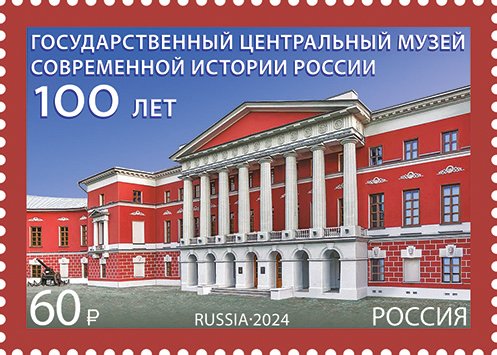
The museum resides in a building constructed between 1902 and 1904 for the Moscow English Club, an elite gathering place for the city’s nobility and intellectuals. Following the 1917 Revolution, the mansion became home to the Museum of the Revolution, with the first exhibition opening in 1922 (sovrhistory.ru; tourirana.ru).
Architectural Features
Roman Ivanovich Klein’s design features a neoclassical façade with Corinthian columns, a portico, and Art Nouveau details. The interior boasts a grand staircase, marble surfaces, frescoes, and wood paneling, blending elegance with historical gravitas (Wikimedia Commons).
Restoration
A major restoration completed in 2015 preserved the mansion’s architectural integrity and upgraded visitor facilities (Russian Ministry of Culture).
Permanent and Temporary Exhibitions
Permanent Collections
The museum’s 26 exhibition halls cover:
- Soviet Era Artifacts Personal belongings of leaders (e.g., Lenin, Gorbachev), propaganda posters, decrees, and everyday life items.
- Political Movements Samizdat literature, protest memorabilia, and election materials.
- War and Conflict Military uniforms, medals, soldiers’ diaries, and wartime multimedia installations.
Temporary and Special Exhibitions
Rotating exhibits examine topics such as Perestroika, the collapse of the USSR, and modern protest movements. International collaborations have included exhibitions with German and US museums and explorations of Jewish life in Soviet Russia.
Exhibition Design
Exhibitions are organized chronologically and thematically, enhanced by digital displays, interactive touchscreens, and virtual reality stations. Notable artifacts include Gorbachev’s desk, the Reichstag flag, and Sakharov’s typewriter.
Educational Programs and Public Engagement
- Guided Tours Thematic excursions are available in multiple languages for all age groups.
- Workshops and Interactive Experiences Poster-making, oral history, archival research, and family-friendly quests (museum workshops).
- School and University Partnerships Curriculum-aligned lessons, research seminars, and internships (museum for schools).
- Public Lectures and Festivals Lectures by historians, monthly debates, and celebrations of national holidays (museum calendar).
- Digital Learning Virtual tours, online lectures, downloadable resources, and active presence on VKontakte, Instagram, and YouTube (museum online; museum VK).
Conservation and Research
The museum houses extensive archives, with personal papers, photographic collections, and audiovisual materials accessible by appointment. Conservation teams ensure the long-term preservation of both the collections and the building’s decorative elements.
Visitor Tips
- Best Time to Visit Weekday mornings or late afternoons for fewer crowds.
- Tour Duration Allocate 2–3 hours to fully explore the museum.
- Language Support Use audio guides if you don’t speak Russian.
- Accessibility Contact the museum in advance for special needs accommodations.
- Souvenirs Visit the gift shop for unique publications and memorabilia.
- Combine Visits Explore nearby historical sites and cultural landmarks.
Frequently Asked Questions (FAQ)
Q: What are the museum’s opening hours?
A: Tuesday–Sunday, 11:00 AM–7:00 PM (or 10:00 AM–6:00 PM for some exhibitions); closed Mondays and major holidays.
Q: How do I buy tickets?
A: Purchase online through the official website or at the museum entrance.
Q: Is the museum accessible?
A: Yes, with ramps, elevators, tactile tours, and staff assistance.
Q: Are guided tours available in English?
A: Yes, tours are offered in English and several other languages.
Q: Can I take photos?
A: Yes, photography is allowed in most areas without flash.
Q: What are some nearby attractions?
A: Bolshoi Theatre, Pushkin Square, Pushkin Museum, and historic Tverskaya Street.
Summary & Recommendations
The State Central Museum of Contemporary Russian History is more than a collection of artifacts—it’s a vibrant cultural hub reflecting Russia’s dramatic transformations. Its rich exhibitions, educational initiatives, and commitment to accessibility make it an essential destination for anyone interested in Russia’s past and present. Plan your visit by checking current hours and ticket options, book guided tours in advance, and explore both the museum and the surrounding historical district. For those unable to attend in person, virtual tours and online resources provide valuable alternatives.
Stay informed by following the museum’s official website and social media channels, and enhance your visit with the Audiala app for curated audio guides and cultural experiences (Tourirana Museum Guide).