Introduction
Marble halls, bronze reliefs, and chandelier light in the Moscow Metro can make a Tuesday commute feel like a state ceremony. In Moscow, Russia, Orthodox domes, Stalinist towers, avant-garde experiments, and sleek new arts venues stand in the same visual sentence, and that contrast is the city's real pulse. For U.S. travelers, one fact comes first: Russia is under a U.S. State Department Level 4 "Do Not Travel" advisory, updated December 29, 2025.
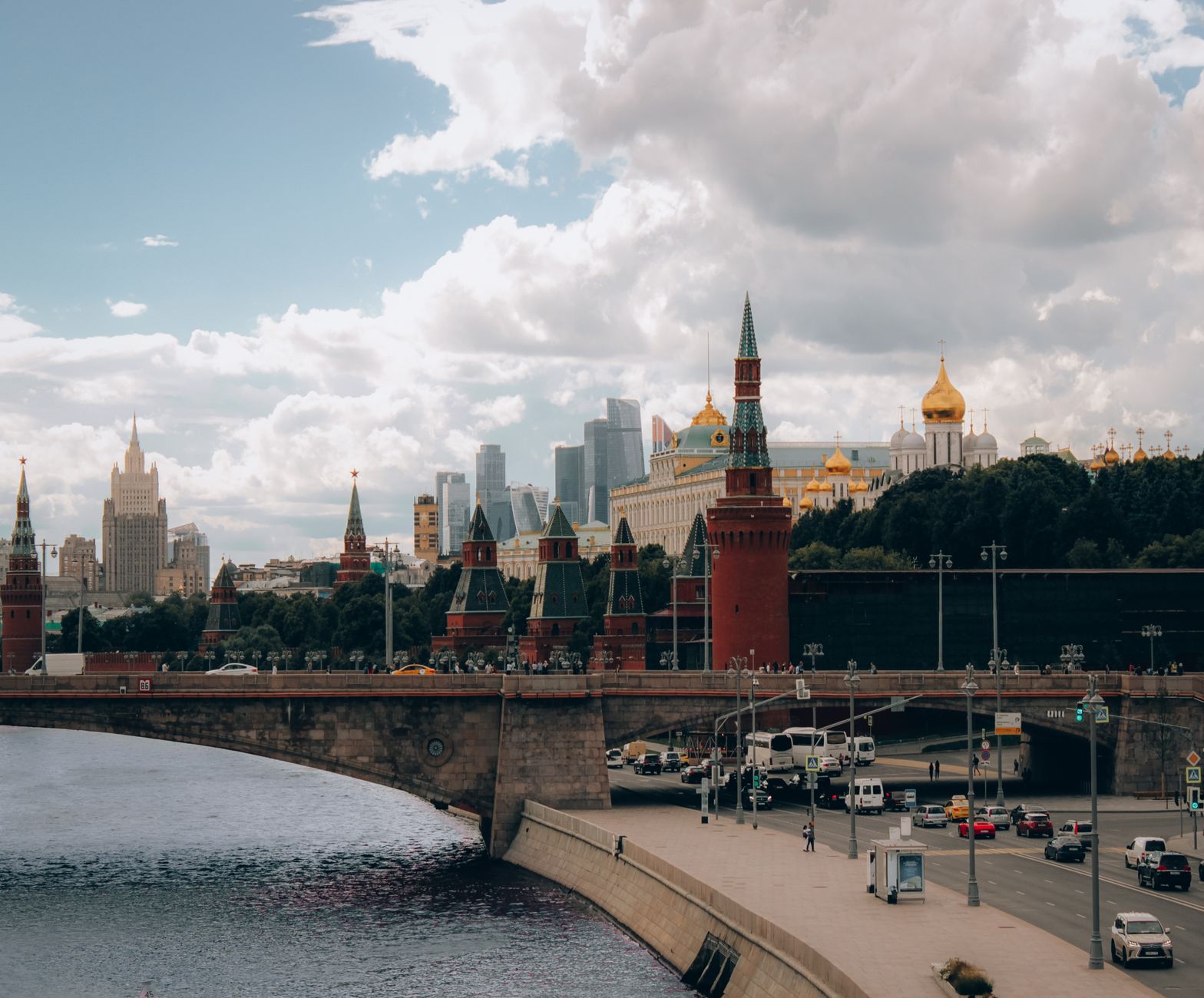
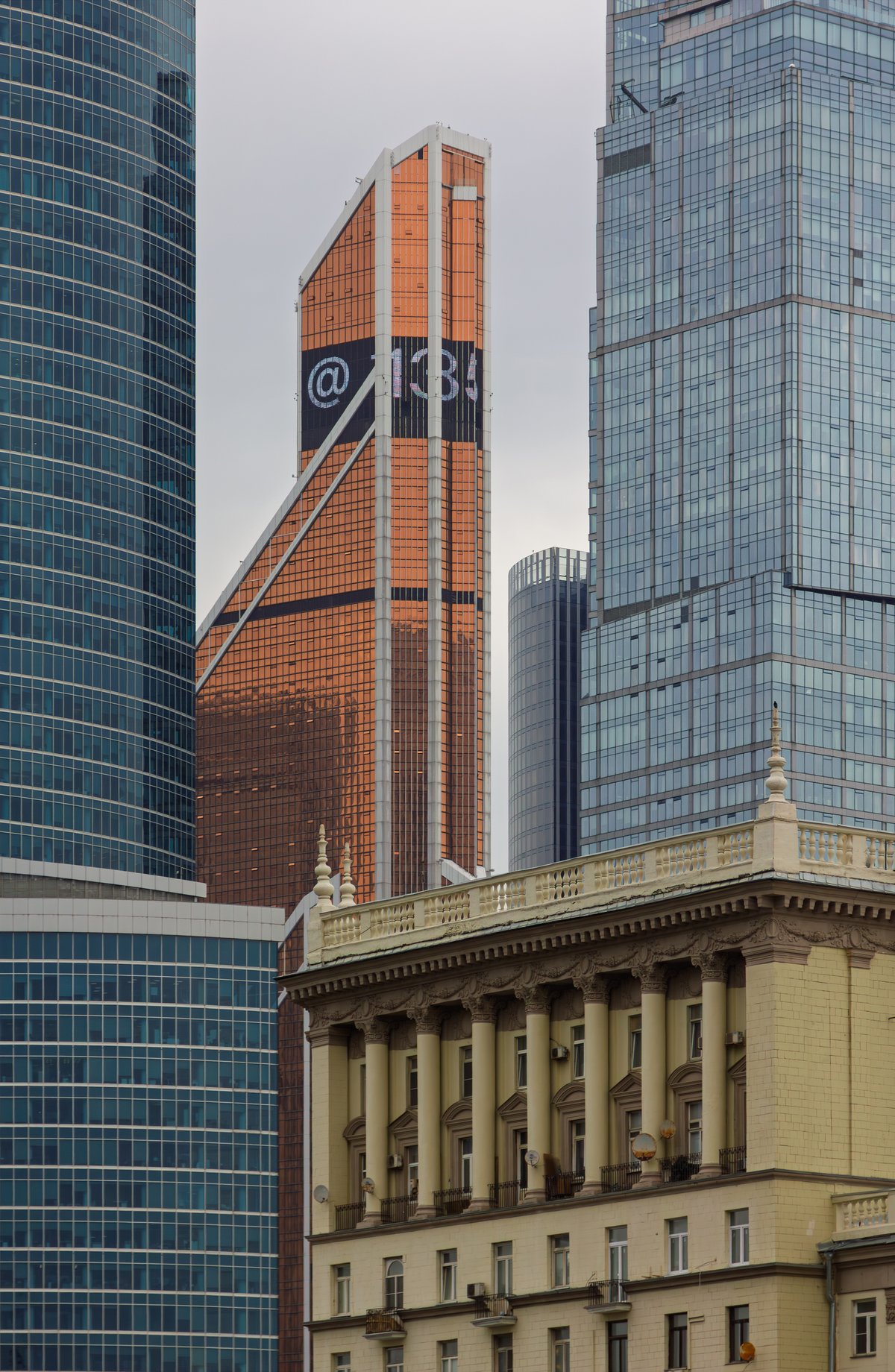
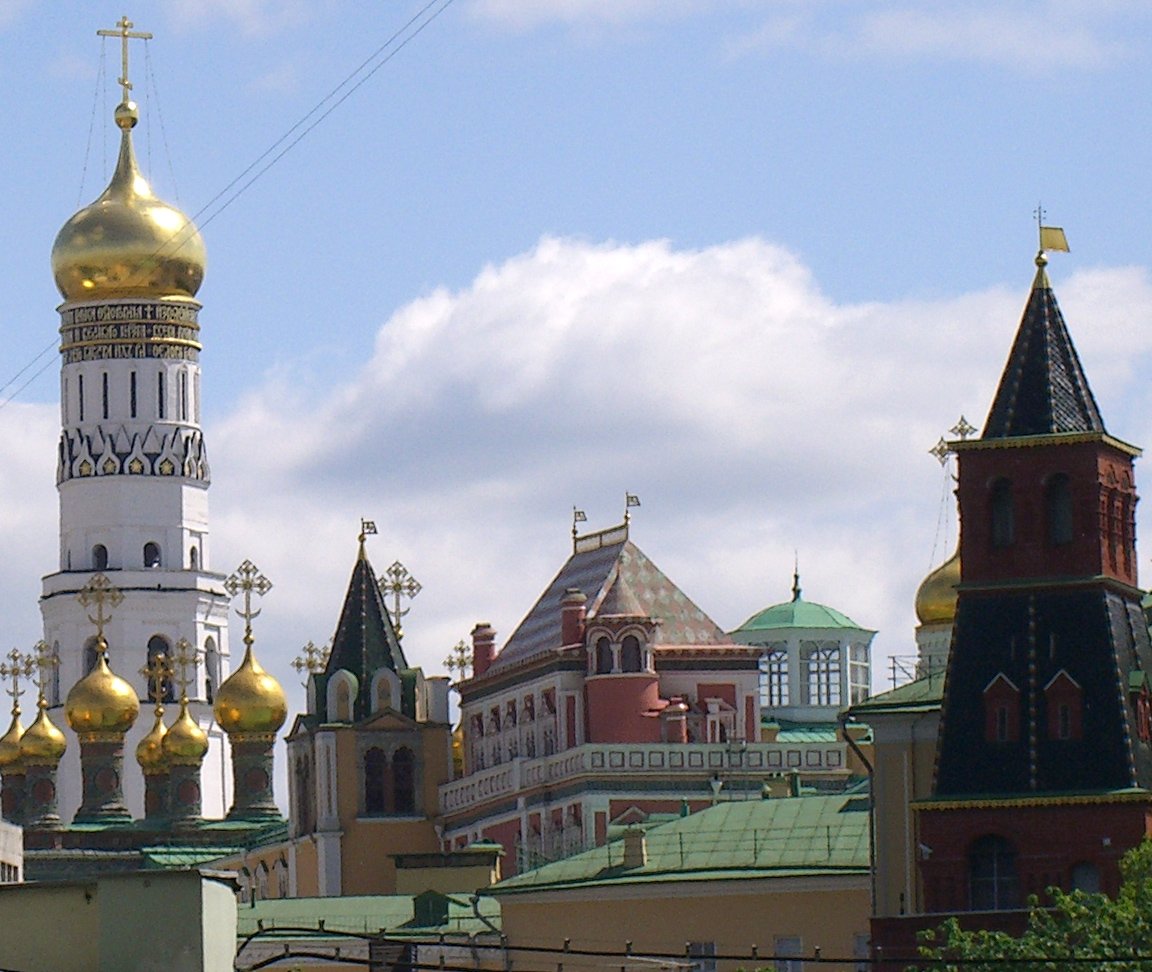
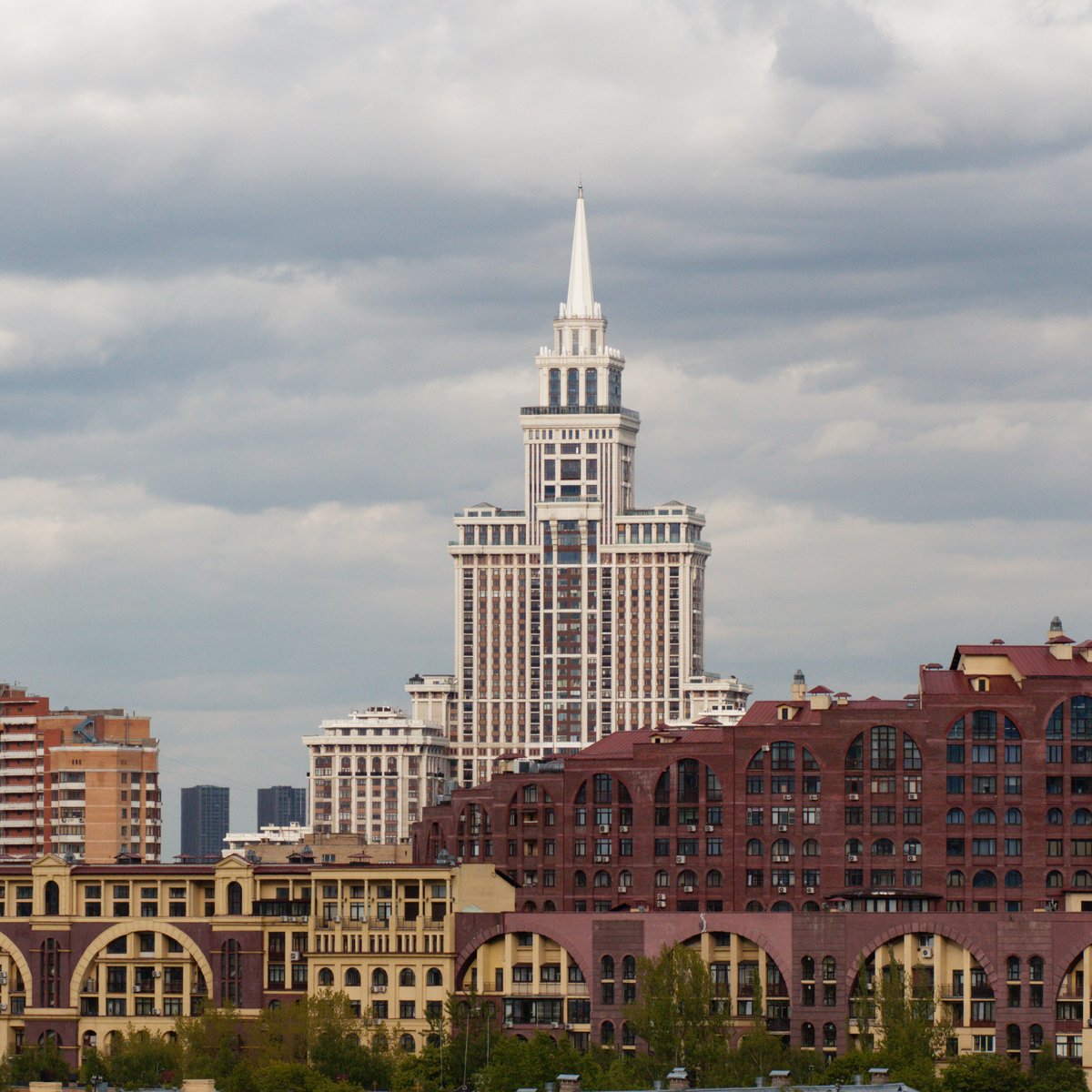
Moscow's historic core is dense with symbols, but it is not frozen. Red Square still delivers the iconic lineup of St. Basil's, GUM, and Kremlin walls, yet a short walk away Zaryadye's Floating Bridge stays open 24/7 and frames the skyline with modern steel and river light. The city works best when you read old and new together, not as separate chapters.
Its cultural map is equally layered: the Tretyakov for the Russian canon, the Pushkin Museum for European masters, Novodevichy Convent for dynastic and religious history, and VDNKh with the Museum of Cosmonautics for Soviet futurist ambition. Even transport is part of the story, since station-hopping the Metro doubles as an architecture tour of mosaics, vaults, and civic theater.
Daily life shifts the mood from monument to neighborhood. Lunch crowds pack Danilovsky and Usachevsky markets, evenings move to jazz clubs, cocktail bars, and late dinners in Patriki or Kitay-Gorod, and contemporary culture spills from GES-2 and Garage into the riverfront streets. Moscow changes your understanding when you stop asking whether it is imperial, Soviet, or modern and notice that it is all three at once, often in the same block.
Places to Visit
The Most Interesting Places in Moscow
Bolshoi Theatre
The Bolshoi Theatre is not only a cornerstone of Russian performing arts but also one of the most iconic cultural landmarks in the world.
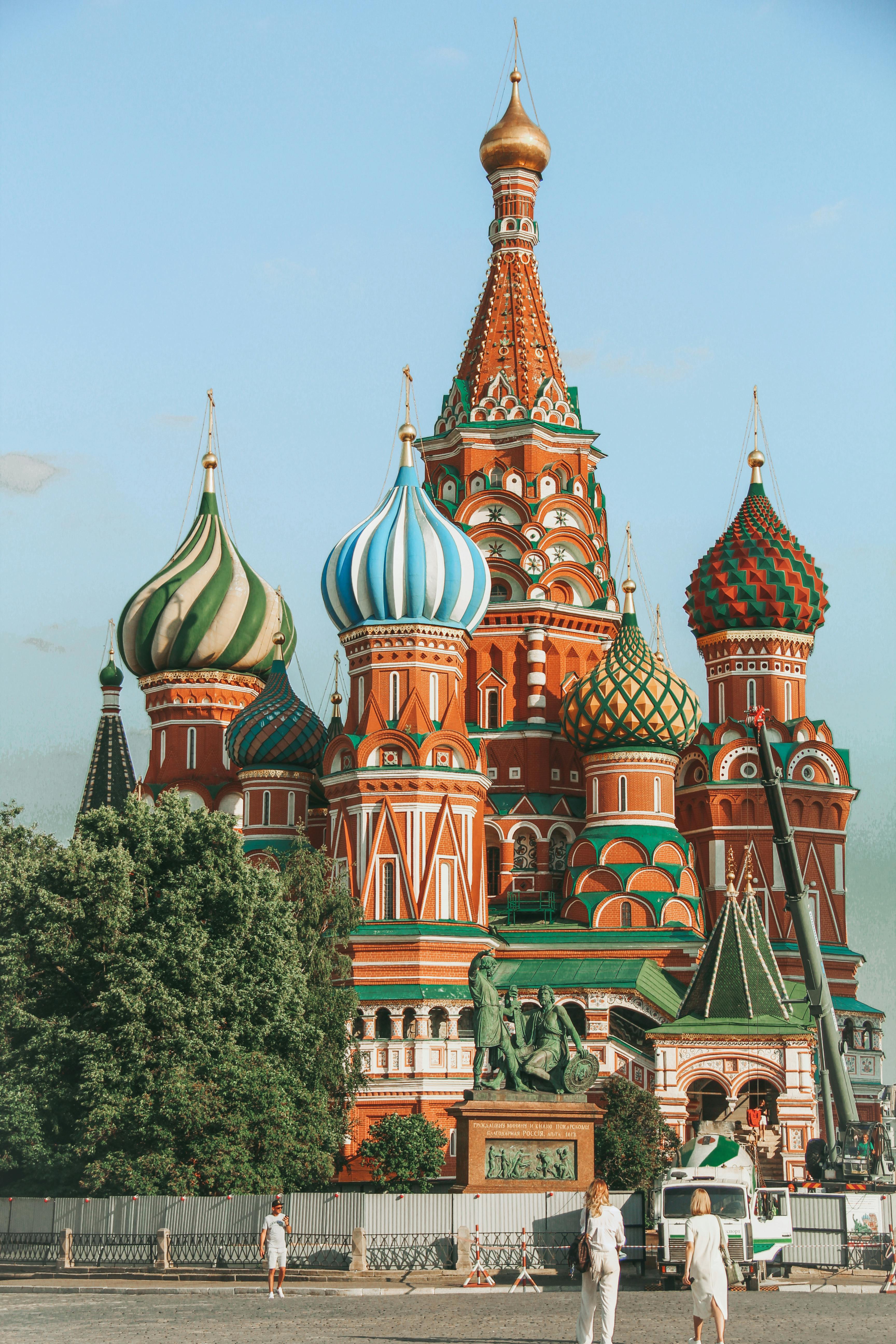
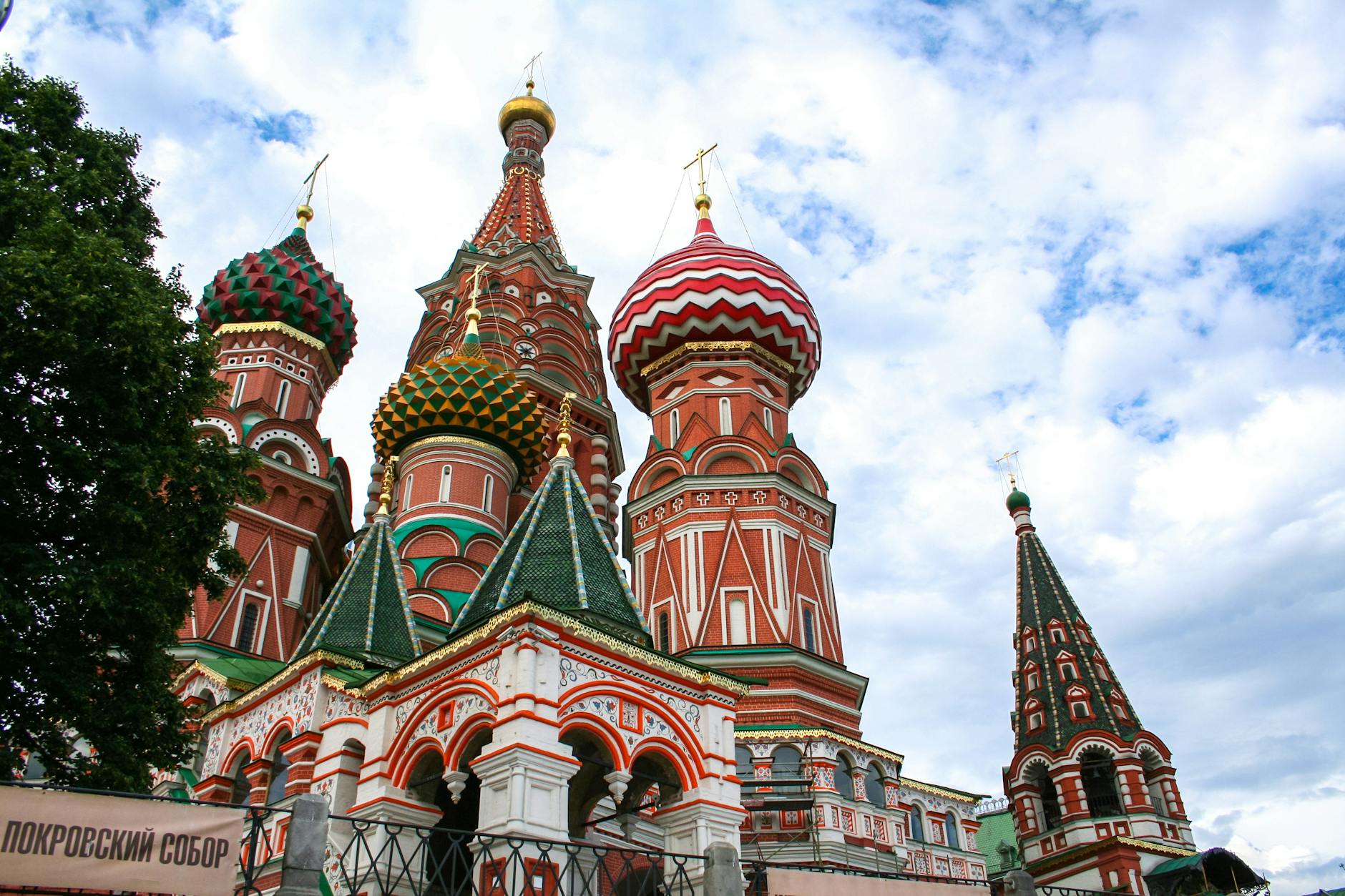
St. Basil'S Cathedral
Not one church but nine, all built on a single foundation between 1555–1561. St. Basil's is Russia's most iconic silhouette — and almost didn't survive Stalin.
Pushkin Museum of Fine Arts
The Pushkin State Museum of Fine Arts in Moscow, Russia, is a beacon of artistic heritage and cultural exchange.
Dormition Cathedral
Nestled within the historic Moscow Kremlin, the Dormition Cathedral, also known as the Assumption Cathedral or Uspensky Sobor, stands as a monumental emblem…
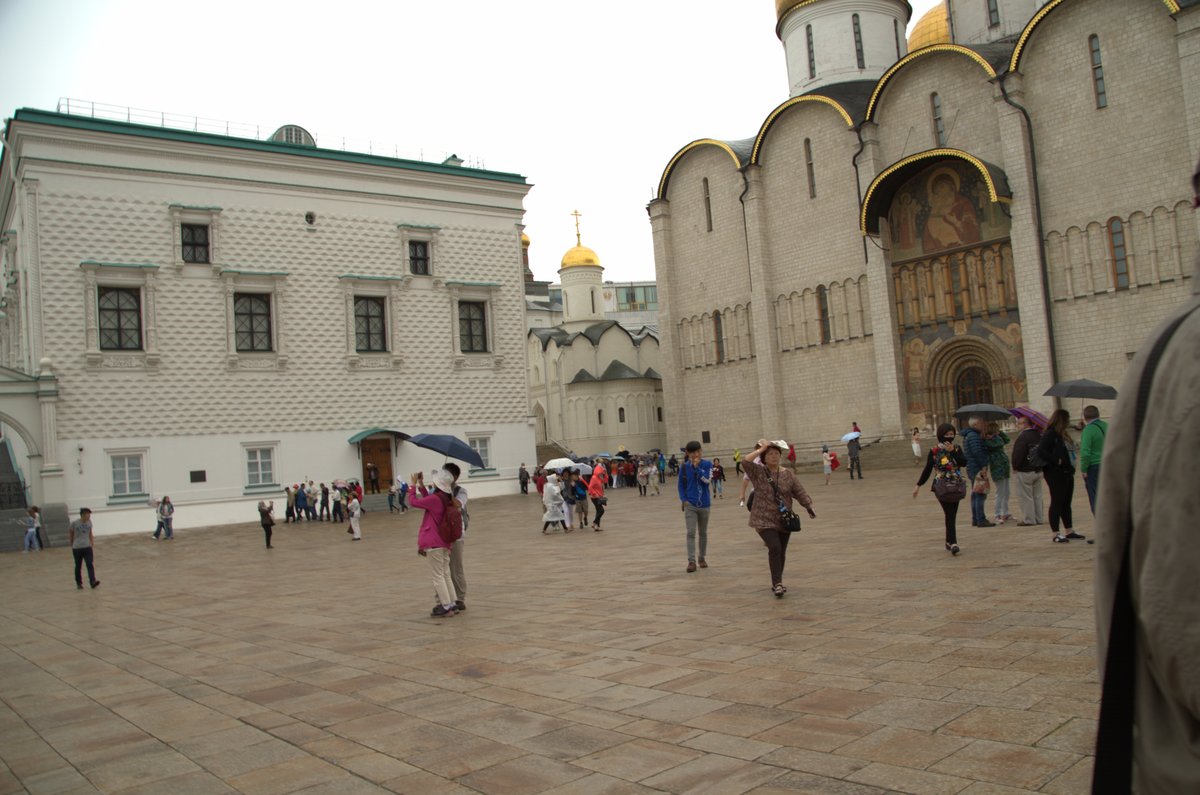
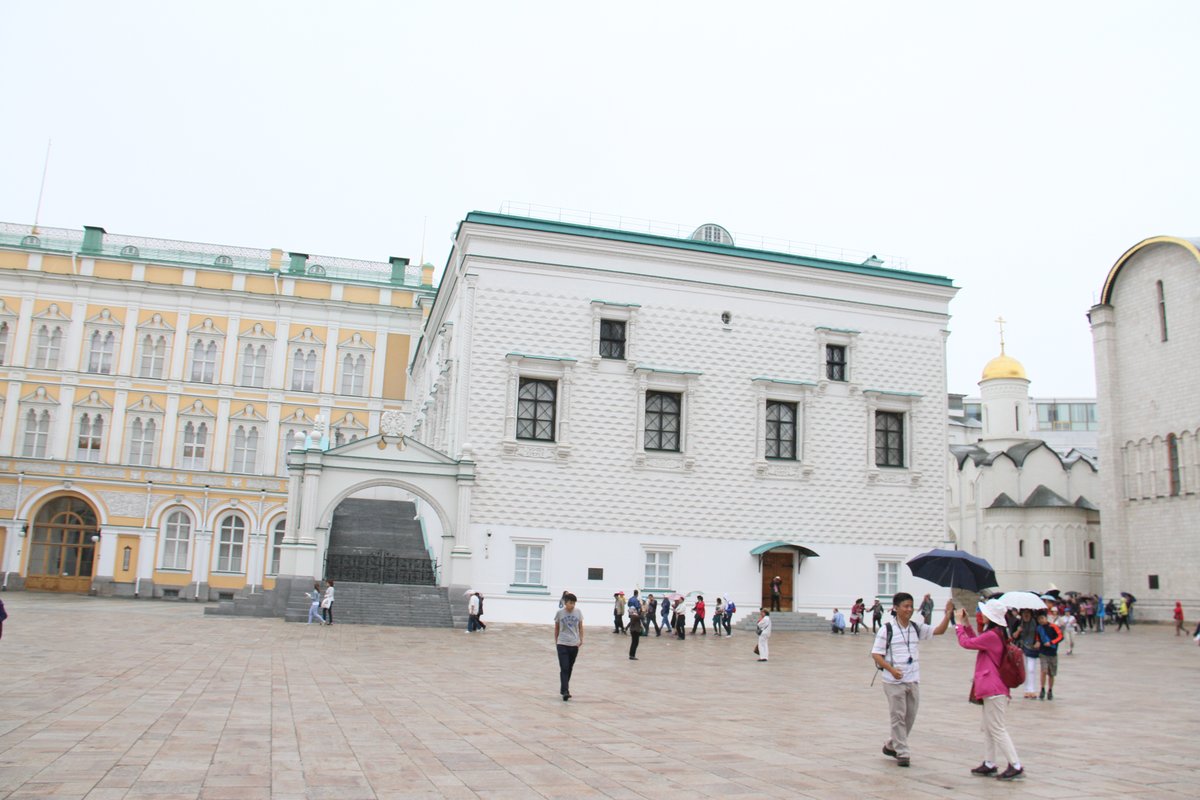
Cathedral Square
Cathedral Square, known in Russian as Соборная площадь, stands as the heart of the Moscow Kremlin and a cornerstone of Russian history and culture.
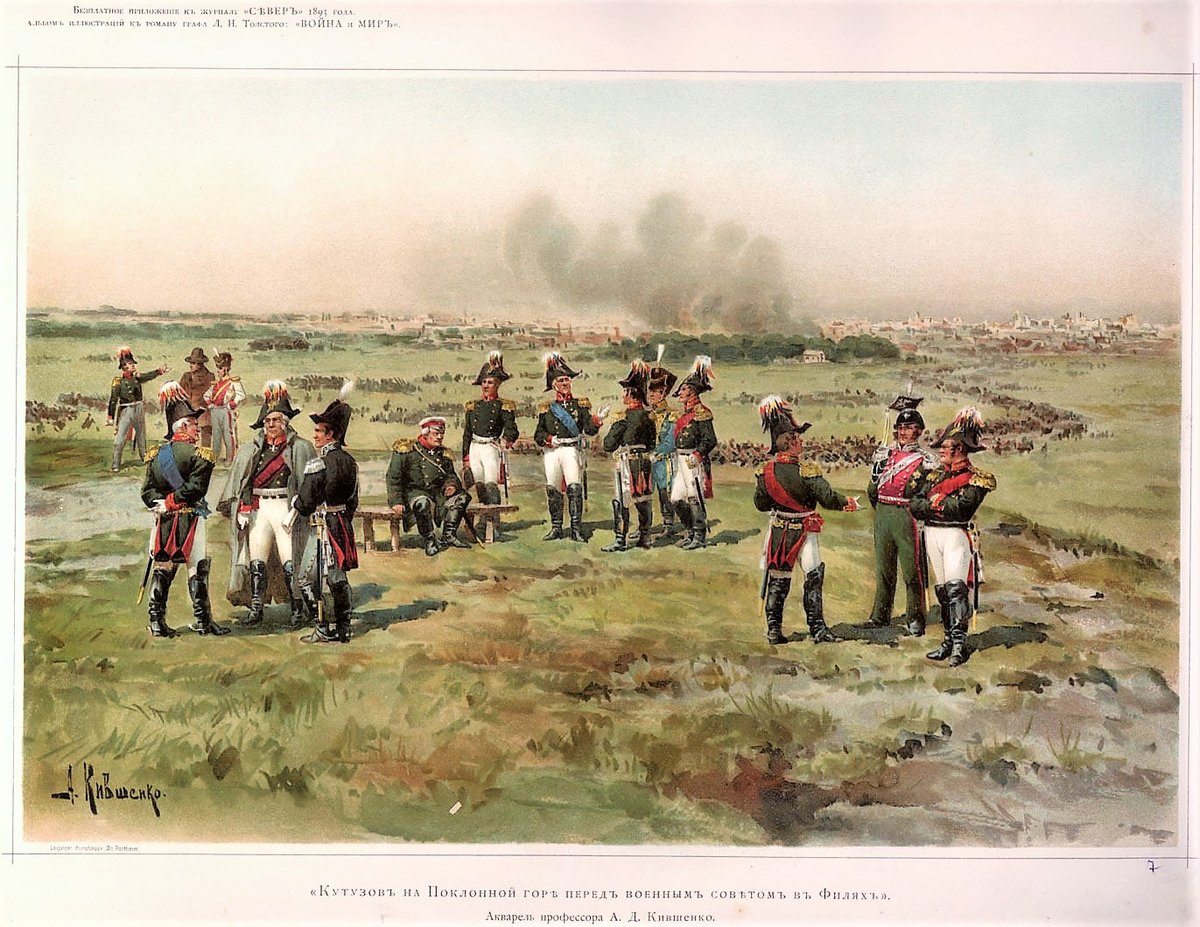
Poklonnaya Hill
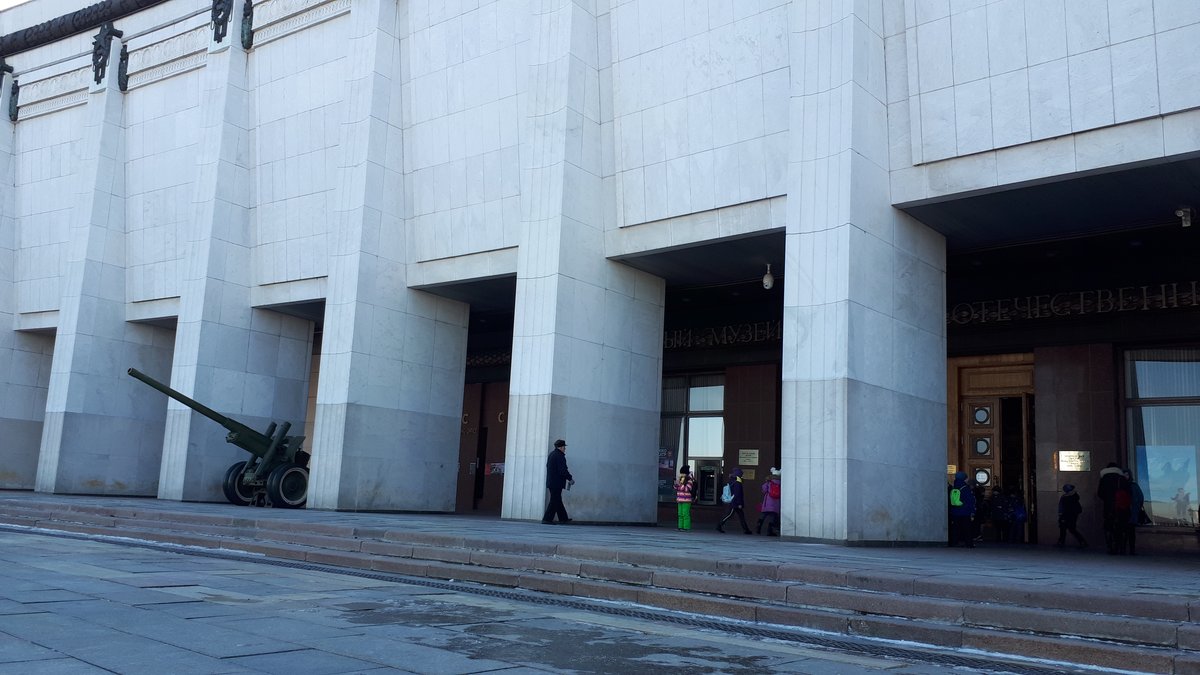
Victory Square (площадь Победителей) in Moscow, Russia, stands as a monumental testament to the Soviet Union's victory in the Great Patriotic War (1941-1945).
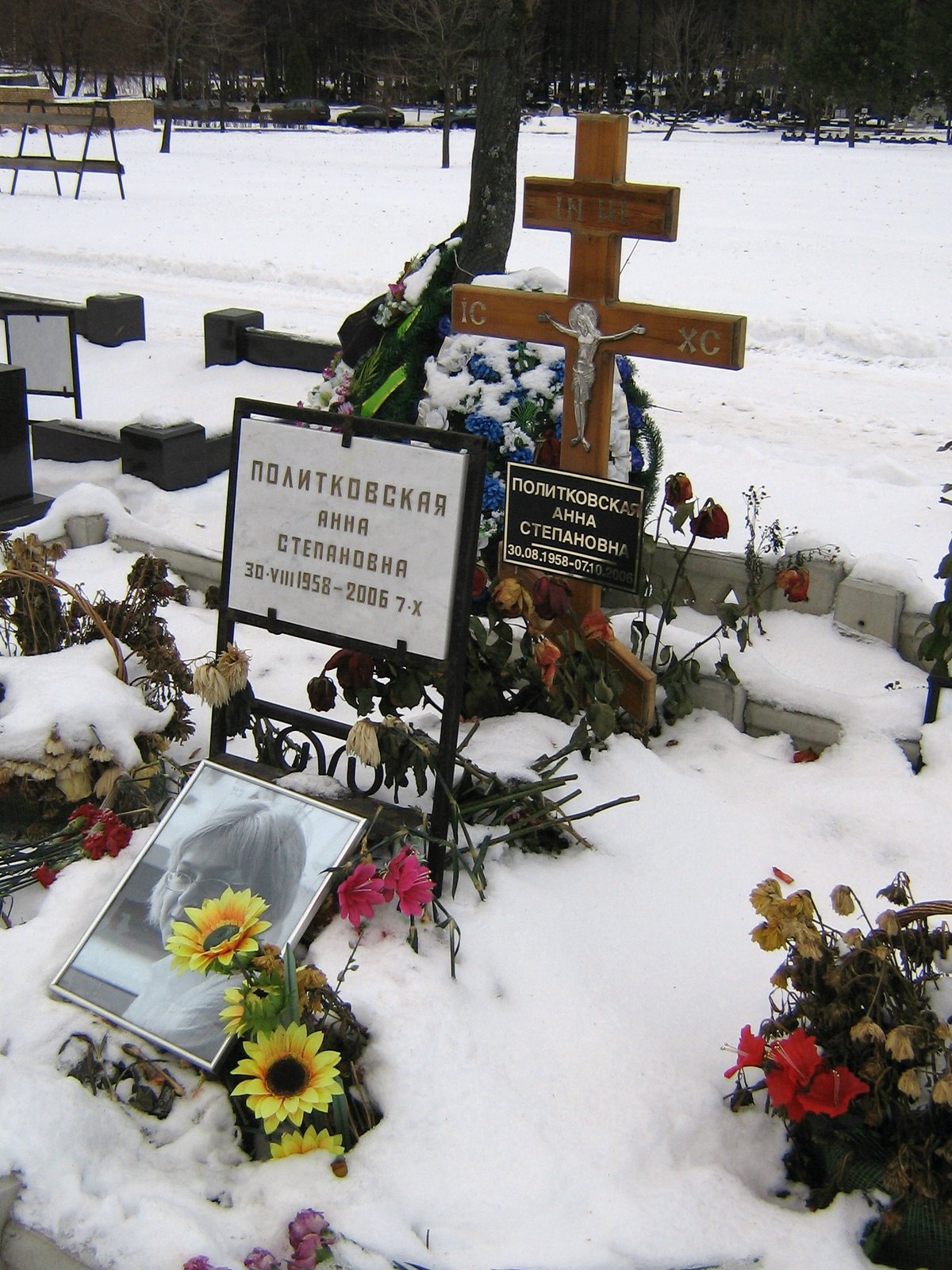
Troyekurovskoye Cemetery
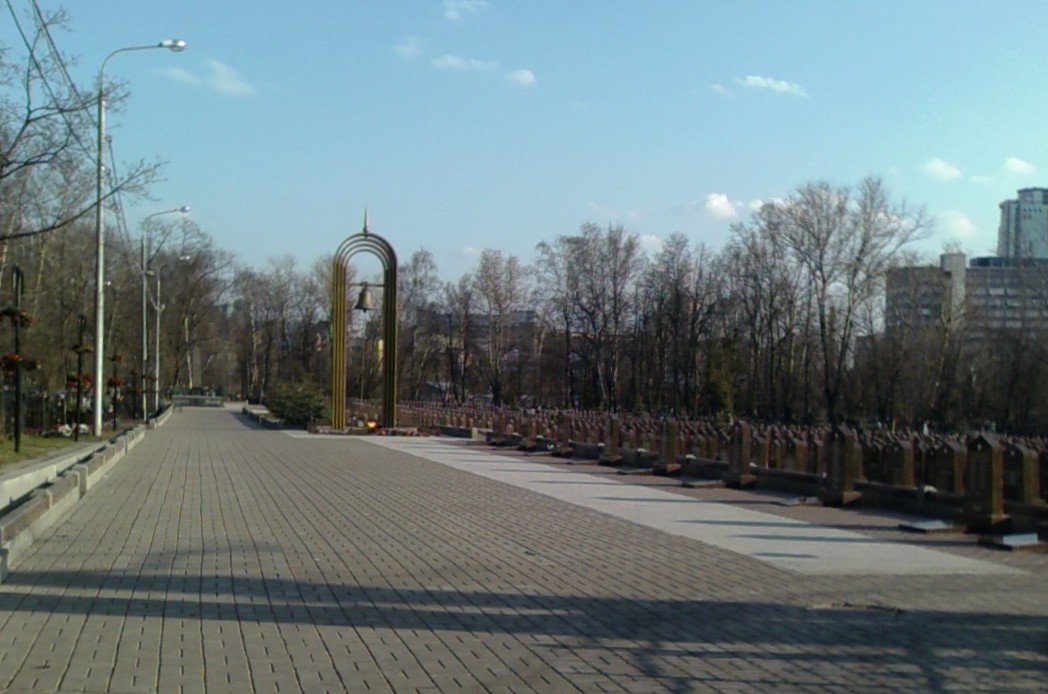
Troyekurovskoye Cemetery, established in 1962, is a profound symbol of Moscow's modern historical and cultural landscape, serving as a prominent burial ground…
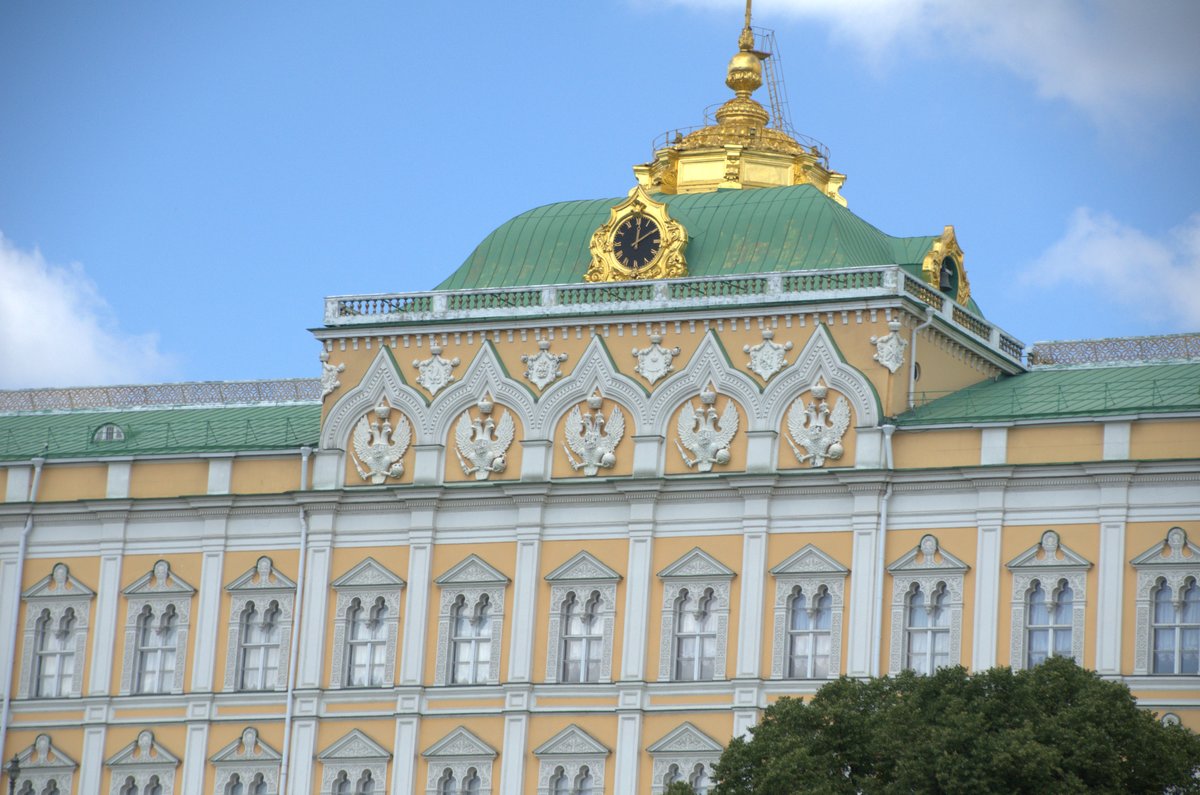
Grand Kremlin Palace
The Grand Kremlin Palace in Moscow stands as a breathtaking testament to Russia’s imperial grandeur, political heritage, and architectural mastery.
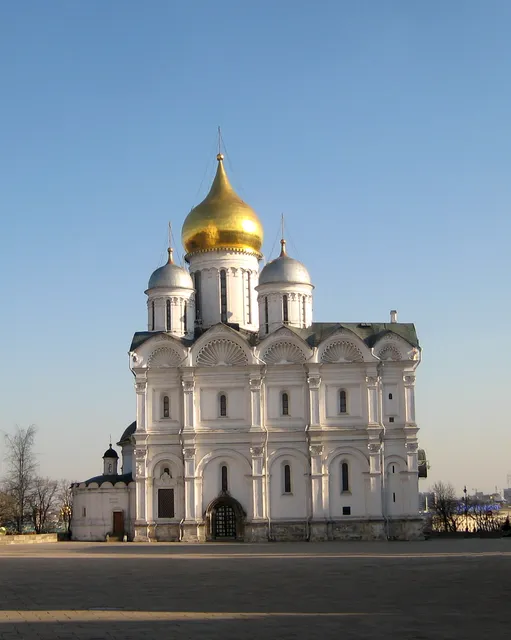
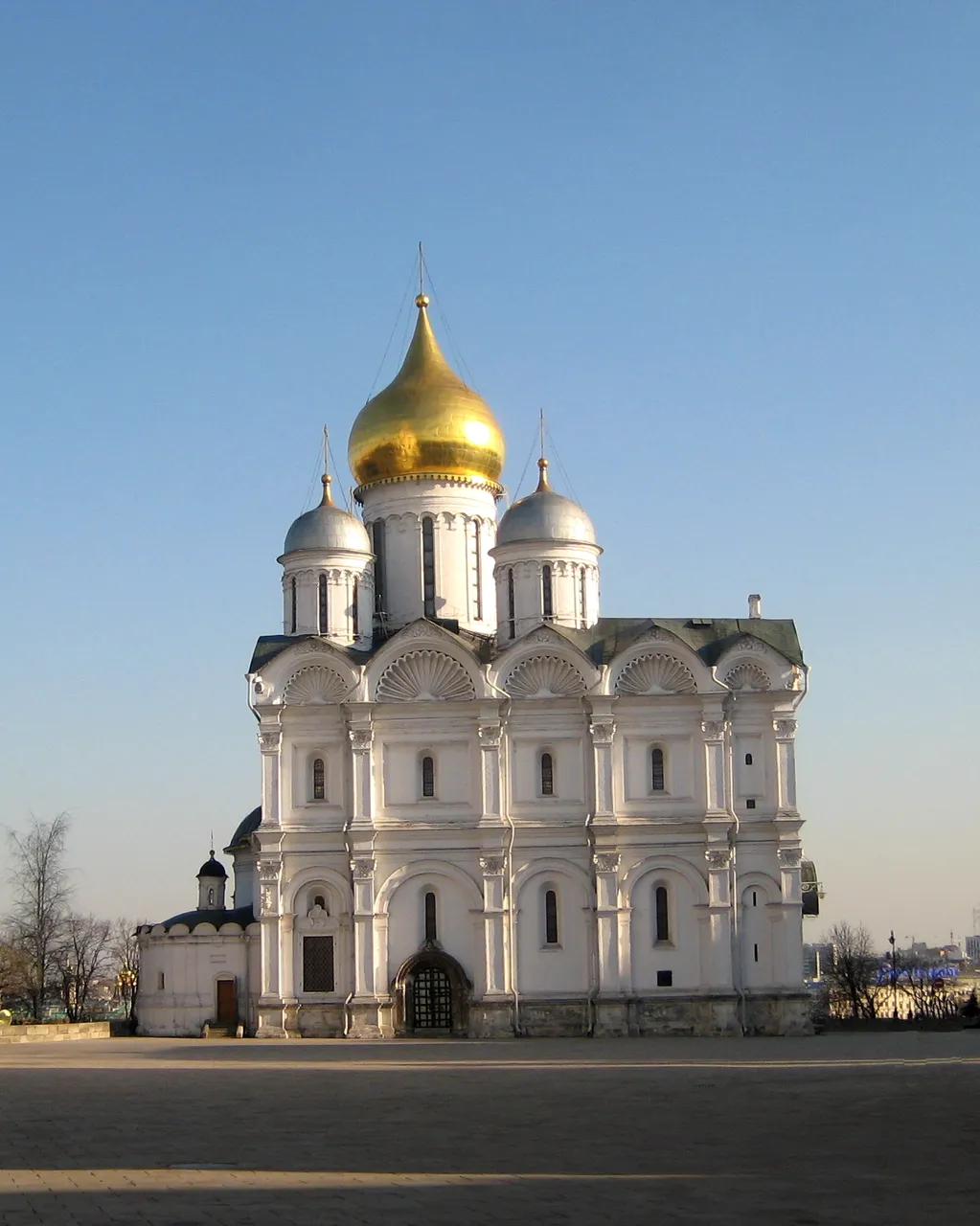
Cathedral of the Archangel
Nestled within the storied walls of the Moscow Kremlin, the Архангельский собор (Archangel Cathedral) stands as a monumental testament to Russia's rich…
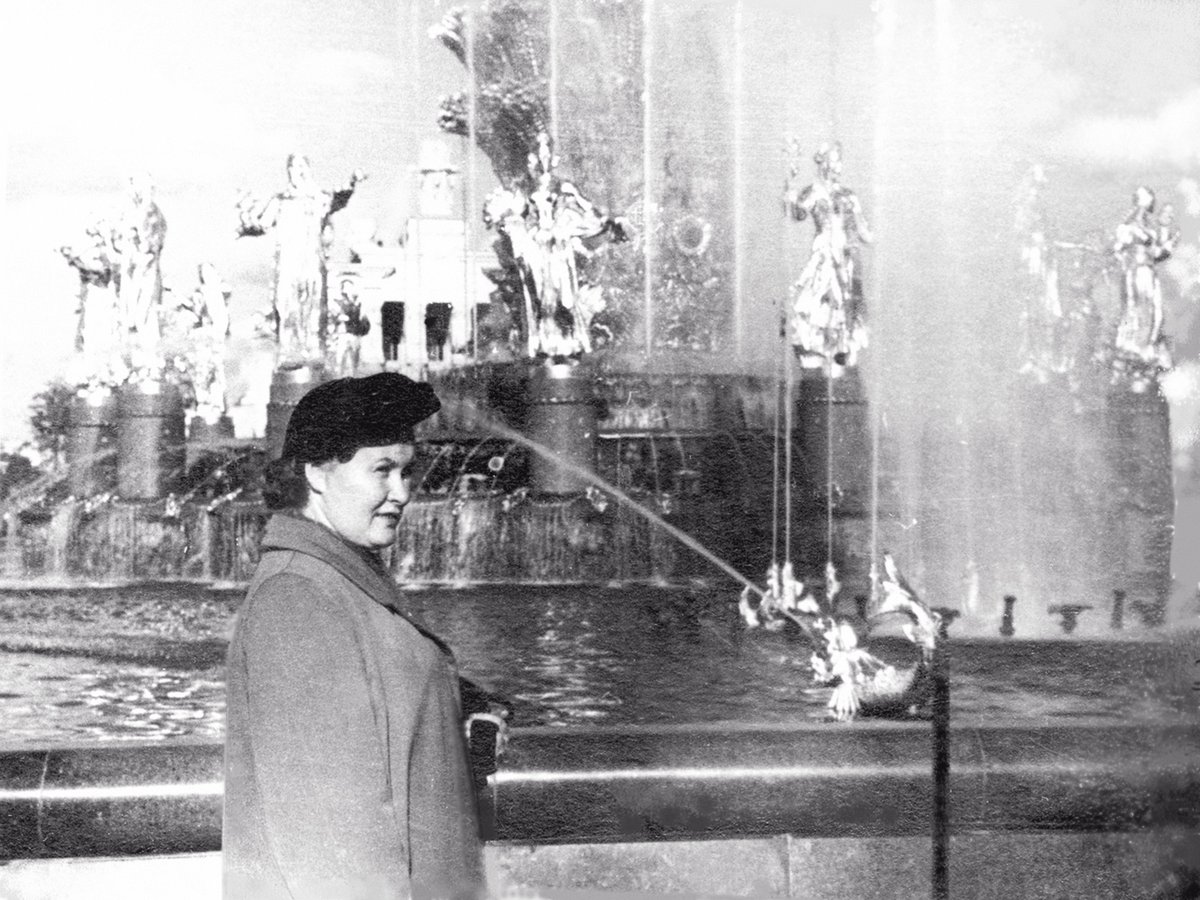
Friendship of Peoples Fountain
The Friendship of the Peoples Fountain, known as Дружба народов in Russian, stands as a monumental symbol of Soviet architecture and ideology within the…
Spasskaya Tower
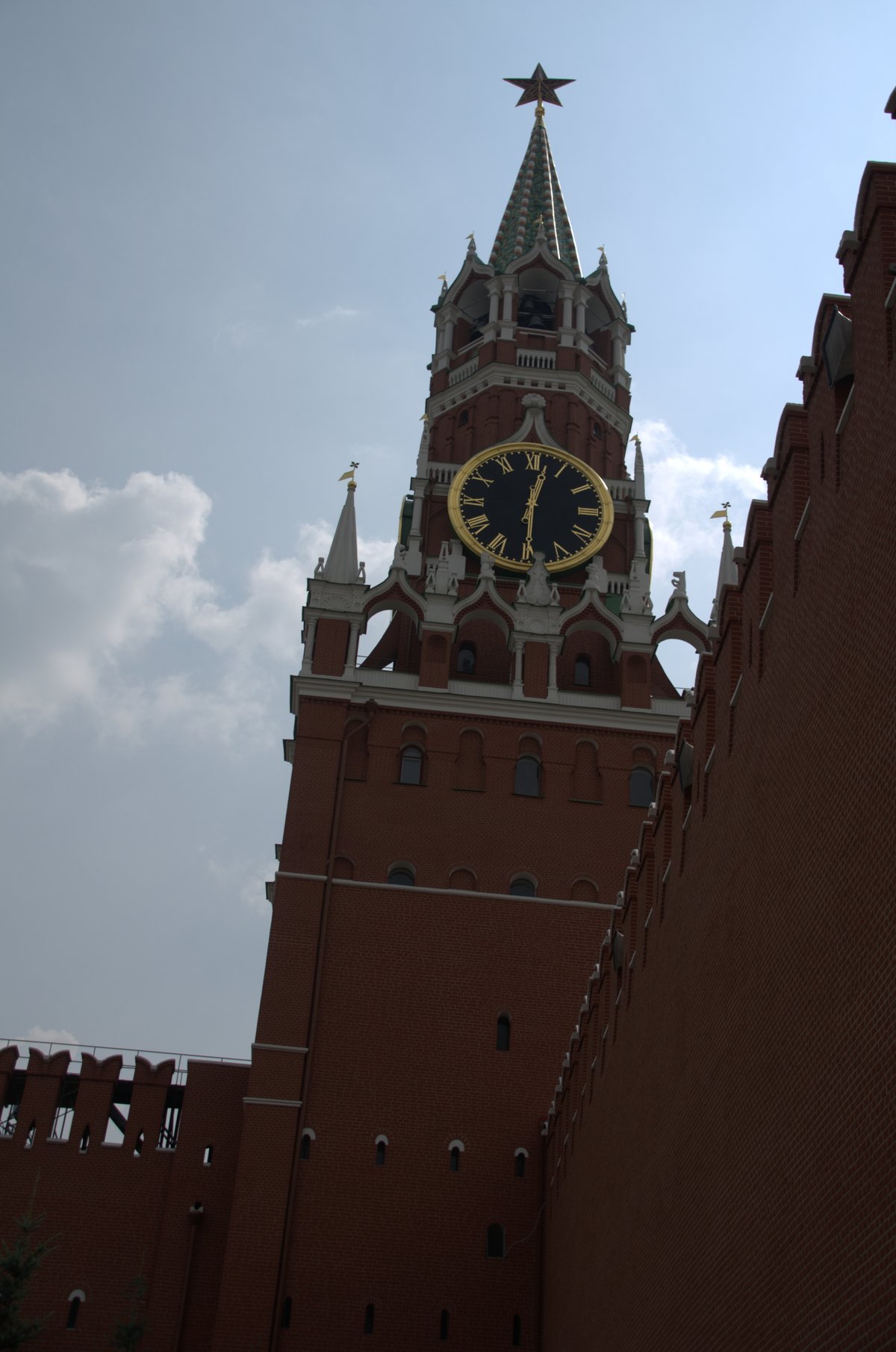
The Spasskaya Tower (Спасская башня), also known as the "Savior's Tower," stands as one of Moscow’s most emblematic landmarks, embodying centuries of Russian…
Palace of the Soviets
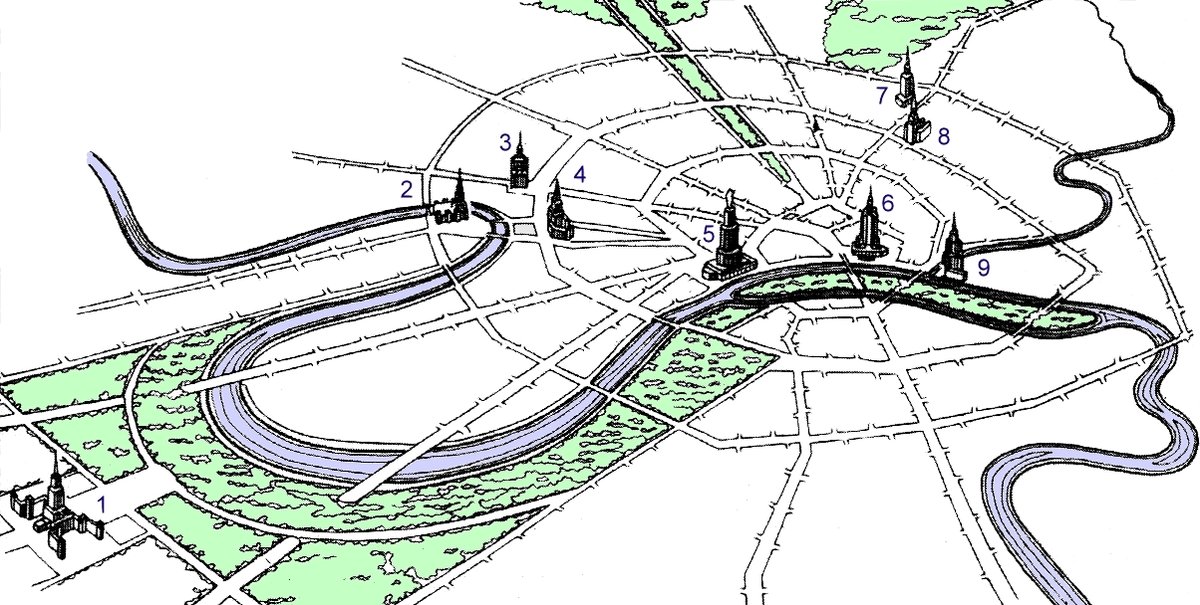
The Palace of the Soviets is among Moscow's most captivating historical and architectural narratives—a grandiose, albeit unrealized, Soviet-era project…
What Makes This City Special
Empire, Revolution, Neon
Moscow’s center compresses centuries into a single walk: Red Square, St. Basil’s, Kremlin walls, then the glass-and-concrete edge of Zaryadye. The city’s charge comes from those collisions, not from any one monument.
Metro as Civic Theater
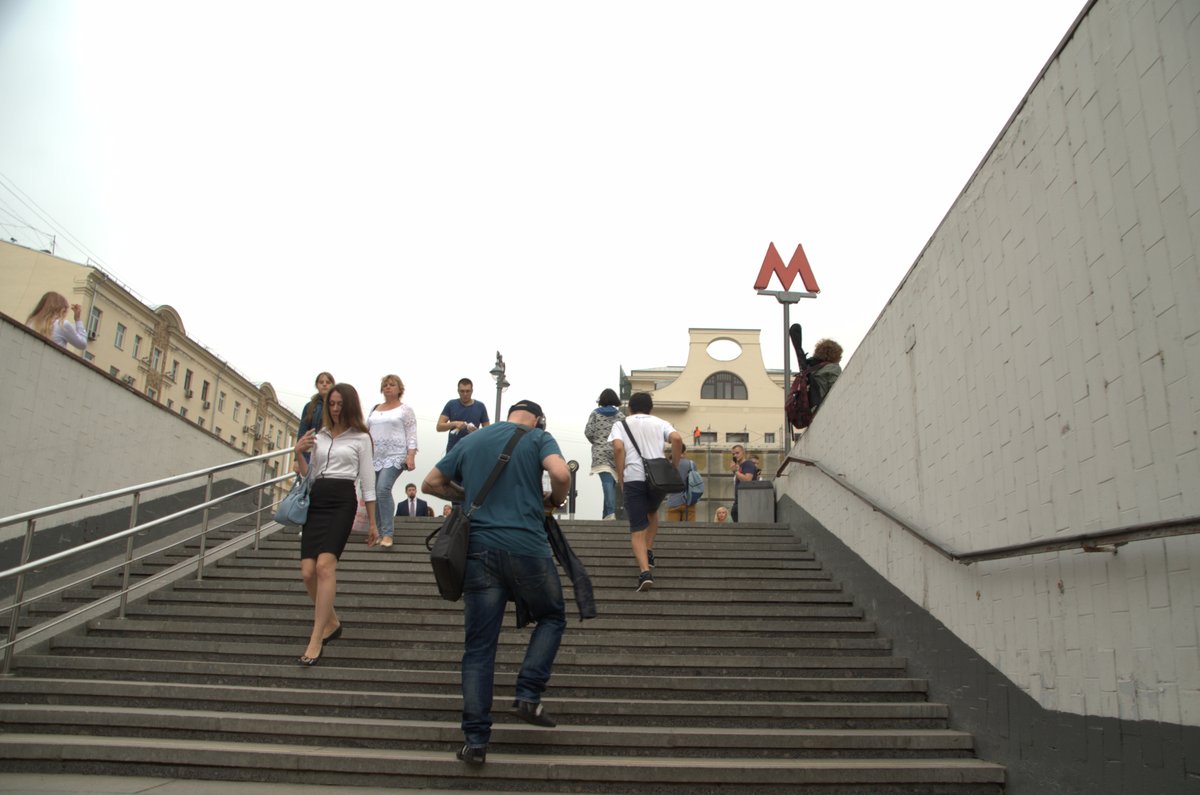
The Moscow Metro is transport, but it also reads like an underground architecture anthology, from Stalin-era chandeliers to newer Big Circle stations. Ride it as a gallery and the city’s political imagination becomes legible in marble, bronze, and light.
Two Art Capitals at Once
Tretyakov and the Pushkin Museum hold the classical narrative, while GES-2, Garage, and Winzavod show Moscow speaking in a contemporary voice. Few cities let icon painting, Soviet modernism, and current experimental work sit this close together.
Parks With Plot Twists
Kolomenskoye and Tsaritsyno give you estate landscapes and old churches; Losiny Ostrov feels like slipping out of a megacity into real forest. Moscow’s green space is not decorative, it is a second map of the city.
Historical Timeline
Where Timber Fort Became a World Capital
Moscow grew through siege smoke, church bells, and repeated reinvention.
First Footprints on Borovitsky Hill
Archaeological layers in the Kremlin zone show human presence from the late 3rd millennium BCE. The high ground above the Moskva and Neglinnaya rivers offered dry footing, fish, timber, and a defensive view that later rulers would prize for exactly the same reasons.
Moscow Enters the Written Record
On 4 April 1147, Prince Yuri Dolgoruky hosted an ally here, the first surviving documentary mention of Moscow. What begins as a line in a chronicle already sounds political: a meeting place chosen for leverage, not scenery.
The First Wooden Kremlin
Yuri Dolgoruky ordered timber walls and earthen ramparts around the hilltop settlement. You can almost smell wet pine and packed soil: Moscow's first Kremlin was less palace than survival machine.
Mongol Fire and Subjugation
During the Mongol invasion, Moscow was captured and burned, its wooden defenses no match for steppe warfare. The city survived, but as a tributary world where power meant paying, bargaining, and waiting for openings.
Ivan Kalita Makes Moscow Matter
Under Ivan I Kalita, Moscow turned tribute politics into advantage, accumulating land and influence. In the same year, the Orthodox metropolitan seat moved from Vladimir to Moscow, filling the city with clerics, builders, and the authority of ritual.
White-Stone Walls Rise
Dmitry Donskoy replaced older defenses with white-limestone Kremlin walls. The pale fortifications gave Moscow its 'white-stone' reputation and announced that this was no longer a disposable frontier town.
Kulikovo and New Confidence
Dmitry Donskoy's victory over Mongol forces at Kulikovo did not instantly end domination, but it changed the political temperature. Moscow emerged as the loudest claimant to leadership in resisting Horde power.
The Horde's Grip Breaks
By 1480, Moscow effectively ended subordination to the Golden Horde. The shift was constitutional in spirit and practical in effect: taxes, armies, and diplomacy could now be directed from Moscow outward.
Red-Brick Kremlin Begins
From 1485 into the early 16th century, Italian and Russian masters rebuilt Kremlin walls and towers in brick. The fortress silhouette that defines Moscow today was engineered in this phase, a blend of imported technique and local ambition.
First Tsar Crowned, City Burns
Ivan IV was crowned the first tsar of Russia in Moscow, giving the city a new imperial vocabulary. The same year, catastrophic fires tore through neighborhoods, a reminder that political grandeur still rested on flammable streets.
St. Basil's Rewrites the Skyline
Built on Red Square after the Kazan campaign, St. Basil's turned victory into architecture. Its clustered domes, bright colors, and asymmetry made the square feel theatrical, almost like a painted icon stepping into open air.
Crimean Raid, Citywide Inferno
Crimean Tatar forces burned Moscow in a disaster so severe chronicles describe mass death on a huge scale. Smoke, panic, and collapse exposed how quickly power could evaporate when defenses failed.
Militia Liberates Occupied Moscow
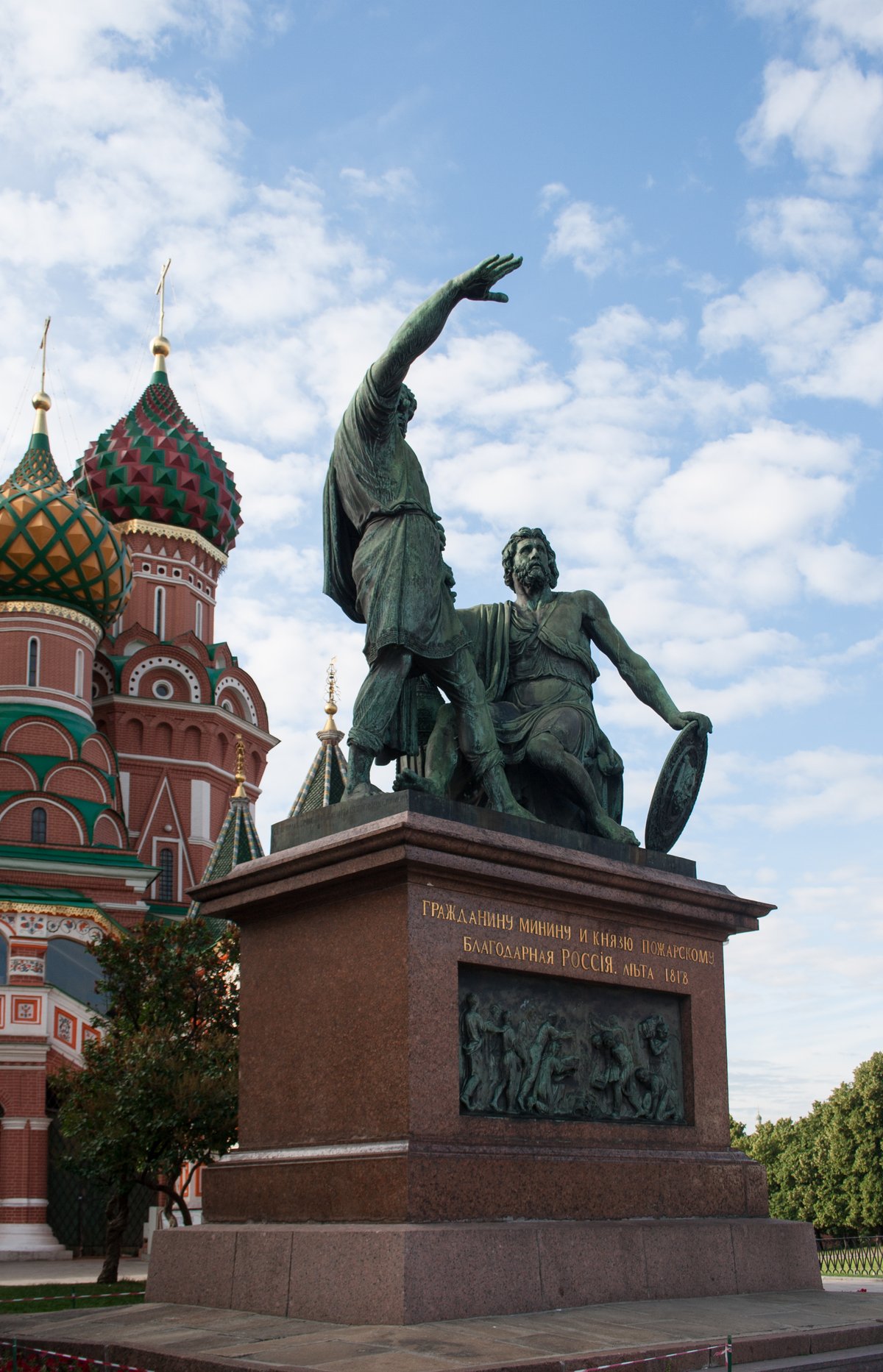
After Polish-Lithuanian occupation during the Time of Troubles, forces linked to Kuzma Minin and Prince Dmitry Pozharsky retook the city. Liberation cleared the path to Romanov rule and reassembled the state from near-breakdown.
Capital Moves to St. Petersburg
Peter the Great shifted the capital to St. Petersburg, pulling court gravity toward the Baltic. Moscow did not shrink into irrelevance; it remained the coronation city, sacred center, and stubborn memory of old Russia.
Moscow University Is Founded
Moscow State University opened as Russia's first university, planting scholarship into the city's civic core. Lecture halls and print culture widened Moscow's role from ritual capital to intellectual engine.
Plague and Riot in the Streets
A plague epidemic killed thousands and triggered unrest when authorities imposed controls on movement and worship. Bells, fear, and rumor traveled faster than medicine, and Moscow learned how public health could become political.
Pushkin Born in Moscow
Alexander Pushkin's Moscow birth linked the city to the future language of modern Russian literature. In his writing, Moscow often appears as lived texture, old houses, salons, duels, snow, gossip, and memory pressing against imperial order.
Napoleon Takes a Burning City
After Borodino, Russian command abandoned Moscow; Napoleon entered expecting surrender and found flames instead. More than two-thirds of the city was destroyed, and the occupation became a trap that helped force the French retreat in October.
Bolshoi Opens Its New Stage
The new Bolshoi Theatre opened in rebuilt post-1812 Moscow, giving the city a formal palace of sound and spectacle. Its columned facade and vast auditorium made opera and ballet part of state image-making, not just entertainment.
Tretyakov Gallery Opens Publicly
Pavel Tretyakov's collection was donated to the city and opened as a public museum, turning private patronage into shared cultural memory. Moscow gained a canonical house for Russian painting, where national identity could be argued wall by wall.
Stanislavski Reinvents Moscow Theatre
Konstantin Stanislavski co-founded the Moscow Art Theatre, and rehearsal rooms here became laboratories for modern acting. His method grew from Moscow practice, patient table work, psychological precision, and ensembles built over months, not stars built overnight.
Capital Returns to Moscow
The Bolshevik government moved the capital from Petrograd back to Moscow, restoring the city's political centrality. Kremlin offices replaced imperial court ritual with revolutionary bureaucracy, then with Soviet state power.
Bulgakov Finds His Moscow
Mikhail Bulgakov moved to Moscow in 1921, and the city became the stage set of his sharpest satire and fantasy. Crowded apartments, censorship offices, literary circles, and evening streets fed the world of 'The Master and Margarita.'
Metro Opens Beneath the Capital
The first Moscow Metro line opened from Sokolniki to Park Kultury, combining transport with political theater. Marble halls, chandeliers, and mosaics made daily commuting feel like passage through an underground palace.
Battle of Moscow Holds the Line
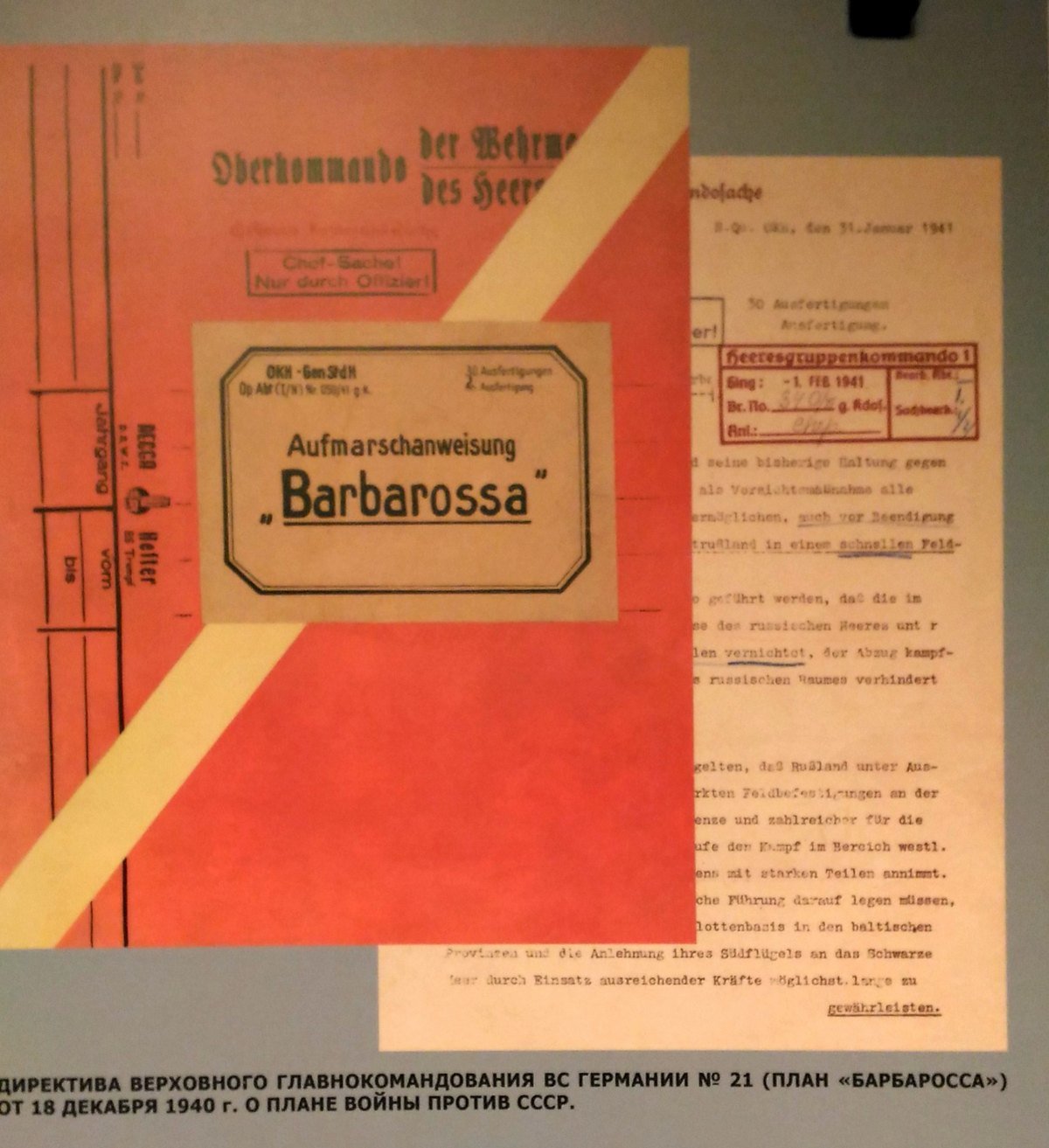
German forces advanced to within roughly 24 kilometers of the city before Soviet resistance and winter counteroffensives pushed them back. Stations doubled as bomb shelters, and survival in those months became one of Moscow's defining civic myths.
Ostankino Tower Pierces the Sky
When completed, Ostankino became the world's tallest free-standing structure, a concrete needle of broadcast ambition. It marked a different kind of fortress: control of airwaves and image, not just walls and gates.
Olympics Under a Cold War Shadow
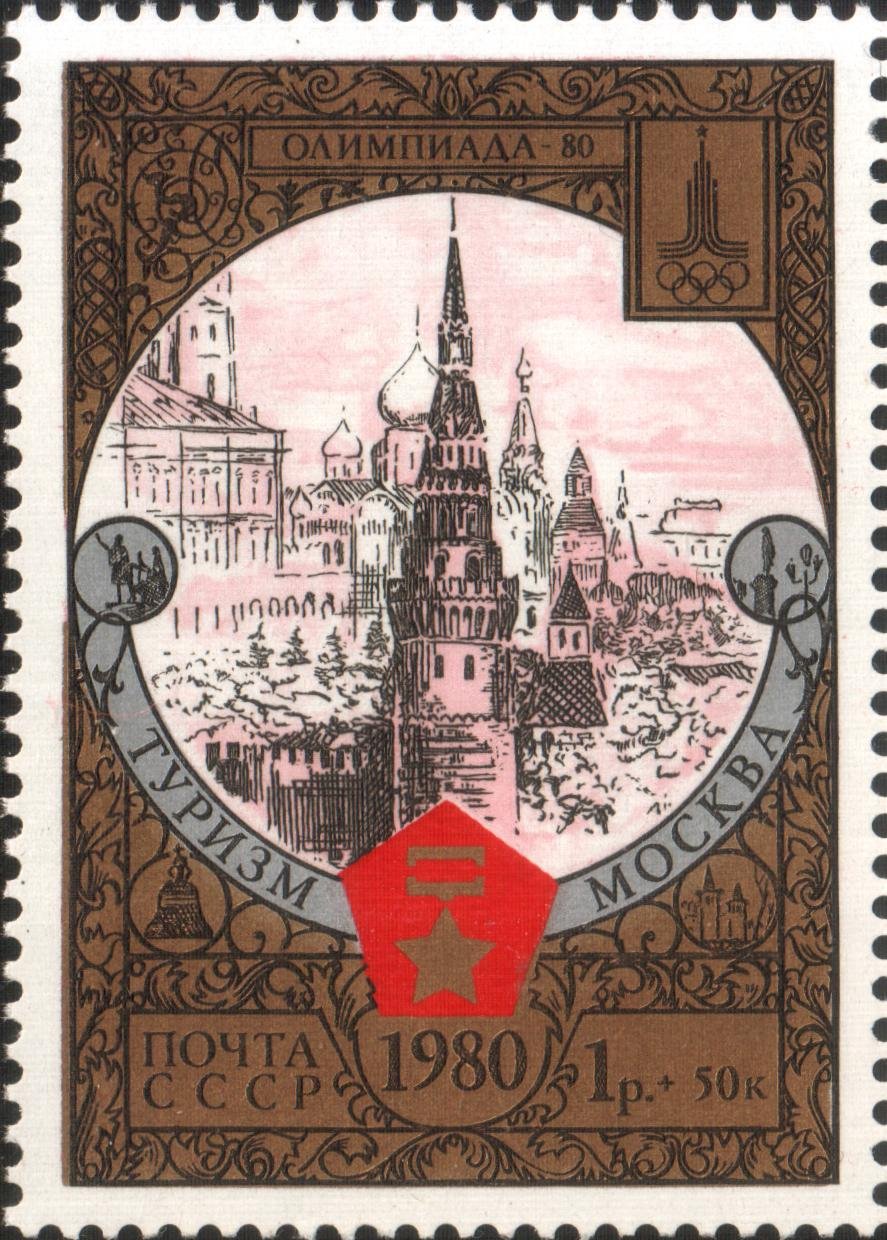
Moscow hosted the Summer Olympics from 19 July to 3 August 1980, with a major boycott reshaping the field. New venues and infrastructure arrived, but so did the unmistakable signal that sport and geopolitics were inseparable.
Coup Fails, Soviet Era Ends
During the August coup attempt, crowds gathered around the Russian White House and the putsch collapsed. Moscow became the live stage of imperial dissolution, with one state ending in the same streets where another had once begun.
New Moscow Doubles the Map
On 1 July 2012, annexed southwestern territories more than doubled Moscow's area. The expansion shifted planning priorities toward new transport corridors, administrative campuses, and a reimagined metropolitan edge.
Zaryadye Opens Beside the Kremlin
Zaryadye Park opened on 9 September 2017 near Red Square, replacing a long-vacant central site with layered landscapes and a floating bridge. It signaled a new urban mood: less monumental command, more curated public space with the old walls always in view.
Notable Figures
Alexander Sergeyevich Pushkin
1799–1837 · Poet and novelistPushkin was born here, and Moscow never really stopped speaking in his rhythm. His work turned everyday Russian into high literature, then sent it back into the street. In today’s city of old courtyards and fast slang, he would still hear language reinventing itself block by block.
Fyodor Mikhailovich Dostoevsky
1821–1881 · Novelist and philosopherDostoevsky’s first Moscow was not grand boulevards but hospital wards and hardship at the city’s edge. That early proximity to poverty shaped the moral pressure in his fiction. He would likely recognize the same intensity in modern Moscow’s contrasts of wealth, faith, and anxiety.
Konstantin Sergeyevich Stanislavski
1863–1938 · Actor-director and theater theoristStanislavski built a rehearsal discipline in Moscow that changed global acting. The Moscow Art Theatre became the lab where emotion, gesture, and truth were tested night after night. In a city still obsessed with performance, his methods feel less historical than daily practice.
Pyotr Ilyich Tchaikovsky
1840–1893 · ComposerTchaikovsky arrived when the conservatory was young and helped define Moscow’s serious music culture from the classroom outward. The city gave him a disciplined institutional base while his music kept its emotional volatility. He would recognize the same mix now in Moscow’s formal halls and modern programming.
Vladimir Ilyich Lenin
1870–1924 · Revolutionary and Soviet state founderWhen the Soviet capital shifted to Moscow in 1918, Lenin made the Kremlin a working center of a new state. His mausoleum still fixes revolutionary memory in the city’s most symbolic square. Few figures remain as physically present in Moscow’s urban story as Lenin does.
Mikhail Afanasyevich Bulgakov
1891–1940 · Novelist and playwrightBulgakov came to Moscow to survive by writing, then turned the city into a stage where satire and the supernatural could coexist. The streets around Patriarch’s Ponds still carry his shadow for readers. He would likely enjoy how modern Moscow still rewards people who read the city ironically.
Maya Mikhailovna Plisetskaya
1925–2015 · Ballerina and choreographerPlisetskaya’s artistic identity was forged in Moscow’s Bolshoi system, where technique met political pressure and global fame. She made the city’s ballet tradition feel sharp, modern, and fiercely individual. In today’s Moscow, she would still find that tension between institution and personality.
Lev Ivanovich Yashin
1929–1990 · Football goalkeeperYashin spent his whole club career in Moscow and became the city’s black-clad sporting myth. His style made goalkeeping look like both calculation and improvisation under stress. In a metropolis that admires resilience, his legacy still feels native rather than nostalgic.
Plan your visit
Practical guides for Moscow — pick the format that matches your trip.
Moscow Money-Saving Passes & Cards
Should you buy a Moscow pass? Usually only for transport or Museum Week. This guide compares Troika, unlimited tickets, and city passes with real April 2026 prices.
First-Time Visitor Tips for Moscow That Actually Help
First-time Moscow tips from a local angle: how to dodge taxi scams, time Red Square right, use the metro well, and visit major sights without wasting half your day.
Photo Gallery
Explore Moscow in Pictures
The vibrant, multi-colored onion domes of Saint Basil's Cathedral stand as a historic symbol of Moscow, Russia.
Dmitry Sidorov on Pexels · Pexels License
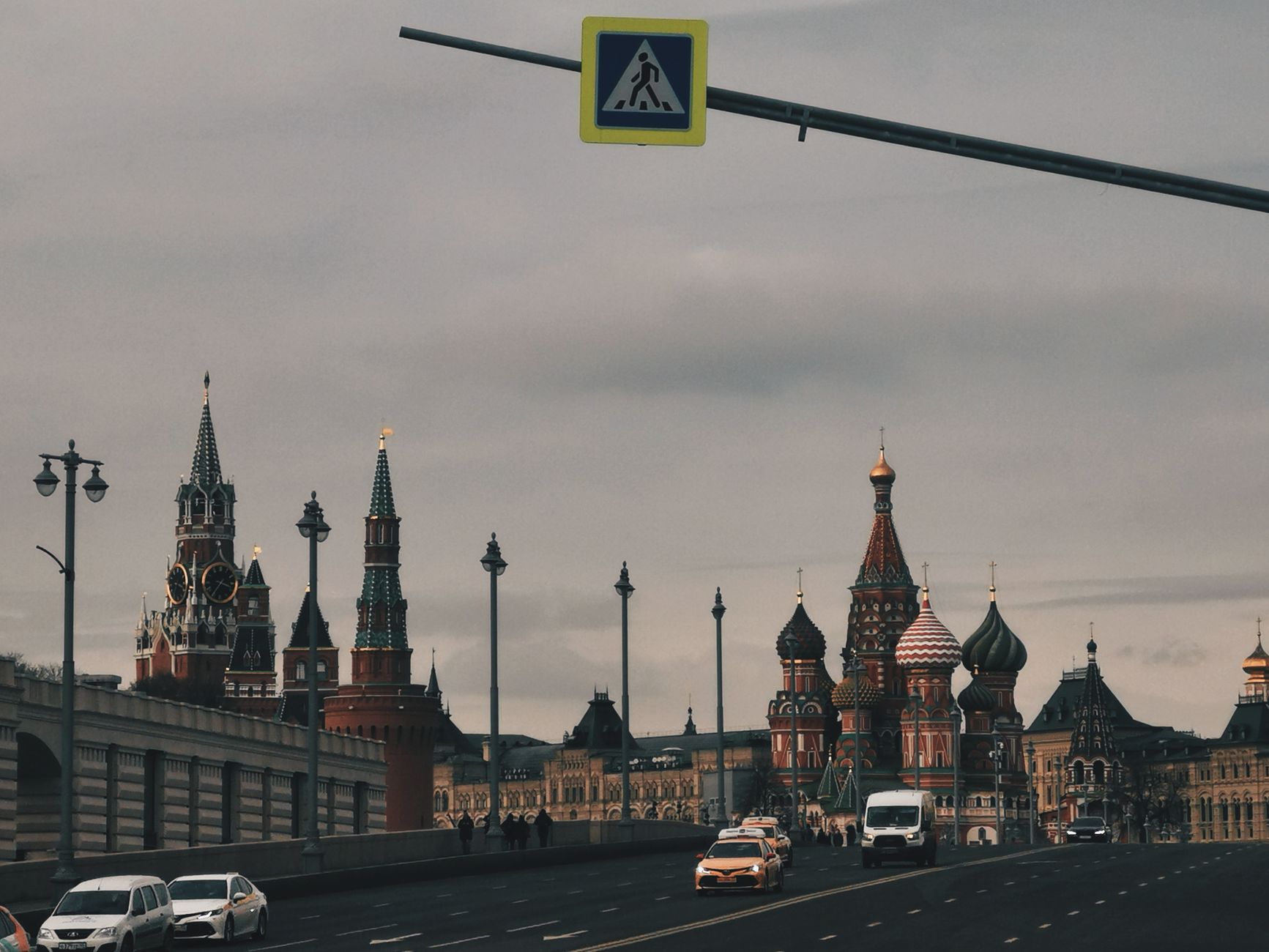
Iconic Moscow landmarks, including the Kremlin and Saint Basil's Cathedral, stand prominently against a moody, overcast sky.
rescriptt rescriptt on Pexels · Pexels License
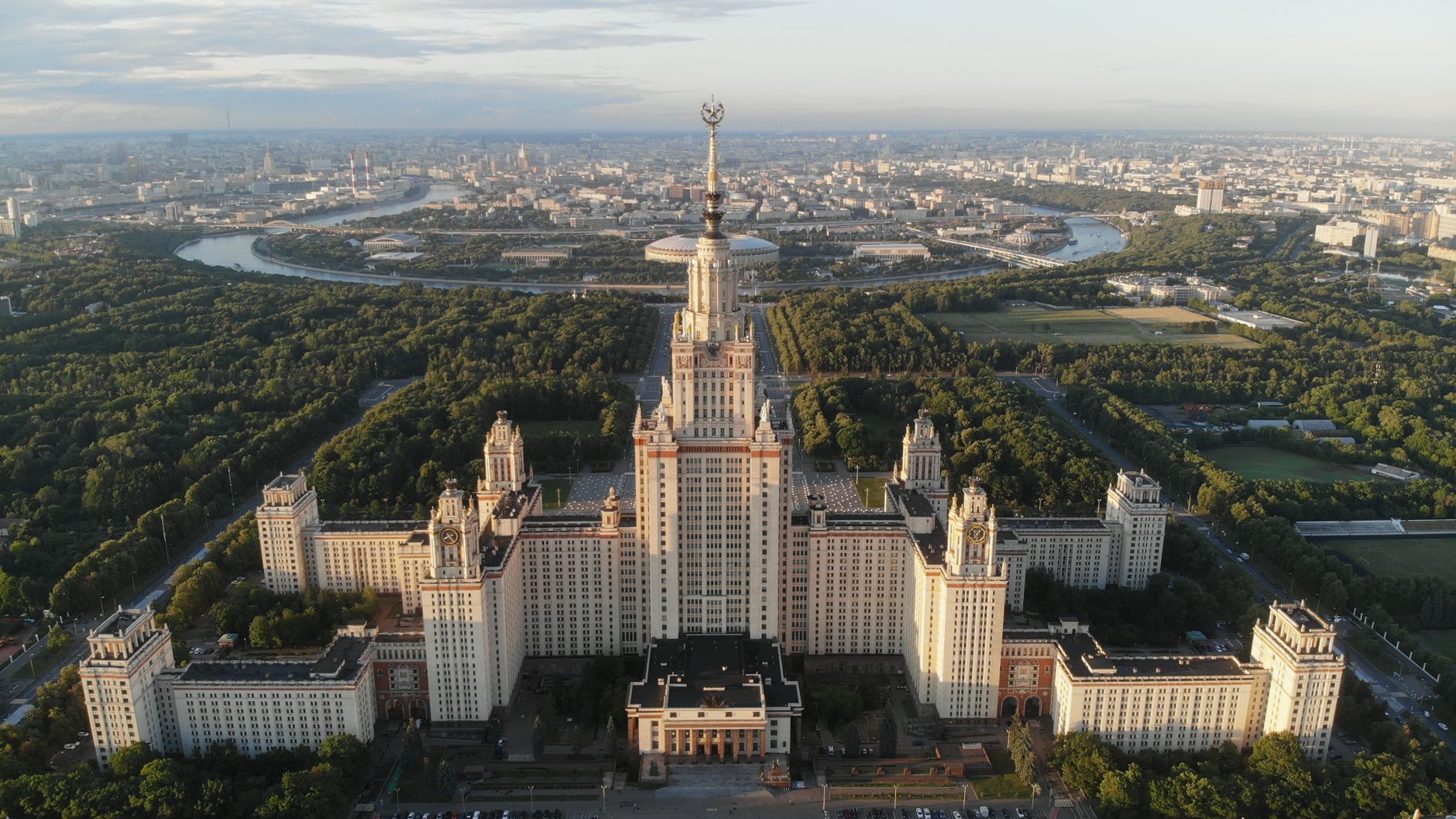
An impressive aerial perspective of the historic Moscow State University main building, showcasing its grand Stalinist architecture amidst the city's scenic landscape.
Evgenia Kirpichnikova on Pexels · Pexels License
The vibrant, multi-colored domes of Saint Basil's Cathedral stand as a historic architectural landmark in the heart of Moscow, Russia.
Tom D'Arby on Pexels · Pexels License
A picturesque evening in Moscow, Russia, capturing the architectural grandeur of the Kazansky Railway Station and iconic Stalinist skyscrapers.
Van Mailian on Pexels · Pexels License
A stunning aerial perspective of Moscow, Russia, capturing the golden hour light reflecting off the city's historic Stalinist skyscrapers and the Moskva River.
Тимофей Овчинников on Pexels · Pexels License
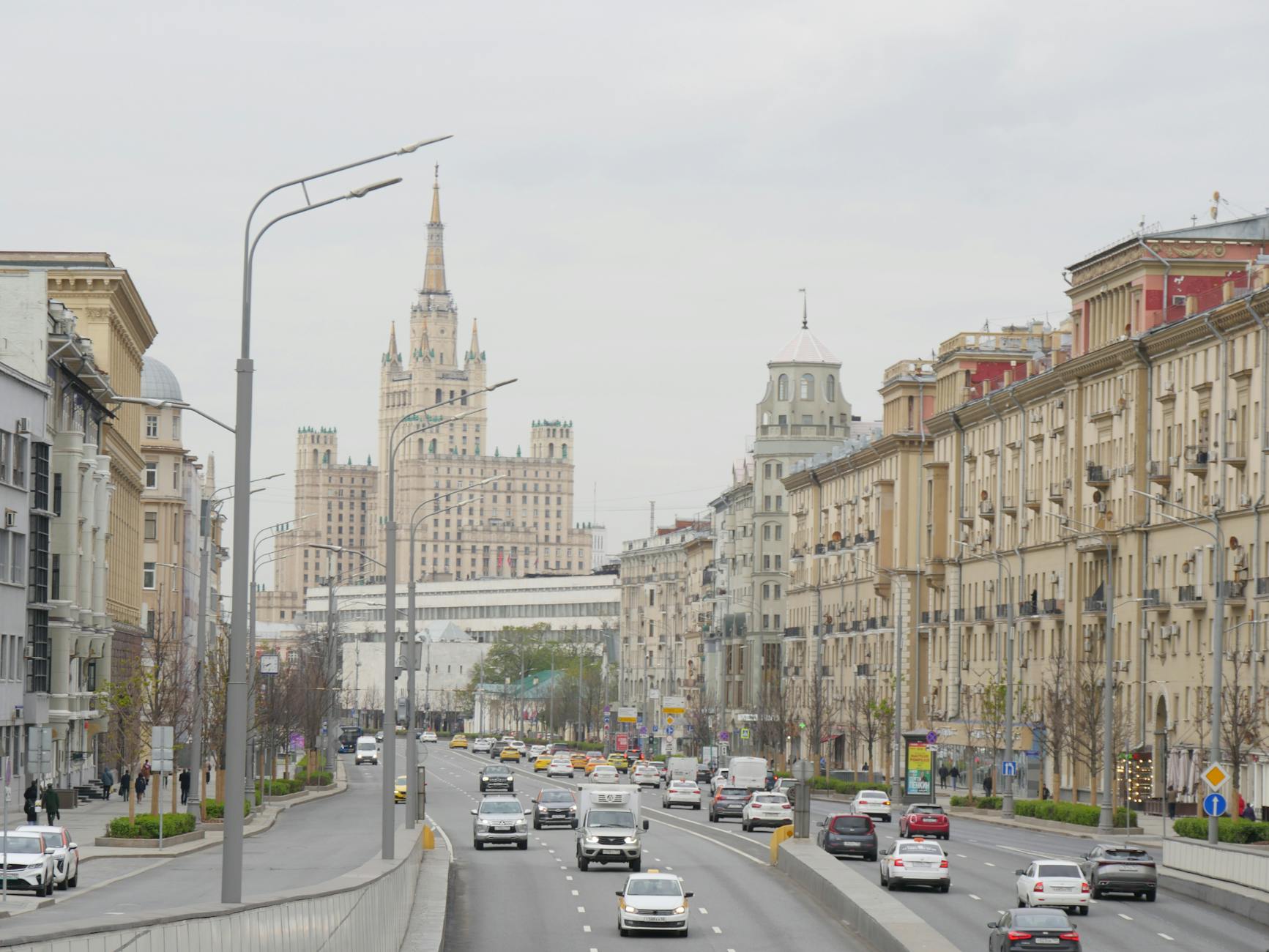
The iconic Kotelnicheskaya Embankment Building towers over a busy multi-lane avenue in the heart of Moscow, Russia.
Elliot Williams on Pexels · Pexels License
A stunning elevated view of the Moscow cityscape, showcasing the grand Stalinist architecture against a moody, overcast sky.
Platon Matakaev on Pexels · Pexels License
A stunning view of the futuristic Moscow International Business Center skyline, featuring the iconic twisting Evolution Tower and the Bagration Bridge.
Roman Verton on Pexels · Pexels License
A stunning elevated view of Moscow, Russia, capturing the transition from day to night over the historic Kremlin and surrounding urban architecture.
Oleg Prachuk on Pexels · Pexels License
The historic Moscow Kremlin and the illuminated Bolshoy Moskvoretsky Bridge reflect beautifully over the Moskva River at night.
Дмитрий Белов on Pexels · Pexels License
The striking contrast between historic architecture and the modern skyscrapers of the Moscow International Business Center at sunset.
Iso on Pexels · Pexels License
Practical Information
Safety
As of March 2026, the U.S. State Department keeps Russia at Level 4 “Do Not Travel” (advisory dated December 29, 2025) and advises U.S. citizens in Russia to leave immediately. U.S. consular capacity is limited to the embassy in Moscow, with U.S. consulates in Russia suspended. If you still travel, prepare redundant money, communications, and exit plans.
Getting There
Moscow’s passenger airports are Sheremetyevo Alexander Pushkin International Airport (SVO), Domodedovo Mikhail Lomonosov Airport (DME), Vnukovo Andrei Tupolev International Airport (VKO), and Zhukovsky International Airport (ZIA). Main long-distance rail gateways are Leningradsky, Yaroslavsky, Kazansky, Kursky, Belorussky, Kievsky, and Paveletsky stations. Major road links feed the MKAD ring via the M1, M2, M3, M4, M7, M8, M9, and M11 corridors.
Getting Around
As of 2026, the Moscow Metro operates 16 lines and integrates with the Moscow Central Circle (MCC) and MCD commuter diameters, making rail the fastest way across most districts. Buses, electric buses, and trams cover the gaps, and central districts also have seasonal bike-share and e-scooter options. Troika/Ediny pricing in 2026 is about 67 RUB for a stored-value ride, 100 RUB for a 90-minute transfer fare, and 375 RUB/720 RUB for 1-day/3-day unlimited Ediny passes.
Climate & Best Time
Moscow has strong seasons: winter (Dec-Feb) is often around -10°C to -2°C, spring (Mar-May) rises from roughly 0°C to 18°C, summer (Jun-Aug) sits near 17°C to 27°C, and autumn (Sep-Nov) cools from about 15°C toward freezing. Rainfall is moderate, with the wettest stretch usually June-August and a drier late-winter period. Peak tourism is June-August plus New Year holidays; late May-June and early September are the most balanced windows.
Language & Currency
In 2026, Russian is the default language in transport systems, smaller venues, and most official interactions, so offline Cyrillic maps and translation apps are practical tools. The currency is the Russian ruble (RUB). Foreign-issued bank card acceptance can be inconsistent under current financial restrictions, so carry cash backup.
Where to Eat
Don't Leave Without Trying
Okhotny Ryad
marketOrder: Treat it as a central tasting stop: blini with salmon, quick borscht, and medovik for dessert.
When your group wants different things, this is the easiest high-energy stop near Red Square. It is central, busy, and practical before theater or late shopping.
Hotel Metropol Moscow
fine diningOrder: Ask for caviar service or beef stroganoff with a classic martini.
This is old Moscow glamour done right, opposite the Bolshoi. Great choice for a polished pre- or post-performance meal.
The Carlton, Moscow
fine diningOrder: Order a signature cocktail, then add tartare or black cod from the lounge menu.
For skyline views and a dressed-up Moscow night, this one lands every time. It is expensive but reliably polished.
Tavern "Taras Bulba"
local favoriteOrder: Start with borscht and vareniki, then get chicken Kyiv or a mixed grill to share.
This is hearty, nostalgic, and very Moscow in spirit. Go when you want comfort food over trends.
Jagannath
quick biteOrder: Order a thali plate, masala chai, and one of the vegan desserts by the counter.
A long-running central favorite for affordable vegetarian food. Fast, flavorful, and useful between museum stops.
Rock'N'Roll
local favoriteOrder: Go for a burger, wings, and a highball; this place is made for post-midnight eating.
If you want loud, late, and fun, this is the move. Kitchen hours and energy both run deep into the night.
Old School Pub
local favoriteOrder: Take a pint with pelmeni or garlic croutons; the simple pub comfort is the point.
Open around the clock in a prime central lane, so it rescues late plans. Not fancy, but very dependable.
Flauvau
cafeOrder: Pick fresh croissants in the morning and add berry pavlova or mousse cakes to go.
A strong bakery stop when you need a quality breakfast or dessert run. The all-day access makes it especially useful.
Mollie's Pub
local favoriteOrder: Get fish and chips or shepherd's pie with a dark draft beer.
Friendly service, central location, and an easy mixed crowd of locals and regular expats. Great low-risk first-night option.
Пивной ресторан «БирХаус» на Тверской
local favoriteOrder: Order schnitzel, sausages, and a beer sampler; portions are best shared.
A practical Tverskaya base when your table wants substantial food and beer without fuss. Works well for groups.
Trattoriya Venetsiya
cafeOrder: Do burrata, truffle pasta, and tiramisu; the kitchen is strongest on classics.
A dependable boulevard option when you need a break from heavy menus. Cozy, central, and easy to book.
Kvartira 44
local favoriteOrder: Order herring with potatoes, pelmeni, and a bottle of Georgian wine.
Feels like a lived-in Moscow apartment, not a staged concept. Go in the evening for atmosphere and live-music energy.
Dining Tips
- check Tip around 5-10% if service was good; it is appreciated but not always automatically included.
- check Cards are widely accepted in central Moscow, but carry some cash for small kiosks and backup.
- check Reserve ahead for Thursday-Saturday dinner, especially in hotel dining rooms and popular bars.
- check Lunch is typically 12:00-16:00; dinner rush starts around 19:00 and peaks from 20:00-22:00.
- check Many central bars run late or 24/7, so late-night food is easy if you stay in the center.
- check Business lunch deals are common on weekdays and can be excellent value.
- check If smoking policy matters to you, check current room/terrace rules when booking.
Restaurant data powered by Google
Tips for Visitors
Check Risk Status
For U.S. travelers, Russia is under a Level 4 “Do Not Travel” advisory, updated December 29, 2025. Put that risk check before flights, hotels, or ticket bookings.
Book Dinner Ahead
Top central restaurants fill faster than many visitors expect, especially on weekends. Reserve in advance for Patriki and Trubnaya hotspots.
Eat Beyond Center
Use Red Square for landmarks, then shift meals to Patriki, Kitay-Gorod/Pokrovka, Khamovniki, or Lesnaya. That is where Moscow’s current food and bar culture is strongest.
Use Market Halls
Danilovsky, Usachevsky, and Depo are practical for trying multiple cuisines without committing to one expensive tasting menu. They are also useful for groups with mixed budgets.
Metro Over Taxi
Treat the Moscow Metro as both transport and architecture sightseeing. Station-hopping often beats surface traffic while adding Stalin-era mosaics and marble halls to your day.
Dress For Dinner
Upscale venues can enforce dress rules: Dr. Zhivago bans sportswear/beachwear, and KRASOTA asks for semi-formal attire. Pack one neat evening outfit to avoid last-minute friction.
Tip Around Ten
A 10% tip is the safe local norm, with more for excellent service. It is customary, but less rigid than U.S. tipping culture.
Time Festival Weeks
Early June is a strong window for long daylight and the Moscow Jazz Festival (June 8–14, 2026). Winter is active too, with citywide Moscow Seasons programming.
Explore the city with a personal guide in your pocket
Your Personal Curator, in Your Pocket.
Audio guides for 1,100+ cities across 96 countries. History, stories, and local insight — offline ready.
Audiala App
Available on iOS & Android
Join 50k+ Curators
Frequently Asked
Is moscow worth visiting? add
Yes, if you want one city where imperial churches, Soviet monumentality, and contemporary culture collide in walking distance. Moscow works best when you pair classics (Red Square, Kremlin, Tretyakov) with newer hubs like GES-2 or Garage. For U.S. readers, this decision has to be weighed against the U.S. State Department’s Level 4 “Do Not Travel” advisory dated December 29, 2025.
How many days in moscow? add
Plan 3–5 days for a first trip. Three days covers the historic core, one major museum, and one performance night; five lets you add VDNH, Kolomenskoye or Tsaritsyno, and neighborhood food circuits. Add one extra day if you want a day trip such as Sergiev Posad.
Is moscow safe for tourists in 2026? add
Risk is significant enough that the U.S. government keeps Russia at Level 4 “Do Not Travel” (updated December 29, 2025). That means safety and legal exposure should be treated as core planning issues, not footnotes. If you still travel, follow your own government advisories and monitor updates right before departure.
What is the best way to get around moscow? add
The Metro is usually the most efficient way to move across the city. It also doubles as an attraction, with many stations functioning like underground civic theaters. Use taxis for late-night or cross-river hops when transfers get awkward.
Is moscow expensive for food and nightlife? add
Moscow can be expensive, but it is highly scalable. You can do prestige dining at places like Beluga or Café Pushkin, then balance costs with Teremok, Danilovsky Market, or Depo food hall meals. The biggest budget leak is spontaneous weekend bookings in central districts.
Where should I stay for restaurants and bars in moscow? add
Patriarch’s Ponds (Patriki) is the polished dinner-and-cocktail center. Kitay-Gorod/Maroseyka/Pokrovka is better for bar-hopping and younger late-night energy. Khamovniki suits travelers who want calmer streets with strong market-based dining.
What are the best day trips from moscow? add
Sergiev Posad is the clearest first pick for architecture and religious history at UNESCO-listed Trinity Sergius Lavra. Arkhangelskoye works for estate-and-park grandeur, while Abramtsevo and Peredelkino are better for literature and art history. These trips add a softer, less monumental counterpoint to central Moscow.
When is the best time to visit moscow? add
Late spring to early summer is usually the easiest balance of weather, long light, and event density. June 8–14, 2026 aligns with the Moscow Jazz Festival and broad city programming. Winter is colder but still culturally active, with major Moscow Seasons events across many venues.
Sources
- verified U.S. Department of State: Russia Travel Advisory — Safety status for U.S. travelers; Level 4 “Do Not Travel,” updated December 29, 2025.
- verified Moscow Seasons — Citywide recurring festival calendar used for seasonal timing guidance.
- verified Moscow Jazz Festival 2026 — Confirmed 2026 festival dates (June 8–14) and venue network.
- verified WHERETOEAT Moscow 2025 Results — Current restaurant and bar awards used for dining recommendations.
- verified Dr. Zhivago Restaurant — Dress-code and concept details for practical dining customs.
- verified KRASOTA Etiquette — Semi-formal dress expectations at upscale dining/theater-format venue.
- verified Introducing Moscow: Where to Eat — Meal-time norms and casual dining context including Teremok reference.
- verified UNESCO World Heritage Centre: Trinity Sergius Lavra — Day-trip heritage significance for Sergiev Posad.
Last reviewed: