

D. Mendeleev University of Chemical Technology of Russia: A Visitor Guide
D. Mendeleev University of Chemical Technology of Russia (MUCTR) is a scientific and educational institution in central Moscow. Its campuses combine historic academic buildings with modern facilities, and serve as centres for research, education, and cultural programmes. The university welcomes prospective students, researchers, science enthusiasts, and other visitors.
History
MUCTR draws on the legacy of Dmitri Mendeleev, the eminent chemist behind the periodic table. The university’s history and scientific heritage are reflected in its academic buildings, research work, and the Mendeleev University Monument near the main campus.
What to see
Main campus and Tushino Innovation Complex
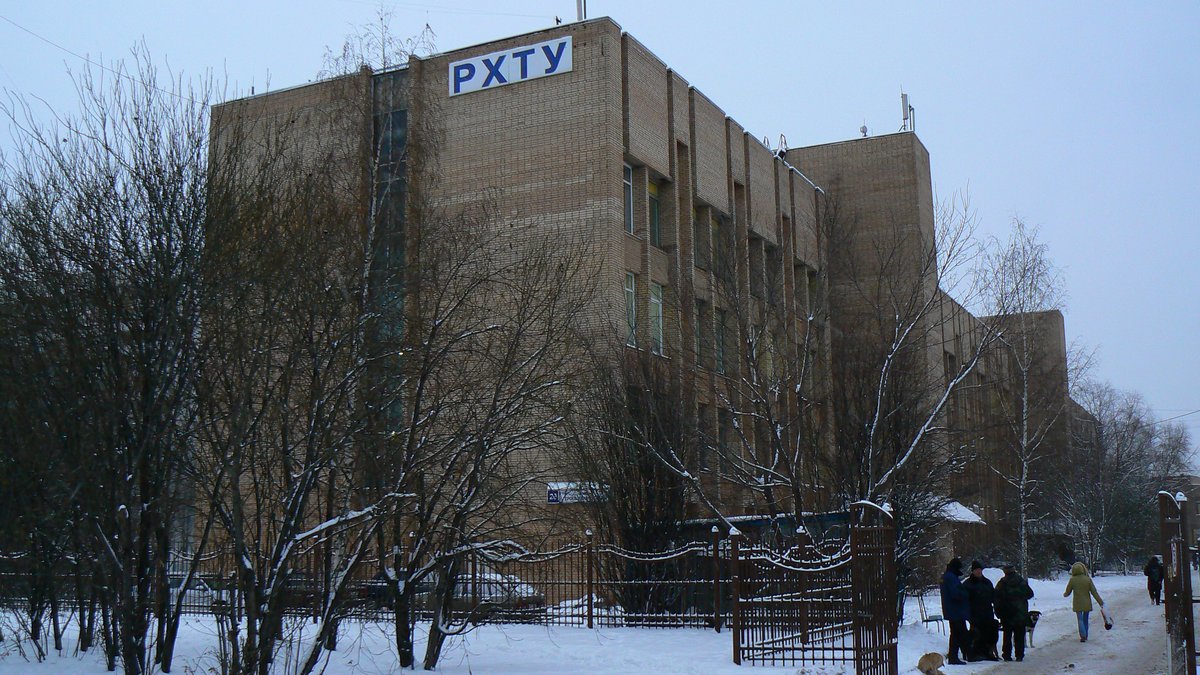
The main campus is at 9 Miusskaya Square, Moscow. Its historic academic buildings sit alongside contemporary lecture halls, libraries, and student spaces.
The Tushino Innovation Complex is home to the “Mendeleev Valley” project and showcases the university’s research and industrial partnerships.
Research and academic work
Visitors can explore research centres including the Mendeleev Engineering Center and the Mendeleev Valley innovation hub. MUCTR works in chemical technology, biotechnology, nanotechnology, and pharmaceutical sciences, and is known for academic leadership and scientific discovery.
Mendeleev University Monument
Located near the main campus, the monument commemorates Dmitri Mendeleev’s influence on global science. It is accessible to visitors, with ramps and designated viewing areas.
Practical visiting information
Hours, entry, and tours
The main campus is open to the general public Monday to Friday, 9:00 AM to 6:00 PM. It is closed to the general public on weekends except during special events or open days. General campus entry is free; some laboratories, exhibitions, and events may require pre-registration or tickets.
Visits to the Tushino Innovation Complex are by appointment only. The Mendeleev University Monument is open daily from 9:00 AM to 6:00 PM, and until 8:00 PM in summer. Admission to the monument is free.
Guided tours are available for prospective students, researchers, and tourists, and cover the university’s history, research achievements, and modern facilities. Tours can be booked online or through the admissions office. Most general tours are free; specialized or group tours may have a nominal fee. Tours in English and other languages are available. Monument tours offering historical context start at 300 RUB and can be booked online or at the visitor center.
Open days, science festivals, and exhibitions take place throughout the year and can provide access to laboratories and opportunities to meet faculty and students. Check the official university website or contact the visitor center to confirm hours and details about public lectures or special exhibitions.
Getting there and accessibility
For the main campus, nearby metro stations are “Belorusskaya,” “Mayakovskaya,” “Mendeleevskaya” (Line 9), and “Novoslobodskaya” (Line 5); all are within a short walk. Numerous bus and tram lines serve Miusskaya Square and the surrounding area.
Baumanskaya station is the closest metro station to the Mendeleev University Monument, and multiple bus routes are also available.
The campus has ramps, elevators, and accessible restrooms. Visitors with mobility needs are advised to contact the visitor center in advance for assistance. The monument has wheelchair access, ramps, and designated viewing areas.
Visitor facilities
Student dormitories are not visitor accommodation, but hotels and guesthouses are available nearby. Several on-campus cafeterias serve Russian and international cuisine at affordable prices.
English-speaking staff assist international visitors. Translation services and Russian language courses are available. Photography is permitted in public areas; permission is required in laboratories and restricted spaces.
Contact and updates
MUCTR shares information about events, open days, and scientific conferences through its social media and newsletters. The Audiala app offers personalized guides, event alerts, and travel tips.
Tips
- Check the official university website for current information about tours and events.
- Book guided tours in advance, especially during peak seasons or for group visits.
- Carry valid identification for entry and security checks.
- Dress comfortably and observe campus etiquette.
- Spring and autumn are suggested times to visit the monument for comfortable weather and fewer crowds.
- The Audiala app is available for personalized guides and travel tips.
Nearby places
MUCTR’s central location offers access to several Moscow attractions:
- Red Square and the Kremlin Moscow’s iconic historical sites.
- Bolshoi Theatre A venue for ballet and opera.
- State Tretyakov Gallery Home to Russian fine art masterpieces, also referred to as the Tretyakov Gallery.
- Miusskaya Square Green spaces and picturesque views.
- Tverskaya Street An area for shopping and dining.
- Moscow Zoo A family-friendly attraction.
Further information
- D. Mendeleev University of Chemical Technology: Campus Guide, Facilities, and Visitor Information
- Mendeleev University Monument: Visiting Hours, Tickets, and Nearby Historical Sites in Moscow
- Modern Diplomacy: Russian-African Educational Initiatives at MUCTR
Frequently Asked Questions (FAQ)
Q: What are the university’s visiting hours?
A: See “Hours, entry, and tours” above. Visits to the research complex are by appointment.
Q: Is there an entry fee?
A: General campus and monument entry is free; some tours and events may require payment or a ticket.
Q: Are tours available in English?
A: Yes, tours are offered in English and other languages.
Q: Is the campus accessible for visitors with disabilities?
A: The campus has ramps, elevators, and accessible restrooms. See “Getting there and accessibility” for details.
Q: What is the best way to reach the university?
A: See “Getting there and accessibility” for nearby metro stations and bus and tram routes.