
The Monument and Its Setting
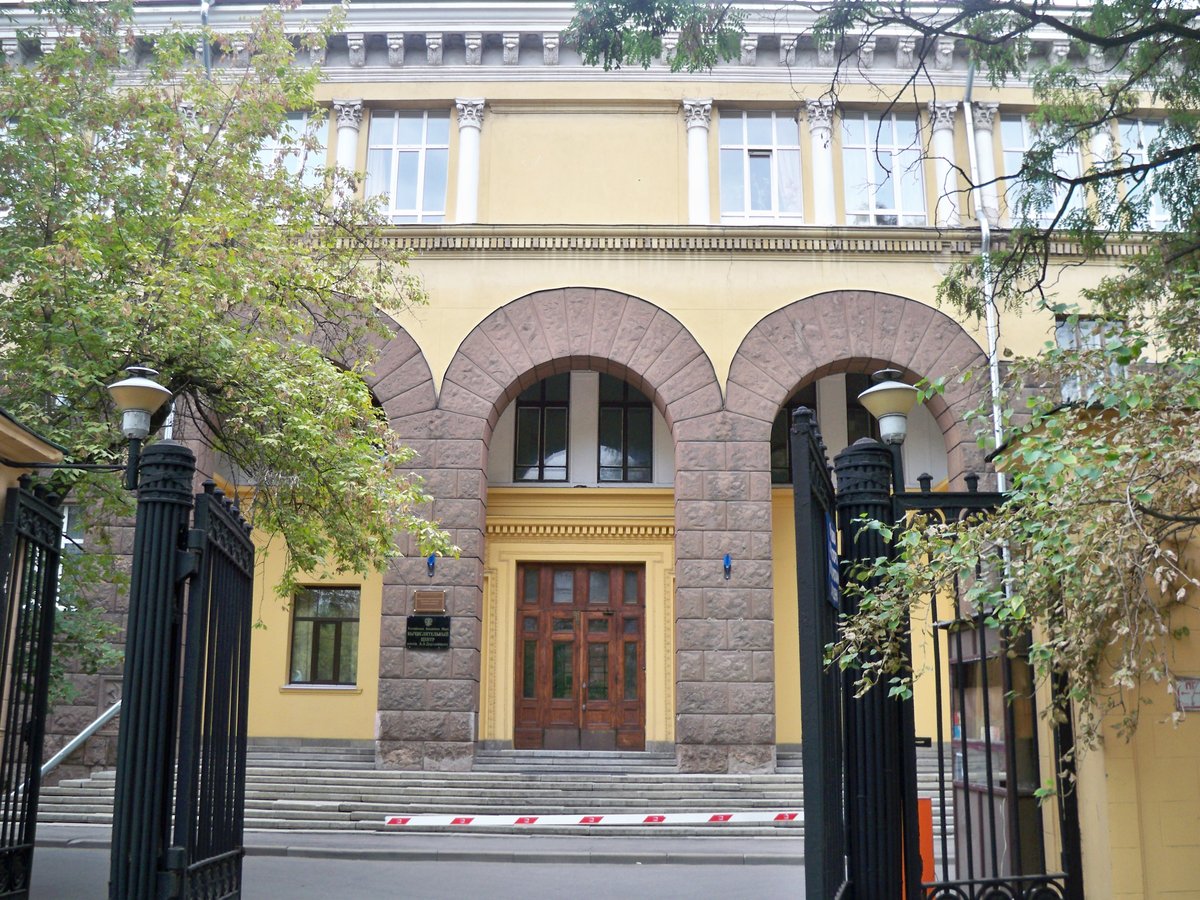
The Dorodnitsyn Computing Centre is housed within its original modernist building, a hallmark of mid-20th-century Soviet institutional architecture. Plaques, statues, and informational displays on-site chronicle the Centre’s legacy and honor figures such as Dorodnitsyn himself. The neighborhood’s proximity to other scientific institutes creates a vibrant academic atmosphere, ideal for visitors interested in exploring Moscow’s scientific heritage.
Historical Background
Founded at the height of the Soviet Union’s scientific ambitions, the DCC became a hub for mathematicians, physicists, and computer scientists. Under Dorodnitsyn’s leadership, the Centre was instrumental in developing computational methods and software that powered Soviet advancements across multiple disciplines, including contributions to early space missions and national defense.
Exhibits and Guided Tours
Exhibits:
- Replicas of early Soviet computing hardware
- Archival photographs and technical documentation
- Interactive multimedia presentations detailing the Centre’s research
Guided Tours:
- Scheduled on weekends or by appointment
- English-language options available with advance notice
- In-depth focus on scientific breakthroughs and the making of Tetris
Educational Programs:
- Workshops and lectures on computational science and the history of computing
- Special events such as anniversaries and science festivals
Planning Your Visit
Tips for Visitors:
- Book tickets or tours online in advance
- Wear comfortable shoes (both indoor and outdoor areas)
- Photography is allowed in designated zones—look for posted signs
- Bring valid ID for security clearance
- Most signage is in Russian; request an English guide if needed
Getting There
- Nearest Metro Stations Leninsky Prospekt and Akademicheskaya (10-15 min walk)
- Public Transport Well-served by buses; parking is limited, so public transport is advised
Accessibility
The Centre is equipped for wheelchair access (ramps and elevators). Notify staff in advance if special accommodations are needed.
What to See and Do
- Museum Exhibits Vintage Soviet computers, original Tetris documentation, and artifacts from the space program
- Library Rare books and journals on mathematics, computer science, and engineering
- Multimedia Gallery Historical images and interviews with former researchers (gallery on official website)
- Special Events Anniversaries, public lectures, and themed exhibitions
Nearby Attractions
Maximize your visit by exploring additional scientific and cultural sites in the area:
- V.A. Steklov Mathematical Institute
- Museum of Cosmonautics (Museum of Cosmonautics)
- State Darwin Museum
- Moscow State University
Frequently Asked Questions (FAQ)
Q: Is the Centre open to the public?
A: Yes, but only for guided tours and special events. Advance booking is essential due to ongoing research.
Q: Are English-language tours available?
A: Yes, with prior arrangement.
Q: Is there parking?
A: Limited. Public transport is strongly recommended.
Q: Can children visit?
A: Yes, exhibits are suitable for all ages.
Q: Is there a gift shop?
A: Yes, offering books, memorabilia, and replicas (during special events).
Q: Can I take photos?
A: Yes, in exhibition areas—check signage for restrictions.
The DCC’s Impact and Legacy
The Dorodnitsyn Computing Centre is not just a repository of history—it remains an active hub for research and interdisciplinary collaboration. Its work has shaped fields from aerodynamics to cryptography and continues to inspire new generations of scientists and engineers. The DCC’s role in the development of Tetris highlights its unique blend of creativity and technical excellence (Eurasianet).
Since 2015, the DCC’s integration into the Federal Research Centre “Informatics and Control” of the Russian Academy of Sciences reflects the evolution of Russian scientific institutions, but its divisions and legacy remain vibrant (Wikipedia).
Final Tips for Visitors
- Plan Ahead Book your visit well in advance, especially for special events or group tours.
- Language Arrange for an English-speaking guide if needed.
- Documentation Bring identification for entry and security.
- Combine Visits Explore nearby scientific sites for a comprehensive experience.
- Stay Informed Check the official website and follow the Centre’s news for event updates.