Historical Background
The Assassination of Grand Duke Sergey Alexandrovich
Grand Duke Sergey Alexandrovich was a prominent imperial figure, known for his conservative policies and as Governor-General of Moscow. On February 4, 1905, during the turbulence of the Russian Revolution, he was assassinated near the Kremlin when Ivan Kalyayev, a Socialist Revolutionary, threw a nitroglycerin bomb into his carriage, killing him instantly (Unofficial Royalty, Wikiwand).
Creation and Consecration of the Original Monument (1908)
In response to public mourning, a permanent memorial cross was erected in 1908 at the assassination site, designed by Viktor Vasnetsov and funded by public donations. Rich in Orthodox iconography, the monument featured bronze and labradorite elements, with reliefs depicting saints and religious motifs as a tribute to the Grand Duke’s faith and status (Everything Explained).
Destruction During the Bolshevik Revolution
After the Bolsheviks took power in 1917, the new regime targeted symbols of imperial and religious authority. In 1918, Lenin ordered the destruction of the monument, making it the first such memorial to be removed from the Kremlin following the Revolution. The Chudov Monastery, where the Grand Duke was originally buried, was demolished in 1928, and his crypt was lost for decades (Wikipedia, OCP Society).
Rediscovery and Reburial
In 1990, Kremlin renovations uncovered the blocked crypt. The Grand Duke’s remains, military decorations, and an icon were found. After a memorial service at the Cathedral of the Archangel, his remains were reburied in Novospassky Monastery in 1995—a significant act of historical restoration (Wikipedia).
Restoration: Novospassky Monastery and the Kremlin
Post-Soviet Russia’s renewed interest in history led to the creation of a replica monument at Novospassky Monastery in 1998. In 2017, a faithful restoration was consecrated at the original Kremlin site, with the project supported by public donations and high-profile backing, including President Vladimir Putin and Patriarch Kirill (Kremlin.ru, OCP Society).
Artistic and Symbolic Features
The monument’s design, by Vasnetsov, integrates a bronze cross on a polished labradorite base, with enamel details and Orthodox Christian iconography. Reliefs depict the Grand Duke’s martyrdom, surrounded by saints and angels, conveying themes of sacrifice, national unity, and remembrance (Everything Explained).
Visiting the Monument: Location, Hours, and Tickets
Location
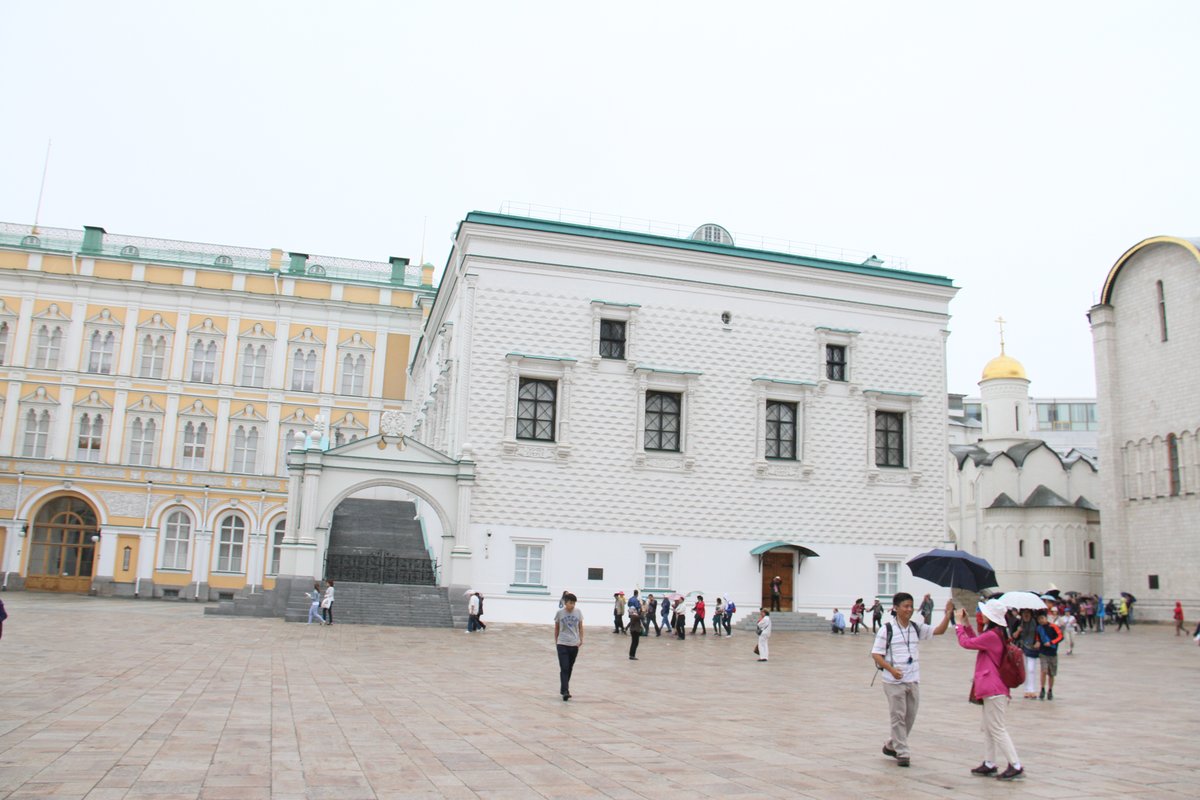
- Kremlin Monument The restored monument is located within the Moscow Kremlin, near the Senate building and Nikolskaya Tower (Tripomatic).
- Novospassky Monastery Replica The replica is at Novospassky Monastery, where the Grand Duke’s remains are interred.
- New Monument (2024) A new monument to Sergey Alexandrovich and his wife Elizabeth Feodorovna was unveiled near Tretyakovskaya metro station (Tsarnicholas.org).
Visiting Hours
- Kremlin Grounds Open to visitors from 10:00 AM to 5:00 PM, Tuesday through Sunday (closed Mondays), but hours may vary by season and during holidays. Always confirm on the Kremlin’s official website.
- Novospassky Monastery Usually open daily from 9:00 AM to 6:00 PM.
Ticket Information
- Kremlin Admission Tickets are required to enter the Kremlin grounds, including the monument. Prices range from 500–1000 RUB for adults, with concessions for students and seniors.
- Where to Buy Purchase online via the Kremlin’s official website or at the ticket office near Kutafya Tower. Advance purchase is highly recommended during peak seasons.
- Novospassky Monastery Entry is generally free, with donations welcome.
Accessibility
- Kremlin The grounds are partially accessible, with ramps and paved paths, but some cobblestone areas remain.
- Monastery The Novospassky Monastery is mostly accessible, but some uneven surfaces exist; check with staff for assistance if needed.
Guided Tours and Travel Tips
- Guided tours are available in multiple languages and often include the monument’s history as part of a broader Kremlin or Romanov tour.
- Spring and autumn offer the most comfortable visiting conditions, with fewer crowds.
- Early mornings are ideal for photography and reflection.
Nearby Attractions
Enhance your visit by exploring these nearby Moscow historical sites:
- Kremlin Armory Chamber Houses imperial treasures and regalia.
- Cathedral Square Features the Assumption, Archangel, and Annunciation Cathedrals.
- Ivan the Great Bell Tower Panoramic city views (separate ticket required).
- Red Square Includes St. Basil’s Cathedral and the State Historical Museum.
- Alexander Garden A peaceful green space adjacent to the Kremlin.
Practical Visitor Tips
- Language Most signage is in Russian, with English translations at main points. Guided tours in English are widely available.
- Security All visitors must pass through security; avoid large bags and follow staff instructions.
- Photography Permitted outdoors; tripods and professional equipment may require special permission.
- Amenities Cafes, souvenir shops, and restrooms are available within the Kremlin.
- Weather Dress appropriately for Moscow’s variable climate—winters are cold, summers can be warm.
Frequently Asked Questions (FAQ)
Q: What are the visiting hours for the monument?
A: Kremlin monument: 10:00 AM–5:00 PM, Tuesday–Sunday (verify on the Kremlin’s official website). Novospassky Monastery: 9:00 AM–6:00 PM daily.
Q: Is a ticket required to see the monument?
A: Yes, access to the monument in the Kremlin requires a paid ticket; the monastery is free but donations are encouraged.
Q: Is the site accessible for visitors with disabilities?
A: Partially accessible; ramps are present but some historic terrain remains.
Q: Are guided tours available in English?
A: Yes, both official and private tours are available.
Q: Can I take photographs?
A: Yes, but professional equipment may need special permission.
Q: What are the best times to visit?
A: Spring and autumn for fewer crowds and pleasant weather; mornings for quiet visits.
Summary and Recommendations
The Monument to Grand Duke Sergey Alexandrovich stands at the intersection of Russia’s imperial grandeur, revolutionary turmoil, and modern commemoration. From its 1908 unveiling and destruction during the Soviet era to its rediscovery and restoration, the monument encapsulates Moscow’s layered history (Everything Explained, OCP Society, Kremlin.ru, Tripomatic).
Visitors can explore the restored monument within the Kremlin, the replica at Novospassky Monastery, and a newly unveiled monument near Tretyakovskaya. The site’s accessibility, guided tours, and proximity to major attractions make it a must-see for anyone exploring Moscow’s historical landscape (Wikipedia).
Recommendations:
- Check the latest visiting hours and ticket policies before your visit.
- Book guided tours for deeper historical context.
- Explore nearby sites for a comprehensive experience of Moscow’s imperial heritage.
- Download the Audiala app for up-to-date travel information and cultural resources.