History and Cultural Significance
Early Days and Foundation
Russian filmmakers first articulated the need for a film museum as early as the 1910s (Express to Russia). The first cinema museum was established in the late 1920s under the State Academy of Artistic Sciences, collecting cameras, scripts, and posters. After a period of dissolution and the loss of many artifacts in the 1930s, a postwar revival led to the creation of a Cinema History Department in 1947.
Modern Evolution
The museum was officially established in 1989, opening with a screening of Charlie Chaplin’s "The Great Dictator". After several relocations—including a period at Mosfilm Studios—it found its current home at VDNKh, where it continues its mission with expanded exhibition halls, screening rooms, and educational spaces (Museikino.ru).
Role in Russian Culture
The museum’s collection documents the artistic, social, and political evolution of Russian and Soviet cinema. It serves as both a cultural archive and an educational center, highlighting film’s role in reflecting and shaping national identity (Polyglottist Language Academy; Toxigon).
Location and Directions
- Address VDNKh Exhibition Complex, Moscow, Russia
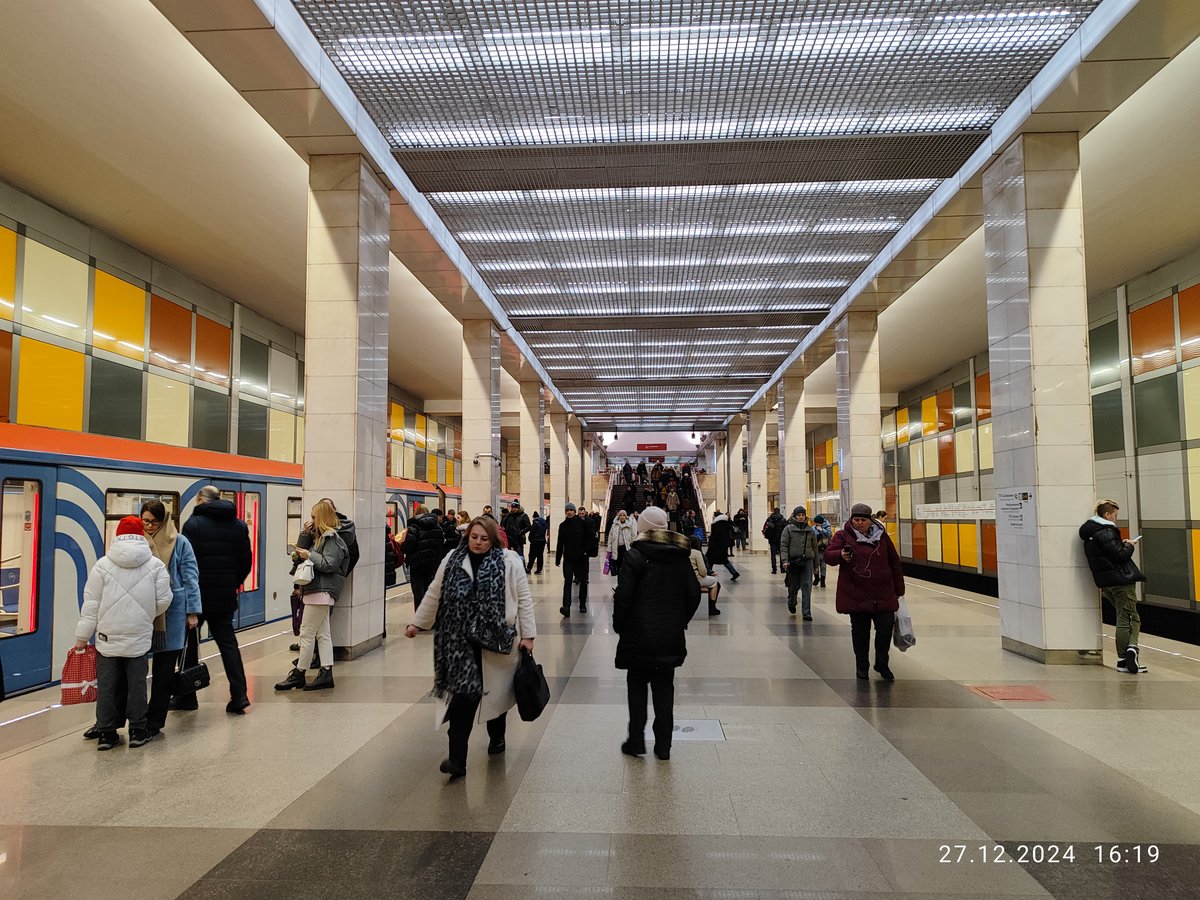
- Metro VDNKh station (orange Kaluzhsko–Rizhskaya Line 6); 10-minute walk to the museum entrance
- By Taxi Use ride-hailing apps like Yandex.Taxi; show the Russian name: Государственный центральный музей кино
- Accessibility The museum and VDNKh are wheelchair accessible with ramps and elevators
For the most up-to-date directions and entrance details, consult the official museum website.
Visiting Hours & Admission
- Open Tuesday to Sunday, 11:00 AM – 7:00 PM (last admission at 6:00 PM)
- Closed Mondays and public holidays
- Seasonal Notes Hours may vary for special events or holidays; always check the museum’s website for updates
Tickets and Booking
- Standard Adult 300–500 RUB (approx. $3–$5 USD)
- Discounts Students, seniors, and children receive reduced rates; children under 7 enter free
- Special Exhibitions/Screenings May require separate tickets
- Where to Buy Online via the museum’s ticket portal or at the entrance (online booking recommended during peak times)
- Group Bookings Available for school groups, families, and private tours (book in advance)
Collections and Exhibitions
Permanent Exhibition ("Labyrinth of History")
Explore a chronological journey through Russian cinema—from pre-revolutionary silent films to the avant-garde, the Soviet era, and contemporary productions. Artifacts include:
- Original film cameras and projectors
- Rare scripts and storyboards
- Costumes and props from iconic films (e.g., "Battleship Potemkin", "Solaris")
- Posters, photographs, and set designs
- Personal archives of directors like Eisenstein and Tarkovsky
Temporary Exhibitions
Regularly rotating displays focus on genres, historic events, directors, and international collaborations. The exhibition calendar is updated online.
Film Screenings and Events
The museum houses three screening halls named after Dziga Vertov, Andrey Tarkovsky, and Alexander Khanzhonkov. These cinemas host:
- Daily screenings of Russian and international classics
- Silent films with live music
- Film festivals and retrospectives
- Q&A sessions with filmmakers and critics
Some screenings are included in museum admission; others require separate tickets. The event schedule is regularly updated.
Guided Tours and Educational Programs
- Guided Tours Available in Russian and English; book in advance for English language tours
- Workshops Topics include film history, animation, and filmmaking techniques
- For Children Interactive workshops and family programs
- Audio Guides Available in Russian and English for a small extra fee
Facilities and Accessibility
- Café Onsite, serving snacks and drinks
- Museum Shop Film-related books, souvenirs, posters, and DVDs
- Cloakroom Free for coats and bags
- Restrooms Clean and accessible on every floor
- Wi-Fi Complimentary throughout the museum
- Accessibility Ramps, elevators, accessible restrooms, and special tours for visitors with disabilities (Tours in Moscow)
Nearby Attractions
- Cosmonautics Museum Space history next door at VDNKh
- Ostankino TV Tower For panoramic city views
- VDNKh Pavilions Soviet-era architecture and exhibitions
- Moscow Botanical Garden Green space for a post-museum stroll
For more ideas, see our Moscow historical sites guide.
FAQ
Q: What are the opening hours?
A: Tuesday–Sunday, 11:00 AM – 7:00 PM; closed Mondays and public holidays.
Q: How much do tickets cost?
A: Adults: 300–500 RUB; discounts for students, seniors, and children.
Q: Is the museum wheelchair accessible?
A: Yes, with ramps, elevators, and accessible restrooms.
Q: Are guided tours available in English?
A: Yes, by advance booking; audio guides in English also available.
Q: Can I take photographs?
A: Non-flash photography is allowed in most permanent exhibitions; restrictions may apply in some areas.
Q: Are virtual tours offered?
A: Yes, the museum offers digital exhibitions and virtual tours online.
Travel Tips
- Book Online Reserve tickets and tours in advance, especially during holidays
- Best Time to Visit Weekday afternoons for fewer crowds; late spring and early autumn for pleasant weather (Where and When)
- Dress Appropriately Moscow winters are cold; summers can be rainy
- Transport Metro is fast and reliable; taxis are available with smartphone apps
- Languages Exhibit labels are in Russian, with English translations for key displays; translation apps are useful
- Safety The museum is in a safe area; personal belongings can be stored in the cloakroom