
Historical Evolution and Significance
Imperial Origins (1832–1918)
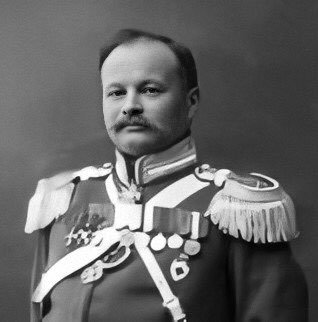
Founded in 1832 in St. Petersburg as the Imperial Military Academy of the General Staff, the Academy was established to create a professional officer corps supporting modernization efforts within the Russian Army. Its curriculum integrated strategic and practical military sciences, with admission limited to experienced officers. The Academy produced over 4,500 Russian and allied officers by 1918, including renowned figures such as M.D. Skobelev, A.V. Kolchak, and A.I. Denikin (Presidential Library).
The Soviet Era (1918–1991)
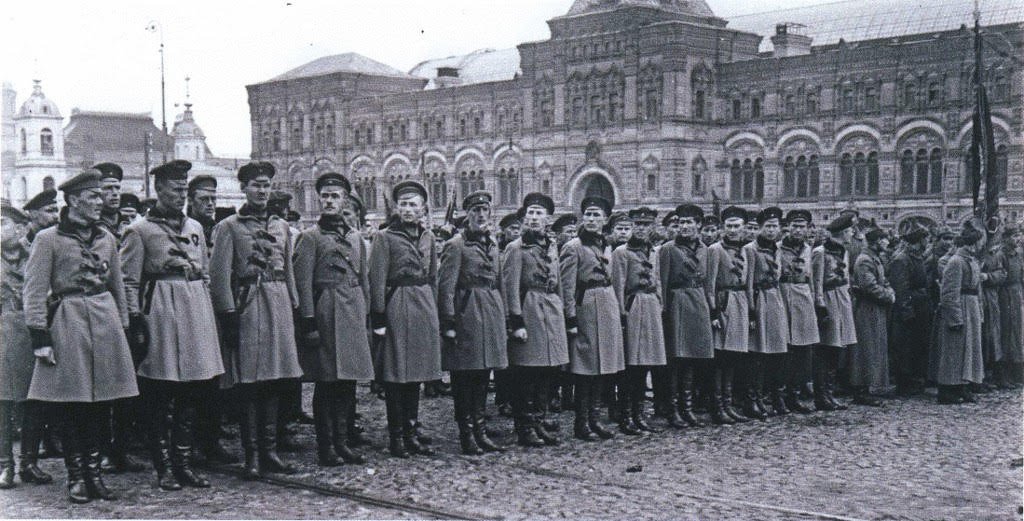
The 1917 Revolution led to the dissolution of the Imperial Academy, but the need for advanced military education persisted. In 1918, the General Staff Academy of the Red Army was founded in Moscow. The institution’s focus shifted to operational-strategic command, producing senior leaders pivotal in the Red Army’s successes during the Civil War and World War II. Renamed several times, it became the apex of Soviet military education, training most of the nation’s senior officers and shaping military doctrine during the Cold War (Wikipedia).
Post-Soviet Transformation (1992–Present)
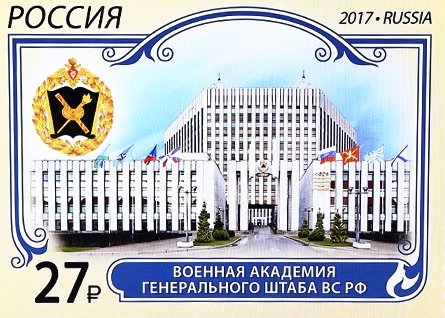
Following the dissolution of the Soviet Union, the Academy was reorganized as the Military Academy of the General Staff of the Armed Forces of the Russian Federation and relocated to its current Moscow address. Today, it remains the highest institution for military education in Russia, reserved for senior officers preparing for top command positions. Its curriculum adapts to contemporary strategic challenges, and its graduates continue to shape Russian military policy and doctrine (DBpedia; RAND).
Visitor Information: Access, Tickets, and Tours
- Public Access The Academy is not open to the public. Entry is strictly limited to official delegations, military personnel, and approved academic or diplomatic visitors. There are no public tours or ticketed admissions.
- Visiting Hours No regular visiting hours are offered. Official visits must be arranged in advance through the Russian Ministry of Defense.
- Guided Tours Visitors interested in the external architecture or historical context can participate in local military-themed walking tours that include nearby sites; however, these do not provide access inside the Academy (Express to Russia).
- Photography Restricted around the premises due to security. Always observe signage and comply with instructions from security personnel.
For information on arranging official visits, consult the Russian Ministry of Defense or your embassy.
Institutional and Cultural Impact
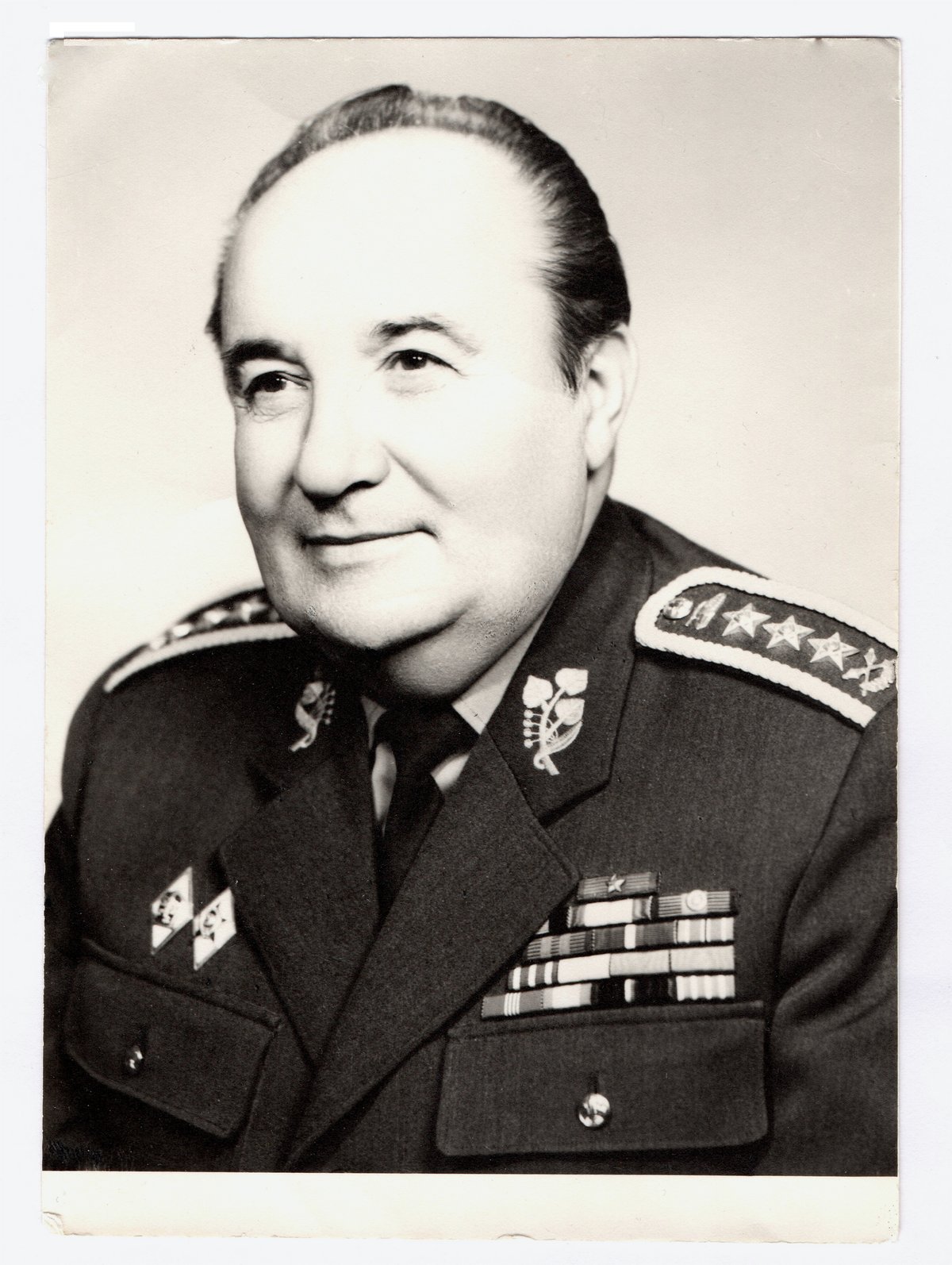
The Academy is regarded as the intellectual and strategic heart of the Russian military establishment. Its rigorous selection process ensures that only the most capable officers ascend to senior leadership roles. Throughout its history, it has influenced the evolution of Russian and Soviet society, military doctrine, and state power. Today, it continues to adapt to new geopolitical realities and remains a premier institution for strategic military education (Presidential Library; Wikipedia).
Notable Alumni and Faculty
The Academy’s alumni have significantly shaped Russian and global military history. Notable graduates and faculty include:
- M.D. Skobelev Celebrated for campaigns in Central Asia and the Russo-Turkish War.
- A.V. Kolchak Admiral, polar explorer, and White movement leader.
- A.I. Denikin and P.N. Wrangel Key figures in the Russian Civil War.
- S.S. Kamenev and B.M. Shaposhnikov Influential Soviet military leaders.
- D.A. Milyutin Renowned military reformer and theorist (Presidential Library).
Architecture and Facilities
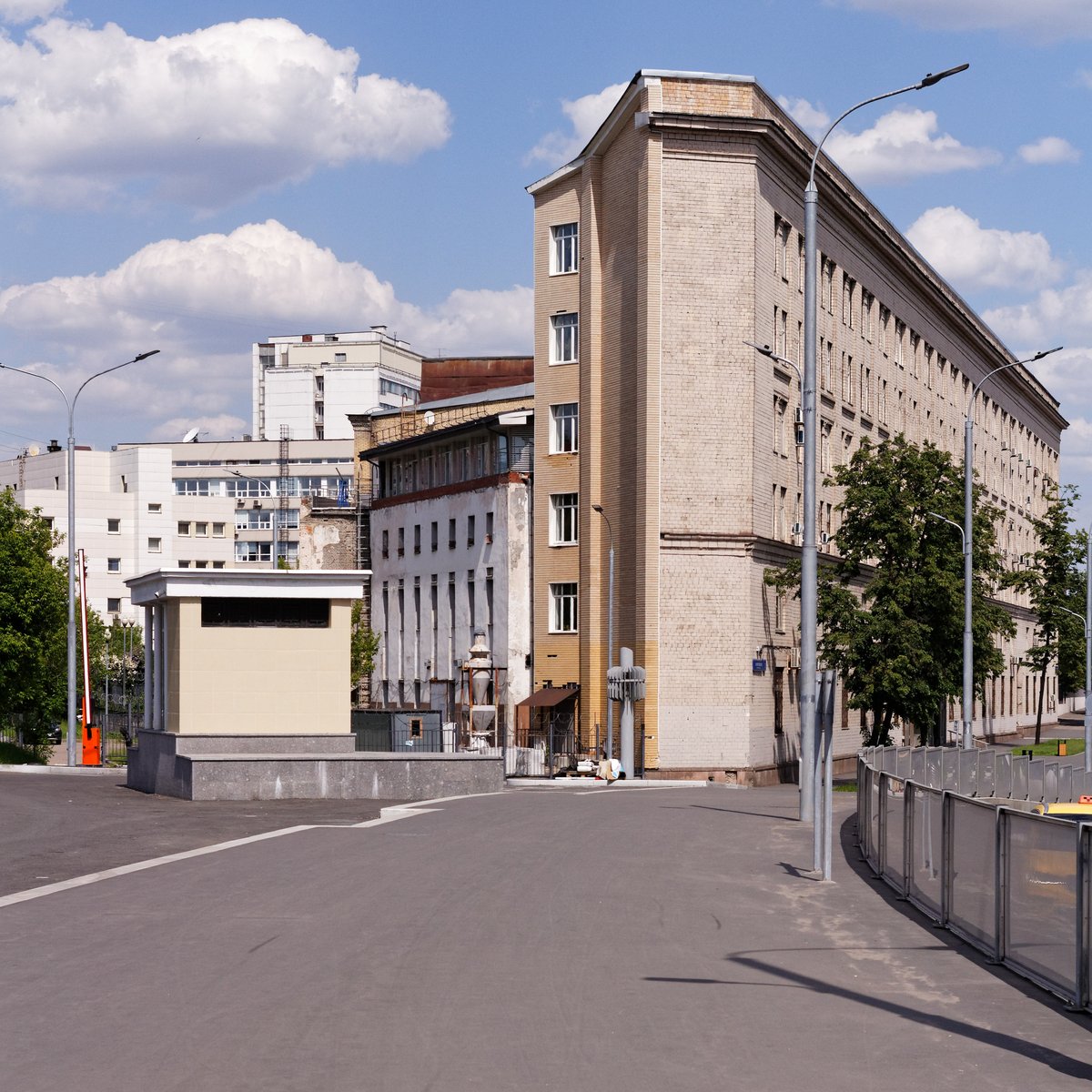
The current Academy building, constructed during the Soviet era, exemplifies monumental, functionalist architecture. Its imposing, symmetrical façade, minimal ornamentation, and well-kept grounds reflect its institutional character. Inside, the Academy houses advanced lecture halls, libraries, and residential facilities designed for senior officers. Due to security, interior access and detailed information are restricted.
Military-Themed Museums and Events Nearby
Although the Academy itself is inaccessible, Moscow offers several premier military history sites:
- Central Armed Forces Museum An extensive collection of military artifacts and equipment, covering Imperial, Soviet, and modern eras (Express to Russia).
- Victory Museum (Poklonnaya Hill) Focuses on Russia’s role in World War II; features dioramas, exhibitions, and Victory Park (Express to Russia).
- Novodevichy Convent and Cemetery Final resting place of many military leaders (Express to Russia).
- Annual Events Kremlin Guards Ceremony, Spasskaya Tower International Military Music Festival, and the Victory Day Parade provide opportunities to witness military tradition and pageantry (ETS Russia Travel).
Frequently Asked Questions (FAQs)
Q: Can I visit the Military Academy of the General Staff as a tourist?
A: No. The Academy is not open to the public and there are no regular visiting hours or ticketed tours.
Q: How do I arrange an official visit?
A: Only through recognized institutions and with prior approval from the Russian Ministry of Defense.
Q: Are there any public events at the Academy?
A: No. However, Moscow hosts several military events and public ceremonies at accessible venues.
Q: What are the best military museums to visit nearby?
A: The Central Armed Forces Museum and the Victory Museum are highly recommended.
Q: Is photography allowed?
A: Generally prohibited around the Academy. Always follow posted restrictions.